
Key Takeaways
Sourcing reliable Volkswagen second hand engines requires meticulous research, technical verification, and a clear understanding of engine compatibility. By checking vehicle specifications and following structured testing protocols, you can secure a dependable power unit that extends your vehicle’s lifespan while remaining cost-effective.
- Verify engine codes against your VIN to ensure total compatibility.
- Always perform dry and wet compression tests before installing the unit.
- Prioritize sellers who offer detailed maintenance history and clear warranties.
- Replace perishable components like belts and seals during the initial swap.
- Monitor vital engine parameters during the first 500 miles of operation.
Understanding the different types of Volkswagen engine conditions
Navigating the market for replacement motors involves deciphering technical grading scales that affect both longevity and reliability. Understanding these differences allows buyers to make informed decisions that align with their mechanical goals for current and future vehicle operation.
Identifying used, reconditioned, and remanufactured units
A used engine is typically sourced directly from a salvage vehicle and retains its original internal components without major overhaul. Reconditioned units have often received essential repairs to address known wear items, while remanufactured engines undergo a complete teardown and restoration to meet or exceed factory tolerances. For those seeking durable performance, quality used Volkswagen engines often serve as a balanced middle ground between cost and reliability.
The trade-offs between mileage and maintenance records
High mileage does not inherently mean an engine is near the end of its life, especially if the service history is documented. Lower mileage might look appealing at first, but an engine left sitting for years without oil circulation can develop internal corrosion. When you analyze options, you should prioritize proven maintenance history over low mileage to ensure the core components remain in good working order.
Visualizing mechanical wear: what to look for upon delivery
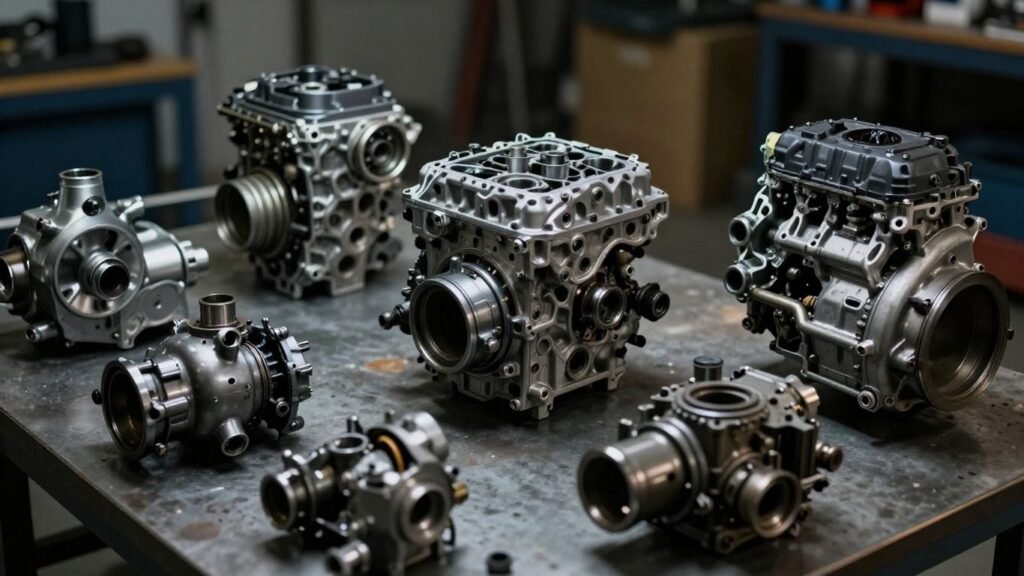
When your engine arrives, performing a physical inspection is critical before committing to the labor of installation. Look for signs of oil seepage around gaskets, check for debris inside the intake manifold, and ensure the pulleys rotate smoothly without excessive play. This initial audit helps identify obvious issues that may necessitate a return or exchange before you invest further time or money into the swap.
| Inspection Point | Priority | Expected Outcome |
|---|---|---|
| Gaskets & Seals | High | No visible cracking or heavy leaking |
| Accessory Pulleys | Medium | Smooth movement, no binding |
| Wiring Harness | High | Intact insulation and undamaged connectors |
Compatibility and matching the right engine code
Finding a motor that physically fits the engine bay is only the first step in a successful swap. Modern vehicle ecosystems are highly sensitive to specific component revisions, making precision matching an absolute necessity to avoid cascading electrical or performance faults during integration.
Decoding the VIN for precise engine specifications
Your VIN contains the specific identifiers needed to distinguish between different variations of the same engine block. Relying on model year alone can lead to frustration, as mid-year production changes sometimes introduced subtle shifts in sensor placement or mounting points. Utilizing a database from a trusted engine supplier helps ensure that the engine code you source aligns perfectly with your vehicle’s specific emission standards and production sequence.
Understanding cross-compatibility between different Volkswagen model years
Often, blocks are technically identical across several chassis, but peripheral components vary significantly. You might find that a engine intended for a different platform shares the same core geometry, but requires a swap of the oil pan, intake manifold, or alternator brackets. Comparing the hardware configurations systematically prevents common complications that arise when mixing components from incompatible series.
Avoiding common pitfalls when swapping electronic control units
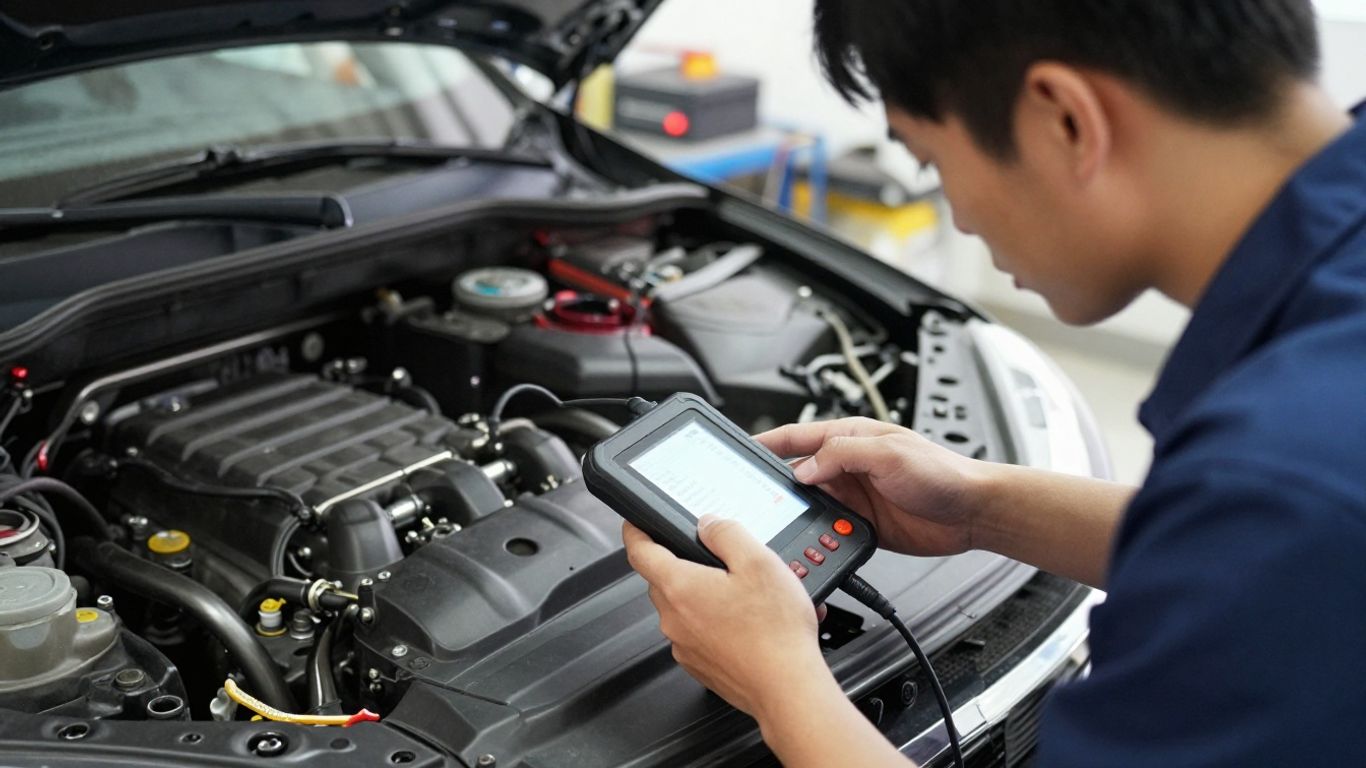
Swapping an engine often highlights issues with the Electronic Control Unit, as newer engines may communicate through protocols that your existing harness does not support. It is usually best to retain your original ECU, but you must ensure the engine sensors match the factory mapping. Discrepancies here manifest as engine warning lights that can be difficult to diagnose without proper diagnostic software.
Evaluating reputable sellers and suppliers
When buying powertrain components, your choice of provider dictates the success of your project and the validity of any claims regarding quality. Relying on professional suppliers who specialize in specific brands often simplifies the logistics and quality assurance process significantly.
The difference between local salvage yards and specialized automotive retailers
Local yards can offer great prices, but they rarely have the infrastructure to certify a unit’s performance history. Specialized retailers often have a larger network, such as those providing Volkswagen engines for sale through qualified breakers, which simplifies the search. These retailers often provide better vetting of components and standardized shipping processes for heavy freight.
Assessing supplier warranties and post-purchase return policies
Warranty structures vary from basic "start-up" guarantees to comprehensive coverage spanning thousands of miles. Pay close attention to what the warranty excludes, as many suppliers decline claims if basic maintenance items like timing belts were not replaced upon installation. Knowing your rights regarding post-purchase returns is essential, especially when shipping heavy freight across the country.
Verifying company reputation through industry credentials and customer feedback
Don’t hesitate to check for a history of satisfaction with the seller. A company with a transparent track record in the automotive aftermarket will usually have feedback regarding their communication and claim resolution. This vetting step acts as a filter that separates professional operations from those that might leave you stranded if an issue arises with the delivered unit.
Testing protocols before installation
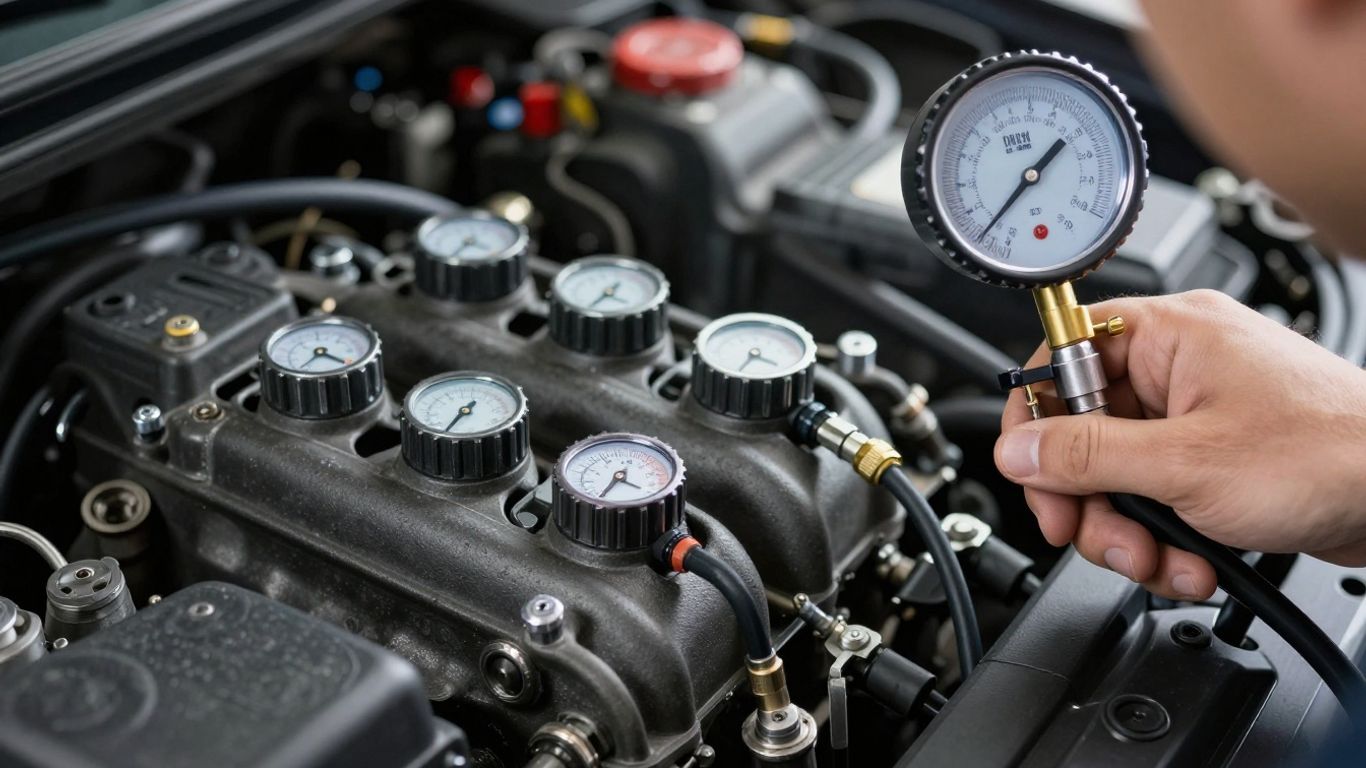
Before you mount the engine, you are afforded the easiest access to the entire unit for diagnostic testing. Utilizing these protocols can prevent the nightmare of having to pull the engine out again shortly after finishing your installation.
Performing a dry and wet compression test on an uninstalled engine
This is perhaps the single most useful test you can perform on an uninstalled engine. A dry compression test establishes the base health of the cylinder rings and valves, while a wet test helps differentiate between piston ring wear and valve seating issues. These metrics provide a clear view of how much usable life the internal components have left.
Analyzing oil condition and cooling system integrity
Check for signs of coolant contamination in the oil, which could point toward a faulty head gasket. Similarly, pressure testing the cooling system allows you to check for leaks in the manifold or water pump that are otherwise difficult to see. Consider this task a final safety check to ensure your new purchase is ready for the road.
Checking for hidden electrical harness damage or broken sensor connectors
Inspect the entire harness for brittle plastic, heat damage, or severed wires that could interfere with signal consistency. Ensuring that every sensor plug clicks firmly into place and has no frayed wiring will save hours of troubleshooting later. A properly maintained engine, such as those processed by managed engine suppliers, should arrive with a clean and verified harness.
Cost-benefit analysis of the purchase
Evaluating the financials of an engine replacement requires looking at the total lifecycle cost rather than just the initial price tag. A cheaper initial unit can become significantly more expensive if it requires immediate rebuilding or carries high overhead for specialized shipping.
Balancing the acquisition cost against expected future maintenance
While finding an engine at a low price point is a common goal, account for the cost of refreshing seals, timing components, and water pumps before installation. If you treat this, as one might when comparing lease vs buy scenarios, the total cost should include the base price plus the cost of these critical maintenance items to determine the true expense.
Factoring in shipping logistics, freight costs, and core charges
Shipping heavy automotive parts requires specialized freight services, and costs can vary depending on whether you are shipping to a residential or commercial address. Some suppliers may also include a core charge, which is a deposit that you get back once the old engine is returned. Be sure these logistics are clearly itemized before you finalize the order.
Calculating labor hours for installation versus purchasing a factory-new unit
Installing an engine is an intensive process, whether you are doing the work yourself or paying a shop. If you choose a budget unit that requires additional repair, you are effectively paying for two installations in terms of labor time. Sometimes, investing slightly more in a verified remanufactured unit reduces the total risk and labor hours significantly.
Best practices for installation and break-in
Once the engine is in the bay, the final phase involves ensuring the integration holds up under real-world driving conditions. This stage is where your preparation pays off, transitioning from an unknown used part to a reliable component of your daily driver.
Essential peripheral components to replace during the engine swap
Never reuse critical wear components that are currently accessible. Plan to install new spark plugs, vacuum lines, and a high-quality timing kit before the engine is even mounted. Following a checklist approach at this stage ensures that you aren’t forced to pull the engine back out for a five-dollar rubber seal that failed a month later.
Flushing the fuel and lubrication systems for engine longevity
Sitting for long periods can lead to varnish and debris buildup within the fuel and oil galleries. It is vital to flush these systems during installation to ensure the new pump isn’t picking up contaminants left behind by the previous owner. Clean fuel and fresh lubricants are the most effective ways to preserve the internal life of your replacement engine.
Monitoring the ECU and sensors during the critical first 500 miles
During the initial break-in period, keep a close eye on fluid levels, exhaust color, and any unexpected feedback from the dash. Your ECU will be adapting to the new sensor readings, and any inconsistencies should be investigated immediately. Keeping your performance steady and avoiding extremes during this phase confirms the health of the install and sets the stage for many miles of reliable operation.
Conclusion
Securing a replacement engine is a strategic investment in the longevity of your vehicle that rewards those who prioritize thorough inspection and careful compatibility checks. By following systematic testing protocols and addressing peripheral maintenance during the swap, you effectively minimize the inherent risks of buying used components. Ultimately, the success of this endeavor depends on diligent research, proper logistical planning, and adherence to professional installation standards, ensuring that your Volkswagen remains a reliable and enjoyable vehicle long after the work is complete.
Frequently Asked Questions
Can I upgrade my car to a different engine code than the original?
While technically possible, installing a different engine code often introduces significant electronic and physical complications that require custom fabrication and computer reprogramming. It is generally recommended to stick with an engine code variant specifically designed for your vehicle’s model year to ensure seamless integration with the existing engine management system.
How many miles is considered too many for a replacement engine?
There is no single magic number, as the condition depends more on previous maintenance than the odometer reading. An engine with 100,000 miles that has received regular synthetic oil changes is often a better candidate than a 50,000-mile engine that has been neglected or subjected to poor long-term storage conditions.
Do I need to re-program the ECU after an engine swap?
If the replacement engine is an identical long block specification, you likely will not need to re-program the computer. However, if the displacement or internal hardware configuration differs, the ECU must be updated to ensure proper fuel mapping, ignition timing, and emission control stability.
What are the most common parts to replace before installing a used engine?
Always replace the timing belt or chain, water pump, thermostat, and all rubber coolant hoses and gaskets while the engine is accessible. These parts are inexpensive compared to the labor required to reach them, and replacing them prevents common failure points that often plague older, secondary power units.
Is it better to trust a local seller or a distant specialized retailer?
Specialized retailers usually provide more comprehensive warranties and have established testing procedures, which offer higher peace of mind for the average consumer. Local salvage yards might be more affordable, but you lack the industry standard testing and support often provided by professional used engine suppliers.
How do I check if my engine has a valid service history?
Request proof in the form of service records, stamped booklets, or digitized maintenance reports from the previous owner or supplier. While not every engine will have a perfect paper trail, any records you can obtain serve as a baseline for assessing how well the previous owner cared for the unit.
How long should I expect a used engine to last?
With proper installation, routine maintenance, and high-quality fluids, a well-vetted used engine can often continue working for another 100,000 miles or more. The longevity of the unit is primarily dictated by how well you manage your maintenance schedule and the quality of the specific components selected for the engine swap.