Key Takeaways
Buying used fuel injectors is a strategic choice for automotive enthusiasts looking to balance performance upgrades with tightening budgets. By following this guide, you can successfully navigate the process of sourcing, refurbishing, and installing salvaged components safely.
- Evaluate the hidden risks of wear compared to new parts.
- Perform physical inspections for corrosion and seal integrity.
- Validate performance through professional flow bench testing.
- Utilize ultrasonic cleaning to restore spray pattern efficiency.
- Follow precise installation steps to prevent fuel system leaks.
The pros and cons of purchasing used fuel injectors
Many automotive enthusiasts consider salvaged parts to save on project costs, but the decision requires a careful assessment of long-term risks. Choosing used fuel injectors can provide significant budgetary relief, especially for older or classic vehicles where new OEM replacements are no longer in production.
Cost savings versus potential long-term reliability
The primary appeal of secondhand components is the immediate reduction in upfront expenses. While you might save a substantial amount compared to brand-new units, you must factor in the potential for premature failure or inconsistent performance that can lead to engine issues down the road.
Evaluating the trade-offs between used, remanufactured, and new parts
When comparing different part categories, it helps to look at the expected lifespan and warranty coverage provided by each option. The following table highlights common differences in price and reliability, providing a clear reference point for your engine build goals:
| Part Condition | Est. Reliability | Cost Level | Warranty Status |
|---|---|---|---|
| New OEM Units | Highest | Premium | Full Manufacturer |
| Remanufactured | High | Moderate | Limited Shop |
| Used / Salvaged | Variable | Low | None / As-is |
Selecting the right path depends on your vehicle’s sensitivity to fuel delivery and your willingness to handle potential maintenance tasks yourself.
Assessing the risk of hidden mechanical wear in donor components
Beyond external appearances, internal components like springs and solenoids may have aged significantly in donor vehicles. Because these delicate parts function under high pressure, mechanical fatigue remains a silent threat that often escapes visual inspection, making rigorous bench testing necessary to ensure you are not installing a faulty set.
How to inspect used fuel injectors for physical damage
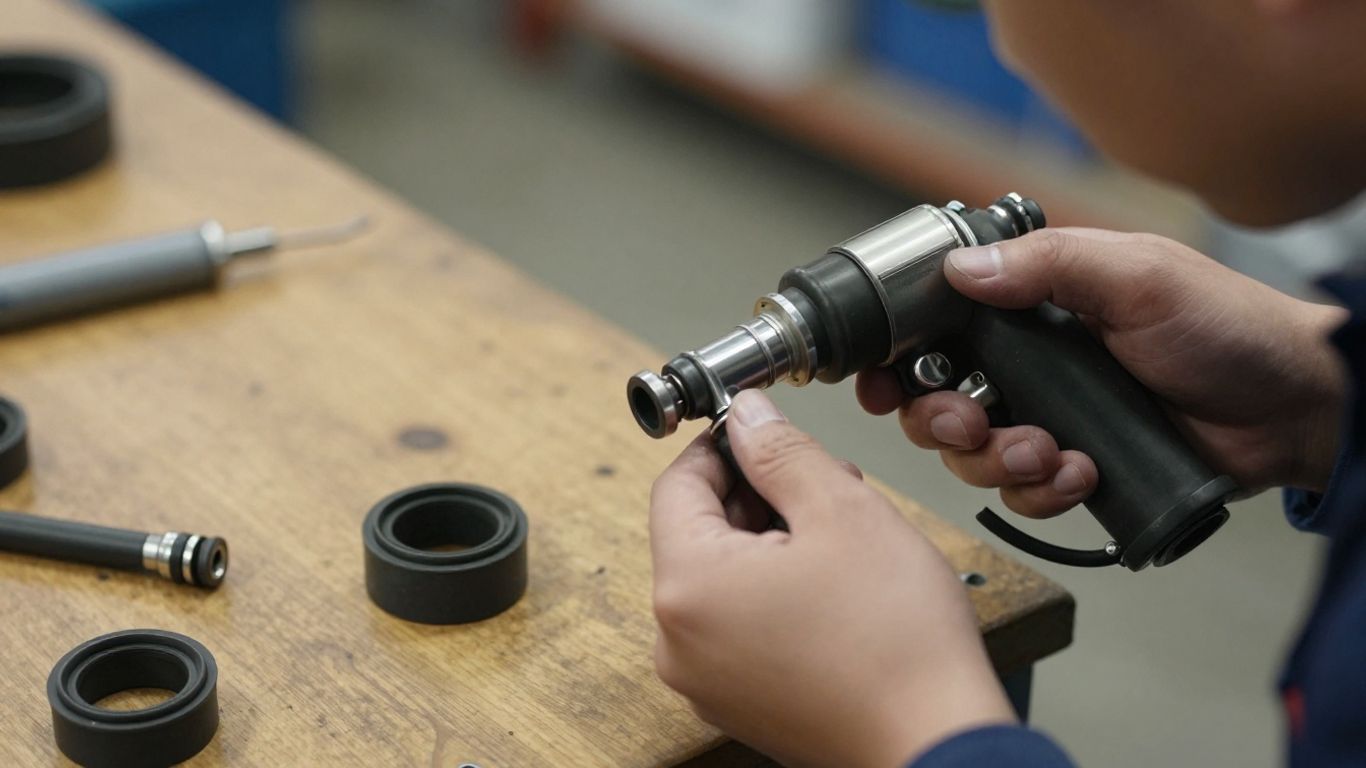
If you have acquired parts from a salvage yard, the first step is a thorough visual assessment under strong lighting. Always look for signs of previous heavy impact or handling damage that could warp the body of the housing.
Detecting O-ring degradation and potential fuel leaks
Old rubber seals often harden or crack over time due to heat cycles in the engine bay. If you notice brittle, crumbly material around the fuel rail interface, it is highly likely the injectors have lost their ability to maintain a proper vacuum and pressure seal.
Identifying signs of external corrosion or nozzle debris
Environmental exposure can leave rust or oxidized aluminum on the exterior, which can eventually spread to the electrical connections. Similarly, check the nozzle tip for carbon buildup or hardened fuel residue, which can disrupt the spray pattern and lead to an uneven air-fuel mixture.
Inspecting plastic pintle caps for cracking or melting
High temperatures near the engine cylinder head frequently cause these delicate components to deform or fracture during operation. A damaged cap should always be replaced before fitment to ensure the injector directs fuel into the intake stream effectively.
Understanding the importance of flow testing and calibration
A visual inspection cannot confirm how much fuel an injector delivers under actual load conditions. Expert services like reconditioned fuel injectors providers often use advanced equipment to ensure every component meets factory specifications.
What a professional flow bench report reveals about performance
Testing on a professional flow bench allows you to see the exact flow volume at different pressures and pulse intervals. You may find that some units deliver significantly more or less than their counterparts, indicating an internal clog or electronic fault that requires further adjustment.
Why matching flow rates is critical for engine efficiency
If one cylinder runs leaner than others because its injector flows poorly, the engine management system may struggle to maintain proper combustion in that chamber. You should aim for a set where the flow rates are within a tight tolerance, ensuring each cylinder receives identical fuel volume to maintain internal balance.
Interpreting pulse width and duty cycle data for your vehicle
These metrics provide insight into how hard the injectors are working relative to engine speed. By properly monitoring these data points, you can avoid over-taxing your fuel system and ensure you are choosing a set with the correct flow capacity for your intended horsepower ceiling.
Best practices for cleaning used fuel injectors
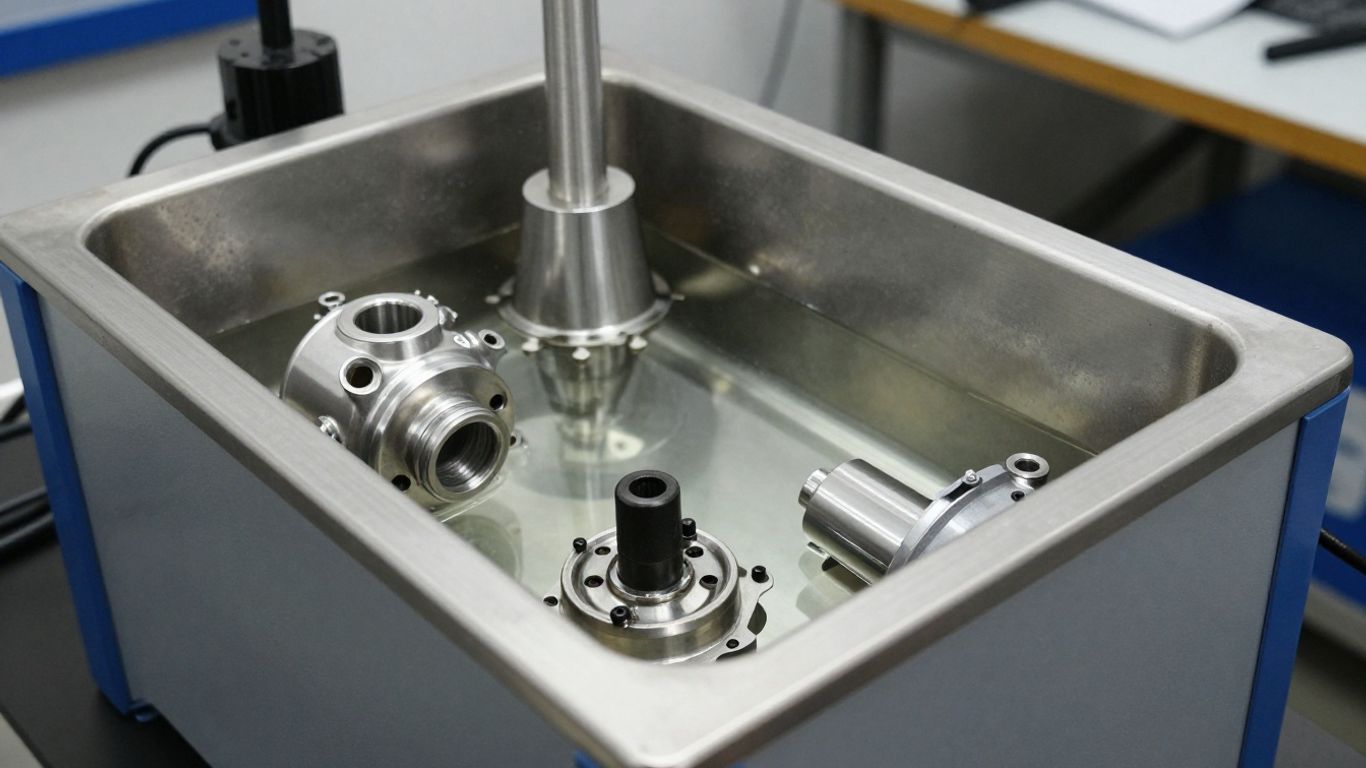
Restoring older components often turns a mediocre set into a perfectly functional, cost-effective solution for your fuel system. Many enthusiasts clean their parts using clean and tested techniques to remove years of carbon buildup.
Choosing the right ultrasonic cleaning solutions
The chemical bath should be specifically formulated to dissolve fuel deposits without damaging internal solenoid varnish or plastic casings. If you are aggressive with your chemical choice, you might inadvertently ruin the injector’s internal windings, so follow professional recommendations for the solvent type.
Replacing internal micro-filters for better fuel flow
Most injectors utilize a tiny basket filter inside the top inlet that traps debris before it hits the pintle valve. If this mesh is clogged, no amount of chemical cleaning will restore the flow, so you must carefully pull the old filters and press in fresh, clean ones.
Testing coil resistance after the restorative process
A multimeter check of the coil is the final step to ensuring the electrical side is still operational. You should perform a sequence of tests to confirm reliability:
- Measure cold resistance using a calibrated digital multimeter.
- Apply a 12V test pulse to verify the pintle clicks.
- Re-verify resistance after the injector reaches operating temperature.
Following these steps ensures that you have successfully bypassed common failure points and established a reliable baseline for long-term daily operation.
Guidelines for installing previously owned injectors
Once the components are clean and tested, the installation phase requires strict adherence to safety standards. Working with internal pressure is serious, so always disconnect the negative terminal of your battery before working on fuel-rail-related hardware.
Safety protocols for depressurizing the fuel system
Before you remove the old fuel rail, release the residual pressure trapped in the lines to avoid spraying fuel onto hot engine surfaces. Consult your vehicle’s service manual to locate the fuel pump fuse, then crank the engine until it stumbles and shuts off naturally.
Preparing the fuel rail ports and mounting surfaces
Dirt or grit left on the engine block mounting points can prevent the new injector O-rings from seating perfectly, causing a vacuum leak or high-pressure spray. Use a lint-free cloth and mild cleaner to clear the area, inspecting for any rough metal scuffs that could slice your new gaskets.
Ensuring proper torque specifications and gasket sealing
When securing the fuel rail back onto the cylinder head, use a torque wrench to ensure even clamping pressure across all mounting points. Uneven pressure can lead to fuel leakage or an unmetered air leak, significantly degrading your engine’s idle quality and overall efficiency.
When you should avoid buying used fuel injectors
While salvaged parts work wonders on many builds, some modern configurations are remarkably intolerant of variance. If your engine utilizes precise high-pressure direct injection technology, you should stick to new components, as these systems operate at extreme pressures where the margin for error is nonexistent.
Complexity of modern high-pressure direct injection systems
Modern injectors are intricate pieces of engineering designed to fire multiple times per combustion event. A standard salvage yard pull cannot replicate the environment these injectors require to verify their internal piezoelectric performance and wear characteristics, making the risk of failure too high for daily commuters.
Vehicles with highly sensitive ECU fuel trim requirements
If your engine management computer relies on extremely tight fuel trim windows to reach emissions targets, mismatched flow rates from a used set will trigger error codes. Often, the cost of the diagnostics required to fix these running issues exceeds the savings gained from buying salvaged parts.
The lack of manufacturer warranties on salvaged parts
When you buy from a private party or a yard, you assume all liability for the failure of that component. If a failure inside the engine occurs due to a faulty injector, the cost of the repair can dwarf the initial price of a brand-new set, highlighting why avoiding used parts is the only sensible choice for critical, high-performance engines.
Conclusion
Selecting and restoring salvaged fuel components requires a blend of technical patience and mechanical due diligence to ensure your engine runs safely. While the savings are enticing, prioritizing quality through professional testing and proper installation methods will protect your vehicle’s performance over the long term. By evaluating the specific needs of your engine and avoiding complex, high-pressure setups, you can successfully leverage the value of previously owned injectors to keep your project running smooth.
Frequently Asked Questions
Can I clean fuel injectors at home?
You can perform basic cleaning by using a 12V power supply to pulse the injector while pushing solvent through the assembly. This is often sufficient to clear minor clogs, provided you follow appropriate safety measures.
How long do fuel injectors typically last?
Most injectors are designed to last for over 150,000 miles under normal driving conditions. However, factor in the quality of the fuel used and the operating environment, as these variables can shorten the lifespan.
What are the symptoms of a bad fuel injector?
Common signs include rough engine idling, misfiring, or a noticeable decrease in fuel economy. You might also notice a drop in throttle responsiveness during acceleration sessions.
Should I always replace fuel injector O-rings?
Yes, you must always install fresh O-rings whenever you remove an injector. The old seals lose their elasticity and are likely to leak even if they appear intact during the removal process.
Is flow matching really necessary for me?
Unless you are building the engine for track use where every cylinder must balance perfectly, you can likely get away with a standard set. However, matching is highly recommended for any performance-tuned build.
How can I tell if an injector has failed electrically?
A multimeter check of the coil resistance will reveal the health of the internal wiring. An open circuit or a reading significantly outside the manufacturer’s specification indicates a fatal failure.
Are all fuel injectors compatible across different car brands?
No, injectors vary by flow rate, physical length, spray pattern, and electrical connector style. You must ensure the specific part number matches your vehicle’s original fuel system requirements.