
Key Takeaways
Transitioning to reclaimed home features can significantly reduce your carbon footprint. These points summarize the essential steps in finding, preparing, and installing these units.
- Prioritize local architectural salvage yards to reduce transport emissions.
- Distinguish between lightweight steel and heavy cast iron before structural evaluation.
- Always perform a professional pressure test to detect hidden fractures.
- Strip old hazardous paint in a controlled, ventilated environment.
- Match the BTU output of your unit to the specific room requirements.
Understanding the lifecycle of recycled radiators
Old heating hardware carries a history that spans several decades of home heating design. By choosing to reuse these components, you prevent perfectly viable metal from entering the waste stream as scrap.
Why repurposing radiators is environmentally friendly
Manufacturing a new radiator consumes substantial energy and raw material extraction. When you select recycled radiators for your home project, you are significantly lowering the overall embodied energy of your heating system. It helps turn potential landfill waste into functional, long-lasting home hardware.
Distinguishing between cast iron and steel models
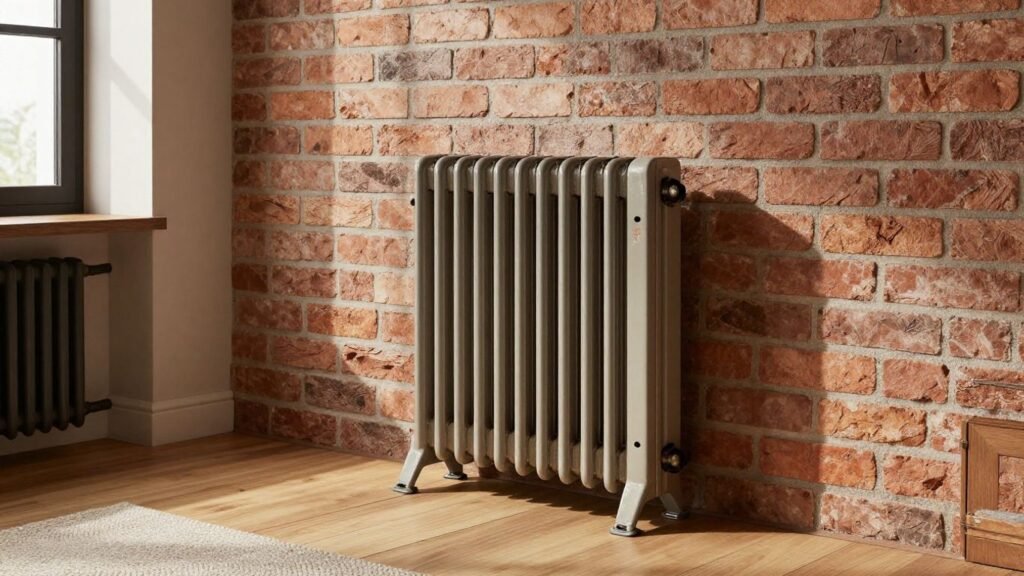
Cast iron radiators are prized for their thermal retention, keeping rooms warm long after the heating source has cycled off. In contrast, modern pressed steel units react much quicker to temperature changes but lose heat faster. Distinguishing between these materials is vital; cast iron needs robust mounting to handle its weight, while steel often involves simpler brackets.
The impact of radiator reuse on the circular economy
Keeping metal in use for as long as possible is a bedrock principle of sustainable construction. This process feeds back into the radiator recycling movement, where materials like copper and aluminum extracted from broken units are processed for future manufacturing. Every small decision to reclaim a vintage piece pushes the industry toward a more circular model.
Where to source high-quality recycled radiators
Finding the right hardware involves knowing where to look and how to evaluate the seller’s inventory.
Searching through architectural salvage yards
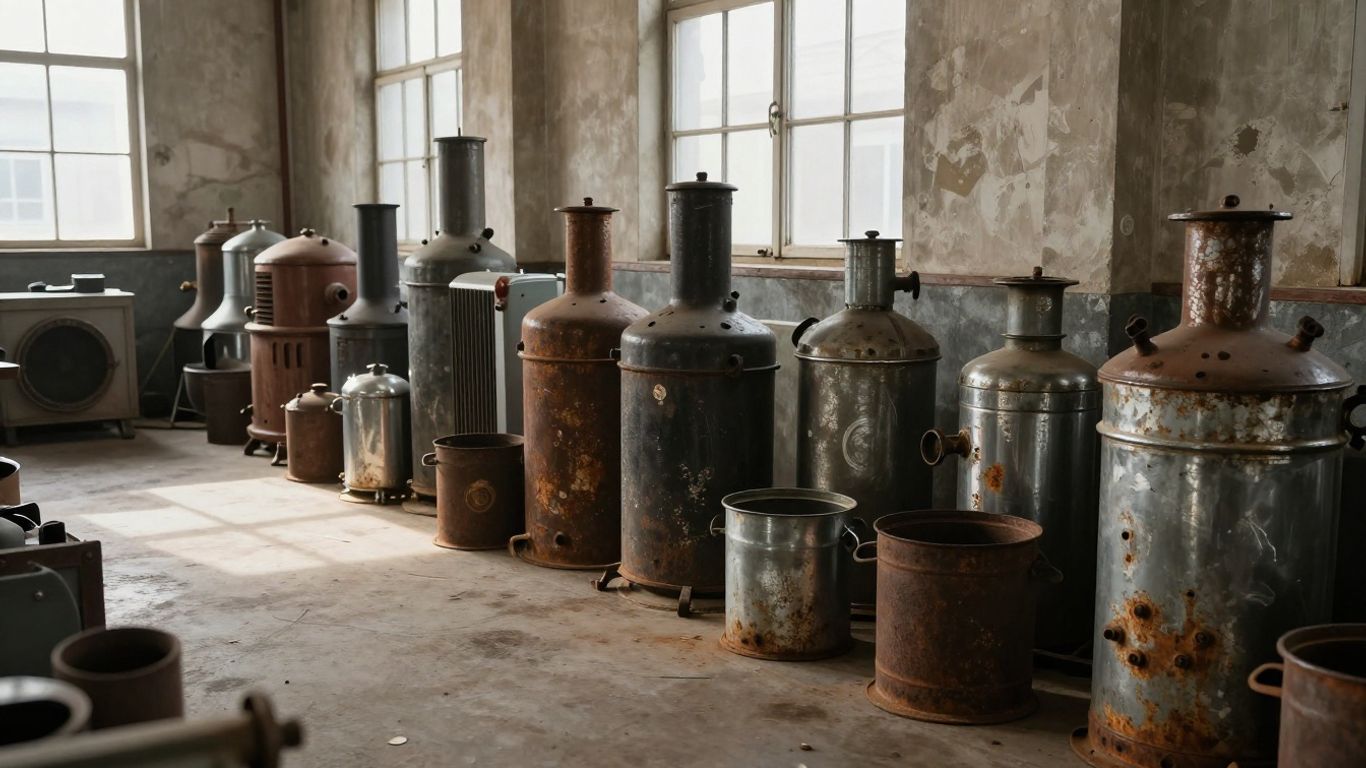
Local architectural salvage yards are excellent spots for finding one-of-a-kind vintage pieces. These yards often provide direct insight into the history of the materials you buy, ensuring you know exactly where a radiator originated from.
Buying from online marketplaces for reclaimed building materials
Online platforms have simplified the search for specific styles, allowing users to filter by height, width, and heat capacity. Follow this simple checklist when evaluating an online find:
- Check the high-resolution photos for signs of deep rust or cracks.
- Confirm the inlet and outlet pipe dimensions match your system.
- Request the exact manufacturer plate numbers if available.
- Vet the seller’s return policy for shipping damage on heavy items.
Such diligent checking helps minimize risks before your shipment arrives.
Identifying reputable radiator restoration companies
Specialized businesses can help if you are not prepared for a full DIY restoration. If you prefer a turnkey experience, Reclaimed Radiators maintains a vast selection of antique hardware that has been professionally prepared for immediate use in modern home environments.
Restoring vintage recycled radiators for modern homes
Restoration is a rewarding task that bridges the gap between historical aesthetics and modern comfort. The goal is to safely rehabilitate the metal so it can serve another century in your home.
How to strip old paint layers safely
Removing decades of lead-based paint requires strict adherence to safety protocols since sanding can release harmful dust. Use a chemical stripper designed for metal to minimize particulate scatter, keeping the old finish contained until it can be disposed of as hazardous material.
Repairing leaks and replacing internal valves
An essential step for long-term reliability is checking the integrity of the internal valves. Even a structurally sound shell can weep water if the connecting hardware is corroded or brittle, so replacing seals is standard practice during any heavy restoration.
Modern finishing techniques and powder coating
Once the metal is clean, modern powder coating offers a durable, high-heat finish that mimics traditional aesthetics while providing superior resistance to wear. You can pick from an array of colors to match your interior design scheme precisely.
Performance and heating efficiency considerations
Older parts must integrate seamlessly with newer piping and boiler technologies to be effective.
Performing pressure tests before installation
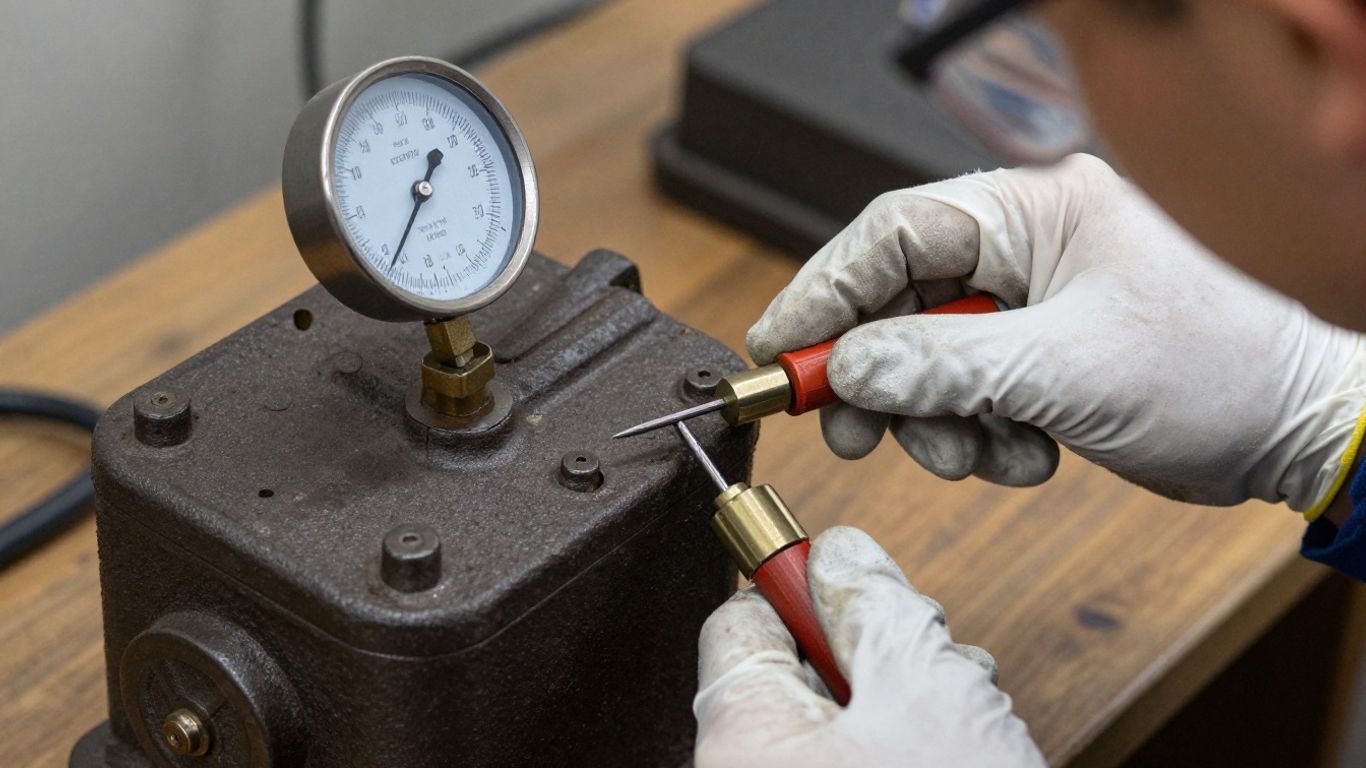
Before mounting hardware in your living space, a professional must perform a pressure test. This involves isolating the unit and pumping in water at a higher pressure than your typical home heating loop to flush out any hidden micro-fractures.
Compatibility with contemporary central heating systems
| Feature | Cast Iron | Pressed Steel |
|---|---|---|
| Thermal Retention | Excellent | Moderate |
| System Weight | Very Heavy | Lightweight |
| Heating Response | Slow | Fast |
Selecting the right material ensures the radiator operates optimally with modern condensing boilers, maintaining comfort without stressing your system. While Sutter Metals Recycling provides insights on when a unit is too far gone to be salvaged, reputable engineering support helps you bridge different eras of plumbing innovation.
Calculating BTU output for room-specific requirements
Calculating the British Thermal Units (BTU) required for each room ensures you are not under-heating your space. A radiator that is too small for the room square footage will force your boiler to work harder than necessary, which ruins efficiency regardless of how "green" the hardware choice might be.
Safety tips for handling reclaimed plumbing components
Plumbing components are prone to structural fatigue, requiring a careful, analytical approach to installation.
Assessing the structural integrity of aged metal
Tap the metal to listen for hollow sounds that might indicate internal pitting or thin spots. If the metal walls have worn down substantially, they may not be able to handle the high pressures of a closed, pressurized central heating loop.
Managing potential hazards like lead-based paint
Always assume older coatings contain toxic lead until a test kit proves otherwise. Work in a well-ventilated space and wear appropriate protection to ensure you are not inhaling or ingesting paint particles.
Professional inspection requirements for plumbing safety
Plumbing modifications are governed by local building codes for a reason. Having a certified plumber review your configuration ensures that the salvaged hardware won’t compromise your existing plumbing infrastructure.
Creative design ideas for recycled radiators
Turning non-functional radiators into statement wall art
If a piece is beyond repair for heating purposes, it can still function as a geometric wall sculpture. Sandblasting the metal back to raw silver creates a compelling industrial aesthetic that anchors any room with a unique sense of history.
Utilizing salvaged units as bathroom towel warmers
Plumbing small, narrow vintage units into bathroom lines makes for a charming, effective towel warmer. The gentle heat radiating from the iron ensures moisture is kept at bay while providing a cozy, high-end feel.
Converting antique hardware into functional home centerpieces
Repurposing these units into side tables or fireplace screens provides a practical way to keep the aesthetic of the piece alive without needing a connection to the heating loop. It allows for creative use of materials that would otherwise be discarded.
Conclusion
Integrating recycled radiators into your home renovation provides a unique combination of aesthetic depth, historical character, and environmental responsibility. By carefully vetting each piece for structural reliability and ensuring proper integration with your existing heating system, you can extend the service life of these engineering marvels while enhancing your living space, making a sustainable choice that honors the craftsmanship of previous generations.
Frequently Asked Questions
How often do recycled radiators need maintenance?
Like any heating system, they should be bled annually to remove air traps and inspected for minor leaks or valve stiffness at the end of each winter season.
Can any radiator be installed in any room?
Not necessarily, as you must match the BTU output to the specific square footage and insulation level of the target room to ensure an even distribution of heat.
Are old cast iron radiators safe for modern boiler systems?
Yes, but they must be properly cleaned and pressure-tested, and you might need an installer familiar with regulating flows to ensure compatibility with high-pressure boilers.
What is the primary cause of radiator failure in salvaged units?
Internal corrosion or "sludge" build-up is the most common issue, which is why a thorough chemical flush and physical inspection are critical before install.
Is it easy to get matching replacement valves for antique units?
Many specialized companies carry modern valves that are designed to fit the thread patterns of older systems, making it straightforward to match aesthetic vintage look with reliable performance.
Can you paint recycled radiators any color?
Yes, provided you use a high-heat paint that is specifically rated for cast iron or steel radiators, which prevents bubbling or peeling when the unit gets hot.
What do I do if my recycled radiator is leaking?
Immediately turn off the inlet and outlet valves to isolate the unit from the system and call a qualified heating engineer to determine if the leak is from a simple valve seal or a compromised metal wall.