
Key Takeaways
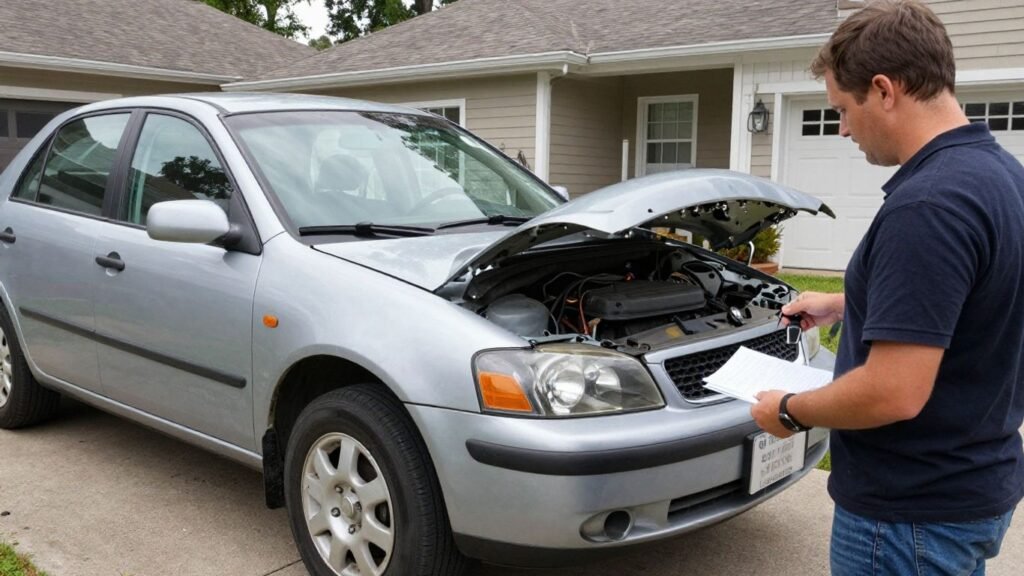
Selling an unwanted vehicle can be straightforward when you know what information to gather and what questions to ask before pickup.
- Request quotes using accurate details about the car’s condition.
- Confirm the final price, towing arrangements, and payment method in writing.
- Check title and transfer requirements before scheduling removal.
- Remove personal property, plates, toll tags, and sensitive paperwork.
- Compare offers and watch for fees that reduce the amount you receive.
How the scrap car selling process works
The process usually starts with a few basic vehicle details and ends with a scheduled handoff. If you are searching for a buyer that says “we buy scrap cars for cash,” treat the phrase as an invitation to compare terms, not as proof that an offer is fair. A little preparation makes the conversation faster and helps prevent surprises later.
Requesting an initial quote
An initial quote is generally based on the car’s location, identity, and broad condition. You may be asked whether it runs, whether major parts are missing, and whether the vehicle has been damaged by a collision, flood, or fire. Photos can also help a buyer understand what a short description leaves out.
Ask whether the quote is guaranteed for a stated period and whether it assumes the car is complete. A low-pressure quote should give you enough information to decide whether continuing is worthwhile; you should not need to hand over the title before understanding the basic terms.
Sharing your car’s make, model, year, and condition
Be precise when describing the vehicle. Give the make, model, model year, approximate mileage if known, location, title status, and any problem that affects loading or transport. Mention flat tires, missing wheels, locked steering, or a car parked in a tight space because those details can change the equipment needed for pickup.
It is better to disclose a serious problem than to hope it will go unnoticed. An offer based on accurate information is more likely to remain stable when the tow operator arrives.
Confirming the final offer
Before accepting, ask for the complete amount you will receive and the conditions attached to it. Confirm whether towing, paperwork, administrative charges, or deductions for missing parts are included. A written text or email can be useful because it gives both sides a clear reference.
The final offer should match the vehicle description you provided. If the buyer changes the price at the last moment without a genuine difference in condition, pause the transaction rather than feeling pressured to agree.
Scheduling pickup and payment
Choose a pickup window that gives you time to gather documents and clear access to the vehicle. Confirm the pickup address, contact number, expected arrival range, and payment method before the appointment. Some buyers coordinate towing themselves, while others use a third-party operator, so ask who will arrive.
For another perspective on selling an unwanted vehicle, this junk car selling guide discusses options such as selling a car outright or parting it out. Those alternatives may be worth considering when the car contains unusually valuable components.
Which cars qualify for scrap cash
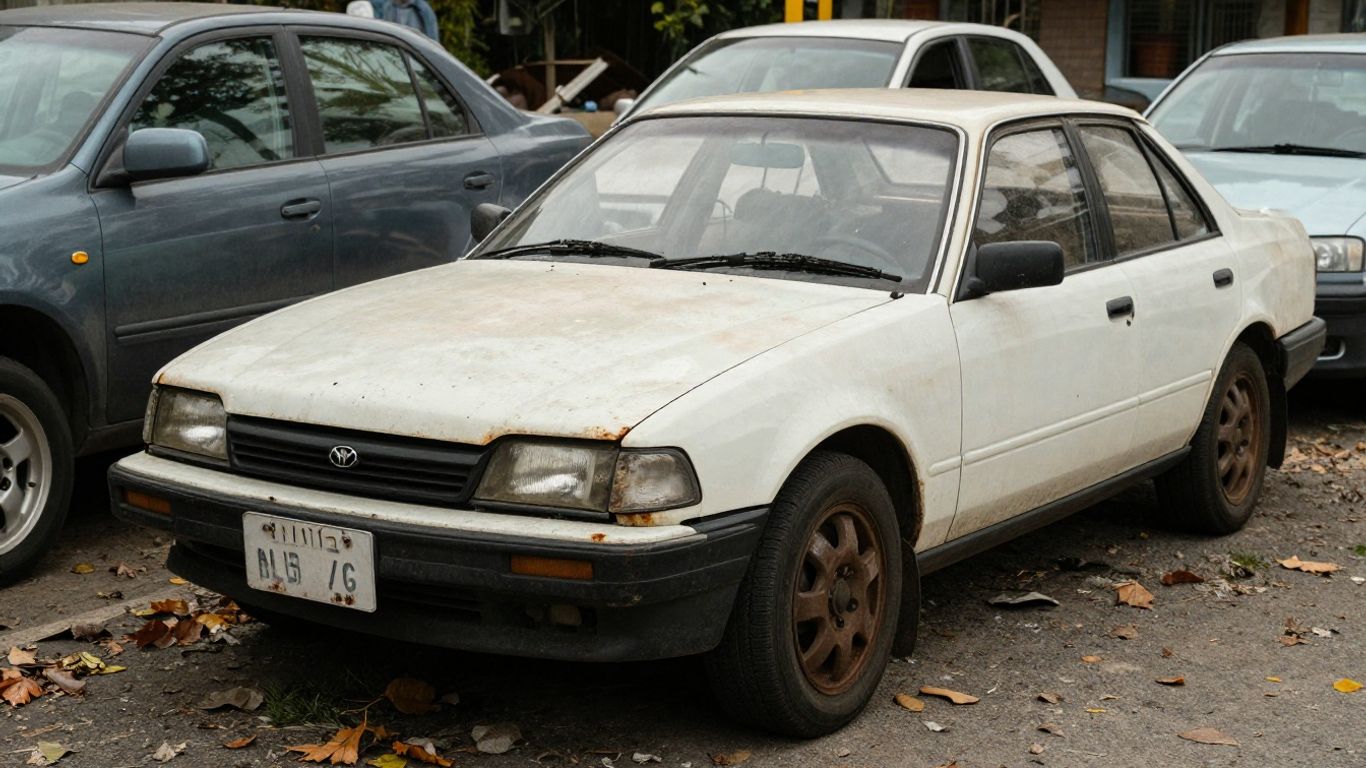
Scrap buyers commonly assess vehicles by their recoverable material, usable parts, and handling cost rather than by retail condition. That means a car does not have to be drivable to be worth something. Still, acceptance and value depend on local rules, title status, completeness, and the buyer’s current demand.
Damaged, wrecked, and non-running vehicles
A vehicle that will not start can still have value in its metal, catalytic converter, engine, transmission, wheels, or other components. Wrecked cars may also be accepted when the frame or body is badly damaged, although the location and severity of the damage affect loading and price.
Describe the condition plainly and explain how the car can be accessed. A non-running vehicle behind a gate may require a different pickup approach from one parked on a driveway.
Older cars with expensive repairs
An older car can become a practical scrap candidate when repairs cost more than the vehicle is worth. Rust, repeated breakdowns, unavailable parts, and failing emissions equipment may all make continued ownership difficult. You do not need to repair every problem before asking for an estimate.
Compare the expected repair bill with the likely sale price, insurance costs, registration, and the time involved in finding a private buyer. Sometimes a clean exit is worth more than another round of repairs.
Cars missing parts or with major mechanical issues
Missing wheels, batteries, body panels, or drivetrain components may reduce the offer, but they do not automatically make the car unacceptable. The buyer needs to know what has been removed so the quote reflects the vehicle as it sits. Major mechanical failures should be described even when the rest of the car appears complete.
A vehicle that has already been partially dismantled may be priced mainly as scrap. A complete car with reusable parts may receive a different assessment.
Vehicles with salvage or junk titles
Salvage and junk titles signal that the vehicle has a particular history and may not be suitable for normal road use. They can still support a sale, but the title must be handled correctly and the buyer may ask for records explaining the vehicle’s status.
Do not assume every state uses these terms in the same way. Ask the buyer what documentation is required locally before arranging transport, especially if the title has branding or restrictions.
What determines your scrap car’s value
A scrap-car offer is usually a blend of material value, parts demand, condition, and logistics. Metal prices can move, and the same vehicle may receive different offers from buyers with different facilities or transport costs. The goal is not to guess a universal price but to understand what is influencing the number in front of you.
Weight and current metal prices
Heavier vehicles often contain more recoverable metal, but weight is only one part of the calculation. Processing costs, fluid handling, market demand, and the buyer’s current inventory also matter. A quote may therefore differ from a simple estimate based on the vehicle’s curb weight.
Ask whether the offer is primarily for scrap value or includes an allowance for parts. That distinction helps you compare similar quotes rather than comparing unlike calculations.
Make, model, age, and demand for parts
Certain makes and models may have components that are easier to resell or harder to source. Age can work in either direction: a newer damaged vehicle may have desirable parts, while an older model may contain less marketable equipment. Demand is local and changes over time.
If you know the car has a sought-after engine, transmission, wheels, or electronics, mention that fact without overstating its condition. The buyer can then decide whether those components affect the offer.
Vehicle condition and usable components
Completeness and condition influence how much work is needed before materials or parts can be recovered. A car with intact components may be worth more than one that has been stripped, even if both are the same model. Flood, fire, and severe corrosion can also limit what is reusable.
The following comparison shows why two vehicles with similar appearances may receive different offers:
| Factor | May support a higher offer | May reduce the offer |
|---|---|---|
| Completeness | Engine, transmission, wheels, and panels remain | Valuable parts are missing |
| Accessibility | Easy driveway or roadside loading | Tight, blocked, or unsafe location |
| Condition | Reusable components are intact | Fire, flood, or severe corrosion damage |
| Paperwork | Clear ownership and transferable title | Missing, damaged, or restricted documents |
Use the table as a question guide when reviewing an offer. It does not produce a price by itself, but it helps you ask why one quote is higher or lower than another.
Location, towing distance, and local market factors
Distance to the buyer, local towing availability, and regional demand can all affect the net amount. A buyer may offer more for a vehicle that is close to its facility and less for one that requires specialized equipment or a long trip. Ask whether the quoted figure is the amount you receive after transport.
For local-market context, you can review this junk car pricing process, which describes a photo-and-bidding approach for unwanted vehicles. Treat any outside example as background rather than a promise about your own car.
What documents you need to sell your car
Paperwork is often the part that slows down an otherwise simple sale. Requirements vary by state, vehicle type, title status, and whether a lien appears in the records. Gather what you have early, then verify the exact transfer steps with the buyer or your state motor-vehicle agency.

Proof of ownership and title requirements
A title is commonly used to show that you have the right to sell the vehicle. Check that the owner name is correct, all required signatures are available, and there are no unexplained alterations. Do not sign blank forms or leave the title with someone who cannot explain how it will be processed.
Some jurisdictions allow alternative documents in limited circumstances, but that is not something to assume. Ask what will be accepted before pickup.
Registration, identification, and lien information
A buyer may request current registration and government-issued identification in addition to the title. If a lender or other lienholder is listed, the lien generally needs to be released or addressed before ownership can be transferred. The buyer may ask for a payoff statement or lien-release document.
Keep copies or clear photographs of documents you submit, while storing originals securely until the transaction is ready to close.
Handling a lost or damaged title
If the title is missing or damaged, contact the motor-vehicle agency that issued it to ask about a replacement. The process may require identification, registration records, a title application, or other proof of ownership. Processing times and fees vary.
Tell the buyer about the issue at the start. A buyer may know an acceptable local process, but that does not remove your responsibility to establish ownership.
State-specific paperwork and transfer rules
State rules can cover title surrender, license plates, odometer disclosures, release-of-liability notices, and reporting a sale. Even nearby states may handle these details differently. Write down which agency receives each form and when it must be filed.
A useful general rule is to complete the ownership transfer promptly and retain the receipt or confirmation. That record can help if parking tickets, tolls, or other notices appear after the car leaves your possession.
How to prepare your car for pickup
Preparation protects your privacy and helps the tow operator complete the job without delay. Walk around the vehicle once before pickup, including the trunk, glove box, center console, and areas beneath seats. If the car has been sitting for a while, allow extra time to check for paperwork and personal items.
Removing personal belongings and important documents
Take out insurance papers, maintenance receipts, registration cards, garage remotes, tools, electronics, and anything stored in the trunk. Check for prescription information, mail, and other documents that could expose your identity. A final sweep is worthwhile because items left behind may be difficult to recover.
Also remove aftermarket accessories you plan to keep, provided doing so does not create a safety issue or violate the agreed condition of sale.
Taking out license plates and toll tags
License-plate and toll-transponder rules differ by location, so confirm what to do before the tow. In many places, plates must be removed or returned separately, while toll tags should be taken out to prevent future charges. Ask the relevant agency if you are unsure.
Do not leave a toll tag attached simply because the vehicle is no longer driven. The account may continue to associate future toll activity with you until the tag is removed or deactivated.
Gathering keys, parts, and service records
Collect every key, remote, wheel-lock adapter, and removable part that belongs with the vehicle. Service records are optional in many scrap transactions, but they can clarify the car’s history and help identify recent repairs. If you have manuals or receipts, place them together rather than searching during pickup.
Make a short inventory of what is being handed over. That is especially useful when the car has extra wheels, a replacement engine, or loose components stored nearby.
Confirming access for the tow truck
Make sure the tow route is open and the vehicle is not blocked by another car, a locked gate, low branches, or construction materials. Tell the buyer about narrow driveways, underground parking, steep slopes, and any issue that could prevent a standard tow truck from reaching the car.
If access changes before the appointment, call promptly. Clear information gives the operator a chance to bring suitable equipment or reschedule without wasting a trip.
How payment and towing typically work
Payment and removal are often handled during the same appointment, but the details should be settled beforehand. Ask who is towing the vehicle, what happens if the vehicle differs from the description, and when payment is released. Written terms prevent confusion when several people are involved.
Choosing between cash, check, and electronic payment
Payment may be offered as cash, a check, or an electronic transfer, depending on the buyer and local rules. Confirm the exact method, timing, and amount before signing over ownership. If a check is used, ask when funds are expected to clear and keep the transaction record.
Never accept a lower amount simply because the payment method was changed without warning. A last-minute change deserves an explanation and, if necessary, a pause.
Verifying whether free towing is included
“Free towing” should mean that the agreed removal cost does not come out of your payment, but you should verify the wording. Ask whether there are extra charges for distance, difficult access, winching, storage, or a failed pickup. The answer should be clear before the truck arrives.
A quote that sounds high can become less attractive if towing is deducted later. Compare the net amount you will receive, not just the headline offer.
Understanding pickup timing and cancellation terms
Get an arrival window rather than relying on a vague promise that the truck will come sometime that day. Ask how delays are communicated and whether either party can cancel without a charge. If weather or access conditions make pickup unsafe, rescheduling may be the sensible choice.
Keep your phone available during the window and make sure the person meeting the driver has authority to complete the handoff.
Checking the vehicle handoff before payment
Before the vehicle is loaded, compare its condition with the description used for the quote. Confirm the final amount, remove any last personal items, and review the paperwork being signed. Take a few photographs of the car and the handoff for your records.
Once payment and transfer are complete, retain the receipt, confirmation number, or signed copy. Those simple records can make follow-up much easier.
How to avoid scams when selling a scrap car
Most problems can be reduced by slowing down long enough to verify the offer and the buyer. Be wary of urgency, vague deductions, requests for unusual upfront payments, or pressure to sign incomplete paperwork. A legitimate transaction should leave you with understandable terms and a record of what happened.
Comparing multiple offers
Request several quotes using the same vehicle details so the comparison is fair. Ask each buyer for the net amount after towing and any stated fees. A slightly lower offer with clear terms may be preferable to a higher number that changes at pickup.
When researching the process online, a general cash-for-junk-cars overview can help you identify the usual sequence of quote, acceptance, removal, and payment. Use it as a reference, then verify the details of the buyer you actually choose.
Watching for hidden towing or processing fees
Ask directly about every deduction before accepting an offer. Common points to clarify include towing, storage, title processing, cancellation, and charges for missing parts. Have the buyer state whether the quoted amount is gross or net.
If fees appear only after the truck arrives, you are allowed to stop and reconsider. Do not let the presence of a tow truck turn an unclear agreement into an obligation.
Confirming the buyer’s business details
Check the buyer’s legal business name, phone number, physical address, and any required license or salvage authorization. Search for consistent contact information and read reviews with a critical eye rather than relying on one testimonial. Ask who will be listed on the transfer documents.
If you are researching vehicle businesses more broadly, automotive social media marketing is a separate topic that may help explain how dealerships build online visibility; it should not be confused with proof that a particular scrap buyer is trustworthy.
Protecting your title and personal information
Give only the information needed to complete the sale. Do not send unnecessary copies of your identification, banking credentials, or account passwords. Keep a record of the title transfer, remove plates and toll tags as required, and report the sale to the appropriate agency.
Be especially cautious if someone asks you to sign a blank title, backdate a document, or leave ownership information incomplete. If the terms feel rushed or evasive, walk away and find a buyer willing to explain the process.
Conclusion
Selling a scrap car for cash is easier when you treat it as a documented transaction: describe the vehicle honestly, compare net offers, verify the paperwork, prepare the pickup area, and keep records after the handoff. Those steps can help you move on from an unwanted car without sacrificing privacy or clarity.
Frequently Asked Questions
Can I sell a car that does not run?
Often, yes. Non-running vehicles may still have value in their metal and usable parts, although loading requirements and condition can affect the offer.
Do I need the title to sell a scrap car?
Many transactions require proof of ownership, but exact requirements vary by state and vehicle status. Ask the buyer and the relevant motor-vehicle agency what alternatives are accepted.
How much is a scrap car worth?
Value depends on weight, metal prices, parts demand, completeness, condition, location, towing needs, and paperwork. Multiple quotes can give you a more realistic range.
Is towing usually included?
Some buyers include towing, while others deduct transport or special-access costs. Confirm that the quoted amount is the net payment you will receive.
Should I remove the license plates?
Check your state’s rules. Plates and toll tags may need to be removed, returned, or deactivated after the vehicle is sold.
What should I do before the tow truck arrives?
Remove personal belongings, gather keys and documents, photograph the vehicle, clear access, and confirm the payment and transfer terms.
How can I avoid a last-minute price reduction?
Describe the car accurately, disclose missing parts and access problems, get the offer in writing, and ask what circumstances could change the price before scheduling pickup.