Key Takeaways
Choosing among engine dismantlers Melbourne drivers can trust takes more than comparing the first prices that appear online. Confirm the exact part, its history, the warranty, and the installation plan before paying.
- Match the replacement engine to the vehicle using its VIN and engine code.
- Ask whether the component is tested, rebuilt, reconditioned, or sold as-is.
- Compare the complete cost, including transport, labour, fluids, and related parts.
- Check return terms and warranty coverage in writing.
- Use a qualified mechanic for compatibility checks and installation.
Understand what engine dismantlers Melbourne businesses provide
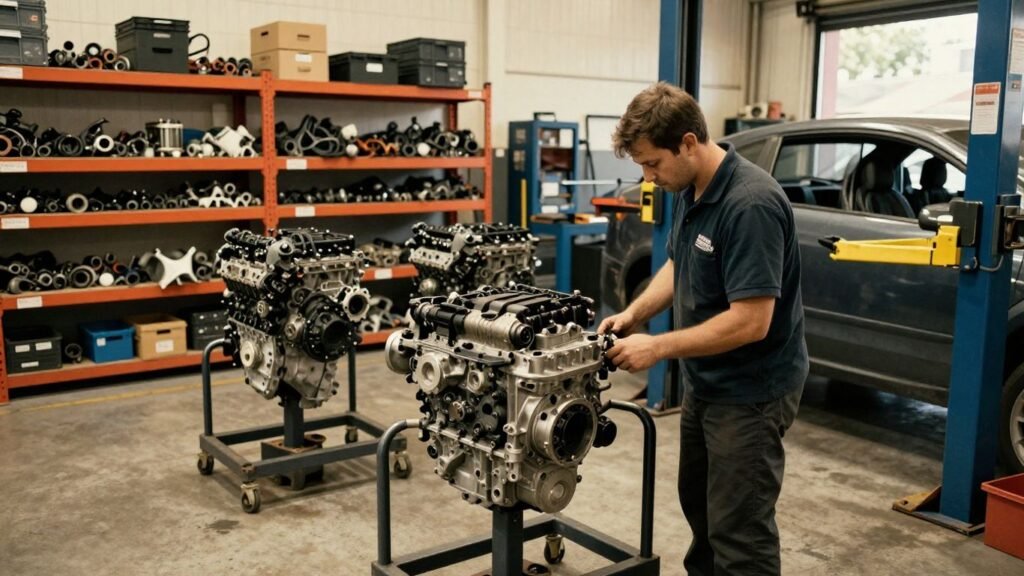
Engine dismantlers do more than remove motors from unwanted vehicles. Depending on the business, they may inspect, store, and sell complete engines, smaller mechanical parts, electrical components, and body items. Some also arrange delivery or collection, while others focus mainly on dismantling and local sales. Understanding that range helps you ask for the right service instead of assuming every yard works the same way.
Used, rebuilt, and reconditioned engines
A used engine is generally removed from a donor vehicle and sold in its existing condition, subject to whatever checks the seller performs. A rebuilt or reconditioned engine has had some level of disassembly, inspection, and replacement work, but the terms are not interchangeable between businesses. Ask for a written description of what was tested or replaced. That detail is more useful than a broad label such as “good condition.”
Parts recovery and vehicle recycling
Dismantling can recover serviceable engines, gearboxes, alternators, sensors, wheels, interior pieces, and other components before a vehicle is recycled. This gives a damaged or end-of-life car another practical use and can make less common parts easier to find. For online research, recycled auto parts can help illustrate how used components may be offered for pickup or delivery, although you should still verify local fitment and seller terms.
Services for domestic, European, and performance vehicles
The depth of stock varies considerably by make and model. One dismantler may handle a broad mix of domestic vehicles, while another may have stronger knowledge of European cars or particular performance platforms. A business listing German Wreckers Melbourne may be relevant when researching used components for German makes, but the same checks still apply: confirm the exact code, condition, and return policy before ordering.
When dismantling is more practical than repairing
Dismantling is often worth considering when the original engine has severe internal damage, extensive corrosion, or a repair estimate that approaches the vehicle’s value. It can also make sense when a replacement unit is readily available and the car is otherwise sound. Repair remains preferable when the fault is limited and the engine’s history is known. A mechanic’s diagnosis should guide that decision rather than a parts-yard price alone.
Identify the engine or part you need
Correct identification is the foundation of a sensible purchase. The same model name may cover several engines, transmissions, wiring arrangements, and equipment levels. Give the dismantler more than a year and badge whenever possible. The clearer your information, the less likely you are to receive a part that looks right but cannot be installed without expensive modifications.
Matching the make, model, and build year
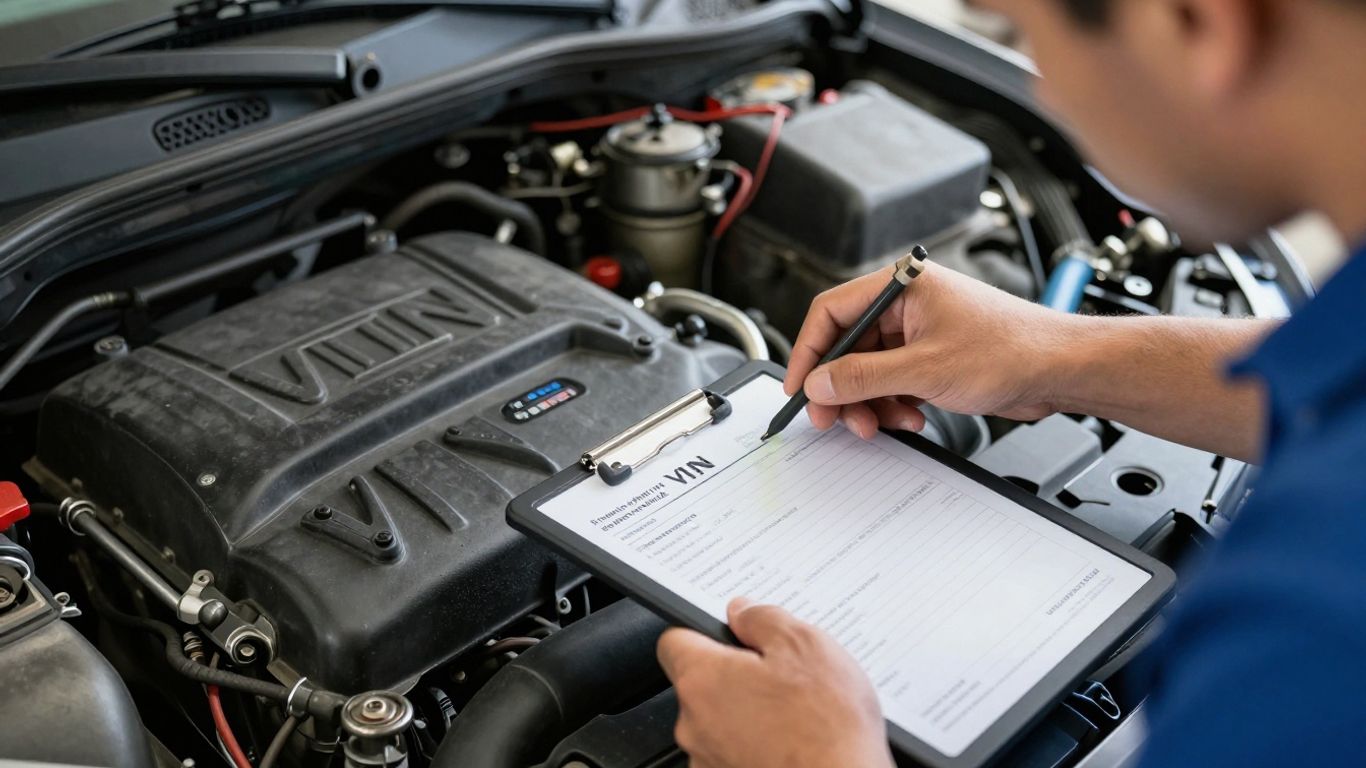
Start with the vehicle identification plate, registration details, and the build month or year. Facelifts and mid-year changes can introduce different engine management systems or mounting points. Record the engine size, fuel type, transmission, and drive layout as well. These details narrow the search before anyone promises that a unit is compatible.
Using engine codes and VIN details
The engine code is usually more precise than a marketing name such as “2.0 diesel.” Provide the complete VIN so the seller can cross-check the vehicle’s original specification, but do not treat a VIN check as a substitute for physical verification. If the replacement comes from another variant, ask which components must be transferred from your existing engine.
Checking compatibility with transmissions and electronics
A replacement engine may physically fit while still needing different sensors, an ECU, wiring, intake parts, exhaust equipment, or a matching transmission. Ask whether the quoted unit includes its manifolds, injectors, turbocharger, starter, alternator, and sensors. Compatibility is a system question, not simply a question of whether the block fits between the mounts.
Confirming left-hand-drive or right-hand-drive requirements
Most Melbourne vehicles are right-hand drive, but imported cars can have unusual layouts and equipment. Steering position can affect clearances, wiring routes, accessory arrangements, and ancillary parts around the engine bay. If the vehicle is imported or modified, send photographs and the VIN before collection. That extra step can prevent an awkward discovery after the engine is already on a hoist.
Evaluate the condition and history of a replacement engine
A used engine should be assessed as a mechanical component with a history, not as a simple box of parts. Ask what the dismantler knows about the donor vehicle and what testing was actually completed. If no inspection report exists, the price should reflect that uncertainty. Written evidence matters when two apparently similar engines carry very different risks.
Reading compression and inspection reports
Compression figures, oil-pressure results, leak-down readings, and a visual inspection can provide useful evidence, but only when you know how and when they were obtained. Ask whether the engine was tested cold or warm, whether the figures were recorded for every cylinder, and whether any faults were found. A report should identify limitations rather than imply that testing makes a used engine equivalent to a new one.
Asking about mileage and donor vehicle history
Mileage is helpful but rarely tells the whole story. A high-mileage engine from a well-maintained vehicle may be a better prospect than a low-mileage unit exposed to overheating, poor servicing, or long periods of inactivity. Ask why the donor vehicle was dismantled, whether it ran before removal, and whether service records or auction information are available.
Comparing tested, rebuilt, and as-is components
These categories should be compared separately because they carry different levels of information and risk. A tested engine may have passed specified checks without receiving internal refurbishment. A rebuilt engine may include replaced bearings, seals, or gaskets, but you need the scope of work. An as-is unit can be economical for an experienced buyer, though it requires a much stronger contingency budget.
Understanding common wear points and hidden defects
Look for oil sludge, coolant contamination, damaged threads, corrosion around electrical connectors, cracked plastic fittings, and evidence of previous overheating. Turbochargers, timing components, seals, injectors, and cooling accessories may not be included or may need separate inspection. A careful pre-installation check is usually cheaper than discovering a hidden defect once labour has been paid.
Compare pricing, warranties, and total costs
The advertised engine price is only one part of the transaction. Transport, removal of the old unit, installation, fluids, filters, programming, and replacement hoses can change the final figure substantially. Ask for an itemised quote and compare like with like. A lower price is not necessarily better if it excludes the parts needed to make the vehicle run reliably.
Breaking down the quoted engine price
Ask whether the amount covers the long block, complete engine, or a bare assembly. Clarify whether a refundable core charge applies and whether the old engine must be returned. Also check whether taxes, loading fees, and delivery are included. A quote that names exactly what is being sold is easier to compare than a headline price with several assumptions hidden behind it.
Checking included accessories and components
Accessories can include the intake, exhaust manifold, fuel system, turbocharger, starter motor, alternator, compressor, sensors, and engine mounts. Some sellers supply only the main assembly because the vehicle’s original accessories are expected to be transferred. A useful parts list should state what is included, what is excluded, and what the mechanic recommends replacing during the swap.
Reviewing warranty length and coverage
A warranty may cover the engine assembly but exclude labour, accessories, overheating, incorrect installation, lack of maintenance, or continued use after a warning sign appears. Read the claim process before purchase, including any required installer qualifications and service intervals. The HollanderParts marketplace information, for example, describes used parts with a standard warranty and return period, but buyers should confirm the specific supplier’s terms rather than assume every listing has identical coverage.
Accounting for delivery, fitting, fluids, and labour
The final budget should include collection or freight, hoist time, oil and coolant, filters, seals, belts, hoses, refrigerant work, diagnostic scans, and possible ECU programming. Installation can also reveal worn clutch, cooling, or exhaust components. Use a written estimate from the mechanic so the dismantler’s quote and the workshop’s quote can be considered together.
A simple comparison table can keep those differences visible:
| Cost area | What to confirm | Why it matters |
|---|---|---|
| Engine assembly | Long block or complete unit | Defines what still needs to be transferred |
| Testing or refurbishment | Tests performed and parts replaced | Indicates the level of known condition |
| Warranty | Duration, exclusions, and claim process | Shows the practical protection offered |
| Transport | Freight, loading, and delivery access | Prevents unexpected logistics charges |
| Installation | Labour, fluids, programming, and parts | Reveals the realistic finished cost |
After filling in the table, compare the risk as well as the dollar amount. A documented, compatible unit with a clear warranty may be the more economical choice even when its initial price is higher.
Check dismantler credentials and customer service
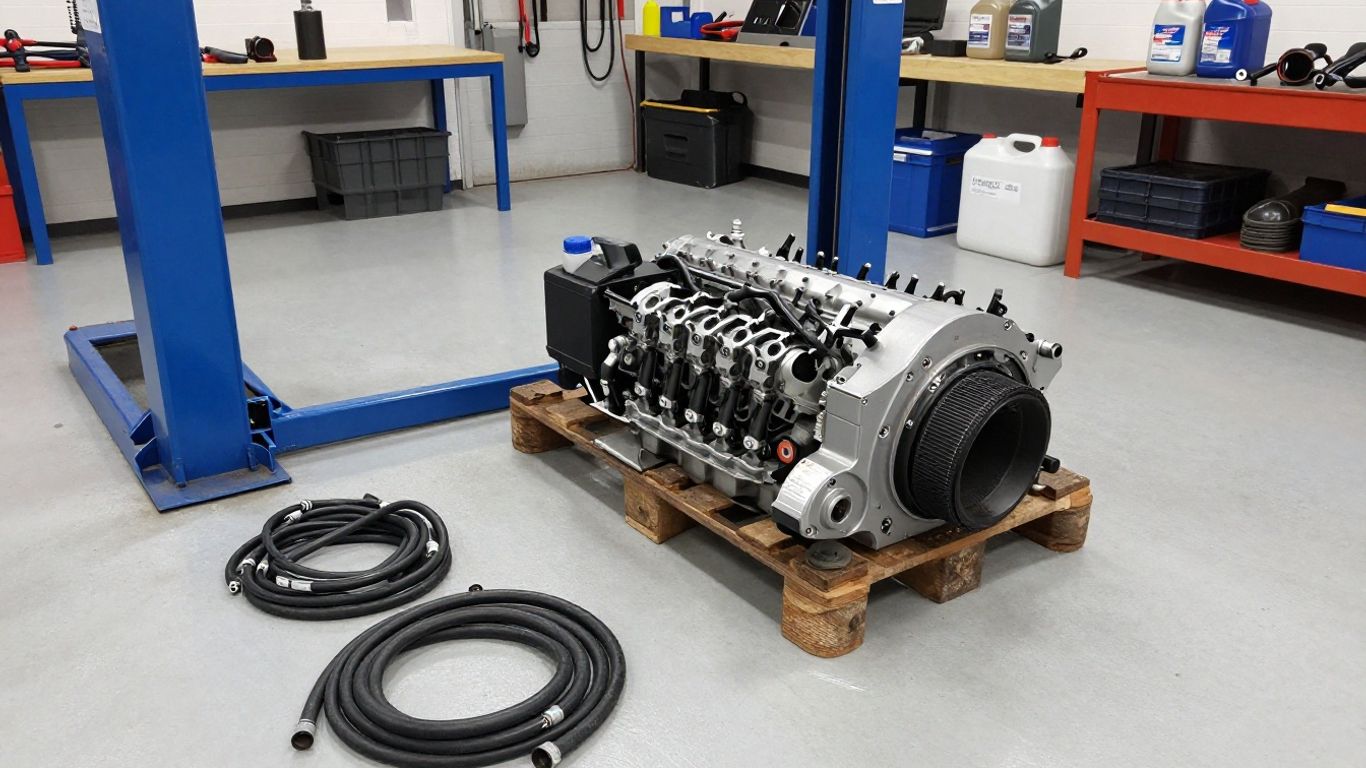
Trust is built through ordinary business practices: accurate descriptions, clear paperwork, sensible answers, and reliable follow-up. You do not need a grand promise; you need a seller willing to discuss the unit’s limitations. Check the business identity, physical location, payment record, and written terms before sending a deposit. These basics matter especially when a heavy part is being shipped rather than inspected in person.
Verifying business details and industry experience
Look for a traceable business name, physical premises, contact number, invoice, and documented terms. Ask how long the business has handled the make or engine family you need. Experience does not guarantee a perfect component, but it may make accurate identification and realistic advice more likely.
Reviewing customer feedback and local reputation
Reviews can reveal whether customers received what was described, whether freight was organised properly, and how warranty issues were handled. Read recent comments in context rather than relying on a single rating. Local recommendations from mechanics and motorists can also be useful, especially for uncommon engines where specialist knowledge matters.
Assessing communication and parts identification support
A helpful dismantler should ask for the VIN, engine code, photographs, and vehicle details instead of guessing from a short message. Pay attention to whether answers remain consistent across the quote, invoice, and later conversation. The online listings from Harvey Wreckers show how pre-pulled parts may be described by vehicle and component; regardless of the seller, those details still need to be checked against your own car.
Confirming responsible recycling and disposal practices
Ask how fluids, batteries, tyres, refrigerants, and unusable metal are handled. Responsible dismantling reduces environmental harm and usually reflects a more organised operation. It is also reasonable to ask whether the business can provide paperwork for a vehicle being surrendered or recycled, where that documentation is required.
Plan the purchase and installation process
Buying the right engine is only part of the job. Timing the purchase around workshop availability helps avoid storing a heavy component or leaving the vehicle immobile for weeks. Agree on who will inspect the engine, who will arrange freight, and who will approve additional work. A short written plan gives the owner, dismantler, and mechanic the same expectations.
Confirming stock availability before visiting
Call or message before travelling to confirm that the listed engine is still available and has not been reserved. Ask for current photographs, the engine code, mileage information, and the condition of exposed openings or accessories. Online stock can change quickly, so a confirmed hold or written quote is safer than relying on an old listing.
Arranging collection or delivery across Melbourne
Check the delivery address, access requirements, unloading equipment, and expected arrival window. Engines are heavy and should not be treated like ordinary parcel freight. If collecting, take suitable transport and confirm whether the unit will be secured on a pallet or stand. Businesses offering used parts delivery illustrate the convenience of freight options, but the exact service and liability should be confirmed for an engine.
Preparing your vehicle for engine replacement
Before the old engine is removed, photograph connectors, hose routes, brackets, and accessory positions. Confirm that replacement fluids, filters, seals, belts, and one-time-use fasteners have been included in the plan. If the vehicle has an immobiliser or electronic throttle system, ask the mechanic in advance whether coding or relearning will be needed.
Coordinating installation with a qualified mechanic
Choose a mechanic who is familiar with the vehicle’s engine management and driveline. Give the workshop the dismantler’s written description and warranty requirements before work begins. The mechanic can inspect the replacement unit, identify transfer parts, and document the installation, which may be essential if a warranty claim later arises.
Avoid common mistakes when buying used engines
Most costly mistakes happen when a buyer rushes one stage of the process. A bargain can become expensive after freight, missing accessories, extra diagnosis, and repeated labour are added. Slow the transaction down long enough to verify the component and the terms. These four checks are particularly useful before payment.
Choosing the cheapest option without verification
The lowest advertised price may represent a bare, untested, incomplete, or incompatible engine. Compare condition, mileage evidence, included parts, warranty, and total installation cost. If the seller cannot answer basic identification questions, treat the uncertainty as a cost rather than assuming it will work out.
Failing to confirm return conditions
Return terms may depend on time limits, the condition of the part, proof of professional installation, and whether the engine has been opened or modified. Ask who pays return freight and whether labour is excluded. Keep the invoice, messages, photographs, and inspection notes together from the first enquiry.
Ignoring signs of water, overheating, or oil damage
Milky oil, rust inside cylinders, warped surfaces, burnt wiring, coolant stains, and heavy sludge deserve attention. Water exposure can damage both internal components and electronics, while overheating may leave problems that are not obvious from the outside. If the seller cannot explain a suspicious mark or residue, ask the mechanic to inspect it before installation.
Neglecting post-installation checks and maintenance
After installation, check fluid levels, leaks, warning lights, temperatures, charging voltage, and unusual sounds before regular driving. Follow the mechanic’s run-in or inspection advice and return promptly if a fault appears. Keep service receipts and diagnostic records, since careful documentation supports both maintenance and any warranty discussion.
For a final pre-payment check, make sure you have:
- The exact engine code and VIN compatibility confirmation.
- A written condition report or clear as-is disclosure.
- An itemised quote covering included and excluded parts.
- Warranty and return conditions in writing.
- A confirmed installation and inspection appointment.
That small pause can prevent a rushed purchase from turning into two sets of removal and fitting costs. It also gives the mechanic enough information to challenge an unsuitable match before the vehicle is dismantled.
Conclusion
The right replacement engine is the one that matches the vehicle, has a condition you understand, and remains financially sensible after installation. By checking codes, history, warranty terms, transport, and workshop requirements, Melbourne drivers can make a calmer decision and reduce the chance of an expensive mismatch.
Frequently Asked Questions
Are used engines always cheaper than repairing the original?
Not always. A used engine may reduce internal repair time, but removal, installation, fluids, programming, and related parts can make the total similar to or higher than repairing the original. Compare complete written estimates.
How can I confirm an engine will fit my vehicle?
Provide the full VIN, engine code, build details, transmission type, and drive configuration. Have the mechanic compare mounting points, electronics, accessories, and emissions equipment before purchase.
What should an engine warranty cover?
Read the exact terms. Check the covered components, duration, exclusions, installation requirements, maintenance obligations, claim process, and whether labour or freight is included.
Is mileage the best way to judge a used engine?
Mileage is useful but incomplete. Donor history, servicing, overheating exposure, storage, inspection results, and the seller’s documentation can be just as important.
Should a mechanic inspect the engine before installation?
Yes. A mechanic can check seals, accessories, contamination, visible damage, and compatibility before the engine is fitted. That is usually easier and less expensive than diagnosing a problem after installation.
What happens if the replacement engine is missing parts?
First compare the delivered unit with the invoice and photographs. Contact the seller promptly, avoid modifying the engine until the issue is documented, and confirm whether the missing component was excluded or must be supplied separately.
How long should I keep purchase and installation records?
Keep the invoice, warranty, inspection report, messages, freight documents, parts receipts, and workshop records for the entire warranty period and for as long afterward as practical. They provide useful evidence if a fault or dispute arises.