Key Takeaways
Finding open Sunday wreckers can save a weekday trip, but Sunday service often varies by location and task.
- Confirm opening hours and service availability before leaving home.
- Bring complete vehicle details, including the VIN when possible.
- Ask about part condition, compatibility, warranties, and returns.
- Compare the full cost, including removal, fitting, and delivery.
- Use safe loading, payment, and inspection practices at the yard.
Understand what open Sunday wreckers offer
Open Sunday wreckers may provide a useful weekend option for drivers who need a replacement component or want to dispose of an unwanted vehicle. Their services can range from dismantling vehicles and selling recycled parts to answering stock inquiries and arranging collections. However, the counter, yard, workshop, and transport team may not all operate on the same schedule. A quick check before visiting helps you understand what can realistically be completed that day.
Vehicle dismantling and used auto parts
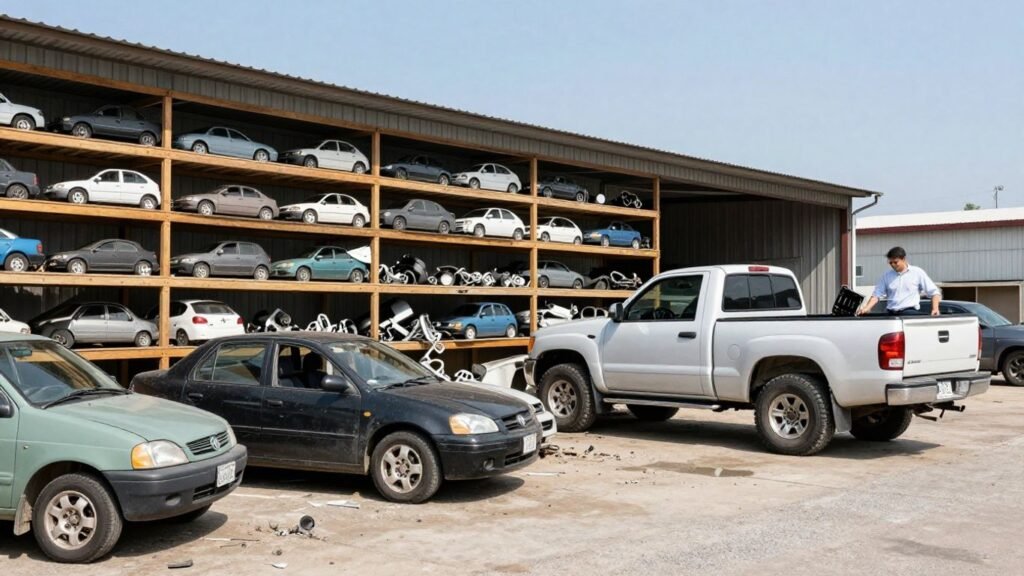
Wrecking yards dismantle end-of-life or damaged vehicles so usable components can be inspected and sold again. Depending on the yard, inventory may include body panels, lights, mirrors, engines, transmissions, suspension parts, interior trim, and electrical components. Recycled parts can be a practical alternative when a new component is expensive or difficult to source, but compatibility still needs to be confirmed carefully.
Ask whether the part has already been removed or remains on the vehicle. A Sunday sales desk may be able to identify stock while the dismantling team is unavailable, so the answer may affect whether you can take the part home immediately.
Scrap car collection and vehicle disposal
Some wreckers accept unwanted vehicles for dismantling and recycling, while others arrange collection from a home, driveway, or repair shop. Before handing over a vehicle, ask what documents are needed and whether the vehicle must be accessible to a tow truck. You should also clarify whether collection is available on Sunday or is only booked during weekday hours.
Disposal arrangements can involve title or registration paperwork, keys, and confirmation that the vehicle has been transferred or processed correctly. Keep copies of any receipt or collection record for your own files.
Same-day parts sales and inquiries
A Sunday visit may work well when you need to ask about a part, compare available options, or collect an item that has already been reserved. Have the vehicle details ready and describe the problem clearly rather than relying only on a general part name. If the yard uses an inventory system, staff may be able to search stock without allowing customers into the dismantling area.
The phrase open Sunday wreckers can also produce unrelated search results, including music events such as the Bartonville Store, so check the business category and address before relying on a listing. Search results are useful starting points, not proof that an auto yard is operating.
Services that may be limited on Sundays
Sunday hours often cover customer inquiries and counter sales but not every workshop or yard activity. Vehicle lifting, part removal, mechanical testing, deliveries, and administrative processing may require additional staff or weekday appointments. Some businesses may also restrict access to hazardous or active dismantling areas.
A listing that says “open” does not necessarily mean every service is available. Treat the opening time as a reason to call, then ask which specific task you need can be handled during the visit.
Find open Sunday wreckers near you
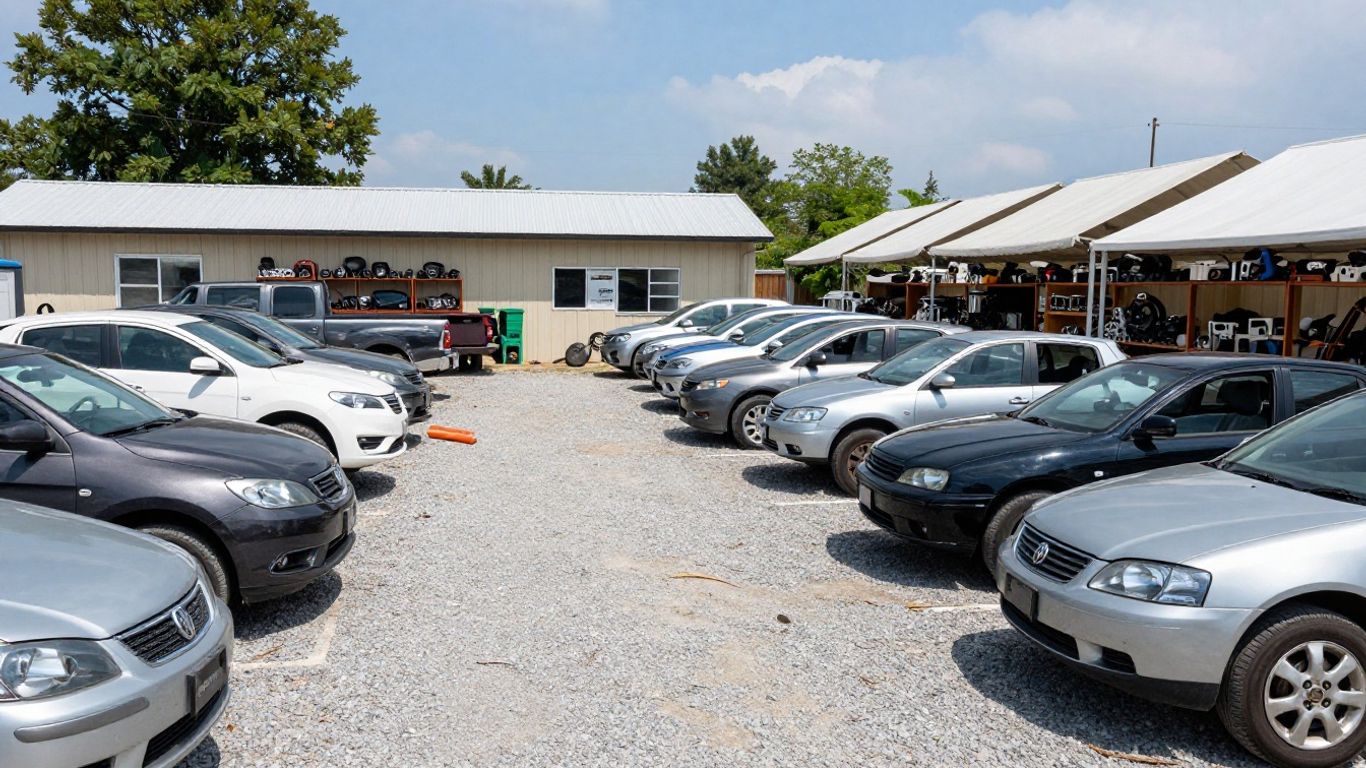
A focused search can narrow down nearby yards, but opening information is not always current. Start with map results and local directories, then compare those details with the business’s own website or social media page. Look for a full address, telephone number, service description, and a recent update. This approach is more reliable than choosing the first result that contains the word “Sunday.”
Search Google Maps and local directories
Google Maps and local business directories can show Sunday hours, customer reviews, photos, phone numbers, and directions. Search from your actual destination rather than a broad regional center, since two businesses with similar names may operate in different towns. Read recent reviews for clues about wait times, stock accuracy, and whether customers could access the counter on weekends.
Map information can be outdated after a holiday schedule change or ownership change. Use it to build a shortlist, then verify each candidate directly.
Check business websites and social media pages
A business website may publish regular hours, collection policies, and contact details, while social media pages sometimes announce temporary closures or holiday changes. Check the date of the latest update and look for wording that distinguishes the sales counter from the yard or workshop.
When browsing broadly, irrelevant pages can appear alongside automotive results. For example, a Utah wildlife removal FAQ, a cheap car guide, or advice about a fixer-upper sale may be useful in other situations but does not confirm that a wrecker is open. Stay with listings that identify an actual automotive dismantler or parts seller.
Use location-specific search terms
Add your suburb, city, county, or ZIP code to the search. Terms such as “Sunday auto parts,” “vehicle dismantler open Sunday,” “used car parts near me,” and “scrap car pickup Sunday” can reveal different businesses and services. If you need a particular component, include it in the search as well, but treat any online stock statement as provisional.
A local result may still serve a wide area or operate from a yard outside the listed neighborhood. Confirm the travel time, entrance location, and collection boundaries before making plans.
Confirm holiday and seasonal opening hours
Regular Sunday hours may not apply on federal holidays, holiday weekends, severe-weather days, or during seasonal schedule changes. Some businesses publish a separate holiday calendar, while others update only their social media page or voicemail greeting. Check both if your visit is time-sensitive.
The same caution applies to pages that use “Sunday” in an unrelated context, such as a Red Fox Lounge event listing. Verify that the page belongs to the automotive business you intend to visit and that the date shown is current.
Verify Sunday hours before you visit
A short call can prevent a wasted drive, especially when you need more than a simple counter sale. Ask about the exact service, the part’s availability, the pickup process, and any access restrictions. If nobody answers, try the listed email, text number, or social media contact, but do not assume an unanswered call means the yard is open. Write down the name of the person who confirmed the arrangement when the purchase or collection is important.
Call ahead to confirm the service desk is operating
Ask whether the public-facing parts desk will be staffed during the hours shown online. Then explain what you need: an inquiry, a purchase, a pickup, a vehicle inspection, or a scrap collection. The business may have a Sunday attendant for sales but no dismantling crew or delivery driver.
This distinction matters because a yard can be open for scheduled customers while walk-in service is restricted. Confirm the entry point and whether you need to wait outside for assistance.
Ask whether the needed part is in stock
Give the representative the make, model, year, trim, engine, transmission, and VIN if available. Ask whether the part is physically on site, already removed, tested, and held under your name. If the answer is based on an online inventory record, confirm that the item has not already been sold or reserved.
For a common component, ask whether there are several choices with different condition or mileage. That gives you a better basis for comparing price and risk before you arrive.
Check after-hours contact and pickup policies
Some yards list a phone number that reaches an answering service outside normal counter hours. Ask whether prepaid orders can be collected after hours, whether identification is required, and where a vehicle or trailer should wait. If a carrier is involved, confirm the handoff process and loading responsibilities.
Never leave payment, keys, or personal documents in an unsecured location based only on an informal message. A written confirmation from the business is preferable.
Confirm whether appointments are required
Appointments may be necessary for self-service access, vehicle appraisals, scrap pickup, large-part loading, or workshop work. Ask how long the appointment should take and what you need to bring. If you are visiting to remove a component yourself, check whether the yard supplies tools or expects you to bring everything.
Even when appointments are not mandatory, booking one can reduce waiting and make it more likely that the right staff member is available.
Choose the right used auto parts
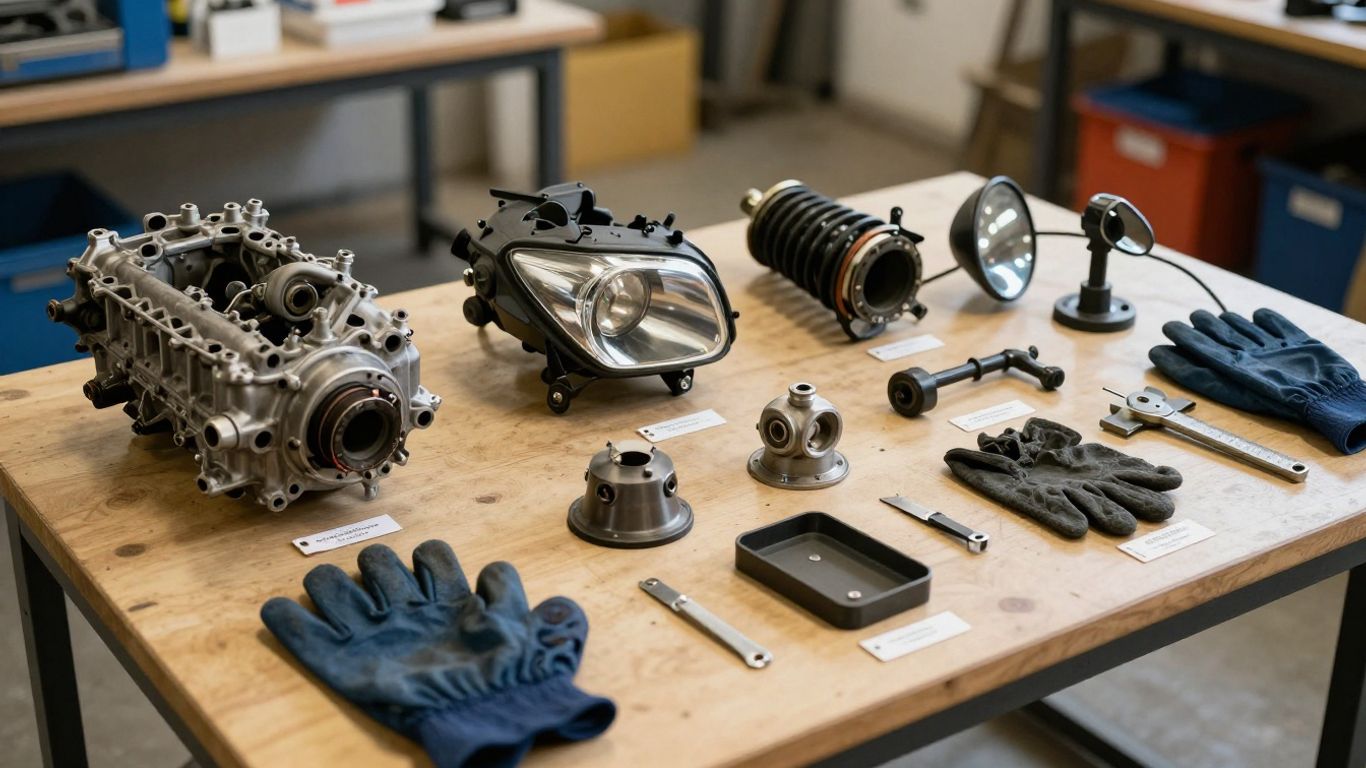
A used part is only a good purchase if it fits the vehicle and performs as required. The same model name can cover multiple engines, drivetrains, production periods, and trim levels. Compare the part number and physical features instead of relying on appearance alone. Compatibility comes before price, particularly for safety-related or electronically controlled components.
Match parts using the vehicle identification number
The VIN can help a parts counter identify the exact vehicle configuration and production details. It is especially useful for engines, transmissions, control modules, airbags, sensors, and other parts that may vary within one model year. Provide the VIN from the dashboard or title, and ask the seller to confirm the matching part number.
A VIN search is helpful but not a substitute for checking the physical connector, mounting points, dimensions, and software requirements. For electronic parts, ask whether programming or relearning will be needed after installation.
Compare OEM, aftermarket, and recycled components
Original equipment parts may match the vehicle’s factory specification, while aftermarket parts are made by another manufacturer. Recycled components come from previously used vehicles and can vary in age, wear, and cosmetic condition. The right choice depends on the component, budget, availability, and consequences of failure.
When comparing options, ask whether the price includes seals, brackets, bulbs, keys, sensors, or other attached pieces. A lower headline price may not be lower once missing accessories are added.
Inspect condition, mileage, and compatibility
Ask how the part was tested and whether its mileage or donor vehicle information is recorded. Look for cracks, corrosion, bent mounting points, fluid contamination, damaged wiring, and signs of overheating. Match labels and casting numbers with the information from your mechanic or repair manual.
A simple comparison table can help you separate the most important questions before choosing among several parts.
| Item to compare | What to ask | Why it matters |
|---|---|---|
| Identification | Is the part number or casting number confirmed? | Reduces fitment mistakes |
| Condition | Was it tested, inspected, or sold as-is? | Clarifies mechanical risk |
| Donor details | What vehicle and mileage did it come from? | Gives useful background |
| Included pieces | Are brackets, sensors, keys, or hardware included? | Prevents surprise costs |
Use the answers to compare like with like rather than choosing solely on the first quoted price. If the seller cannot verify a critical detail, pause and check with a qualified technician.
Ask about warranties and return periods
Used-part warranties may cover replacement, exchange, or a limited period of operation, and some may exclude labor or shipping. Ask when coverage begins, what evidence is required, and whether installation by a qualified mechanic is a condition of the warranty. Confirm the return window before paying, especially for electrical parts or special orders.
Get the terms in writing on the invoice or receipt. Verbal assurances are difficult to rely on when the part fails after the Sunday desk has closed.
Prepare your vehicle and part requirements
Good preparation makes a weekend parts trip faster and safer. Before you leave, gather the vehicle information, repair notes, photographs, and measurements that could affect fitment. If a mechanic diagnosed the problem, ask for the part name and number rather than carrying only a general description. A little detail can prevent an unnecessary second visit.
Record the make, model, year, and engine details
Write down the exact model, body style, engine size, fuel type, transmission, drivetrain, and trim. Note whether the vehicle has special packages or options that could change the component. The VIN and existing part number are particularly valuable when the vehicle has multiple versions of the same system.
Keep these details in your phone and on paper in case the yard has poor reception. A photo of the vehicle identification label can also reduce transcription errors.
Bring photos or the damaged part when possible
Clear photos of the damaged component can show connectors, mounting holes, clips, labels, and unusual shapes. If you remove the old part, bring it only if transport is safe and it is not contaminated with hazardous fluids. Do not discard labels before the replacement has been matched.
Photos are helpful for body panels and interior pieces, where color, trim, and mounting details may matter as much as the model name. Ask before bringing a bulky or dirty component into a sales office.
Identify essential tools and removal requirements
If you plan to remove a part yourself, determine which sockets, extensions, pullers, jacks, supports, and protective equipment are needed. Some components require specialized tools or procedures that are not suitable for an improvised yard repair. Ask whether the business permits customer removal and whether staff must isolate batteries, fluids, or fuel systems first.
Make a short tool plan before leaving home:
- Confirm the fastener sizes and specialty tools required.
- Bring gloves, eye protection, sturdy footwear, and suitable clothing.
- Pack containers and labels for small hardware and connectors.
- Carry a flashlight, tarp, and basic cleaning supplies.
This preparation does not replace the yard’s safety rules, but it helps you recognize when a job is beyond your equipment. Stop if the vehicle is unstable or a component cannot be removed without creating a hazard.
Plan safe transport for large or heavy parts
Measure the cargo area and consider the part’s weight, shape, and risk of fluid leakage. Engines, transmissions, doors, glass, seats, and bumpers may require a trailer, several people, lifting equipment, or a delivery service. Protect the vehicle interior with covers and secure the load before driving.
Ask the wrecker whether loading is included or whether you must arrange it. Never let a heavy item shift freely in a passenger compartment or rest where it can obstruct the driver’s view.
Compare pricing and customer service
The cheapest listed price is not always the lowest total cost. A used component may require removal, testing, cleaning, programming, fitting, shipping, or a core deposit. Compare the complete transaction and the support available if the part does not fit. Clear answers on a Sunday are often more valuable than a small initial discount.
Request a complete quote before buying
Ask for the part price, sales tax, core charge, deposit, delivery fee, and any other mandatory cost. Confirm whether the quote applies to the exact condition and configuration discussed. If the price is valid only for a limited period, ask how long the business will hold it.
A written quote or message makes it easier to compare yards and prevents confusion at collection. It also gives you a record of what was promised.
Factor in testing, fitting, and delivery charges
Some sellers test components before sale, while others sell them as-is. Fitting may be offered by a workshop, a separate mechanic, or not at all. Delivery charges can change with distance, size, urgency, and whether special handling is needed.
Ask whether testing or fitting is optional, included, or billed separately. For a heavy item, calculate the cost of local delivery against hiring a suitable vehicle and help to transport it yourself.
Evaluate guarantees for used components
A guarantee should state what happens if the part fails or proves incompatible. Check whether the remedy is a replacement, refund, store credit, or inspection first. Ask who pays removal and refitting labor, and whether the guarantee ends if the part is modified.
Do not treat a warranty as proof that every part is suitable. Fitment, installation, and maintenance conditions still matter, so keep the invoice and installation records.
Look for reviews from local customers
Reviews can reveal how accurately a business describes stock, handles returns, communicates delays, and manages pickup. Give more weight to recent, detailed reviews than to a single enthusiastic or angry comment. Look for patterns across several platforms and compare them with your own conversation with the business.
Search carefully because unrelated results may use similar language. A page about storm damage inspections, Natural Escort, or Sunday Morning Wine-O does not provide evidence about an automotive wrecker’s customer service. Checking the address and category keeps the comparison grounded.
Buy safely from open Sunday wreckers
A safe purchase includes more than finding a matching part. Confirm the transaction, inspect what you are receiving, and follow the yard’s instructions for movement and removal. Keep personal safety in mind when working around stacked vehicles, sharp metal, broken glass, batteries, fluids, and unstable loads. If the arrangement feels unclear, delay the purchase until the details are settled.
Check payment methods and receipts
Ask which payment methods are accepted and whether a deposit is refundable. Before leaving, obtain a receipt showing the business name, date, part description, price, taxes, warranty terms, and any core or return conditions. Check that the receipt identifies the correct component rather than a vague category.
Avoid sending money through an unverified channel or paying for a part that the seller cannot identify. A proper transaction record is useful for returns, warranty claims, and personal budgeting.
Inspect parts before taking them home
Compare the part with your old component and review all labels, connectors, brackets, and mounting points. Check for cracks, leaks, corrosion, missing hardware, and damage that may have occurred during removal. Photograph the part and its identifying marks before loading it.
If the seller offers an inspection period, ask what must be done before installation. Do not remove seals, alter wiring, or discard packaging until you are confident the part is correct.
Follow safe procedures in self-service yards
Wear closed-toe footwear, gloves, and eye protection, and stay within marked customer areas. Use proper supports rather than relying on a jack alone, and never work beneath a vehicle that has not been secured by the yard. Keep clear of suspended loads and ask staff to handle batteries, fuel, refrigerant, airbags, and other hazardous systems.
Children and unapproved visitors should not enter active dismantling areas. If a task requires force, cutting, lifting, or fluid draining beyond your experience, ask whether staff can remove the component instead.
Understand consumer rights and environmental practices
Consumer protections differ by state and by the type of sale, especially when a part is clearly sold as-is. Ask the business to explain its written return and warranty policy, and retain all paperwork. If you are disposing of a vehicle, use a licensed or established operator where possible and confirm how fluids, batteries, tires, and other regulated materials are handled.
Responsible dismantling keeps reusable components in circulation and reduces improper disposal. It also gives you greater confidence that the vehicle and its parts are being processed through a legitimate operation.
The Backwood Wreckers music result is another reminder that a search phrase can point to entertainment rather than automotive recycling. Keep the business name, address, phone number, and service details together when you make your final choice.
Conclusion
The best way to use open Sunday wreckers is to prepare first, verify the exact service, and compare the full purchase conditions before traveling. With accurate vehicle details, a clear quote, safe transport, and written warranty information, a weekend parts trip can be efficient without becoming a rushed gamble.
Frequently Asked Questions
Are open Sunday wreckers usually fully staffed?
Not always. Sunday hours may cover the sales counter or inquiries while dismantling, workshop, delivery, or collection services operate only on weekdays or by appointment.
How can I confirm that a wrecker is open this Sunday?
Check the business’s latest online information, then call and ask whether the specific service you need is available on the date and during the hours you plan to arrive.
What vehicle information should I provide when searching for a part?
Provide the VIN, make, model, year, trim, engine, transmission, drivetrain, and the number on the existing part whenever possible.
Are recycled auto parts safe to buy?
They can be suitable when correctly matched, inspected, and tested. Ask about the donor vehicle, mileage, condition, installation requirements, and warranty before buying.
Can I remove parts myself at a Sunday wrecking yard?
Some yards permit self-service removal, while others do not. Confirm the policy, required appointment, permitted tools, protective equipment, and any restrictions before you visit.
What should a used-part warranty cover?
The written terms should explain the coverage period, remedy, exclusions, return process, and responsibility for labor, shipping, inspection, or refitting costs.
How should I transport a large used auto part?
Measure the part and your vehicle first, then arrange suitable help, lifting equipment, a trailer, or delivery. Secure the load and prevent fluids or sharp edges from creating hazards.