Key Takeaways
Finding dependable local wreckers near me starts with comparing services, distance, reviews, and paperwork rather than choosing the first result.
- Confirm whether the yard removes vehicles, sells used parts, or offers self-service access.
- Check reviews, hours, service areas, licensing, insurance, and current business details.
- Match parts by make, model, year, trim, engine, and identification number.
- Get the valuation, towing terms, payment method, and title process in writing.
- Prepare documents, remove belongings, photograph the car, and make pickup access safe.
What local wreckers near me can help with
A local wrecker may do much more than accept an unwanted vehicle. Depending on the yard, it may arrange removal, dismantle cars for reusable components, sell tested or used parts, or let customers find parts in a self-service yard. The right choice depends on whether you are disposing of a vehicle, repairing one, or doing both at once.
Before calling, define the job in plain terms. You may need a cash offer for a non-running car, a specific replacement panel, or access to a vehicle inventory where you can remove a part yourself. That small amount of preparation makes conversations with local wreckers near me more productive.
End-of-life vehicle removal and recycling
Many wreckers accept vehicles that are damaged, old, incomplete, or no longer economical to repair. Ask whether the yard handles the removal itself, what areas it serves, and whether the vehicle must be accessible to a tow truck. A car that cannot roll, steer, or brake may require different loading equipment.
The recycling process can also vary. Some yards dismantle vehicles and resell usable components before sending remaining materials for recycling. Ask what happens after handover and whether any fluids, batteries, or tires create additional conditions or charges.
Used and salvaged auto parts
A salvage yard can be useful when a replacement part is no longer available through a dealer or when a used component makes more financial sense than a new one. Inventory may include body panels, lights, wheels, interior pieces, engines, transmissions, suspension parts, and electronic modules, but availability changes constantly.
For a broad inventory example, Fred’s Auto Wrecking describes new and used parts for domestic and import vehicles, including transmissions, wheels, and tires, with local and nationwide delivery. Treat any listing as a starting point: confirm the exact part, condition, fitment, and return terms before paying.
Scrap vehicle appraisals and cash offers
A wrecker usually considers a vehicle’s make, model, year, condition, completeness, weight, demand for its parts, and local scrap values when making an offer. Two cars that look similar can receive different offers if one has a desirable engine or catalytic converter, while the other has missing components or severe damage.
Ask whether the quote is firm, how long it remains valid, and whether towing or administrative charges will reduce the amount. A clear written breakdown is more useful than a headline cash figure that changes when the driver arrives.
Pick-and-pull yard services
Self-service yards let customers search rows of vehicles and remove selected parts with their own tools. They can be a practical option for lower-cost components, especially when you are comfortable identifying and removing parts safely. Rules about tools, admission, safety equipment, and payment differ from one yard to another.
Pick-A-Part describes online inventory and tested OEM used parts for cars, trucks, and SUVs, as well as used-car buying. Whether you use an online inventory or walk the yard, call ahead to confirm that the listed vehicle is still present and that the part has not already been removed.
How to search for reputable local wreckers
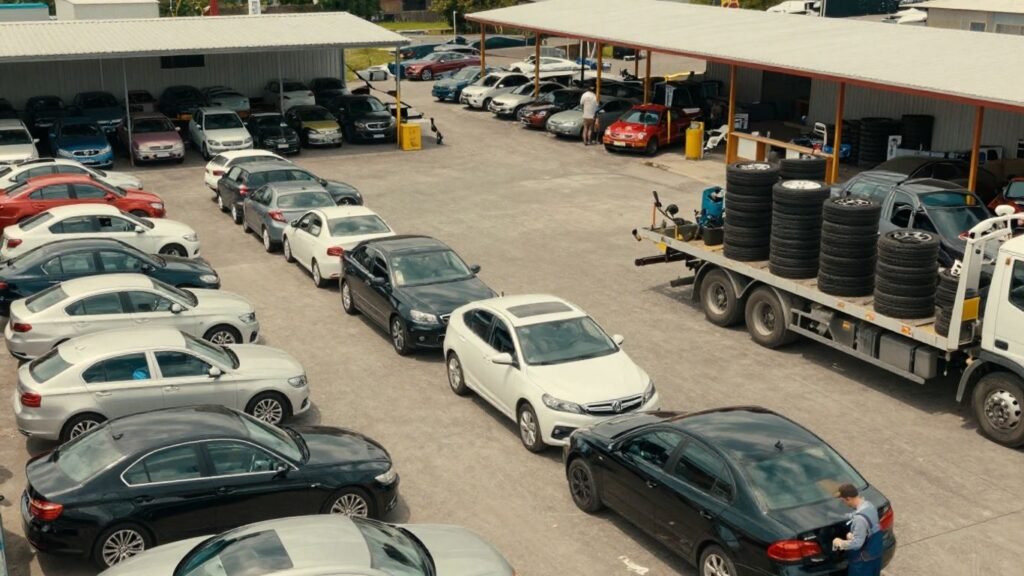
Search results are useful for building a shortlist, not for making the final decision. Look beyond the star rating and compare recent comments, contact details, opening hours, photos, and the services actually offered. A yard that is highly rated for parts sales may not provide vehicle pickup, while a towing-focused business may not have the component you need.
A few minutes of checking can prevent a wasted trip. Save two or three candidates, then ask each the same basic questions so that price and service differences are easier to see.
Comparing Google ratings and customer reviews
Reviews are most useful when they contain specific details about communication, quoted prices, wait times, part condition, refunds, or towing. Read both positive and negative comments, paying attention to patterns rather than one unusually enthusiastic or angry review. Recent feedback generally tells you more about current operations than comments from several years ago.
Look for evidence that the business responds professionally when something goes wrong. A thoughtful response cannot prove that every transaction will be smooth, but it can reveal whether the yard takes questions and disputes seriously.
Checking service areas and operating hours
A yard may appear nearby while serving only certain cities or offering pickup on limited days. Check the full address, phone number, hours, holiday closures, and whether appointments are required. If you need towing, ask for the actual pickup window rather than assuming a same-day service.
Distance matters in two ways: it affects your travel time for a parts visit and may affect the towing price for a vehicle sale. Confirm whether the quoted service area includes your address, particularly if you live outside the city shown in the search result.
Verifying licenses, certifications, and insurance
Requirements for wreckers, dismantlers, recyclers, and vehicle buyers vary by state and municipality. Ask what license authorizes the business to operate and whether it carries insurance for towing, loading, and customer access. You can then verify the information through the relevant state or local agency instead of relying only on a badge or logo on a website.
The same habit applies when you compare any service provider. For a repair-related contractor, for example, a roof repair services guide recommends checking licenses, insurance, estimates, and warranties. The subject is different, but the verification principle is useful here too.
Reviewing photos, inventory, and business information
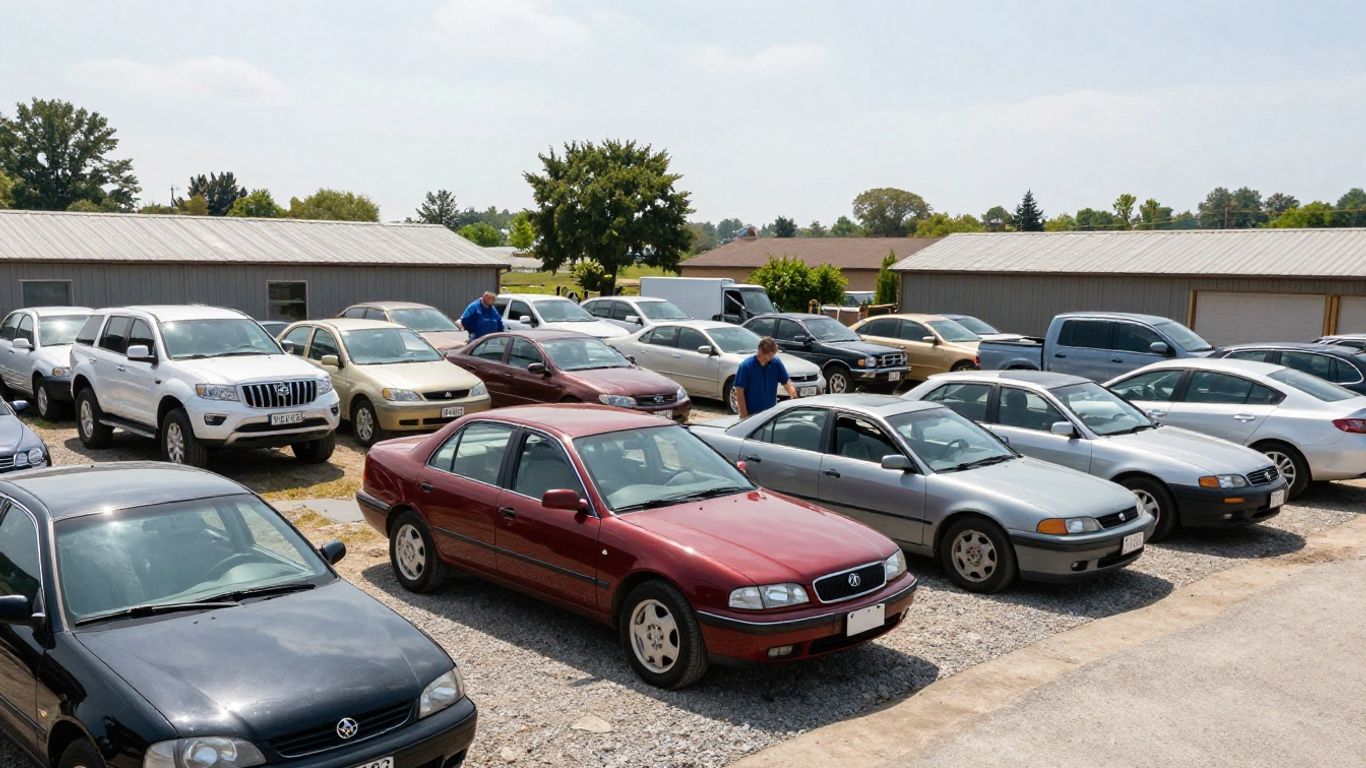
Photos can help you judge whether the yard looks organized and whether its advertised services match the physical site. They cannot confirm that a particular part is available today, so use them alongside a direct inventory check. Make sure the business name, address, phone number, and hours are consistent across its website and major listings.
An online inventory should be treated as a live lead rather than a guarantee. Ask when it was updated, whether the component has been inspected, and whether the yard can hold it while you travel. Those questions are especially helpful for rare parts or long-distance visits.
How to choose the right wrecker for your vehicle
The best yard is not always the closest one. A nearby facility may have little inventory for your vehicle, while a slightly farther yard may have better records, delivery options, or staff who understand the model. Start with the vehicle identification number and the exact repair need, then compare yards against that information.
It also helps to separate convenience from risk. A low part price may not be a bargain if the item is untested, non-returnable, or difficult to transport home.
Matching the yard to your car’s make, model, and year
Make, model, and year are only the beginning of fitment. Trim level, body style, engine, transmission, drivetrain, production date, and optional equipment can all affect compatibility. Give the yard the VIN or the original part number when possible, and ask the salesperson to confirm the match rather than guessing from a photograph.
For electronics and body components, color, connector style, programming requirements, and mounting points may matter as much as the model name. Write down these details before you call so that every yard receives the same information.
Finding parts for common and discontinued vehicles
Common vehicles often have more donor cars and a wider range of used parts. Discontinued or uncommon vehicles may require more searching, shipping, or patience, especially for trim pieces and electronics. Ask whether the yard keeps a searchable inventory, works with other facilities, or offers delivery.
Stoystown Auto Wreckers lists late-model salvage parts, aftermarket parts, OEM surplus, and remanufactured options for several major component categories. That description illustrates why it is worth asking exactly what kind of part is being offered; “used,” “surplus,” and “remanufactured” do not mean the same thing.
Comparing self-service and full-service yards
A self-service yard may cost less and give you the chance to inspect the donor vehicle directly, but you need suitable tools, time, and mechanical confidence. Full-service yards remove the component for you and may provide more information about its condition, although the labor and handling can raise the price.
Use the table below to frame the choice around the job rather than assuming one format is always better.
| Yard format | Usually suits | Advantages | Questions to ask |
|---|---|---|---|
| Self-service | Simple, accessible parts | Lower labor cost and direct inspection | What tools and safety gear are allowed? |
| Full-service | Heavy or delicate components | Removal is handled by staff | Is testing or labor included? |
| Parts counter | Fast replacement search | Staff can check records and fitment | What is the warranty period? |
| Online inventory | Rare or distant parts | Wider search before traveling | How current is the listing? |
The table is a starting point, not a substitute for the yard’s rules. A self-service visit may be sensible for a mirror or trim piece, while an engine or transmission usually deserves more careful inspection and clearer warranty terms.
Considering towing distance and pickup availability
When selling a vehicle, ask how far the yard will tow without charge and whether the offer changes outside that area. Confirm whether the truck can reach the car, load it from its current position, and leave without damaging a driveway, gate, or parked vehicle.
For a non-running car, describe its condition accurately: flat tires, locked wheels, missing keys, low clearance, and blocked access all affect the pickup. A precise description helps the yard send suitable equipment and reduces the chance of a rescheduled collection.
What to ask before selling or dismantling a car
A vehicle sale involves more than agreeing on a price. Ownership, towing, title transfer, payment, and cancellation terms should all be understood before the car leaves your property. Keep written records of the quote, the person you spoke with, the pickup appointment, and any promises about fees.
If the vehicle has finance outstanding, belongs to an estate, or is registered to more than one person, resolve those complications early. The yard may not be able to accept the car until every owner and lien requirement is addressed.
How vehicle valuations are calculated
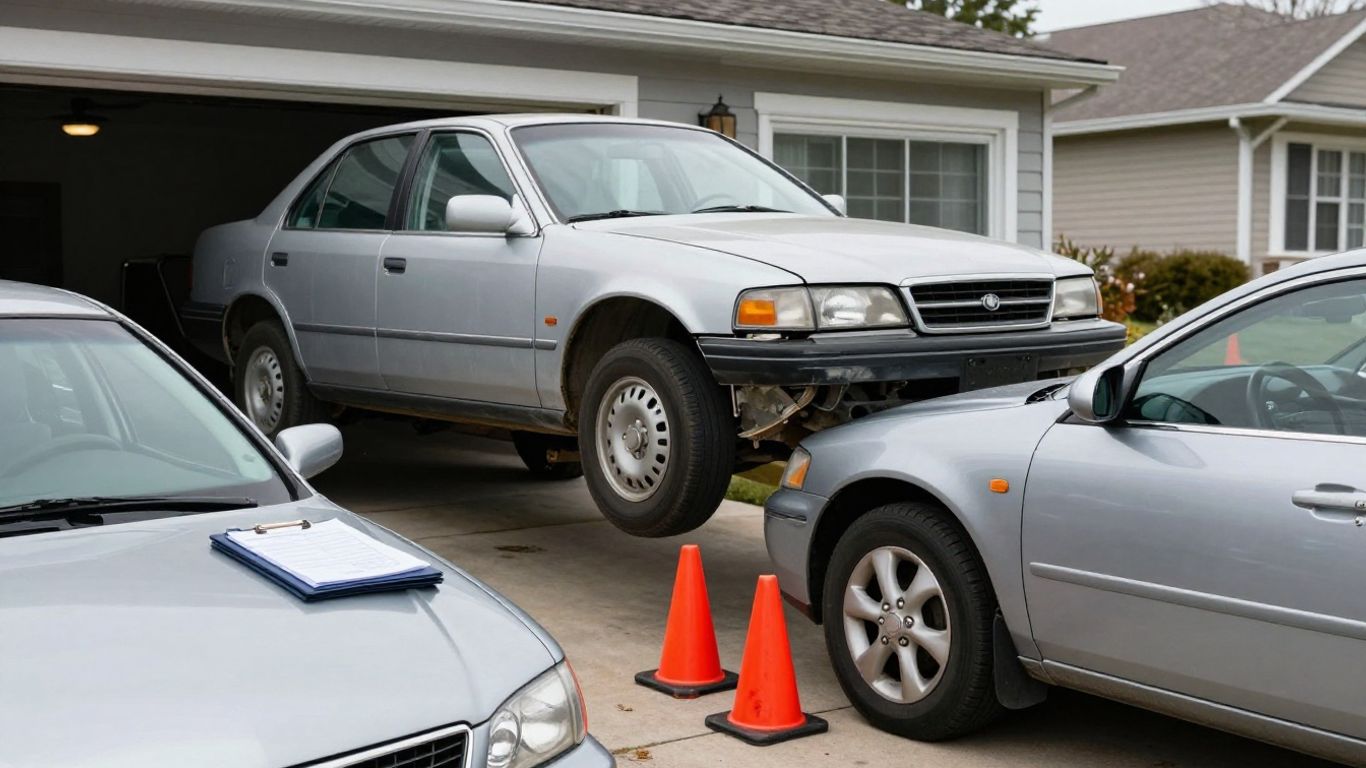
Ask which features affect the valuation and whether the quote assumes the vehicle is complete. The yard may consider resaleable parts, metal value, damage, mileage, demand, and transport costs. If you remove components before sale, confirm whether that changes the price and whether the yard accepts incomplete vehicles.
Request the offer in writing, including its expiry date and any deductions. A written offer clarifies expectations when the vehicle is inspected in person and makes it easier to compare competing quotes without relying on memory.
Which ownership documents you need
Most transactions require proof of ownership and government-issued identification, but the exact documents depend on local law and the vehicle’s status. Ask whether you need the title, registration, plates, lien release, estate paperwork, or authorization from another owner. Do not hand over original documents until you understand how the transfer will be recorded.
If a title is missing, ask the relevant motor vehicle agency about replacement procedures. A reputable buyer should be able to explain what it can and cannot accept, rather than encouraging you to sign incomplete paperwork.
Whether free towing is included
“Free towing” should be defined before pickup. Ask whether it applies to your address, whether there are distance limits, and whether winching, roadside loading, storage, or an inaccessible vehicle creates an extra charge. Also ask what happens if the appointment is missed because the truck cannot safely reach the car.
Write down the pickup date, arrival window, driver contact, and the name of the person authorizing the tow. This is especially helpful when the vehicle is at a repair shop, apartment complex, or business property.
How payment, title transfer, and cancellation work
Confirm the payment method and timing before signing over the vehicle. Ask whether payment is made at pickup, after inspection, or after title processing, and get a receipt that identifies the vehicle and agreed amount. Make sure the title transfer and any notice of sale are handled according to your state’s process.
Cancellation rules matter too. Find out whether you can cancel before loading, whether a quote expires, and whether storage or dispatch fees apply. If the terms are vague, pause the transaction until they are explained in writing.
How to buy reliable used parts from a wrecker
Used parts can be a sensible repair option, but price alone does not tell you whether a component is suitable. Ask how the part was identified, removed, stored, and tested. For safety-related or high-value components, compare the cost of a verified used part with a new or remanufactured alternative.
A careful purchase also considers the hidden costs: shipping, core charges, programming, installation, seals, fluids, and the time needed to return an incorrect part. The cheapest listing may not be the lowest total repair cost.
Confirming part compatibility and identification numbers
Bring the VIN, part number, engine code, transmission code, and photographs of the original component when available. Ask whether the donor vehicle’s year and trim match yours and whether the part has been superseded by a different number. For electronic modules, confirm whether programming or pairing is required after installation.
Fred’s Auto Wrecking is an example of a listing that discusses help locating parts across domestic and import vehicles, but no general listing can establish fitment for your particular car. Treat identification as a shared responsibility between you, the yard, and—when needed—the installing technician.
Inspecting engines, transmissions, and body panels
For an engine or transmission, ask for mileage, donor vehicle information, test results, compression information where applicable, and a description of included accessories. Clarify whether sensors, manifolds, wiring, torque converters, or brackets are included. A photograph of a complete assembly is not enough to establish its internal condition.
Body panels need a different inspection. Check mounting points, rust, dents, creases, glass, paint condition, and whether the panel has already been repaired. Compare the finish and color code with your vehicle, but expect that a used panel may still need preparation and paint blending.
Understanding warranties, returns, and guarantees
Ask for the warranty period, what labor it covers, and which failures are excluded. Confirm the return window, restocking fee, shipping responsibility, and whether the part must be returned in the same condition. Engines and transmissions may have separate rules from small components or body parts.
Get the terms on the invoice rather than relying on a verbal assurance. If installation by a qualified technician is required, ask whether that condition applies and retain installation records in case a claim becomes necessary.
Comparing used parts with new and aftermarket alternatives
A used OEM component may offer an exact match, while a new aftermarket part may provide a longer expected service life or a different warranty. Remanufactured parts can occupy another middle ground, particularly for major mechanical assemblies. Compare total cost, availability, lead time, warranty, and installation risk.
For a second inventory reference, Binford Auto Wrecking describes a full-service parts yard with cars and trucks available for parts and inventory updated daily. Availability still needs to be confirmed directly, since donor vehicles and individual components can change quickly.
How to prepare for a visit or vehicle pickup
Preparation makes a yard visit safer and a vehicle handover less stressful. Before you leave home, confirm the address, entry rules, payment method, tools allowed, and whether an appointment is needed. For a pickup, inspect the route from the vehicle to the street and remove anything that could obstruct loading.
Do not assume that a tow operator will search the vehicle for you or wait while you collect documents. A short checklist completed the day before can prevent lost items and delays.
Removing personal belongings and important documents
Search the cabin, trunk, glove box, door pockets, under-seat areas, and any roof or cargo storage. Remove registration cards, insurance papers, toll tags, garage remotes, tools, medical information, and personal electronics. Check for spare keys and remove license plates if local rules require you to do so.
If the vehicle has connected services, delete paired phones and reset navigation or stored addresses. Once the car is loaded, recovering a forgotten item may be difficult or impossible.
Gathering the title, registration, and identification
Place the required documents and identification together in a folder before the driver arrives. Make copies or take clear photographs for your records, but ask whether the yard needs originals for the transfer. If more than one owner must sign, confirm that everyone will be available or that an accepted authorization is ready.
Keep the signed receipt, payment record, and any release or transfer confirmation after handover. These records can help resolve later questions about ownership, registration, or the agreed price.
Photographing the vehicle before handover
Take wide photographs of all sides of the vehicle, the interior, the dashboard mileage, the VIN plate, existing damage, and any valuable components that remain installed. Include the surrounding location when possible so the condition and access point are clear. The photographs do not replace paperwork, but they create a useful record of what was handed over.
Date-stamped images are particularly helpful when a vehicle is collected by someone other than the owner or when the pickup occurs outside business hours. Store them with the quote and receipt rather than leaving them only on a phone.
Arranging safe access for towing and loading
Move other vehicles, bins, bicycles, and loose objects away from the pickup route. Unlock gates, identify low branches or narrow turns, and tell the towing company about steep slopes, soft ground, underground parking, or a blocked wheel. Keep children and pets away from the loading area.
If the car is on a public road or shared property, confirm permission and local parking rules before scheduling the tow. Good access protects the vehicle, the property, and the people doing the work.
Conclusion
Reliable local wreckers near me are easier to find when you compare the actual service offered, verify the business details, and ask direct questions about parts, towing, payment, and paperwork. Whether you are selling an end-of-life car or sourcing a replacement component, a little preparation helps you avoid surprises and choose a yard that fits the job.
Frequently Asked Questions
What does a local wrecker usually do?
A local wrecker may buy unwanted vehicles, arrange towing, dismantle cars, recycle materials, sell used parts, or operate a self-service yard. Services vary, so confirm the specific offering before visiting.
How can I tell whether a salvage part will fit my car?
Use the VIN, exact part number, engine or transmission code, trim, body style, and production details. Ask the seller to confirm compatibility and whether programming, installation, or additional hardware is required.
Do wreckers usually offer free vehicle pickup?
Some include pickup within a defined service area, while others charge based on distance, access, vehicle condition, or loading difficulty. Ask for the towing terms in writing before accepting an offer.
What documents are commonly needed to sell a junk car?
Proof of ownership and government-issued identification are commonly requested. Depending on local rules and the vehicle’s circumstances, registration, lien-release paperwork, or signatures from multiple owners may also be required.
Is a self-service yard cheaper than a full-service yard?
It often has lower labor costs because the customer removes the part, but you need suitable tools, time, and mechanical confidence. Compare the complete cost, including admission, tools, deposits, and possible return limits.
Should I buy a used engine or transmission?
A used major component can be worthwhile when its donor vehicle, mileage, condition, testing, and warranty are documented. Compare it with remanufactured and new alternatives, including installation and return costs.
What should I do before a wrecker collects my car?
Remove personal belongings and documents, gather the required ownership paperwork, photograph the vehicle and VIN, confirm payment and title terms, and make sure the tow truck has safe access to the car.