
Key Takeaways
Carbon conscious car removal is about keeping an unwanted vehicle out of the waste stream while reducing avoidable emissions and pollution.
- Confirm ownership and cancel the services connected to the vehicle.
- Remove belongings, hazardous items, and anything that should not enter the recycling chain.
- Choose a provider that can explain its towing, fluid handling, dismantling, and recycling practices.
- Favor reuse and parts recovery before sending materials to recycling.
- Consider the full lifecycle when choosing your next vehicle.
What carbon conscious car removal means
Carbon conscious car removal treats disposal as an environmental decision, not simply a way to clear a driveway. A vehicle can contain reusable parts, recyclable metals, fluids, batteries, and materials that require controlled handling. The aim is to reduce unnecessary driving, prevent contamination, and recover as much value as possible. For a wider look at reducing vehicle emissions, this car carbon footprint guide offers useful background.
How vehicle disposal affects emissions
A vehicle that is no longer roadworthy can still create emissions when it is driven to several repair shops, stored for years, or moved long distances without a clear plan. Collection transport also has an impact, so a nearby provider and consolidated route may be preferable. The most sensible choice depends on the car’s condition, repair prospects, location, and likely second life.
The environmental cost of abandoned and scrapped cars
An abandoned car can leak oil, coolant, fuel, or battery chemicals into soil and drainage systems. Tires, plastics, glass, and upholstery also take space when they are sent to a landfill instead of being separated. Even a vehicle that reaches a scrapyard may be handled poorly if the operator does not drain fluids and remove hazardous components first.
Reuse, recycling, and responsible dismantling
Responsible dismantling begins by identifying parts that can be tested and reused, followed by safe removal of fluids and difficult materials. Metals are then sorted for recycling, while components such as tires, batteries, and catalytic converters need appropriate channels. Material recovery comes first when a part can serve another vehicle without creating more waste.
When removal is more sustainable than continued ownership
Keeping an old vehicle is not automatically greener than removing it. If it is unsafe, repeatedly failing, or producing unusually high emissions, continued ownership can mean more fuel use, repairs, and replacement parts. A repair assessment can clarify whether extending its life is practical; if not, timely removal may prevent further waste and unnecessary trips.
How to prepare your car for environmentally responsible removal
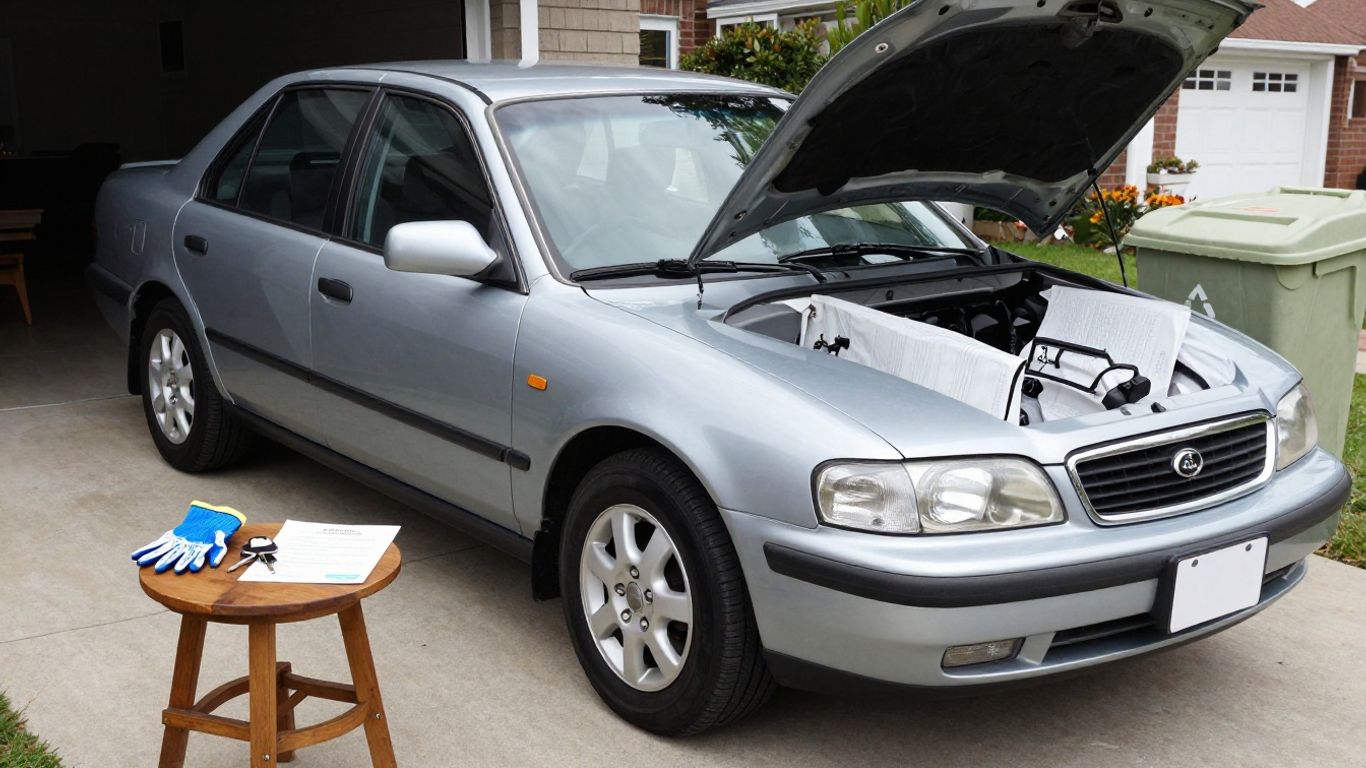
Preparation makes collection safer and reduces delays. Gather the paperwork, clear the cabin and trunk, and tell the provider about missing keys, flat tires, leaks, or damaged batteries. A little sorting also helps separate items that belong with the vehicle from items that should be reused elsewhere.
Gather the vehicle title and ownership documents
Have the title, registration details, identification, and any lien-release information available where applicable. Requirements vary by state, so check the relevant motor-vehicle authority before pickup. Keeping records in one folder is a simple habit also reflected in practical administrative guides such as Dubai Konnect, which describes company formation paperwork and approvals in Dubai, and this CIPD qualification guide, which organizes study and membership requirements.
Remove personal belongings and hazardous items
Search under seats, in door pockets, the glove compartment, and the spare-tire well. Remove medication, fuel containers, loose batteries, household chemicals, and electronics unless the provider specifically accepts them. If you are clearing other textiles or household goods at the same time, Parachute blankets are one example of a separate item that should be handled as a household possession rather than left in the car.
Identify reusable parts and valuable materials
Make a note of newer tires, working lights, intact mirrors, a replacement stereo, or recently installed components. Do not remove safety-critical parts without the right tools or permission, particularly if the vehicle is unstable. Instead, tell the provider what you know so the inspection can account for condition and potential reuse.
Cancel registration, insurance, and connected services
Follow your state’s process for returning plates, filing a release of liability, and ending registration. Contact your insurer after confirming the vehicle is no longer in your possession, and remove it from toll accounts, parking apps, navigation services, and remote-start systems. These steps prevent future charges and reduce the risk of someone accessing personal data stored in the car.
How to choose a sustainable car removal provider
A low price does not tell you how a vehicle will be dismantled. Ask direct questions about licensing, recycling partners, fluid recovery, paperwork, and pickup routing. A credible provider should be able to explain its process without vague promises or pressure to hand over the vehicle immediately.
Check recycling and disposal credentials
Look for relevant state or local licenses, environmental registrations, and evidence of a legitimate salvage or recycling destination. Ask whether the business uses certified facilities and whether it can provide a receipt or certificate after processing. Credentials do not guarantee perfect performance, but a refusal to discuss them is a meaningful warning sign.
Ask how vehicles and fluids are processed
Find out how gasoline, diesel, motor oil, coolant, refrigerants, brake fluid, and batteries are removed and stored. Ask what happens to airbags, tires, and catalytic converters as well. For perspective on controlled cleanup practices, the description of hoarding cleanup services explains why hazardous materials and biohazard risks require professional protocols; the same general caution applies when asking who handles contaminated vehicle materials.
Compare local pickup options and transport emissions
A local pickup can reduce the distance traveled before dismantling, especially when the car is not safe to drive. Ask whether the provider groups collections or uses a route that avoids an unnecessary empty return trip. If a vehicle must be moved a long distance, this guide to eco-friendly car shipping discusses how transporting multiple vehicles on one carrier can improve fuel efficiency per vehicle.
Review pricing, transparency, and customer feedback
Request a written quote that states whether towing, title processing, taxes, and deductions are included. Read recent feedback for patterns involving missed appointments, unclear valuations, or incomplete paperwork rather than focusing only on a single star rating. A transparent provider should explain how condition, weight, demand, and salvage value affect the offer.
What happens during the car removal process
The process generally moves from inspection to collection, then to depollution and dismantling. The exact order can vary with the vehicle’s condition and the facility’s equipment. Knowing the stages helps you notice whether the provider is taking environmental responsibilities seriously.
Vehicle inspection and valuation
The provider may confirm the vehicle identification number, title status, mileage, damage, and whether it starts or rolls. It may also assess tires, wheels, body panels, engine components, and other reusable parts. The resulting valuation reflects the car’s condition and recoverable materials, not simply its age.
Safe towing and collection practices
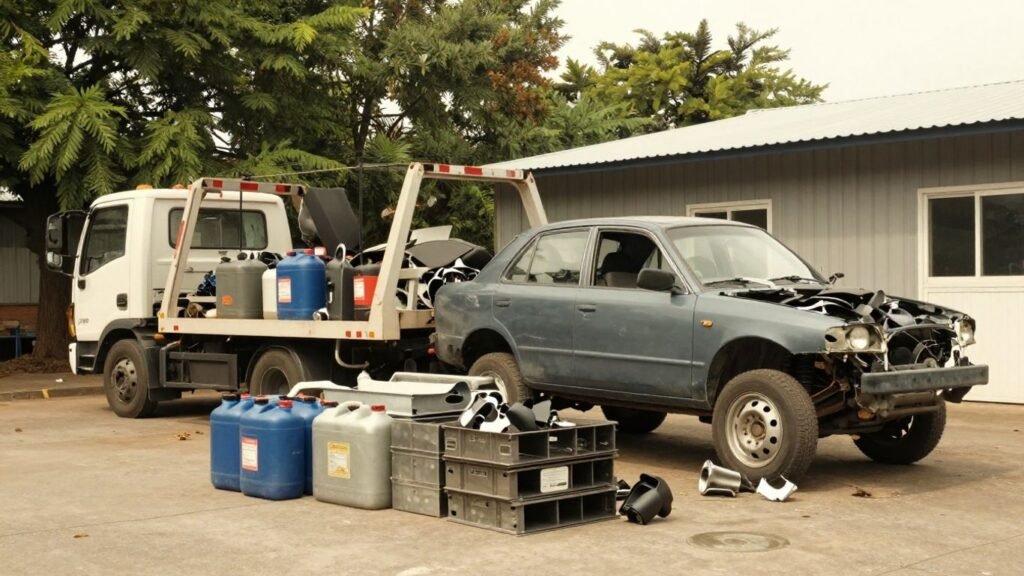
A non-running vehicle should be loaded with suitable equipment rather than driven onto public roads. The collection team should secure the car, protect the surrounding property, and address hazards such as broken glass, unstable bodywork, or a damaged high-voltage system. Tell the provider about those conditions before arrival so the correct equipment and precautions can be planned.
Fluid draining and hazardous-material handling
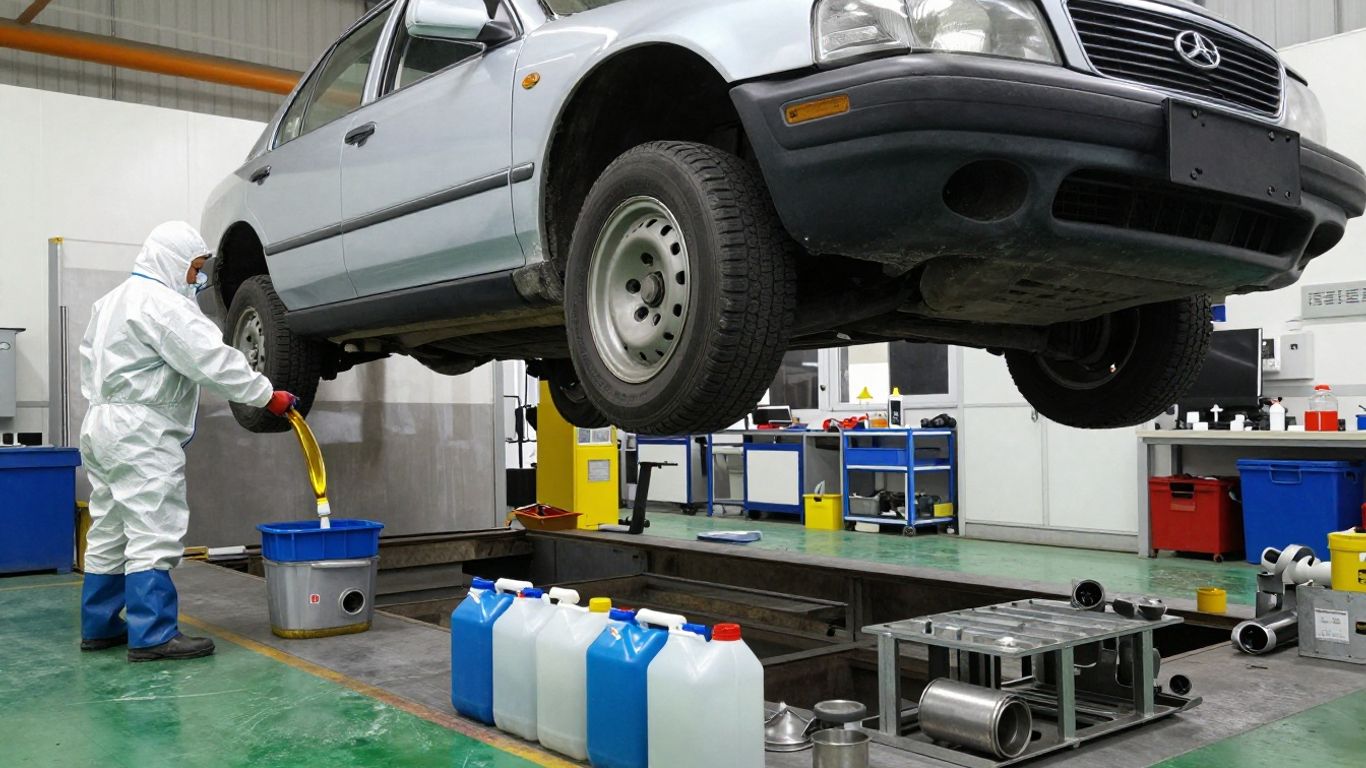
Before crushing or compacting, a responsible facility removes fluids and isolates components that can cause fires, leaks, or exposure. Batteries, refrigerants, airbags, and tires should move through appropriate recovery or disposal channels. Ask whether the facility keeps processing records, since a clear answer is stronger than a general claim that the car will be recycled.
Parts recovery and metal recycling
Usable components may be cleaned, tested, cataloged, and sold for repair work. The remaining shell is processed so steel, aluminum, copper, glass, and other materials can be separated as efficiently as possible. That recovery reduces demand for some virgin raw materials while giving the vehicle a useful endpoint beyond abandonment.
How to maximize your car’s environmental value
The highest environmental value does not always come from the largest immediate payment. Reusing a working component can avoid the manufacture and transport of a replacement, while proper recycling keeps materials in circulation. Your role is mainly to provide accurate information and choose a chain of custody you can verify.
Repair or donate usable components
If the car is close to roadworthy, compare the likely repair burden with its remaining service life. Individual parts may also be useful to a community repair program, educational workshop, or another owner, provided they are removed safely and legally. Do not donate leaking, contaminated, or safety-critical parts without professional assessment.
Choose certified recycling and salvage facilities
Ask where the vehicle will go after pickup and whether that destination is licensed for dismantling and recycling. A provider that names its facility, explains its environmental controls, and supplies documentation gives you more confidence than one that only says “eco-friendly.” Certification details should be current and relevant to the work being performed.
Keep documentation of recycling and disposal
Save the quote, bill of sale, release-of-liability confirmation, receipt, and any recycling certificate. These records can help resolve later questions about ownership, taxes, or environmental handling. They also make it easier to evaluate providers if you remove another vehicle in the future.
Avoid illegal dumping and informal dismantling
Never leave a car on public land, sell it to an unknown buyer without transfer records, or drain fluids onto the ground. Informal dismantling can expose people to hazardous substances and leave tires, batteries, and contaminated parts behind. Use a licensed route even when a shortcut appears cheaper.
How to make your next vehicle choice more sustainable
Disposal is only one part of a vehicle’s environmental footprint. The next purchase affects fuel use, manufacturing demand, maintenance needs, and eventual recycling. Start with how much you drive and what kind of trips you make, then compare vehicles that meet those needs without excess size or power.
Compare fuel-efficient, hybrid, and electric vehicles
Fuel economy, charging access, cargo needs, climate, and driving patterns all matter. An electric vehicle may suit regular local travel with dependable charging, while a hybrid can be practical for mixed driving. This vehicle pollution guide also covers driving less, choosing efficient vehicles, and maintaining a car for better efficiency.
Consider total lifecycle emissions
Look beyond the sticker price and tailpipe. Manufacturing, electricity or fuel production, maintenance, tire wear, and end-of-life treatment all contribute to a vehicle’s wider impact. Comparing several models with the same intended use produces a more useful result than labeling one powertrain automatically superior in every circumstance.
Maintain your vehicle to extend its usable life
Correct tire pressure, timely fluid changes, smooth driving, and repairs to emissions equipment can reduce waste and fuel consumption. Preventive maintenance also protects parts that may later be reused. Extending a vehicle’s safe service life is often preferable to replacing it early when the existing car still meets your needs.
Plan for future battery and end-of-life recycling
Before buying an electric or hybrid vehicle, ask about battery warranty terms, service support, and the manufacturer’s end-of-life pathway. Keep purchase and maintenance records, since they may help with future resale or recycling. Planning early makes eventual removal less disruptive and helps prevent batteries from entering unsuitable waste streams.
A sustainable vehicle decision is usually built from several modest choices: fewer unnecessary miles, careful maintenance, sensible transport, and a documented end-of-life plan.
Conclusion
Carbon conscious car removal is a practical way to reduce waste and avoid preventable pollution when a vehicle has reached the end of its useful life. Prepare the paperwork, remove personal items, ask detailed questions, and choose a provider that can explain how the car will be collected, depolluted, dismantled, and recycled. Those habits make disposal more responsible today and vehicle ownership more thoughtful tomorrow.
Frequently Asked Questions
What is carbon conscious car removal?
It is the process of removing an unwanted vehicle while limiting avoidable transport emissions, preventing leaks and contamination, and recovering reusable parts and recyclable materials.
Is repairing a car always greener than removing it?
No. Repair may be sensible when the vehicle can safely provide substantial additional service, but repeated failures, serious damage, or very poor efficiency can make responsible removal the better option.
What documents are usually needed for car removal?
Common requirements include proof of ownership, vehicle registration information, identification, and sometimes a lien release. Exact requirements depend on local rules and the provider’s process.
What should I remove before pickup?
Remove personal belongings, medications, documents, electronics, toll devices, fuel containers, and household chemicals. Ask the provider before handling batteries or other potentially hazardous items.
How can I tell whether a provider recycles responsibly?
Ask for licensing details, the destination facility, fluid-handling procedures, and post-processing documentation. Clear, specific answers are more useful than broad environmental claims.
Can an electric vehicle be recycled at the end of its life?
Yes, but its high-voltage battery requires specialized handling. Tell the provider that the vehicle is electric or hybrid and confirm that the battery will go through an appropriate recovery pathway.
Does towing an unwanted car create emissions?
Yes, collection uses fuel or electricity. A nearby provider, efficient routing, and consolidated transport can reduce the impact compared with a long individual drive or repeated trips.