
Key Takeaways
Responsible auto recycling keeps useful components in circulation and limits the pollution associated with abandoned vehicles.
- Fluids, batteries, tires, and electronics need controlled handling.
- Reusable parts should be assessed before the vehicle is reduced to scrap.
- Sorting steel, aluminum, plastics, glass, and rubber improves recovery.
- A reputable wrecker can explain its licenses, processes, and disposal records.
- Owners should prepare paperwork and belongings before arranging collection.
What environmentally friendly wreckers do differently
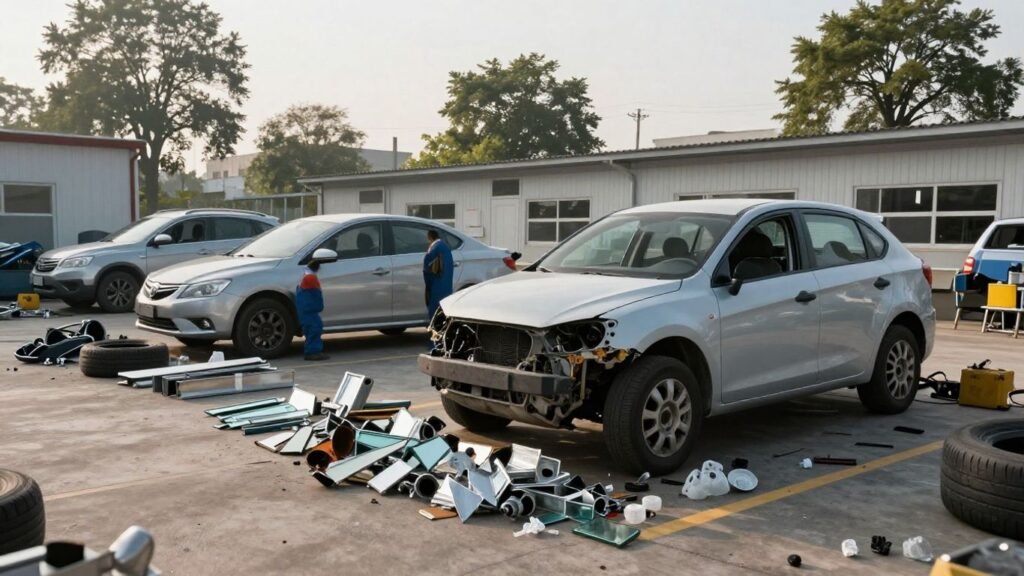
Environmentally friendly wreckers treat an old car as a collection of recoverable materials rather than a single waste item. Their work usually begins with depollution, followed by careful dismantling and sorting. The goal is to recover practical value while keeping harmful substances out of soil and water. That approach is also discussed in this guide to junk car recycling, which covers material recovery and responsible fluid management.
Vehicle depollution and hazardous fluid removal
Before dismantling starts, technicians identify and remove fuel, engine oil, coolant, brake fluid, refrigerants, and other potentially harmful substances. These liquids are collected in suitable containers rather than allowed to drain onto a yard surface. Removing them early protects workers and reduces the chance of contamination during crushing or transport. A careful facility should be able to explain where recovered fluids go and how they are handled.
Salvaging usable parts before recycling materials
A vehicle may be finished as transportation but still contain a functioning alternator, mirror, door, control module, or suspension component. Inspectors check condition, compatibility, and likely demand before removing such parts. Cleaning, testing, labeling, and storing them properly gives another vehicle a chance to stay on the road without requiring a newly manufactured replacement. The practice resembles the certified recycled-parts approach described for B&R Auto Wrecking, including dismantling and processing vehicles for responsible reuse.
Responsible handling of batteries, tires, and electronics
Batteries can contain corrosive chemicals and valuable metals, while tires and electronic modules require separate channels from ordinary ferrous scrap. Responsible wreckers isolate these items and send them to appropriate recovery or treatment facilities. Wiring may be stripped for copper, and tires may be reused or processed through specialist programs where available. This separation is a small operational detail with a meaningful effect on the quality of the recycling stream.
Reducing landfill waste through vehicle dismantling
Dismantling makes it possible to recover materials that would otherwise be buried with mixed waste. Steel and aluminum are especially valuable, but plastics, glass, rubber, and wiring can also be diverted when a facility has suitable outlets. The broader principle is simple: remove useful and hazardous components before the remaining shell is processed. Careful sorting prevents waste from being treated as an unavoidable part of vehicle disposal.
How the car recycling process works
Car recycling is a sequence of decisions, not one dramatic crushing step. The vehicle is inspected, depolluted, dismantled, and separated into material streams. Parts that can serve another car are handled differently from metal destined for a processor. The stages may vary by facility, but the same basic discipline supports efficient recovery.
Vehicle inspection and parts assessment
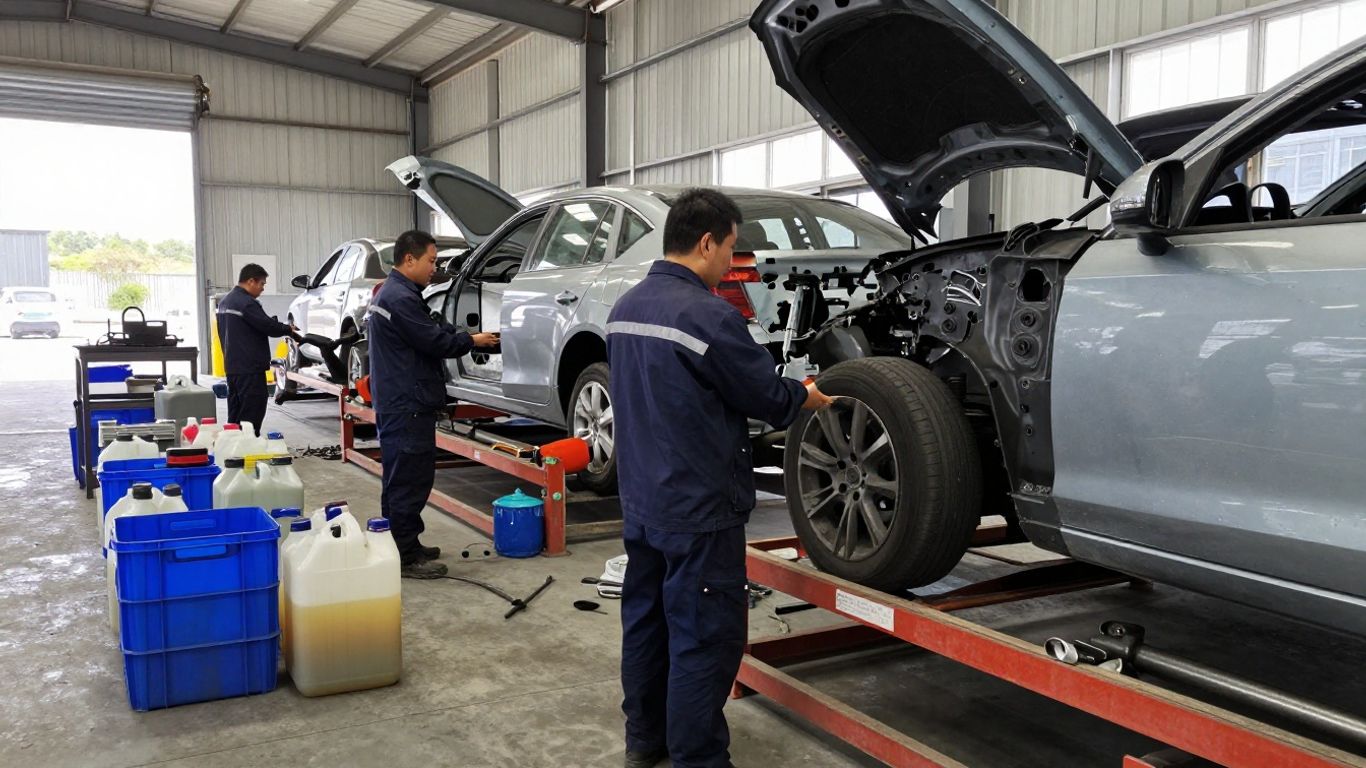
The first inspection records the vehicle’s identity, condition, major components, and likely salvage value. Technicians look for usable engines, transmissions, body panels, wheels, lights, and electrical equipment. They may also identify damaged or unsafe parts that should not be resold. This assessment determines the order of dismantling and helps prevent good components from being damaged unnecessarily.
Safe dismantling and component recovery
Once the vehicle is made safe, workers remove fluids, the battery, airbags, tires, and other components that require special care. They then recover reusable parts with tools and procedures suited to each assembly. Good dismantling protects the part as well as the person doing the work. The result is a cleaner vehicle shell and a more useful inventory of components.
Sorting metals, plastics, glass, and rubber
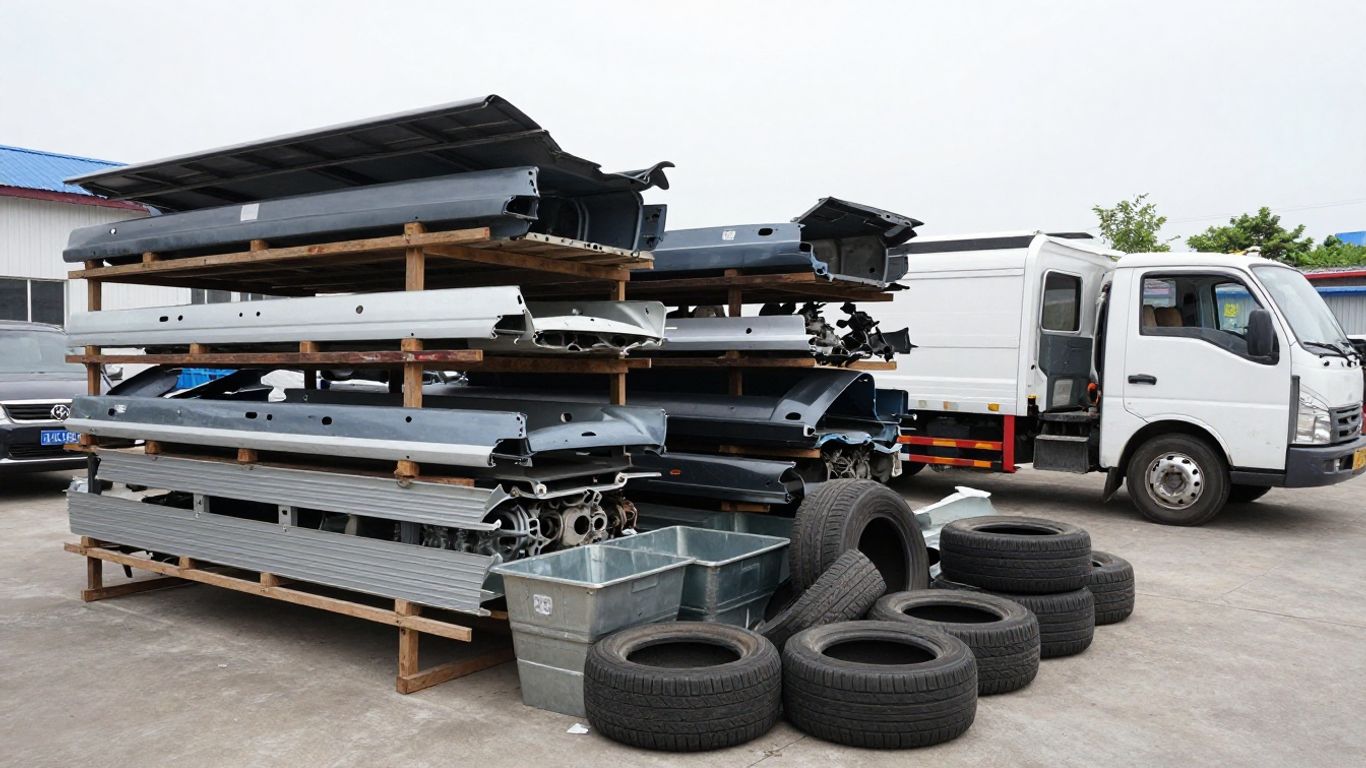
After reusable parts are removed, the remaining materials are separated into practical categories. Ferrous metals can be directed toward steel recycling, while aluminum and other nonferrous metals follow different processing routes. Plastics, glass, rubber, and wiring are kept apart when their material value or handling requirements justify it. A simple material map helps explain why this stage matters:
| Material stream | Typical recovery route | Main reason for separation |
|---|---|---|
| Steel and iron | Metal processor | High-volume ferrous recovery |
| Aluminum and copper | Nonferrous processor | Higher material value and distinct processing |
| Plastics | Specialist plastics recovery | Different grades and contamination concerns |
| Glass and rubber | Dedicated recycling or reuse channels | Separate treatment from metal scrap |
Once separated, these streams are easier to inspect, transport, and process. Sorting also reduces contamination, which can make otherwise recyclable material less useful.
Preparing recyclable materials for processing
Materials may be compacted, baled, shredded, or otherwise prepared according to the receiving processor’s requirements. The vehicle shell is often reduced in size for efficient transport, while loose materials are packaged to limit spills and cross-contamination. Records and load controls can help a facility track where material is sent. For a regional perspective on this model, Dallas wrecking yards are described as facilities that divert vehicle materials from landfills while supplying used parts.
A well-managed process ends with clear destinations for each major stream, not an anonymous pile of mixed debris. That transparency is useful when comparing facilities or asking what happens after collection.
Environmental benefits of using a car wrecker
Choosing a responsible wrecker can reduce the environmental burden associated with both vehicle disposal and replacement-part manufacturing. Reuse comes first where safe and practical, followed by material recycling. These activities do not make every vehicle impact-free, but they can prevent useful resources from being discarded prematurely. The benefit depends on consistent handling from pickup through final processing.
Conserving raw materials and manufacturing energy
Reusing a serviceable component avoids the need to extract and process all the raw material needed for a new one. Recycling steel, aluminum, copper, and other metals also keeps those resources in industrial circulation. Manufacturing energy, mining activity, and transport demand can be reduced when recovered materials or parts meet the need. The scale of the benefit varies by material, part condition, and what replacement would otherwise have been purchased.
Preventing oil and chemical contamination
An abandoned vehicle can leak fluids as seals deteriorate and metal corrodes. Batteries, refrigerants, and other substances create additional handling concerns. Depollution before crushing or storage sharply reduces the chance that these materials will spread through stormwater or soil. A wrecker that can describe its containment and collection procedures offers more reassurance than one that only promises quick removal.
Lowering emissions from parts production
A reused part does not require the same sequence of extraction, refining, fabrication, and distribution as a new replacement. Recycling metals likewise reduces the need to source every input from virgin material. The actual emissions difference depends on the part, its transport, its condition, and the energy used by each processor. Even so, extending the useful life of sound components is a practical way to reduce unnecessary production.
Supporting a circular automotive economy
A circular system keeps products and materials useful for as long as possible. In auto recycling, that means a tested component may return to service, while the vehicle’s remaining materials move into separate recovery channels. Owners looking at sustainability can also review eco-conscious car wreckers in Perth for an example of criteria such as recycling policies, certifications, and fluid management. The same questions apply in any region, even when local rules differ.
Choosing a responsible car wrecker
The cheapest quote is not always the clearest indication of responsible disposal. A good facility should explain what it removes, what it resells, what it recycles, and what it sends elsewhere. It should also handle ownership paperwork and collection details in a straightforward way. A few questions before booking can reveal whether environmental claims are supported by everyday procedures.
Checking licenses, certifications, and recycling policies
Ask whether the business is properly licensed for vehicle dismantling, waste handling, and used-parts sales in its jurisdiction. Certifications can provide useful external checks, although they should be current and relevant to the service being offered. Request a plain-language explanation of fluid, battery, tire, and refrigerant handling. A written policy or clear documentation is more useful than a vague claim that everything is recycled.
Comparing salvage and recycling practices
Some facilities focus heavily on parts recovery, while others primarily process scrap metal. Neither model is automatically irresponsible, but the owner should understand what will happen to the vehicle. Ask whether parts are inspected before sale, whether materials are separated, and which streams are sent to specialist processors. For another perspective on recycling yards and used components, readers can review BMW car wreckers, whose guide discusses dismantling, reusable parts, and recycling in a vehicle-specific setting.
Evaluating parts quality and warranty coverage
If you are buying a used component, ask how it was tested, whether its mileage or condition is known, and whether the facility offers a limited warranty or return period. Fitment information matters too, especially for electronic or drivetrain parts. A written description helps avoid an unnecessary second shipment and makes the purchase easier to evaluate. Responsible reuse includes selling a part honestly, not simply keeping it out of the landfill.
Identifying transparent vehicle disposal procedures
Before handing over the keys, confirm the pickup address, vehicle destination, payment terms, title requirements, and cancellation policy. Find out whether you will receive a receipt or disposal confirmation. A transparent operator can explain the chain from collection to dismantling without making the owner guess. That clarity protects both the environment and the customer’s records.
What parts can be reused or recycled
Nearly every vehicle contains several material and component streams with different recovery prospects. Condition, age, demand, and safety determine whether an item is reused, rebuilt, or recycled as material. Some parts are valuable because they are complex to manufacture; others are valuable because their metals can be recovered. The assessment should always come before the final processing decision.
Engines, transmissions, and drivetrain components
Engines, transmissions, differentials, axles, starters, and alternators may be candidates for testing or rebuilding. A technician checks for cracks, excessive wear, fluid damage, and other problems before listing a component. Heavy assemblies also need secure storage and accurate identification. When reuse is unsafe or uneconomical, the metal content can still enter a suitable recycling stream.
Body panels, lights, and interior parts
Doors, hoods, fenders, bumpers, mirrors, headlights, seats, dashboards, and trim can often be removed without being destroyed. Color, corrosion, cracks, and mounting damage affect their value. Interior parts may be particularly useful for repairing older vehicles whose original replacements are difficult to source. Careful labeling helps buyers find the right item and reduces wasted shipping.
Catalytic converters and other valuable metals
Catalytic converters contain small quantities of valuable metals and therefore require controlled handling and accurate identification. Copper wiring, aluminum housings, and steel assemblies also have recovery value. Because prices and regulations change, reputable facilities document these materials rather than making casual promises about payment. Secure storage is important as well, since valuable components can attract theft.
Glass, tires, plastics, and wiring
Windshields and other glass may be reused when undamaged, while tires can be assessed for safe reuse or sent for specialist processing. Bumpers and other plastic parts are separated when a suitable outlet exists. Wiring is often valuable for its copper content, but it must be kept distinct from contaminated or mixed waste. These less glamorous streams are part of what makes a vehicle dismantling operation genuinely thorough.
How to dispose of an end-of-life vehicle sustainably
Sustainable disposal begins before the tow truck arrives. Owners can make the process smoother by gathering documents, removing belongings, and asking direct questions about the vehicle’s final destination. Local registration and title rules vary, so the correct steps depend on the jurisdiction. Planning ahead also reduces the risk of sending a car to a facility that cannot document its handling.
Preparing the vehicle for collection
Tell the wrecker whether the car rolls, steers, starts, or has missing wheels. Disclose hazards such as leaking fuel, damaged batteries, deployed airbags, or access restrictions at the property. Remove non-vehicle waste from the cabin and trunk, and avoid dismantling components that may be required for identification. Accurate information helps the operator bring suitable equipment and prevents avoidable delays.
Removing personal belongings and important documents
Check the glove box, center console, door pockets, trunk, under-seat areas, and cargo compartments. Registration papers, insurance cards, garage remotes, toll tags, tools, and personal electronics are easy to overlook. Owners should also remove license plates if local rules require it. A final walk-through is worthwhile because a vehicle may be processed soon after pickup.
Understanding registration and ownership requirements
Have the title, proof of ownership, identification, and lien-release information ready when applicable. Contact the relevant motor-vehicle agency about cancellation, plate surrender, transfer, and notification requirements. Keep the bill of sale, receipt, or disposal record in a safe place. These steps help prevent future fees or confusion about who is responsible for the vehicle.
Comparing pickup, payment, and disposal options
Compare quotes only after confirming what the service includes. Ask whether towing is free, how payment is made, whether the price can change at pickup, and whether the vehicle will be dismantled or sent directly to scrap processing. A short checklist can keep the comparison practical:
- Confirm the total pickup and disposal cost.
- Ask where fluids, batteries, and tires will go.
- Verify the paperwork you will receive.
- Check the expected collection time and vehicle-access requirements.
Those details often reveal more than a broad environmental slogan. A responsible choice is one that combines fair terms with a disposal route the owner can understand.
Conclusion
Environmentally friendly wreckers help turn an end-of-life vehicle into a source of reusable parts and recoverable materials. By choosing a facility that depollutes cars, separates material streams, and explains its paperwork, owners can reduce waste without treating sustainability as an afterthought.
Frequently Asked Questions
What makes a car wrecker environmentally friendly?
It removes hazardous fluids and components safely, salvages usable parts, separates recyclable materials, and sends those materials to appropriate processors instead of relying on landfill disposal.
Can an old car still have valuable reusable parts?
Yes. Engines, transmissions, alternators, lights, body panels, wheels, interior components, and electronic modules may be reusable if they are inspected and found safe and serviceable.
What happens to the fluids in an end-of-life vehicle?
Fuel, oil, coolant, refrigerants, brake fluid, and similar substances should be drained into suitable containers and managed through approved handling or recovery channels.
Are all vehicle plastics recyclable?
No. Plastic type, contamination, condition, and the availability of a suitable processor determine whether a particular piece is recycled, reused, or discarded.
Should I remove the battery before collection?
Usually, the wrecker should be told about the battery and any damage rather than having an owner remove it without the right equipment. Requirements and safe procedures vary.
What paperwork is needed to scrap a car?
Common requirements include proof of ownership, identification, title information, and sometimes a lien release. Registration and plate procedures depend on local motor-vehicle rules.
How can I check whether a wrecker recycles responsibly?
Ask for licensing details, current certifications where relevant, fluid and battery policies, parts-testing procedures, processor information, and a receipt or disposal record after collection.