
Key Takeaways
Navigating the world of automotive components can be intimidating, but choosing pre-owned parts is often a smart way to manage vehicle maintenance budgets effectively.
- Second-hand components offer significant cost savings compared to dealership prices.
- Visual inspections of the pinion gear can reveal early indicators of future failure.
- Proper testing with a multimeter and battery helps verify solenoid performance before installation.
- Reliable sources like affordable used starters provide higher quality parts with some form of guarantee.
- Ensuring clean, rust-free mounting surfaces is essential for optimal electrical grounding.
Benefits and risks of choosing second hand starters
Cost-effectiveness compared to new oem parts
When your vehicle won’t turn over, the price tag on a brand-new factory unit can be a shock. Opting for a salvaged component allows you to save substantial money, as these units often cost a fraction of what you would pay for a new assembly from a dealership. For the mechanically inclined, utilizing used OEM parts creates an opportunity to keep older fleet vehicles running without exceeding budget constraints.
Common wear components inside an old starter
Internal starters contain brushes, contacts, and springs that naturally degrade over time from repeated cranking cycles. These components are usually hidden from plain view, making the internal condition of a salvaged unit difficult to gauge instantly. While the housing may look pristine, the internal copper contact points often suffer from carbon buildup, which restricts the electrical flow necessary for reliable ignition.
Environmental impact of recycling automotive parts
Choosing to reuse existing machinery is one of the most effective ways to reduce personal carbon footprints associated with vehicle ownership. By extracting functional components from decommissioned vehicles, you prevent perfectly good metal and electronic assemblies from entering a waste stream. This practice supports a cycle of sustainability, ensuring that durable metal components are repurposed effectively rather than being melted down prematurely.
Risks of premature failure in used units
Even a starter that passes initial visual checks can hide significant issues like an aging solenoid. The lack of documented usage history means you cannot predict the remaining lifespan of the unit, and failure might occur shortly after installation. It is often wise to consider the trade-offs carefully, weighing the immediate financial savings against the labor cost of pulling the part again if the unit fails unexpectedly.
How to inspect a used starter before purchasing
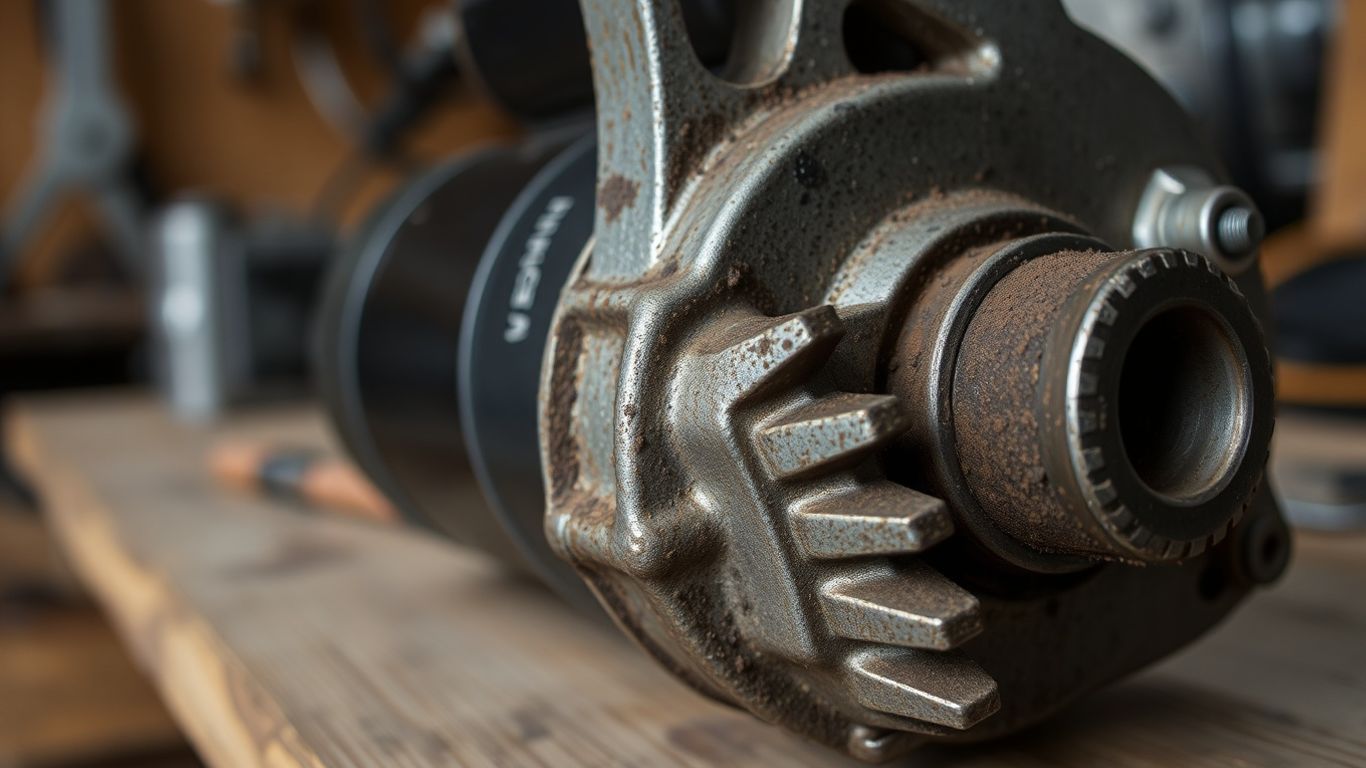
Checking the pinion gear for teeth damage
Before you commit to a purchase, inspect the teeth on the pinion gear for any visible chips or uneven wear patterns. If these teeth show significant scarring or rounding, they may fail to engage with the flywheel effectively, eventually creating a grinding noise. Look closely at the metal geometry to ensure the teeth appear uniform and capable of smooth meshing.
Identifying signs of overheating and solenoid failure
The exterior of a starter often provides clues about its past stress levels, such as discolored casing or a burnt smell near the solenoid wires. Units pulled from high-mileage vehicles often exhibit heat fatigue, where the plastic insulation on electrical pigtails feels brittle or cracked. You should also verify that the solenoid moves freely, as a seized plunger inside this housing is a common reason for a "no-start" condition.
Manually testing the motor shaft rotation
Check for mechanical binding by manually rotating the pinion gear while observing the shaft behavior. The movement should be consistent without any localized hitching or heavy resistance, which indicates a healthy starter drive. If the gear resists your hand pressure or feels gritty, the internal bearings likely need attention, making the unit a poor choice for your project.
Inspecting electrical terminals for corrosion
Corrosion at the primary electrical terminals can compromise the high-current connection required by the motor. Even slight oxidation on the mounting lugs can prevent the full voltage delivery from your battery, leading to sluggish cranking speeds. You should favor units that maintain bright, clean metal contacts, as those that have sat in harsh environments for years often develop deep chemical degradation that is difficult to fix without specialized equipment.
| Inspection Point | Visible Concern | Potential Action |
|---|---|---|
| Pinion Gear | Chipped Teeth | Refuse Purchase |
| Solenoid Casing | Heavy Discoloration | Verify Continuity |
| Electrical Studs | White Powder/Rust | Clean Thoroughly |
Conducting these steps ensures you catch potential duds before they reach your driveway. If the seller allows, use a basic continuity test to see if the terminals are actually connected to the internal windings.
Necessary tools for testing a starter at home
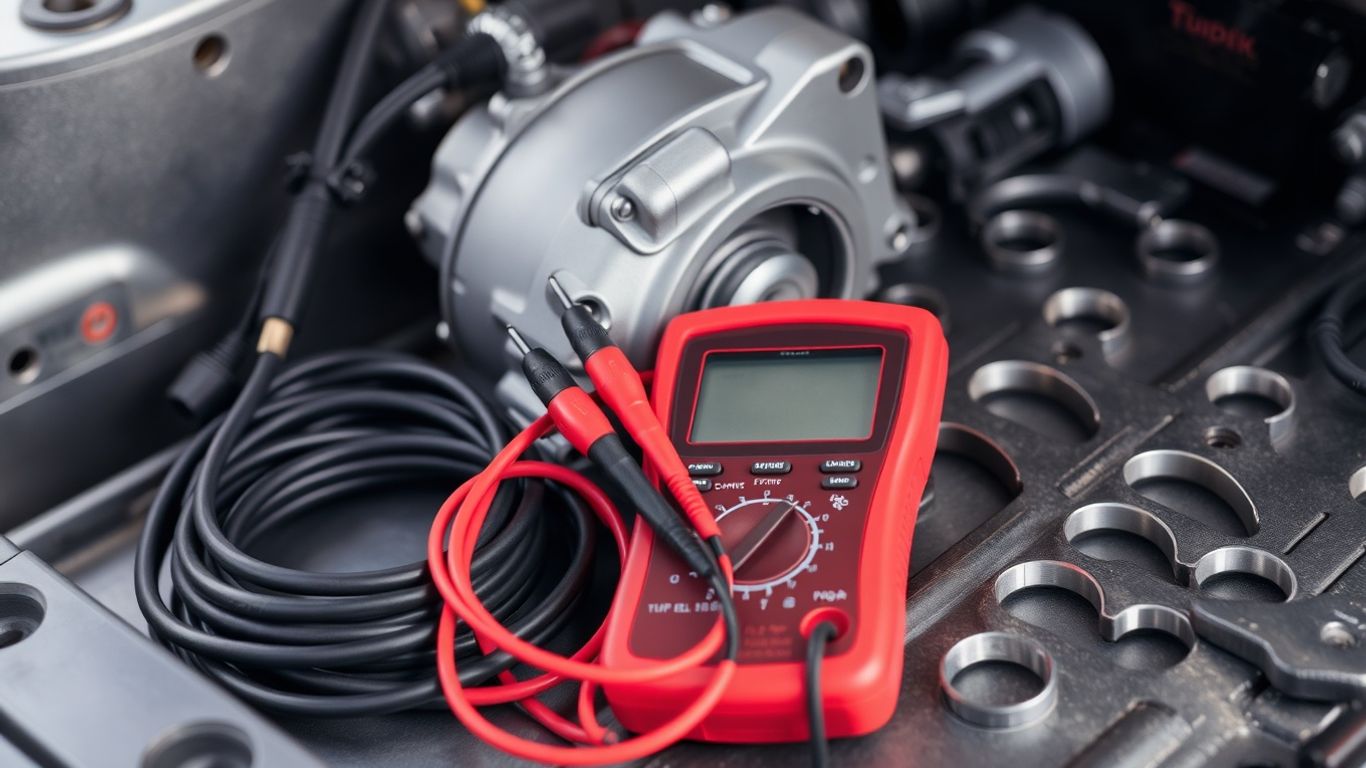
Utilizing a 12v battery and jumper cables
Bench testing a starter requires a stable power source, typically a standard 12v automotive battery, and reliable jumper cables. Carefully clamp the negative cable to the starter housing and touch the positive lead to the main terminal while jumping the solenoid signal terminal. If the motor kicks out and spins aggressively, you have confirmed that the core electrical and mechanical functions of the device are operational.
Measuring voltage drop with a multimeter
Using a digital multimeter allows you to verify that the internal windings are not significantly depleting voltage. Proper starter motor maintenance depends on the system delivering consistent power to the motor rather than losing it to internal resistance. A steady reading during the brief spin test confirms that the unit is not internally shorted, providing confidence that your electrical system will function as intended after installation.
Using a bench test stand for consistent results
While a direct battery test works, a bench test stand allows you to hold the unit securely, preventing it from jumping off the work surface during high-torque engagement. This setup also lets you observe the pinion extension timing, ensuring it reacts immediately when the signal is sent. Many enthusiasts prefer this method when comparing multiple units found through online parts marketplaces as it provides repeatability for each search.
Safety equipment and precautions for live testing
Working with high-amperage components requires caution to prevent accidental sparks or personal injury. Following common automotive best practices includes wearing eye protection and keeping flammable materials away from your workspace. Always ensure you are working on a non-conductive surface, and remember these guidelines:
- Never leave jumper cables connected longer than a few seconds.
- Ensure the housing is firmly grounded to the battery negative.
- Keep your fingers and loose clothing clear of the rotating pinion.
- Disconnect power immediately if you hear excessive clicking without spinning.
Applying these safety habits helps you avoid short circuits while verifying the health of your acquired equipment.
Sources for finding reliable second hand starters
Evaluating local auto salvage yards and breakers
Local salvage yards are excellent places to find parts while also seeing the donor vehicle’s overall condition firsthand. By walking the yard, you can often deduce if a car was maintained well before it reached the lot, which often correlates with the starter’s remaining life. Always ask the counter staff if they have any recently arrived inventory or if they can verify the mileage of the specific vehicle you are harvesting from.
Browsing reputable online automotive parts marketplaces
Digital platforms have simplified the search for specific part numbers, making it easier to match your exact vehicle year and model without leaving home. Look for listings that provide detailed photos of the terminal areas and the pinion gear, as these are critical for assessing condition remotely. Reliable sellers often categorize components by their donor vehicle’s mileage, which can help you prioritize newer over older options.
Verifying the reputation of private party sellers
Buying from a private individual can be more affordable but carries a higher degree of uncertainty regarding maintenance history. Pay attention to how the seller describes their process for removing and storing the part, as improper storage can lead to water ingress. Look for consistent communication and evidence that they understand basic automotive mechanical requirements before finalizing your deal.
Importance of purchasing from vehicles with verified history
Securing a part from a vehicle with a known history allows you to estimate wear cycles based on reported maintenance logs. If the donor vehicle underwent regular, scheduled servicing at a reputable shop, the electrical system likely remained healthy. This background provides peace of mind, knowing the component was likely pushed to its failure point by the car’s general scrap status rather than a known mechanical defect.
Installation tips for used starter motors
Cleaning the mounting surfaces for proper grounding
Starter motors rely heavily on a strong ground connection via the mounting bolts for consistent performance. Before securing the part to the transmission or engine block, use a stiff wire brush to scour the mounting tabs and the engine surface until they reveal clean metal. This ensures that the high-amperage electrical current has a clear path once the ignition is triggered.
Ensuring correct alignment of the mounting bolts
Improper alignment between the pinion gear and the flywheel can result in premature wear or total system failure. Start by threading both bolts by hand, ensuring they sit flush without resistance before tightening them with a torque wrench. If you find yourself forcing the bolts to bite, stop immediately as this indicates a slight misalignment that could stress the housing.
Inspecting battery cables for hidden corrosion issues
Even a high-quality starter will struggle if the vehicle’s main battery cables have become degraded over time. Inspect the connections at both the positive and negative ends to ensure they are free of white, powdery buildup or green oxidation. If the insulation near the terminal looks bubbled or swollen, consider replacing the cable assembly to ensure your new-to-you starter performs as expected.
Performing a final load test after installation
Once the starter is bolted into place and the wires are attached, run a final verification by checking the cranking speed during the first cold start. If the engine rotates rapidly and fires up immediately, you have successfully integrated the part into your vehicle’s electrical system. This check serves as the ultimate diagnostic for your efforts, confirming that all connections are secure and the component is drawing current correctly.
Conclusion
Finding and testing pre-owned starting equipment is an excellent, budget-friendly strategy for those comfortable with manual lead follow-up and mechanical tasks. By carefully inspecting your purchase for wear and ensuring proper electrical grounding during the installation process, you can maintain reliable vehicle performance without the high costs of brand-new alternatives.
Frequently Asked Questions
Can any starter be repaired if it fails?
Many starters are rebuildable, but the cost of the individual internal components often outweighs the convenience of sourcing a better-condition unit elsewhere. Unless you have access to specialized machine tools and specific replacement brushes or solenoids, it is generally more practical to replace the entire assembly.
How do I know if the starter is the problem or if it is the battery?
If you hear a rapid clicking sound but the engine does not turn over, your battery is often the culprit for lacking the necessary amperage. If you hear nothing at all or only a single loud click, the starter solenoid or motor internal components likely need closer inspection.
Do I need to be a professional mechanic to install a starter?
You do not need to be a professional, as most starters are accessible with basic hand tools like a socket set and a wrench. Always ensure you disconnect the negative battery cable first to prevent accidentally shorting the positive terminal against the engine block while working.
What does the pinion gear actually do?
The pinion gear is the small, toothed piece that physically extends and engages with the larger flywheel to transfer rotational force to the engine crankshaft. Once the engine hits a designated RPM, the gear retracts to decouple from the flywheel, preventing damage to the starter motor when the engine runs on its own.
Why is the ground connection so important?
A starter motor requires a massive amount of electrical current, and that path must be completed through the mounting bolts to the engine block. If the contact point is coated in grease, rust, or paint, the high resistivity will prevent the motor from developing the necessary torque to spin the engine.
Does mileage matter when buying a used starter?
Mileage is a useful indicator but does not guarantee performance, as a part that spent most of its time on a highway will have experienced fewer actual engagement cycles than one used daily for city errands. Evaluate each part based on its physical condition and cleanliness rather than strictly by the donor vehicle’s odometer reading.
Are there specific tools that can tell me when a starter will fail?
While there is no tool that can predict exactly when a component will cease to function, a multimeter can show you the electrical health of the unit. Monitoring voltage drops during initial testing gives you a sense of whether the internal windings are beginning to deteriorate due to age and heat exposure.