Key Takeaways
Transitioning to a replacement engine requires a thorough understanding of your vehicle’s mechanical needs and a careful selection process to ensure long-term reliability. By following these steps, you can successfully source and install a drivetrain component that extends the life of your vehicle without breaking your budget.
- Evaluate whether a repair fits your budget better than an engine replacement.
- Confirm the specific engine code to ensure compatibility with your vehicle chassis.
- Inspect the internal state of components like oil and coolant before final purchase.
- Retain all professional installation receipts to maintain warranty eligibility.
- Perform a proper break-in period to allow moving parts to seat correctly.
Understanding your Nissan engine replacement options
Difference between used, rebuilt, and remanufactured engines
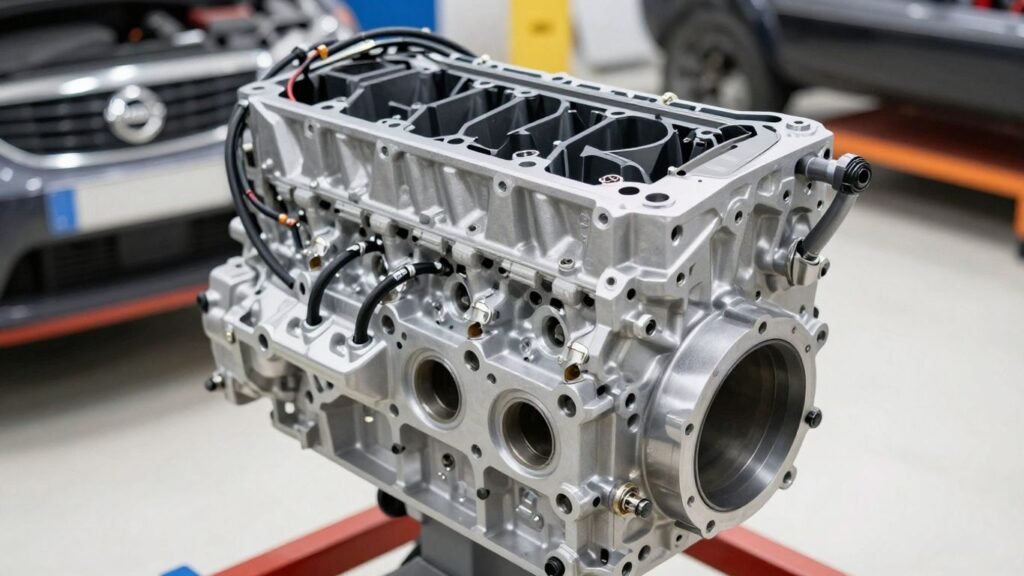
When exploring your options, understanding the distinctions between available units is fundamental to making an informed repair decision. A used engine is removed directly from a donor vehicle and sold as-is, which often presents the most affordable pathway but carries unknown internal wear. Rebuilt blocks have usually been partially dismantled and cleaned, with specific worn components replaced to restore basic function. In contrast, remanufactured engines represent a more thorough process where the entire assembly is brought back to original factory specifications, often meeting the performance standards found in the Kia EV3 electric drive systems.
Identifying your specific engine code
Mechanical compatibility hinges on referencing your vehicle’s unique engine code, a sequence that identifies its displacement and manufacturing family. You can generally find this stamp on the engine block itself or within the service manual provided during initial vehicle ownership. Consulting the Nissan Motors engine list provides a straightforward way to decode these identifiers, ensuring you do not mismatch a front-wheel-drive mounting point with a rear-wheel-drive configuration. Relying on this code is the most reliable way to avoid the frustration of mounting a unit that will not physically fit or connect to your existing engine harness.
When to replace versus when to repair
Deciding between a major repair and a full swap often comes down to the extent of internal damage and the projected longevity of the car. If your cylinder walls are scored, your head gasket has failed repeatedly, or the block itself has cracked, replacing the entire engine is frequently more economical than attempting a bottom-end overhaul. Conversely, if the issue is limited to a faulty sensor or a worn timing component, a simple repair can save you significant time. Consider this breakdown to help visualize your decision:
| Issue Type | Typical Repair Complexity | Cost Expectation |
|---|---|---|
| Cylinder Head Failure | Moderate | Low to Medium |
| Bottom End Seizure | High | High |
| Minor Sensor Failure | Low | Minimal |
Evaluating your budget in this manner helps you focus on the most viable path forward for your specific situation. Similar to how one evaluates the logistical necessity of selling a home when moving, you must weigh the ongoing maintenance costs of your current power plant against the upfront investment of a new unit.
Where to find reliable Nissan second hand engines
Sourcing from local auto salvage yards
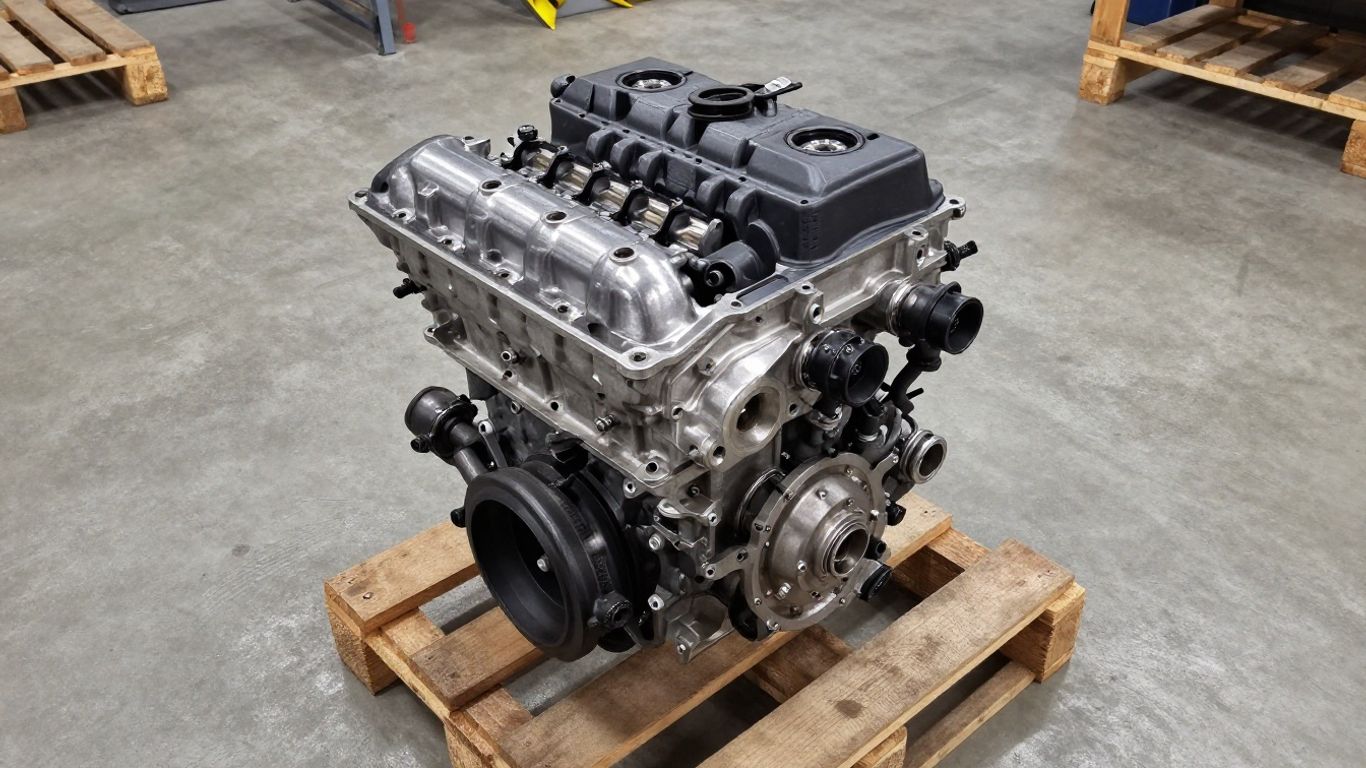
Local salvage yards remain a classic resource for finding parts at a lower price point, as they allow you to physically examine a vehicle before a crew pulls the engine for you. This hands-on approach can be beneficial if you enjoy local search missions, though it requires a bit of patience and a willingness to verify the vehicle’s history independently. It is similar to navigating the local market for pets, where Board and Train services ensure you have the right support for your needs, except here the support is your own mechanical expertise and a keen eye for detail.
Benefits of using online engine marketplaces
Online platforms have transformed how individuals procure drivelines by aggregating stock from thousands of locations across the country. Browsing Reman-engine.com allows you to filter by specific displacement and mileage without leaving your garage, simplifying a task that previously took days of phone calls. These sites often provide logistics support, streamlining the heavy transport process directly to your mechanic.
Advantages of buying directly from certified auto recyclers
Certified recyclers offer a high level of transparency, often providing extensive documentation on the donor vehicle’s service life. When you purchase from an entity like AutoPartMax.com, you benefit from their rigorous inventory management and standardized testing protocols. These recyclers typically provide professional cleaning and preliminary bench testing, which decreases the likelihood of receiving a lemon. Furthermore, they are often staffed by experts who can answer detailed questions about interchangeability and compatibility.
Inspecting a Nissan second hand engine before purchase
Checking for external signs of engine wear and damage
Before you commit, start with a visual audit of the exterior housing and accessory mounts. Look for signs of excess oil leakage near the valve covers, oil pan gasket, and rear main seal, as clean engines are easier to track for future leaks. Check the wiring harness for rodent-damaged connectors or brittle insulation that might signal exposure to harsh environments while in storage.
Verifying compression test results and mileage history
Compression testing provides a direct look into the internal health of the chambers without having to tear the engine down. You want to see consistent numbers across all cylinders, as a major drop in one indicates bent valves or worn piston rings. Always cross-reference the mileage history provided by the seller with the vehicle’s apparent physical state to ensure the numbers match the reality of the block’s use. If you need highly specialized performance, JDM Engine Zone is a great resource for imported power plants that often come with tracked data.
Reviewing the Vehicle Identification Number (VIN) for compatibility
Every vehicle unit is tracked via its VIN, and you should ensure the unit you are buying matches the requirements set for your car’s trim level. This is critical for matching ECU mappings and sensor compatibility. Taking this step prevents the common issue of discovering minor differences in intake geometry half-way through the installation process.
Analyzing oil and coolant condition for signs of neglect
Pull the dipstick and check the oil for a milky, light-brown coloration that indicates coolant contamination. Similarly, look inside the coolant overflow tank or radiator inlet for oil swirls, which suggest a blown head gasket. Neglect is often visible in these fluids, as owners who ignore oil changes are rarely meticulous about the rest of the engine’s maintenance schedule.
Essential components to replace during the swap
Managing intake manifold gaskets and critical seals
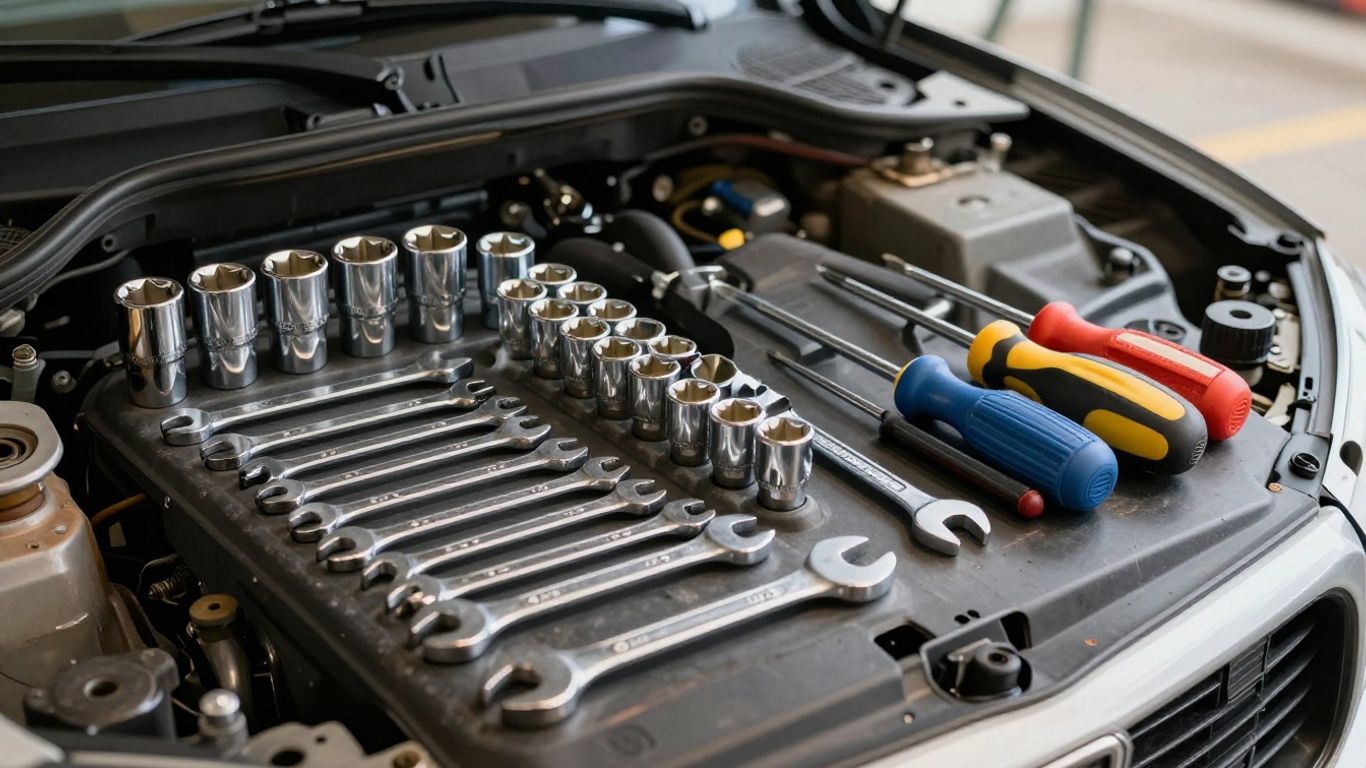
When the engine is removed, you have a rare opportunity to reach the back and side of the block that are usually pressed against the firewall. Replacing the intake manifold gasket while the unit is out is essential, as this seal often fails on aged vehicles. It is a proactive step that costs very little in terms of parts but saves hours of labor later. Also remember to check gaskets as you prepare for buying affordable property in your project plans, ensuring every connection is flush.
Timing belt and water pump preventative maintenance
Many high-mileage engines are sold near the manufacturer’s suggested interval for timing belt service. Do not trust the word of the seller on these items; it is cheaper to replace these components while the engine is resting on a stand. Installing a fresh water pump ensures your cooling system remains efficient from the very first start-up, preventing a potential overheat in the newly swapped block.
Updating sensors and electrical connectors for plug-and-play success
Transfer your existing well-functioning sensors if the new unit’s sensors look questionable or damaged by weather. Ensuring that every electrical connector is clean and free of corrosion is vital for a smooth signal path. Dealing with a faulty crankshaft position sensor after the engine is in the bay is an experience to be avoided at all costs.
Choosing the right fluids and filters for the initial break-in period
For the first five hundred miles, use high-quality mineral or semi-synthetic oil designed to allow fresh surfaces to seat against one another. Change the oil and filter promptly after this initial period to clear out any small metallic particles created during the seating process. Proper lubrication from day one is the single best strategy for ensuring your swap lasts for years to come.
Installation tips and common pitfalls
Preparing the engine bay for the new unit
Clean the engine bay thoroughly before the new unit arrives, as a workspace free of caked-on grease allows you to spot fresh leaks immediately. Inspect the mounting points for stress cracks and ensure your wiring harness is staged securely so it does not get crushed during the lowering procedure. Taking your time to organize the workspace will drastically reduce the stress of the lift.
Correctly aligning transmission and motor mounts
Alignment is everything when you are mating the transmission to the engine bell housing. Never force the transmission onto the engine block; if the bolts do not slide in by hand, the shafts are not aligned properly. Use a transmission jack to slowly adjust the angle until the faces meet perfectly flush.
Troubleshooting common start-up issues and fault codes
Expect a few minor bugs during the maiden voyage, as the ECU may need time to relearn its idle and fuel trimming parameters. If you encounter warning lights, use an OBD-II scanner to read the specific fault messages immediately. Often, these are simple issues like a loose vacuum hose or a slightly misplaced ground wire that might require fast and secure shipping of minor replacement parts.
Ensuring proper break-in procedures for high-mileage blocks
Avoid sustained high RPM or heavy towing during the first week of driving. Gradual application of load helps the piston rings and bearings adjust to the pressures of the engine without overheating. Patience during this phase is the difference between a long-lasting swap and an immediate return to the shop.
Protecting your investment with warranties
Standard warranty periods offered for salvaged parts
Most recyclers offer a limited warranty period, usually ranging from 30 to 90 days, which is intended solely for defect identification. Read the fine print carefully, as these warranties often cover the cost of the part but rarely include the labor required to remove and replace a faulty unit. Understanding these limits upfront helps you manage your expectations regarding total project costs.
Documenting professional installation to validate claims
Many salvage yards and used engine sellers require proof of professional installation by a certified mechanic to honor their warranty. Keep all of your invoices, which should detail the replacement of specific items like belts and pumps. This documentation is your only insurance if the engine exhibits a catastrophic failure shortly after installation.
Understanding what typical used engine warranties exclude
Most used engine warranties explicitly exclude damage caused by overheating, low oil pressure from improper lubrication, or modifications such as performance turning. They will not cover bolt-on modifications that increase the stress beyond the manufacturer’s original design limits. Focus on a stock-style installation if you want to remain within the safety parameters of your purchase agreement.
Conclusion
Selecting a second-hand Nissan engine allows you to revitalize your vehicle with confidence when you approach the process with appropriate caution and planning. By verifying your engine code, inspecting the unit for signs of neglect, and performing necessary preventative maintenance before installation, you create a path to reliable performance for miles to come. Remember that careful documentation and patience during the initial break-in period are just as essential as the mechanical swap itself, ensuring your investment serves you well.
Frequently Asked Questions
Is it better to buy a used or a rebuilt Nissan engine?
A used engine is typically the less expensive route, suitable for vehicles where long-term future value is less of a concern than immediate functionality. A rebuilt engine offers increased reliability because major internal wear parts have been replaced, though it comes at a higher cost.
How do I know if an engine will fit my vehicle?
You must match the engine code found on your current block with the replacement unit to ensure the mounting points and external dimensions are identical. Cross-referencing the VIN of the donor vehicle with your own car’s requirements is the most accurate method.
What should I check before buying a used engine?
Always perform a compression test, look for oil or coolant contamination in the fluids, and inspect the exterior for signs of damage to sensors and wiring. Verifying the mileage history through the engine’s original vehicle records provides extra reassurance.
Do used engines come with accessories like alternators?
Most used engines, often called long blocks, come with the internal components but may exclude external bolt-ons such as the alternator, power steering pump, or A/C compressor. Always confirm what exactly is included in the sale before finalizing the purchase.
Why is the break-in period important for my new engine?
Break-in periods allow the internal moving parts to seat together properly under moderate load, which optimizes compression and reduces the risk of long-term oil consumption. Pushing an engine too hard immediately after installation can lead to premature wear or overheating.
Can I install a used Nissan engine myself?
It is possible if you have advanced mechanical skills, specialized tools, and a safe way to support both the car and the engine during the lift. However, many suppliers require professional installation documentation for warranty validity, so check your provider’s terms first.
How long should I expect a used Nissan engine to last?
The lifespan of a used engine depends entirely on its prior maintenance history, the installation process, and how well it is cared for after being placed in your car. With good maintenance habits, a properly installed unit can provide many years of reliable daily service.