
Key Takeaways
Navigating the market for pre-owned automobiles requires a balance of mechanical intuition and careful vetting. These five points summarize the core principles for evaluating and maintaining a quality vehicle.
- Prioritize documented history and consistent service logs over low mileage alone.
- Conduct thorough physical examinations of engine components and fluids.
- Utilize certified programs to secure comprehensive warranty protections.
- Test drives reveal drivetrain inconsistencies that reports often omit.
- Establish a proactive maintenance schedule to ensure long-term reliability.
Understanding the reliability of Mitsubishi used motors
When evaluating the durability of these engines, enthusiasts often look toward the core mechanical engineering that defines each generation. Understanding the engine’s lifespan requires looking beyond anecdotal evidence and focusing on the consistency of the internal build quality. While every vehicle involves costs of owning a machine that buyers should define, these engines generally reward owners who prioritize regular attention to internal components.
Historical performance metrics
Mechanical longevity is often tied to how the engine block handles heat dissipation and lubrication cycles over hundreds of thousands of miles. Legacy designs often emphasized simplicity, which allowed for easier routine work during the initial years of ownership. Engineers focused on balancing structural integrity with material density to prevent premature wear in the piston chambers.
Common maintenance milestones
Critical junctures usually occur around the 60,000 and 100,000-mile marks, where cooling system components and timing elements require professional assessment. Neglecting these milestones can lead to cascading failures that diminish the motor’s overall efficiency. Proactive attention during these stages ensures that the vehicle remains a dependable daily driver for years to come.
Identifying engine-specific issues
Visible signs of distress, such as oil consumption or irregular idling, often point toward seal degradation or sensor malfunctions. Advanced diagnostic tools can identify these faults before they cause significant mechanical damage, making them vital for any serious evaluation. By addressing subtle warnings early, owners avoid the risk of more severe, cost-prohibitive issues developing later.
Key factors for inspecting a used Mitsubishi
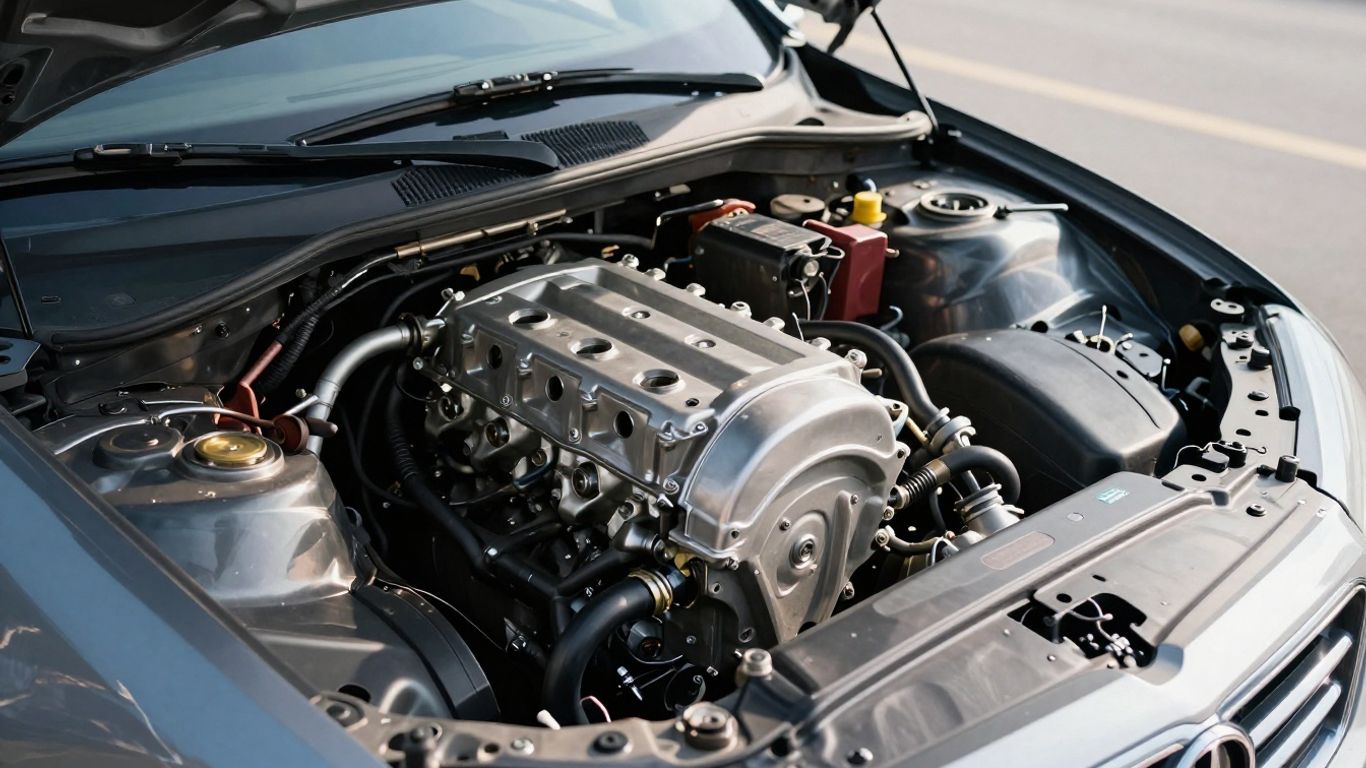
Conducting a systematic inspection of a pre-owned vehicle provides the clarity needed to make a confident purchase decision. Buyers should approach the inspection as a diagnostic exercise rather than a casual walkaround. When visiting quality used cars in Bakersfield, look for signs of consistent care rather than just surface-level cleanup.
Checking vehicle history reports
Comprehensive records provide the baseline for every physical inspection, detailing past ownership, major accidents, and recorded title issues. These reports act as a safety net, exposing gaps in the official maintenance narrative that sellers might overlook. Trustworthy sellers will always have these documents ready, as they establish a baseline of accountability for the vehicle’s long-term health.
Conducting a physical under-the-hood inspection
Examining the engine bay should involve a tactile and visual audit of belts, hoses, and fluid reservoirs. You should check the color of the engine oil and transmission fluid, ensuring they match manufacturer specifications rather than displaying signs of oxidation or metal shavings. Fluid quality serves as a primary indicator of how the previous owner managed the vehicle’s internal chemistry.
Evaluating transmission and drivetrain health
Internal drivetrain components often show wear through subtle noises or hesitation during shifts under varying load conditions. A professional inspection should involve checking for smooth gear engagement and an absence of unusual vibration patterns that suggest worn differentials or axles. Ensuring the powertrain feels consistent across speeds is a crucial step for any buyer wishing to avoid immediate repair costs.
Comparing popular Mitsubishi models
Selecting the right model depends on matching individual lifestyle needs with specific mechanical strengths. Whether searching for a family SUV or an efficient commuter, understanding the unique traits of the lineup helps narrow the search. Many drivers visit North Orlando Mitsubishi to compare these capabilities in person.
The versatility of the Outlander
This SUV platform balances interior space with an adaptable powertrain, making it a favorite for those managing cargo and passengers simultaneously. Its engineering allows for a stable ride while maintaining respectable fuel efficiency for its vehicle class. Many owners find its design provides the mechanical reliability necessary for high-mileage highway driving.
Compact efficiency in the Mirage
Smaller engines provide significant fuel economy benefits for urban environments where stop-and-go traffic is the standard experience. This model simplifies mechanical demands by utilizing a lightweight architecture that translates into lower long-term service requirements. It remains a practical choice for buyers focusing on utility and daily operational cost-savings.
Performance features of the Eclipse Cross
Blending modern aesthetics with a turbocharged response, this model focuses on providing a more spirited driving experience. The integration of advanced handling systems makes it suitable for diverse road conditions, offering both agility and traction. Potential owners should evaluate how its specific drivetrain design aligns with their expected frequency of long-road travels.
Essential steps before closing the deal

Finalizing a purchase agreement is the moment where thorough preparation serves the buyer most effectively. Before signing, ensure you understand the legalities of the transfer and the full scope of the financial agreement involved. Connecting with Augusta Mitsubishi can often provide insight into how professional documentation ensures a smooth transfer of ownership.
Taking a comprehensive test drive
A test drive should last at least twenty minutes and include both highway speeds and low-speed maneuvering to test the steering and suspension responses. Pay close attention to how the vehicle brakes and accelerates, as these actions illuminate hidden faults in the master cylinder or induction system. Understanding the difference between brokers and carriers for potential transport after the sale is also a smart pre-closing consideration.
Analyzing service records and paperwork
Verification requires cross-referencing repair dates with the current odometer reading to ensure regular maintenance was prioritized. Missing gaps in documentation may suggest forgotten fluid changes or skipped mechanical updates. Organizing these records into a clear timeline provides the buyer with a solid basis for their future maintenance planning.
Negotiating based on current market valuation
Use market data to justify a fair offer, highlighting any specific maintenance items that will require immediate attention. A transparent negotiation strategy builds trust between parties and helps ensure that the final price reflects the objective state of the vehicle. Consider these points in the following evaluation table:
| Inspection Element | Priority Level | Estimated Action |
|---|---|---|
| Brake System Health | High | Replace pads if under 3mm |
| Engine Fluids | Medium | Flush and refill oil/coolant |
| Tires and Alignment | Medium | Rotation every 5,000 miles |
Careful consideration of these elements ensures that no buyer enters into an agreement without fully understanding the financial commitment required.
Certified pre-owned programs versus private sellers
Deciding between purchase channels depends on one’s tolerance for risk and the desire for extended coverage. Whether opting for a professional dealer or a private sale, the key is verifying the status of the vehicle components. Managing the logistics of acquiring new patients or managing a high-end vehicle portfolio requires vetting the seller’s legitimacy.
Benefits of dealer-backed warranties
Certified programs, such as those for Certified Pre-Owned Mitsubishi models, offer a level of risk mitigation that individual sellers cannot match. These vehicles undergo an extensive certification checklist, ensuring that major systems meet factory standards before being listed for sale. Owners gain peace of mind from knowing a manufacturer-backed entity stands behind the technical condition of their investment.
Risks and rewards of private sales
Private transactions often present lower upfront pricing but require the buyer to absorb all post-purchase mechanical risks. You gain financial flexibility in the deal, but you lose the institutional oversight provided by a certified facility. Success in these sales depends entirely on your ability to detect potential faults during your own preliminary assessment.
Verification procedures for Certified Pre-Owned vehicles
Dealers follow strict rubrics when evaluating vehicles for certification, focusing on body integrity, electrical performance, and drivetrain consistency. Buyers should ask for a copy of the completed certification report to review which specific items passed inspection. This transparency level keeps the buyer informed of what items were serviced or replaced during the reconditioning process.
Long-term maintenance for your Mitsubishi investment
Properly managing an older vehicle involves a commitment to timely service and specific component selection. Taking a systematic approach to care helps preserve the vehicle’s market value and ensures daily operational reliability for years. For specialized parts, some enthusiasts find value at ShoeResidence for specific accessories or look toward the Capitol Mitsubishi service team for legacy support.
Establishing a factory-recommended service schedule
Adhering to the manufacturer’s intervals for oil changes, belt replacements, and fluid system flushes is the most reliable way to prevent long-term wear. Owners should create a physical record of each service event to maintain a continuous history that protects their long-term equity. The following bulleted items outline the essential maintenance items to monitor regularly:
- Inspect cooling system hoses for signs of cracks or brittleness.
- Check transmission fluid levels during every oil change cycle.
- Evaluate battery terminal connections for corrosion and tightness.
- Verify light function across external and internal instrument clusters.
Following these routines consistently keeps the vehicle performing as intended, avoiding the need for emergency repairs on the roadside.
Sourcing genuine OEM components versus aftermarket parts
Original Equipment Manufacturer components are designed to match the vehicle’s engineering tolerances exactly, which is why technicians often recommend them for critical systems. While aftermarket options may seem attractive due to their lower cost, they often lack the precise fitment required to maximize engine longevity. Choosing the right parts is an investment in the overall endurance of the motor.
Working with qualified independent mechanics for older models
Finding a shop with experience in this specific brand ensures that your vehicle is serviced by professionals who understand its unique mechanical nuances. These specialists often have access to diagnostic libraries that generic shops do not, allowing for faster and more accurate troubleshooting. Building a long-term relationship with a trusted local mechanic is the final step in ensuring your motor continues to run smoothly for the long haul.
Conclusion
Choosing a pre-owned vehicle successfully hinges on your ability to combine mechanical research with clear, logical inspection steps. By focusing on verified histories, professional inspections, and consistent future maintenance, you ensure your investment delivers reliability for every mile. Whether you utilize certified programs or private sellers, the attention you pay to the vehicle’s condition today defines its performance tomorrow and keeps the total cost of ownership manageable.
Frequently Asked Questions
What is considered high mileage for a used vehicle?
High mileage is typically defined as anything exceeding 12,000 to 15,000 miles per year, but the mechanical condition often matters more than the raw number on the odometer.
How often should I change the transmission fluid in an older car?
Most manufacturers recommend a transmission fluid flush or exchange every 30,000 to 60,000 miles, depending on the driving conditions and the type of transmission.
Can I negotiate the price of a certified used car?
Yes, bargaining is common with certified vehicles, especially if you can point toward required maintenance items that will soon be necessary or highlight current market trends.
Should I prioritize a lower price or a longer warranty?
This depends on your risk tolerance, but a longer warranty provides significant protection against unexpected failure, which can eventually save more money than a low upfront price.
What are the main signs of a failing drivetrain?
Listen for whining noises during acceleration, feel for slipping during gear changes, or check your driveway for pools of oil or other fluids under the center of the vehicle.
Is it safer to buy from a dealership or a private party?
Dealerships offer more accountability through written warranties, while private parties may offer a lower price point but shift all troubleshooting responsibilities onto the buyer.
How does regular maintenance affect resale value?
Keeping a comprehensive, dated file of every service performed shows future buyers that the car was treated with care, which usually justifies a higher asking price when you decide to sell.