
Key Takeaways
- Understanding the differences between remanufactured, rebuilt, and performance engines helps you select the right unit for your vehicle requirements.
- High-quality remanufactured engines offer rigorous testing and warranty protections that surpass standard salvage yard components.
- Verifying engine compatibility through VIN matching and examining service history records prevents costly installation errors or unexpected mechanical issues.
- Comprehensive supplier evaluation, covering return policies and technical support, ensures a smoother procurement experience and better long-term reliability.
- Proper vehicle preparation, fluid management, and adherence to break-in procedures are critical for maximizing the lifespan of your replacement engine.
Types of Ford engines available
Finding the right powertrain replacement often requires balancing immediate budget needs with long-term mechanical goals. Whether your vehicle is a daily driver or a restoration project, understanding the landscape of available units is essential for making an informed purchase.
Remanufactured versus rebuilt units
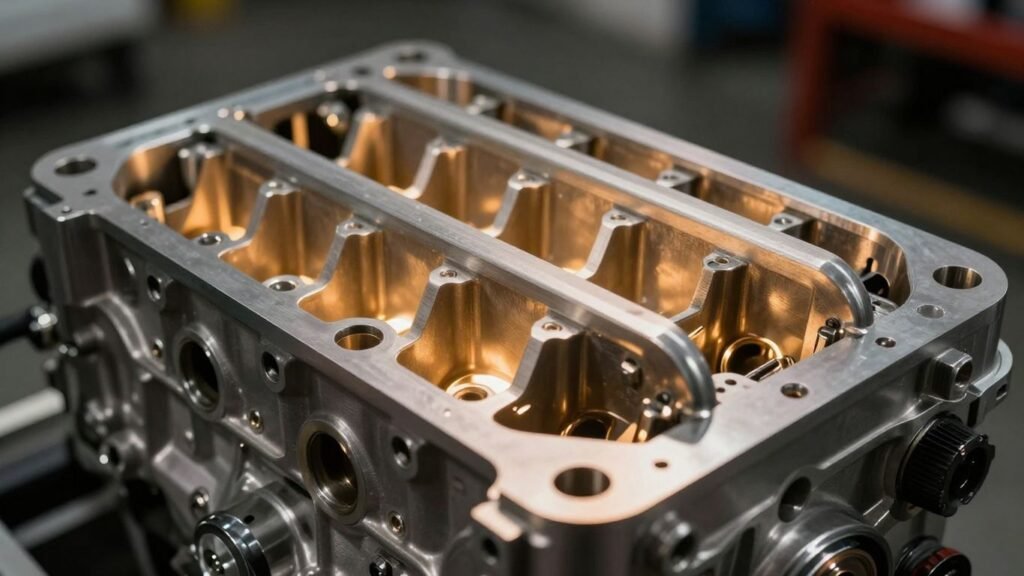
Many vehicle owners prioritize remanufactured engines because these units are restored to factory specifications using modern machining techniques. When you search for high-quality remanufactured Ford engines, you are generally looking at an assembly where components have been measured, cleaned, and replaced with parts that meet original equipment standards.
Ford Performance crate engines
For those seeking raw power or an upgrade, crate engines offer a turn-key solution direct from the manufacturer. You might explore high-performance Ford crate engines if your primary goal is to boost vehicle output for racing or custom builds. These engines arrive ready to install and typically come with modern improvements over the original stock designs.
Used salvage yard pulls
Salvage yard components represent the most affordable option, though they come with inherent risks regarding unknown internal wear. Sometimes, finding an original unit is necessary for specific mechanical compatibility or vintage accuracy. However, this route lacks the performance benefits found when investing in modern, documented inventory.
OEM surplus inventory
Sometimes, manufacturers find themselves with excess stock of brand-new units that were never installed in a production vehicle. These are highly desirable because they offer original build quality without the wear associated with used components. Tracking these down can be difficult, but they represent a reliable alternative for serious enthusiasts who want a factory-fresh feel without the premium of a complete engine assembly service.
Benefits of choosing remanufactured Ford engines
When a vehicle hits a mechanical wall, choosing to replace the heart of the car rather than discarding the entire machine is often the smartest financial move. Remanufactured units provide a structured balance between cost and dependability, making them a cornerstone for vehicle restoration.
Quality control and testing standards
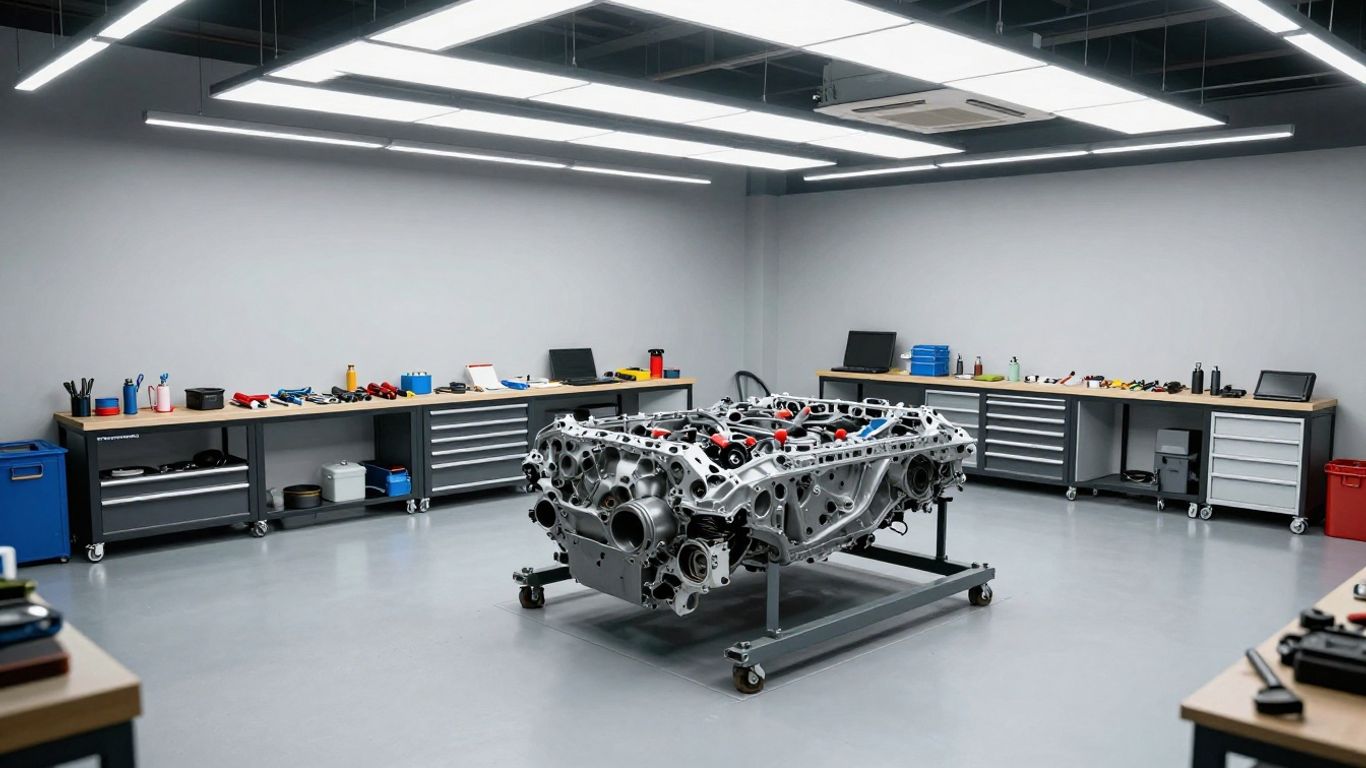
Professionally rebuilt assemblies undergo extensive testing before leaving the facility to ensure that compression, oil pressure, and tolerances meet specific thresholds. This level of scrutiny removes the guesswork often associated with unknown mechanical histories.
Cost-effectiveness compared to new
Opting for a remanufactured solution significantly reduces the expense compared to purchasing a new engine from a dealership. To understand how price points and value align, consider the following breakdown of common engine types versus their typical serviceability ranges.
| Engine Type | Initial Cost | Expected Longevity | Warranty Period |
|---|---|---|---|
| Salvage Pull | Low | Variable | Limited |
| Remanufactured | Moderate | High | Substantial |
| Crate Engine | High | Excellent | Manufacturer |
This table illustrates why many shops advise selecting a balanced option that guards your investment without requiring the massive capital commitment of a new crate assembly.
Extended warranty coverage options
Most providers that hold high standards for their remanufactured Ford engines include detailed warranty packages. These add a layer of protection that covers unexpected defects, which is a major advantage over searching for individual used parts on the secondary market.
Improved reliability over salvage engines
Salvage engines are often sourced from vehicles that have sat for years or suffered other types of damage beyond the motor itself. Remanufactured units, conversely, effectively reset the wear-and-tear clock on your vehicle’s most vital component.
Factors to consider before purchasing
Before you commit to a purchase, verify that every detail of the engine matches your chassis and existing electronics. Neglecting these details often leads to fitment issues that turn a weekend project into a month-long headache.
Engine compatibility and VIN matching
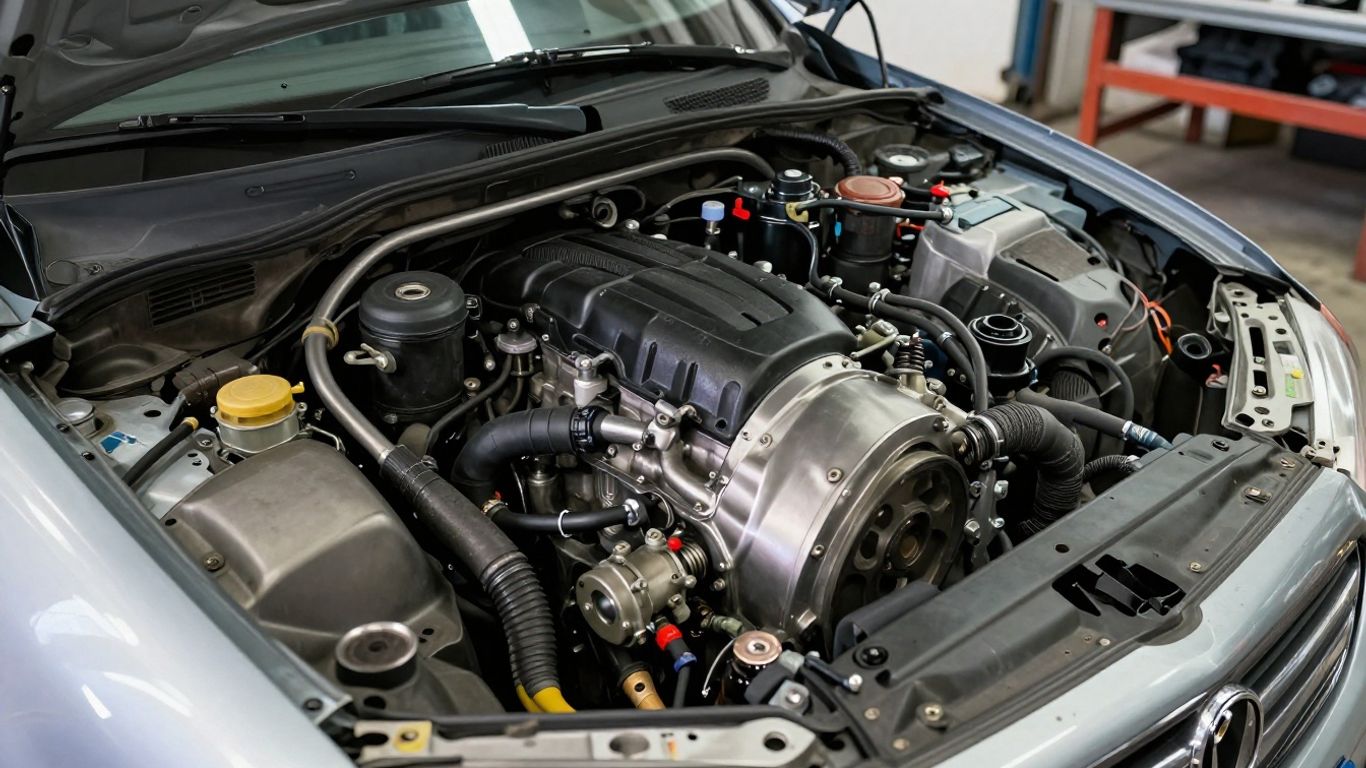
Matching the engine block and head codes to your vehicle identification number is the only way to guarantee sensor, mounting, and software compatibility. Skipping this step is the fastest way to encounter a "check engine" light or failure to start.
Mileage and service history records
If you choose to bypass remanufactured alternatives for any reason, request complete records regarding previous maintenance cycles. To keep your search process organized, consider the following steps:
- Confirm the engine’s build date aligns with your vehicle model year.
- Request a borescope inspection report for cylinder walls if available.
- Validate the shipping insurance coverage provided by the freight company.
- Ensure the cooling system components are rated for the new setup.
Shipping logistics and freight costs
Engine shipments are classified as heavy freight, which requires special handling and terminal-to-door coordination. Always clarify whether the delivery needs a lift-gate or if you have a commercial dock, as residential delivery fees can sometimes double your logistics expenses.
Core charge policies and exchanges
Most sellers mandate a core exchange, which means you must return your old, broken engine to recoup a fee included in the initial sale price. Understand the specific logistics required for sending back the heavy core to avoid losing your deposit.
Evaluating engine suppliers and retailers
Not all engine providers operate with the same level of integrity. Investigating the business background and technical support structure of your chosen supplier saves you significant frustration when questions arise during the replacement process.
Verifying company reputation and reviews
Look for established businesses that provide clear details about their remanufacturing facilities. Checking independent customer forums for feedback helps you differentiate between professional operations and transient parts resellers.
Understanding supplier return policies
Clear communication regarding returns is vital, especially whenDealing with complex automotive components that might arrive damaged from shipping. Confirm that the supplier honors their stated policy in writing before you provide any payment.
Checking for industry certifications
Look for providers that follow strict Quality Assurance standards. If a business is transparent about their internal testing processes, they are far more likely to provide a finished product that lasts for years.
Customer support and technical assistance
Having access to a support expert is a luxury until you hit a wall during the swap and need immediate guidance. Identifying companies that offer dedicated ATK High Performance Ford Crate Engines or similar support lines is a key differentiator.
Installation and maintenance best practices
Installing an engine correctly requires methodical care regarding the supporting systems that keep it breathing and cool. Do not rush any step, as a single loose ground strap or missing spacer can ruin the entire assembly.
Preparing the vehicle for engine replacement
Clear out the engine bay entirely and document every wire connection with photos. This ensures that when the new unit arrives, you can replicate the factory routing precisely.
Sourcing necessary gaskets, sensors, and fluids
Never reuse old sensors unless you are absolutely certain of their condition. Fresh gaskets, high-quality synthetic oil, and brand-new coolant are the best insurance policies for your investment.
Post-installation break-in procedures
Modern remanufactured units need a specific break-in period where the internal surfaces seat properly. Keep engine loads moderate and vary your RPMs for the first few hundred miles to foster long-term sealing.
Long-term maintenance for engine longevity
Follow the factory service intervals strictly, keeping records of every oil change. Routine checks of the cooling system and vacuum lines will sustain the engine’s performance for years to come.
Conclusion
Investing in a replacement Ford engine represents a significant commitment to your vehicle’s future, provided you approach the task with careful research and realistic expectations regarding fitment and support. By evaluating providers based on their technical integrity and ensuring your installation team adheres to rigorous maintenance habits, you can restore your vehicle to its former capability and enjoy many miles of worry-free operation.
Frequently Asked Questions
How do I know if the engine I see is compatible?
Compatibility is primarily determined by matching the engine block casting numbers and specific part identifiers against the VIN of your current vehicle. Always verify these codes with the vendor before placing an order to ensure the mounting points and sensor harnesses align perfectly with your car’s wiring.
What does a core charge actually cover?
A core charge serves as a deposit to ensure the return of your old engine assembly after it is removed from the vehicle. Once the supplier receives your old unit, they disassemble it to recover reusable metals and parts, which helps keep prices for future remanufactured assemblies stable.
Can I perform the engine swap by myself?
Swapping an engine is a high-skill project that requires specialized tools like a hoist, engine leveler, and various torque wrenches. Unless you have significant mechanical experience and access to a professional-grade shop manual, hiring a certified technician is recommended to safely handle the complex electrical and fuel system connections.
How long should an engine break-in period last?
Most manufacturers recommend a period of 500 to 1,000 miles for engine break-in, during which you should avoid excessive high-RPM operation and constant-speed highway driving. This time allows internal rings and bearings to properly mate, resulting in better oil control and compression performance for the engine’s life.
Do remanufactured engines come with sensors included?
Most remanufactured long-block assemblies include the cylinder heads and block, but they often require you to transfer external sensors, manifolds, and ignition components from your original engine. Always confirm with the seller whether the unit is being sold as a short-block, long-block, or a fully dressed assembly.
Why is the shipping cost for an engine so high?
Engines are classified as freight due to their weight and the requirement for palletization. Shipping carriers charge for the specialized handling and equipment needed to move heavy crates, which is why commercial delivery addresses with a loading dock are significantly cheaper than residential delivery with lift-gate assistance.
What happens if the engine runs poorly after installation?
If you encounter performance issues immediately after installation, begin by checking for vacuum leaks, loose sensor connections, or fuel delivery interruptions. If the problem persists, contact your supplier’s technical support line to begin the warranty diagnostic process, ensuring you have documented data from your diagnostic scan tool ready for their review.