Key Takeaways
Selecting the right partner for structural removal is critical for ensuring site safety and environmental compliance. These key points summarize how to approach your next project effectively.
- Define clearly whether your project requires total demolition or selective dismantling.
- Prioritize contractors who possess site-specific safety plans and relevant insurance coverage.
- Evaluate equipment capabilities to ensure the contractor can handle your specific material removal needs.
- Incorporate waste diversion goals early to improve sustainability and reduce long-term disposal costs.
- Align your project timeline with local permitting and utility disconnection requirements to avoid delays.
Understanding the scope of wrecking and dismantling services
When management teams begin looking at site redevelopment, understanding the full breadth of available services is a foundational step. Different projects require unique approaches tailored to their specific structural and site conditions. Successfully executing these plans requires a clear delineation between methods.
Difference between demolition and dismantling
Demolition generally involves the rapid, systematic destruction of a structure, whereas dismantling focuses on the careful preservation of components. While heavy industrial demolition often utilizes large-scale force to manage debris, dismantling requires time-intensive manual or robotic labor to extract items for potential reuse. Clients must understand these distinctions to match the method with their facility goals.
When to choose selective deconstruction
Selective deconstruction allows teams to remove interior partitions or specific mechanical components while leaving the outer structural shell intact. This approach is highly effective for repurposing buildings for new tenants or conducting internal upgrades without affecting surrounding infrastructure. It is often the preferred path when local environmental regulations mandate the salvage of specific building materials during the St. Louis demolition process.
Industrial versus commercial project requirements
Industrial sites present challenges like large-scale chemical tanks or high-voltage switchgear that are rarely found in commercial buildings. A facility manager must verify that their chosen provider can implement technology for structural modeling to prevent unexpected failures during the removal of complex plant infrastructure. Commercial projects, by contrast, focus more on minimizing dust and noise for neighboring occupants.
Assessing safety protocols and regulatory compliance
Establishing a rigorous safety culture during the removal of old structures protects the workforce and prevents costly regulatory violations. Every site manager must audit potential partners based on their track record of compliance. Managing these risks involves more than just standard gear; it requires a deep commitment to site-specific oversight.

OSHA standards for wrecking operations
Contractors must strictly adhere to federal safety guidelines that mandate specific procedures for clearing areas and managing debris fall patterns. Non-compliant work often halts immediately upon inspection, leading to massive schedule overruns. Experienced firms treat these requirements as a baseline rather than merely a suggestion for their field crews.
Hazardous material abatement procedures
Before any structural work begins, identifying and extracting hazardous substances like lead, asbestos, or industrial chemicals is mandatory. Improper handling can cause significant environmental contamination, which leads to long-term liabilities. Always demand proof of certification from disposal facilities that accept your site’s specific waste stream.
Importance of site-specific safety plans
Generic safety manuals are rarely sufficient for complex industrial environments where unique conditions exist at every turn. A proper safety plan accounts for nearby traffic, subsurface utility lines, and structural stability of adjacent buildings. Keeping workers safe and informed is often a matter of consistent communication between the site supervisor and the engineering team.
Liability and environmental insurance coverage
High-stakes projects require massive insurance policies that go beyond standard general liability. Before signing contracts, ensure the wrecking partner maintains coverage for pollution incidents and environmental cleanup. This is a critical risk management step for property owners who must protect against claims long after the physical structure is removed.
Evaluating contractor expertise and equipment
Not every removal business handles difficult projects with equal skill or technological capability. Assessing potential partners depends on both their hardware and their history. A specialized partner can make the difference between a seamless project transition and a logistical nightmare.
Heavy machinery requirements for structural removal
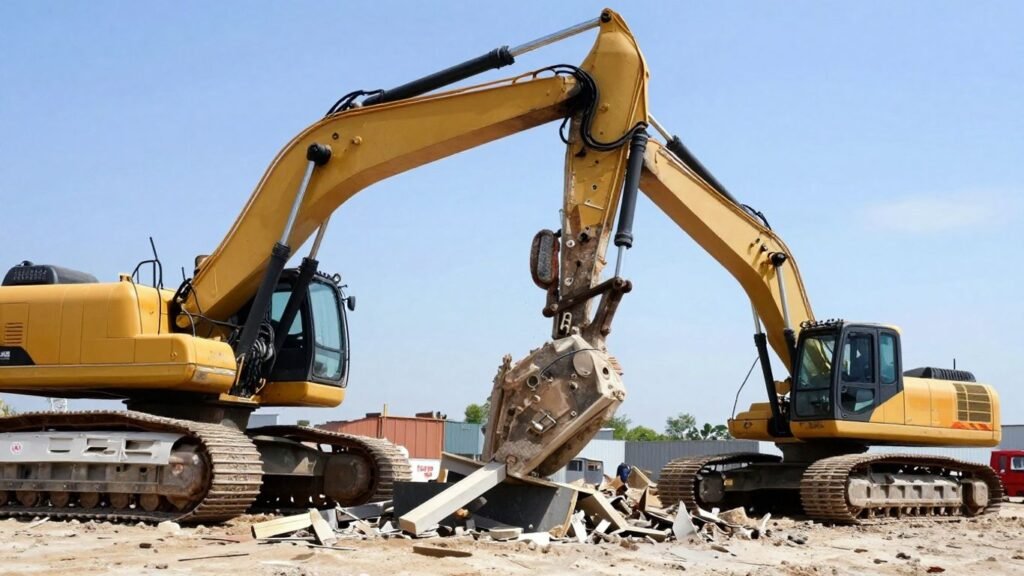
Industrial projects often necessitate high-reach demolition equipment to tackle large silos or overhead steel beams safely. If a company lacks the machinery to reach the highest point of a structure in one pass, efficiency drops sharply. Reliable firms like Hayden Wrecking possess large, modern fleets designed to manipulate structural members without endangering the existing site layout.
Specialized tools for precision dismantling
Precision work requires high-end robotic cutters, handheld thermal lances, and specialized hydraulic spreaders that offer finer control than general demolition shears. By utilizing these advanced tools, contractors can maintain a higher work speed while reducing vibrational damage to surrounding assets.
Reviewing past case studies and portfolio work
Every reputable contractor maintains a detailed portfolio of previous assignments to demonstrate their range of knowledge. By examining past projects, owners can see how the contractor handled issues like tight site accessibility or restricted work hours.
Technical certifications and professional vetting
Professional designations indicate that a contractor has subjected their processes to external, independent review. When seeking a partner, verifying that teams hold relevant industry credentials confirms they are following established best practices. If you need to master your energy during large projects, having these reliable, certified professionals doing the heavy lifting alleviates your own management burden and limits mental friction.
Sustainable practices and material salvage
Modern wrecking goes beyond simple clearance to prioritize the circular reuse of structural components. By managing material flows, companies significantly improve their overall site cleanup budgets. This shift requires careful sorting at the source rather than just shipping everything to a generic landfill.
Strategies for metal and concrete recycling
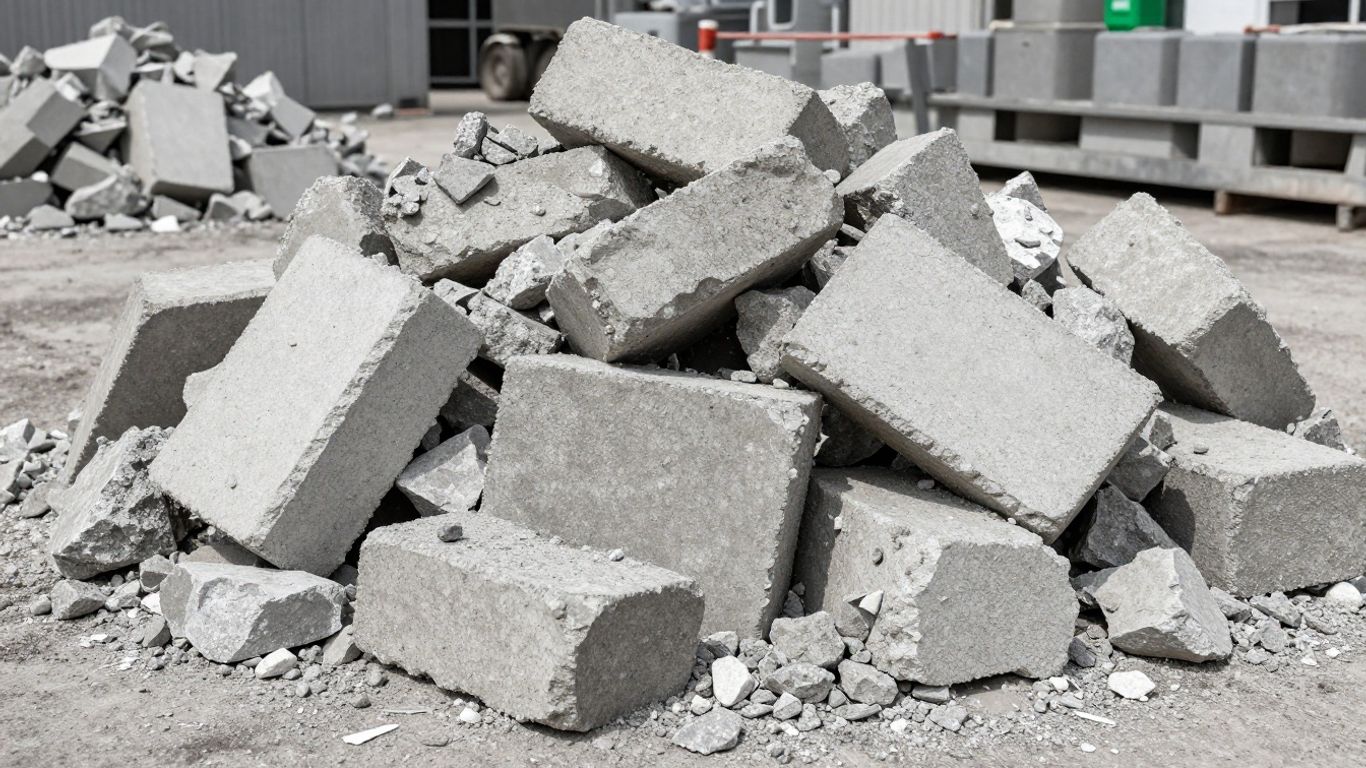
Aggregates and scrap metals represent significant value if separated correctly during the process. Concrete is crushed into sub-base material while ferrous and non-ferrous, like copper pipes or stainless steel tanks, undergo salvage to provide a rebate on the overall project cost.
Managing waste diversion targets
Many municipal planning departments require documentation that a set percentage of site debris was diverted from landfills. Maintaining meticulous weight logs for every truck leaving the site allows owners to hit these ambitious climate goals.
Maximizing resale value of dismantled equipment
Often, the mechanical equipment within a plant or facility can be sold on the secondary market rather than scrapped. To facilitate the sale of assets, use a company with the expertise to manage billing and valuation to ensure you capture the true residual worth of your capital assets.
Circular economy and demolition debris management
Adopting a circular economy mindset fundamentally alters how we view "waste." By focusing on deconstruction rather than total ruin, we maintain the latent value in materials for future use. The following table highlights the comparative recovery rates for various material types:
| Material Type | Recovery Potential | Processing Method |
|---|---|---|
| Structural Steel | High | Shear & Sort |
| Clean Concrete | High | Crush & Aggregate |
| Industrial Glass | Medium | Clean & Separate |
Effectively managing these materials helps turn a standard cleanup into a profitable asset liquidation while minimizing the carbon footprint of the redevelopment site.
Project planning and execution timelines
Planning your timeline accurately requires accounting for the hidden hurdles that often appear during site work. Proper project choreography prevents equipment idle time, which is one of the most significant cost drivers for industrial companies. For comprehensive industrial solutions, a well-structured plan is central to project success.
Permitting and local government approval processes
Securing permits is often the first and most arduous step in the process, as city codes can shift based on specific zones or neighborhood requests. Getting ahead of this process ensures that your team isn’t left waiting for approvals while the site lies dormant.
Managing logistics and site accessibility
Getting large machinery into a confined industrial site requires expert logistical coordination to avoid traffic congestion and damage to public utility infrastructure. A thoughtful contractor will outline clear haul routes to ensure consistent debris removal without slowing down daily facility operations.
Coordinating with utility disconnects and infrastructure
Utility work is a frequent bottleneck that can stop a job in its tracks if not managed correctly. Coordinating with gas, water, and power companies for safe shut-offs requires significant lead time and documentation. A reliable team tracks these deadlines with rigid discipline to keep the workflow moving.
Common pitfalls in project scheduling
Scheduling errors usually stem from poor coordination with third-party vendors or unforeseen site conditions that were not identified during the initial survey. Avoiding these requires a realistic assessment of the work phases and a buffer for technical or logistical hiccups. The most common delays occur because:
- Inadequate utility disconnect schedules cause emergency work stops.
- Unexpected weather events interrupt transport and on-site material processing.
- Changes in material disposal laws trigger new, time-consuming compliance inspections.
- Delays in obtaining specialized mechanical parts increase equipment downtime.
By proactively identifying these risks, teams can maintain a steady cadence for the entire effort.
Budgeting for wrecking and dismantling services
Budgeting requires a balance between the total cost of services and the potential return from asset recycling. If you are also managing kitchen equipment repair or other maintenance needs at your site, you must ensure that your wrecking budget remains separate to avoid financial confusion. Effective financial planning hinges on transparency in the bidding phase.
Factors influencing total project costs
Structural complexity, the presence of hazardous materials, and the strictness of local regulations drive the final price point for demolition. Sites with limited footprint access also increase costs due to the need for smaller, more specialized equipment that can navigate tight corners. Understanding these cost drivers allows owners to estimate expenses more accurately from the start.
Understanding bid components and exclusions
Bids often include a base price while listing specific exclusions, such as unexpected subsurface remediation or hazardous waste haul fees. It is vital to request an itemized breakdown of these exclusions so that you can account for them in your contingency fund. A clearly defined bid is the sign of a serious, professional contractor.
Contingency planning for unforeseen subsurface issues
Unforeseen issues such as buried foundation remnants or legacy storage tanks often emerge after interior work has been completed. Allocating ten to fifteen percent of your overall budget specifically for these geological or structural surprises is a standard professional practice.
If you find these buried obstacles, having a pre-agreed pricing structure helps resolve them with minimal friction or project delay.
Comparative analysis of contractor pricing structures
Contractors may use either flat-fee pricing or an hourly labor-plus-expenses model depending on the project type. Hourly models are better for projects with high uncertainty, whereas fixed-fee bids offer stability for standard work that can be easily scoped beforehand. Evaluating which model serves your specific risk profile is essential for keeping the total investment within the expected range.
Conclusion
Executing Wrecking & Dismantling Services requires a sophisticated balance of mechanical power, regulatory awareness, and strategic planning. By prioritizing partner expertise and focusing on sustainable material recovery, project owners can transform aging, obsolete assets into valuable resources while ensuring site safety and environmental responsibility from the first day to the final cleanup.
Frequently Asked Questions
What signifies the main difference between total demolition and selective dismantling?
Total demolition involves bringing down an entire structure quickly, while selective dismantling requires carefully taking down specific parts while keeping adjacent structures, such as walls or nearby utility lines, safe and intact.
Why is a site-specific safety plan necessary for industrial projects?
Industrial sites contain unique risks like chemical storage, high-voltage lines, and heavy machinery; a site-specific safety plan ensures those unique dangers are labeled, managed, and mitigated before any onsite labor begins.
How can a business ensure they meet their environmental waste diversion targets?
Businesses reach these targets by ensuring that their contractors sort debris at the site into recyclable categories, like metal and concrete, and provide verified weight logs for everything sent to recycling centers rather than landfills.
What are the main regulatory concerns during structure removal?
Regulatory concerns typically involve the identification and safe extraction of hazardous materials, such as asbestos or lead, along with obtaining proper work permits to manage public safety and historical environmental impact.
How should owners prepare for potential subsurface building issues?
Owners should always include a contingency budget for unforeseen foundation remains or buried tanks, as these items are often hidden until the structural footprint has already been cleared at the site.
What makes a contractor qualified for complex industrial dismantling?
Qualified contractors have extensive portfolios of similar large-scale projects, specialized machinery, appropriate insurance for environmental liability, and professional certifications that demonstrate their adherence to industry standards.
When is the best time to coordinate utility disconnects?
Utility disconnection coordination must happen well before work starts, often weeks or months in advance, to ensure that power, gas, and water lines are safely secured and accounted for in the project timeline.