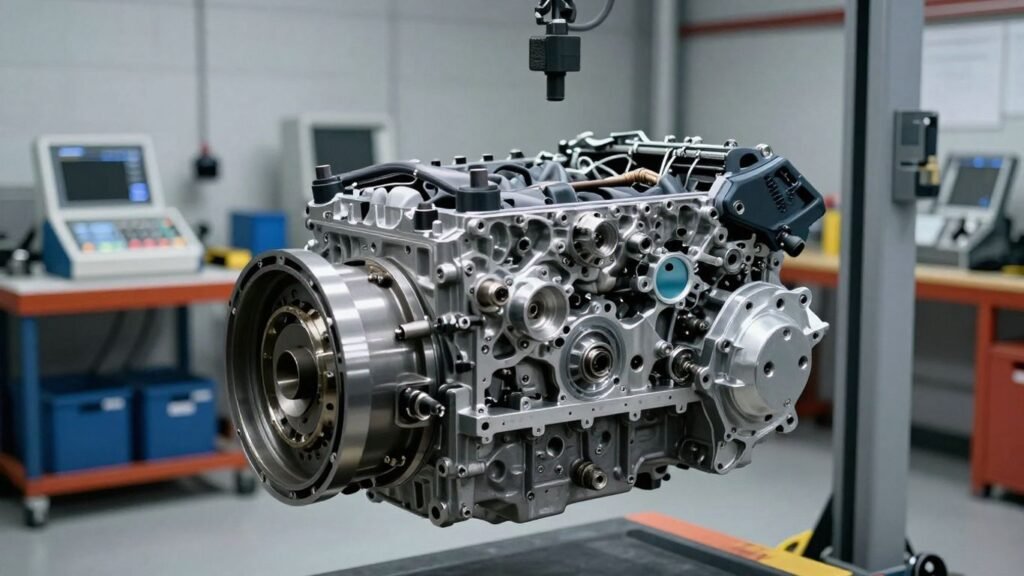
Key Takeaways
Navigating the process of purchasing a drivetrain component requires careful planning and research to ensure your vehicle returns to optimal performance.
- Always verify your specific engine code before committing to a purchase.
- Perform a physical assessment of the unit to identify potential internal sludge or external wear.
- Confirm the details of any available warranty to protect your investment against premature failure.
- Research reputable sourcing channels to avoid units with unknown history or poor quality control.
- Prepare for the logistics of heavy transit and ensure all peripheral parts are ready for installation.
Determining your specific engine needs
Finding the right match for your vehicle starts with identifying the exact specifications required for a seamless swap. Kia engines are often production-specific, meaning even small changes in the model year can lead to incompatibility issues that complicate the installation process. Taking the time to verify these details early prevents costly mistakes and ensures the engine you source integrates perfectly with your existing drivetrain framework.
Identifying your Kia engine code
The engine code serves as your primary identifier when browsing for replacements to guarantee a match for your vehicle’s sub-model. You can typically find this alphanumeric sequence stamped directly onto the engine block, often near the transmission mounting surface, though consult your user manual for the specific location on your block. Utilizing the official engine code ensures that you capture every nuance regarding bore, stroke, and sensor mounting points.
Matching transmission compatibility
Compatibility between an engine and your existing transmission relies on the bell housing pattern and the electronic control module’s communication protocols. Manufacturers often update these connections mid-cycle, so confirm that your target engine supports the physical mounting hardware of your current transmission. An improper match often requires expensive adapter plates or custom electrical modifications that exceed the cost of the replacement itself.
Understanding trim level variances
Trim levels can introduce subtle variations in peripheral accessories, such as differences in power steering pump placement or air conditioning compressor mountings. When searching for your ideal candidate, compare the accessory drive layout against your original engine to ensure that your existing bracketry and components will transfer without conflict. Ignoring these small trim-level differences often leads to unexpected delays once the engine is sitting in your engine bay.
Assessing the condition of used engines
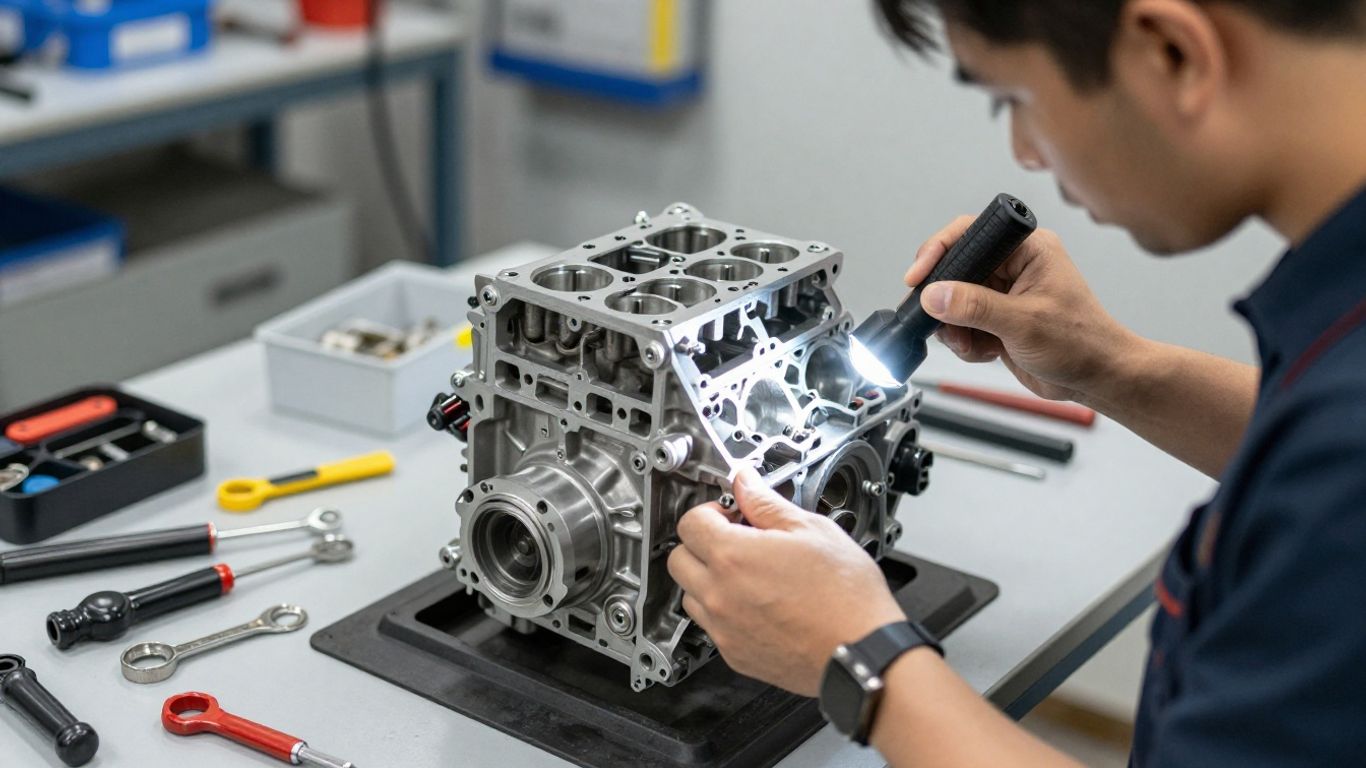
Evaluating the internal health of a pre-owned engine requires looking beyond clean exteriors to understand the actual operational history of the unit. A thorough visual and physical inspection acts as your first line of defense against choosing a block that has been neglected by its previous owner. By focusing on critical wear points, you increase the likelihood of securing an engine that serves your vehicle for thousands of miles to come.
Testing for signs of heavy wear
Heavy wear usually appears around the pulley mounts, belt tensioners, and the exterior sealant lines of the block. Check for evidence of excessive heat exposure, which can cause plastic components to become brittle or aluminum surfaces to lose their original finish. A unit that shows signs of being stripped from a vehicle prematurely often requires more labor than it saves, potentially requiring significant external repairs before the swap even begins.
Evaluating maintenance service history
Ideally, you should request receipts or records that verify routine upkeep, such as regular oil changes and air filter replacements. Owners who kept detailed service logs are statistically more likely to have maintained the internal components through responsible driving habits. If records are unavailable, look for clean oil fill caps and a lack of debris in the coolant expansion tank, which can serve as surrogate indicators of proper care.
Checking for oil sludge or internal corrosion
Internal debris acts as a silent killer for high-pressure components and moving parts during the first few hours of operation. The following table helps you catalog your inspection findings for common Kia engine platforms:
| Inspection Point | Healthy Sign | Concern Sign |
|---|---|---|
| Oil Fill Cap | Clear gold/tan oil | Thick buildup or chunks |
| Coolant Color | Bright green or pink | Murky brown or oily sheen |
| Valve Cover | Metal surface visible | Dark varnish or thick carbon |
Carefully documenting these observations allows you to compare multiple engine candidates from suppliers like Blue Prism Automotive. Never proceed with an installation if your inspection reveals high levels of sludge or unusual internal debris during your initial assessment.
Verifying mileage verification methods
Reliable mileage reporting often comes from odometer readings in the source vehicle or direct checks against national VIN databases that track historical registration reports. Ensure your seller provides a clear policy on how they audit these numbers before you commit to the purchase. Knowing the true operational hours of your unit allows you to gauge how much life remains before significant maintenance intervals are likely triggered.
Understanding warranty and return policies
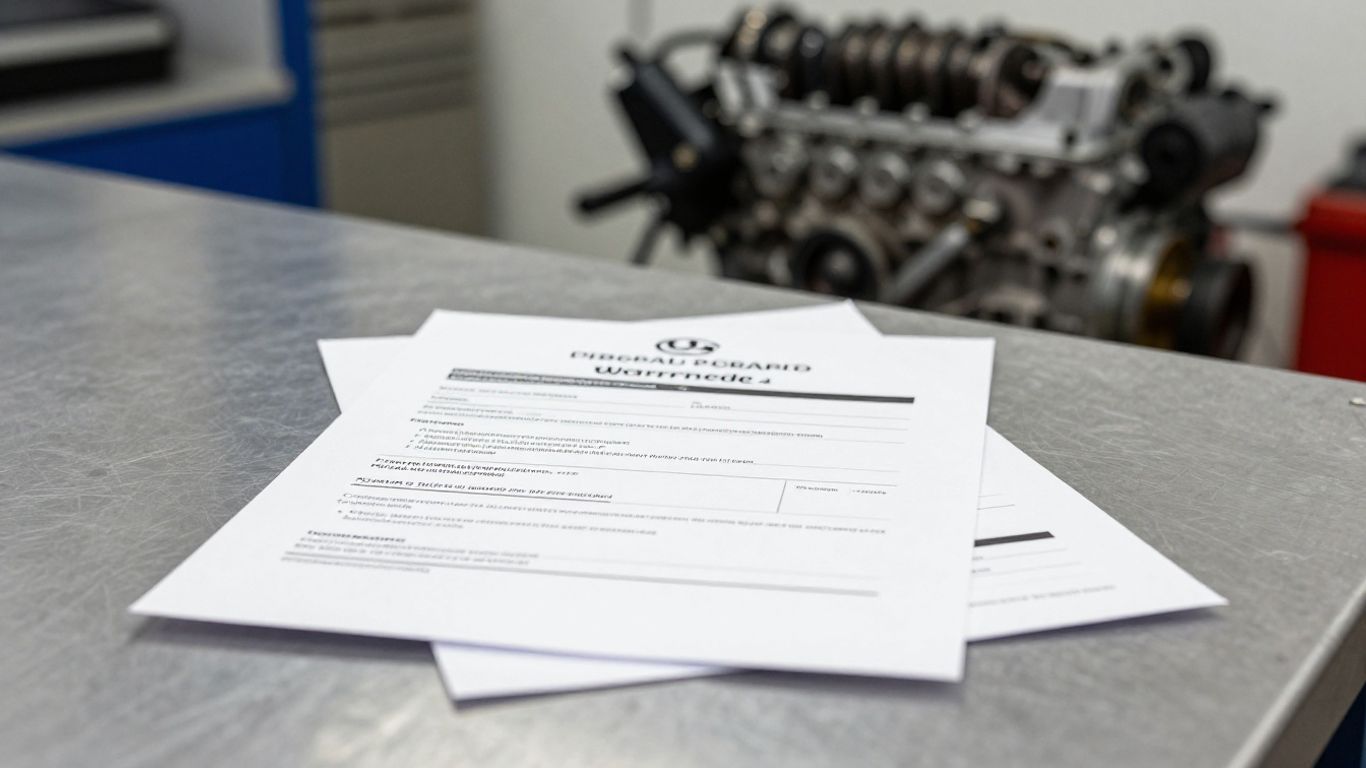
Warranty terms dictate the level of financial security you have if the unit fails shortly after your installation process. Understanding the fine print ensures that you do not inadvertently void your coverage by skipping recommended initial steps like replacing the timing belt or water pump. Reliable providers are generally transparent about these terms and how you might qualify for support in the event of a mechanical failure.
Distinguishing between parts-only and labor warranties
Parts-only coverage generally limits the responsibility of the vendor to providing a replacement component if your original purchase exhibits a specific defect. Conversely, a labor warranty provides compensation for the professional time required to swap a faulty unit, significantly reducing your potential out-of-pocket costs. Always clarify whether the provider offers specialized support such as Reman-Engine remanufactured options might include in their standard or extended service tiers.
Interpreting standard limited warranty coverage
The following items typically outline the core components covered under most industry-standard limited warranties for used drivetrain assemblies:
- Engine block casting integrity and cylinder wall surface condition.
- Internally lubricated parts including crankshaft, camshaft, and internal valve train.
- Cylinder head gaskets and structural seals for high-pressure areas.
Following these guidelines ensures you know exactly which mechanical systems are secured under your contract. It remains important to cross-reference your specific agreement with the documentation provided by the seller, as terms frequently change between different regional distributors.
Documenting the installation process for warranty claims
Keeping a detailed log of your professional installation, including proof of new fluids and secondary parts usage, acts as essential evidence should a claim arise. Many warranties are invalidated if the installer cannot prove that the engine was flushed and filled with manufacturer-specified oil. Keep every receipt and photograph the assembly during the installation phase to create a complete timeline of your work.
Sourcing options for Kia used engines
Accessing a wide inventory allows you to compare pricing and mileage across various providers, which is essential for large components. You might find great deals through regional salvage yards or specialized OEM retailers like Benzeen Auto Parts. The goal is to reach a balance between competitive pricing and the confidence that comes with a verified, tested product.
Evaluating local junkyard and salvage collections
Local salvage yards often allow you to walk the rows and inspect engines while they are still mounted in the donor car, which can be an invaluable advantage for enthusiasts. Seeing the vehicle’s overall state—such as if it was involved in a front-end collision—can give you a strong hint regarding potential engine damage. However, these units rarely come with the diagnostic verification found at dedicated professional outlets.
Assessing professional remanufacturing services
Remanufacturing facilities take a used, core unit and disassemble it entirely to replace all wear-prone items. This process often provides peace of mind that a basic salvage engine cannot match, as each component is precision-checked against factory tolerances. If you expect to own your vehicle for a long period, the higher cost of a remanufactured unit is often offset by the decrease in long-term maintenance visits.
Navigating reputable online auto parts marketplaces
Online marketplaces allow you to sort through thousands of available units based on your exact year and model constraints. Look for sellers who provide high-resolution images or videos of the running engine before it was pulled from the chassis to reduce the guesswork of buying remotely. These platforms often serve as the biggest pool of options for finding a specific engine configuration that might be rare in your local area.
Logistics of engine delivery and installation
Moving an engine block requires heavy freight logistics, as the weight usually precludes standard parcel shipping services. Once you have secured your unit, coordinate your arrival plans to match the shipping timeline so the engine does not sit exposed to the elements at a commercial loading dock. Preparing the workspace beforehand reduces the time the engine spends waiting to be installed, which protects it from ambient moisture and environmental contaminants.
Coordinating freight shipping for heavy components
Most engines arrive on a pallet, and the shipping company will require a commercial address or a location equipped with a lift-gate service for safe offloading. Confirm your delivery window at least 48 hours in advance so you can have your equipment ready. Inspect the pallet package immediately upon delivery to ensure no fluid leaks or physical damage occurred during transit.
Preparing your vehicle for an engine swap
Before the old engine is removed, clear as much space as possible by labeling all wiring harnesses and marking the positions of fuel lines and vacuum hoses. This organizational step saves hours of troubleshooting during reassembly when you are trying to remember where specific connectors belong. A clean, well-lit workspace is the foundation of a successful swap, allowing you to move from one task to the next with precision.
Safety precautions for engine removal
Always use proper engine hoist equipment rated for the weight of your specific block, and ensure the vehicle is supported by stable jack stands rather than a hydraulic lift alone. Never place your body between the engine and the chassis during the extraction process, as unexpected shifts can cause severe injury. If you are a novice, having a professional or an experienced mentor present to assist with the final lift can significantly decrease the risk of mistakes.
Essential fluids and peripheral parts to replace during installation
Replacing wearable parts while the engine is out of the vehicle is the most cost-effective moment to prevent future service needs. Swap out your timing belt, water pump, and every external seal you can access to ensure you don’t face a repeating problem three months down the road. Use only the specific synthetic oil and coolant grades recommended by the manufacturer to maintain the integrity of your freshly installed engine.
Conclusion
Securing a pre-owned engine involves balancing the need for cost-effectiveness with the requirement for long-term mechanical reliability through thorough research and careful inspection. By verifying the engine code, evaluating the physical condition of the block, and selecting a reputable source for your purchase, you set the stage for a successful restoration project. While the logistics of such an installation can be demanding, the reward is a rejuvenated vehicle that meets your everyday needs while avoiding the steep depreciation associated with purchasing a brand-new car.
Frequently Asked Questions
How can I verify the history of an engine without a logbook?
You can often look up the engine’s VIN or the donor vehicle’s history through national databases to track major service reports or collision records that might otherwise be missing from a paper log.
Is it safer to buy from a local salvage yard or an online retailer?
Each source has advantages; local yards allow for physical inspection before payment, while online retailers typically provide larger inventories and documented quality guarantees that simplify the buying process.
Should I install a used engine myself or hire a professional?
A professional installation is highly recommended if you lack certified lifting equipment or the experience to correctly time the engine and manage complex wiring harnesses, as this ensures the work is covered by a labor warranty.
What are the most important parts to replace immediately after purchase?
Regardless of the engine’s stated mileage, always replace the water pump, timing belt or chain tensioners, and all primary seals, as these parts often fail shortly after being disturbed.
How long should a quality used engine realistically last?
A used engine’s remaining lifespan varies by previous maintenance and driving style, but a well-cared-for engine sourced from a low-mileage vehicle can frequently provide many years of reliable daily service.
Can I use an engine from a different model year?
While some engines share compatibility across several model years, you must verify the specific engine code and accessory mounting points, as minor factory changes can make installation impossible without extensive modifications.
What should I do if my engine shows signs of oil sludge?
If you discover excessive sludge during your inspection, it is safer to reject the engine, as internal carbon buildup often indicates neglected maintenance that significantly shortens the remaining operational life of the unit.