

Key Takeaways
Transitioning to a circular automotive model helps minimize waste and reduces the carbon footprint associated with vehicle production. Achieving material efficiency is central to modern engineering.
- Repurposed materials strengthen the sustainability of modern vehicle manufacturing processes.
- Refurbished components provide a cost-effective alternative for vehicle maintenance and repair.
- Strategic recycling programs help recover valuable raw materials from end-of-life vehicles.
- Standardized testing protocols ensure that recycled parts maintain high performance and safety.
- Circular loops in production lower the reliance on virgin plastic and fossil-fuel-based fabrics.
The current state of recycled components in Hyundai vehicles
Exploring recycled plastic applications
Manufacturers are increasingly integrating sustainable elements into the chassis and trim of modern vehicles. By incorporating advanced polymers, engineers can achieve significant weight reduction while maintaining durability levels consistent with traditional petroleum-based plastics. This integration is a key step in building a more environmentally conscious consumer fleet.
Use of bio-based materials in interiors
Sustainable design extends deep into the cabin to replace traditional synthetics with organic alternatives. Materials derived from natural fibers or biomass are now common in high-traffic interior panels and armrests. These choices enhance the tactile experience while aligning with the Hyundai IONIQ 5 design philosophy of blending comfort with ecological responsibility.
The role of PET bottles in fabric production
Recycled PET plastics serve as a primary feed source for premium upholstery and floor mats. Transforming plastic waste into durable textile fibers allows for high-quality interior finishes that do not compromise on style. By choosing these materials, the Hyundai IONIQ 6 models emphasize that resourcefulness can lead to sophisticated aesthetic results.
Understanding the demand for recycled automotive motors
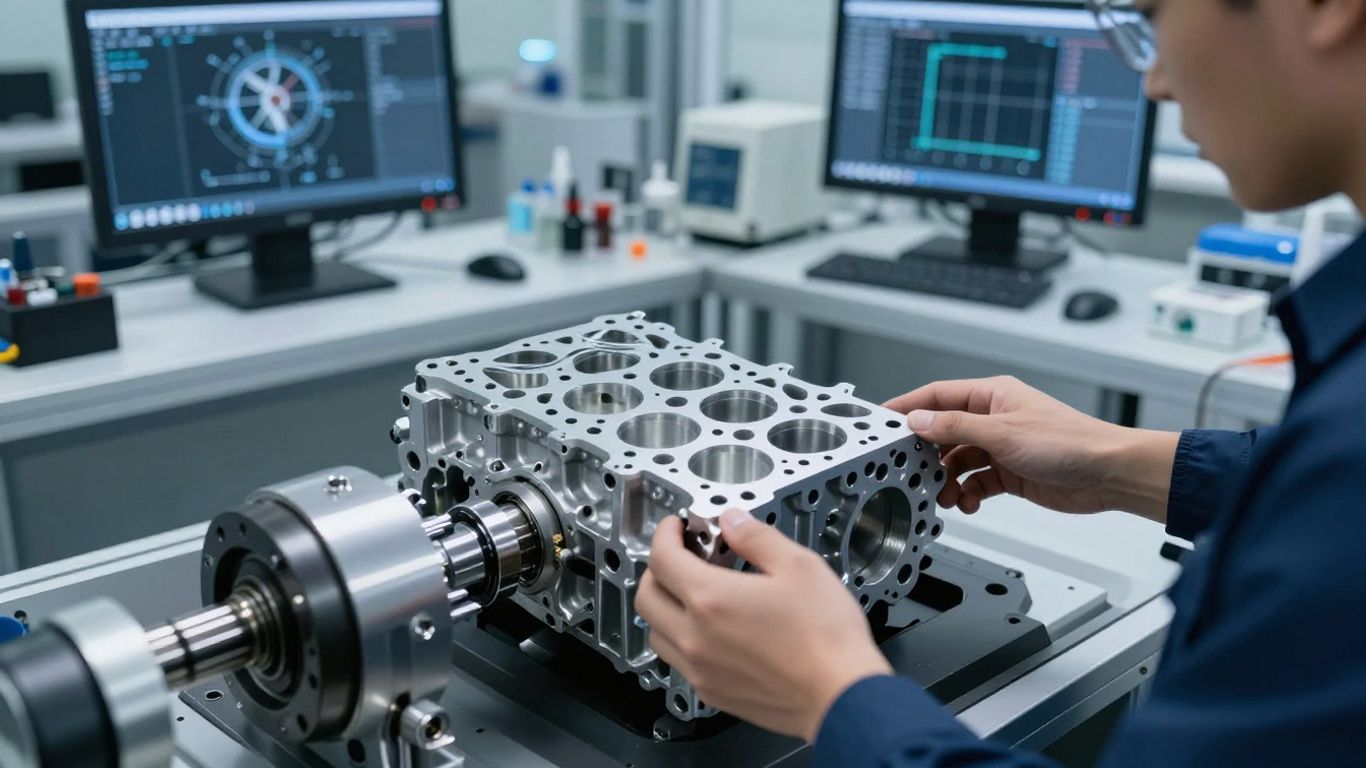
Benefits of using refurbished engine parts
Refurbished engines offer a compelling option for vehicle owners looking to extend the lifespan of their investment. These components are carefully disassembled and cleaned, ensuring that core metallic structural parts remain intact for future use. Choosing a refurbished unit is a practical and highly sustainable choice for fleet managers and individual owners alike, providing a lifecycle extension that avoids the environmental cost of manufacturing entirely new blocks.
Reliability and testing standards for recycled motors
Modern remanufacturing centers implement rigorous standards for Hyundai recycled motors to ensure technical parity with factory-new units. Each motor undergoes comprehensive diagnostic assessment to measure performance metrics like torque delivery and thermal efficiency. Engineers also utilize insights from DC motor technology research to optimize the operational longevity of these units.
Cost-effectiveness compared to new engine assemblies
The financial argument for sourcing refurbished power units is supported by the significant reduction in unit price compared to new production assemblies. The following table illustrates the cost and performance parity metrics typically expected in the industry.
| Attribute | New Assembly | Refurbished Unit | Performance Standard |
|---|---|---|---|
| Material Cost | High | Moderate | Guaranteed |
| CO2 Impact | Significant | Minimal | Verified |
| Warranty Length | Standard | Extended | Comparable |
Selecting a refurbished unit often streamlines the budget for large-scale maintenance. Key advantages include the following:
- Decreased total cost of engine replacement.
- Faster availability compared to long lead manufacturing.
- Support for secondary markets and circular economy growth.
- Lowered energy consumption per unit cycle.
- Guaranteed technical compatibility with original factory specifications.
Hyundai’s approach to the circular economy
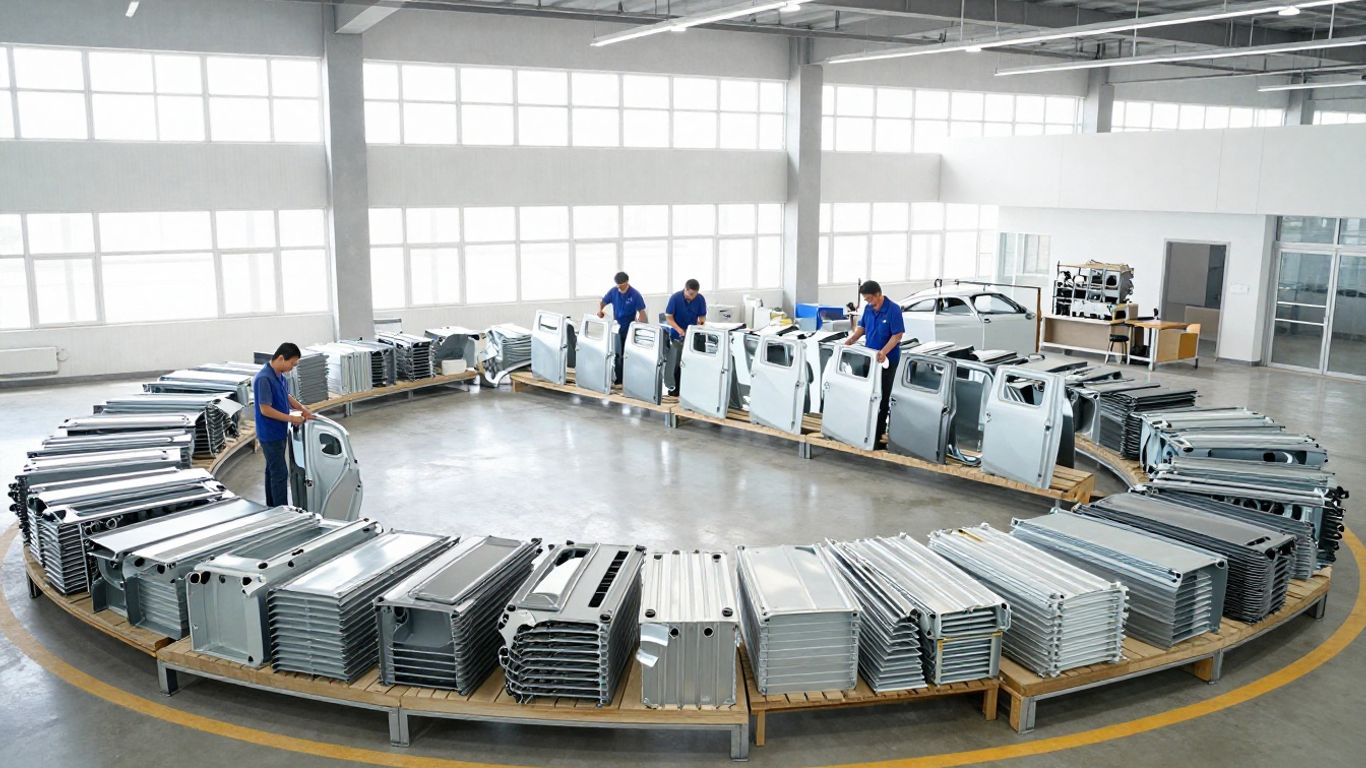
Strategic goals for carbon neutrality
Achieving carbon neutrality requires a multi-faceted approach that spans the entire lifecycle of a mobility asset. The Hyundai Continue platform serves as a primary hub for these activities, focusing on integrating green innovation into daily operations. By standardizing high-efficiency recycling processes, the organization reduces the net output of carbon per vehicle produced.
Closing the loop on vehicle end-of-life
Closing the production loop is essential for reclaiming precious metals and rare earth elements found in complex automotive assemblies. Dedicated sustainability reporting helps track these recovery rates, ensuring that end-of-life vehicles provide a foundation for future manufacturing. This systemic shift creates a self-sustaining ecosystem where car components are rarely lost to waste.
Partnerships in battery recycling technology
Battery recycling is the final frontier in automotive circularity, requiring intense collaboration with chemical recycling pioneers. By reclaiming lithium, cobalt, and nickel, companies are securing the materials needed to construct next-generation energy storage systems. Exploring the truth about eco-friendly vehicles confirms that battery recycling is the most significant factor in long-term fleet sustainability.
Sourcing and identifying genuine Hyundai recycled parts
Navigating official dealership certification programs
Dealing directly with certified channels is the most effective way to guarantee the authenticity of refurbished components. These programs provide assurance that the parts undergo the same verification as factory-new inventory. Always request documentation regarding the part’s origin to ensure long-term stability and compatibility with your existing drivetrain architecture.
Validating part numbers and vehicle compatibility
Cross-referencing technical identifiers remains a critical step for service technicians and enthusiasts. Ensuring that a part number matches your specific sub-model prevents downtime during the installation process. Proper validation removes the chance of electrical or mechanical mismatch that can occur with unauthorized parts.
Warranty protections available for refurbished units
Refurbished units sourced through official networks often include comprehensive protections built into the purchase. These policies offer peace of mind that a unit will perform as promised without unforeseen failures. Below is a video overview showing the standard testing routines for modern automotive components:
Environmental impact of automotive recycling
Reducing manufacturing carbon footprints
Manufacturing from virgin materials carries an immense energetic tax, whereas remanufacturing significantly lowers the total emissions profile. By utilizing existing iron, steel, and aluminum, the industry avoids the intensive mining and refinement stages that characterize early-stage production. This focus on reuse effectively reduces the heavy atmospheric carbon burden associated with traditional factories.
Diverting vehicle waste from landfills
Waste diversion is a primary logistical challenge for old vehicles, but recycling provides an effective alternative. Properly dismantled cars contribute components into a supply chain for parts, while non-replaceable materials are sorted for recycling. This cycle maintains clean public spaces and prevents hazardous fluids or polymers from entering municipal waste streams.
Energy savings in component remanufacturing
Remanufacturing uses a fraction of the energy required to forge new parts from raw ore. By re-machining existing engine components, the industry saves enough energy to power entire residential grids compared to primary manufacturing. These efficiency gains represent the true potential of a circular industrial model for global automotive firms.
Conclusion
Embracing circular manufacturing principles is essential for the future of the automotive industry as demand for sustainable vehicle options grows. By prioritizing the reuse of motors, chassis parts, and battery materials, companies foster a resilient supply chain that mitigates environmental damage while lowering costs. Moving forward, the focus on recovered assets will likely define how high-performance vehicles are both managed and maintained in a carbon-conscious era.
Frequently Asked Questions
Are recycled automotive motors reliable for daily driving?
Yes, recycled motors that undergo professional refurbishment and testing meet rigorous quality standards, making them highly reliable options for daily operation while providing a significant boost to vehicle sustainability.
How does the circular economy reduce vehicle costs?
Circular models lower costs by reclaiming materials that would otherwise be discarded, thus reducing the raw material procurement expenses that often drive up the final price of replacement parts.
What are the main benefits of using refurbished engines?
Key benefits include a reduced environmental impact, significantly lower purchase prices, and the assurance that the core structural integrity of the motor has been verified through testing.
How does battery recycling contribute to overall sustainability?
Battery recycling allows for the recovery of critical raw materials like cobalt and lithium, minimizing the need for new mining operations and ensuring a steady supply for new electric energy storage solutions.
Can any recycled part be used in a modern vehicle?
Compatibility depends on precise matching of part numbers and hardware specifications, which is why sourcing parts from verified, certified channels is highly recommended for all technical replacements.
How are recycled plastic applications used in vehicle interiors?
Recycled plastics are processed into durable, high-quality polymers suitable for interior panels, textiles, and sound-insulation materials that meet the same aesthetic and functional criteria as virgin materials.
What is the primary advantage of choosing genuine certified parts?
Genuine certified parts provide warranty coverage and proven performance data, ensuring that your vehicle remains safe and fully operational while following the original design specifications.