
Key Takeaways
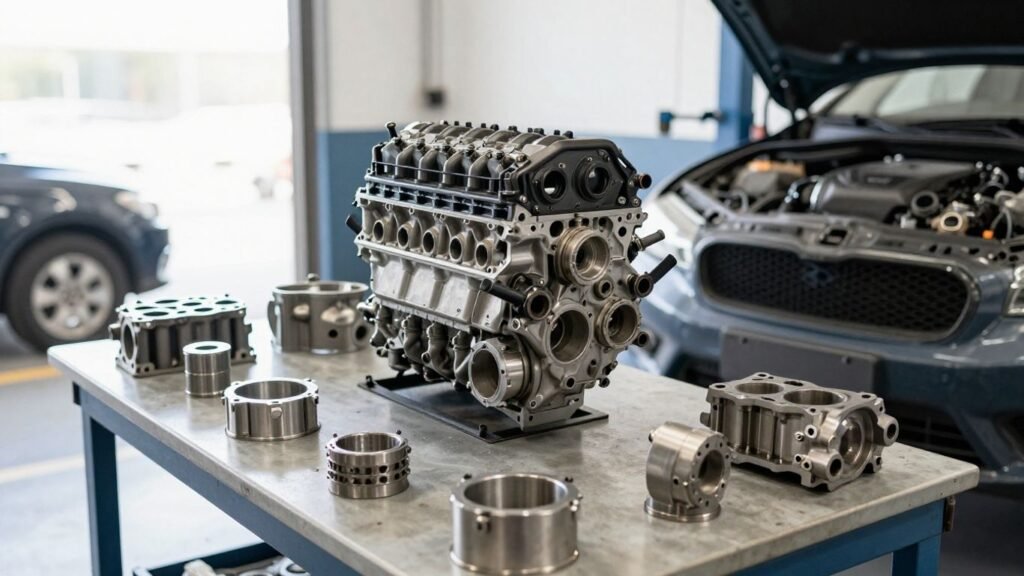
Understanding the fundamental hardware that powers our vehicles is essential for any owner aiming to extend their machine’s lifespan. These central systems require regular inspection to maintain performance and reliability.
- Electric motors rely on magnetic fields generated by the interaction between stators and rotors.
- Internal combustion engines depend on the synchronized movement of pistons, rods, and crankshafts.
- Cooling and lubrication systems are critical to preventing catastrophic heat-related failure.
- Drivetrain components must be maintained to ensure power reaches the road without parasitic loss.
- Quality sourcing determines whether a repair will provide long-term stability or future mechanical headaches.
Understanding the anatomy of electric motors
Modern transportation is increasingly shifting toward electric propulsion, which utilizes a different set of mechanical challenges compared to legacy engines. These systems convert electrical energy into mechanical movement through magnetic fields rather than chemical explosions, replacing complex combustion parts with cleaner and typically more durable alternatives. Familiarizing yourself with these nuances helps in discerning how electric motor components function under various load conditions.
The role of the rotor and stator
The stator acts as the stationary housing of the electric motor, containing coils that create a rotating magnetic field when energized. Inside this housing sits the rotor, which rotates in response to the magnetic pull, translating electrical power into mechanical torque at the output shaft.
How bearings ensure smooth operation
Bearings are high-precision elements that support the rotating shaft while minimizing friction between moving parts. Even the smallest amount of wear in these components can cause excessive vibrations, leading to premature motor failure and reduced energy efficiency.
The importance of winding insulation
High-voltage windings within the motor must be perfectly insulated to prevent short circuits and electrical arching. Consistent temperature management ensures these materials do not break down over time, maintaining the integrity of the conductive pathway.
Essential components for internal combustion engines
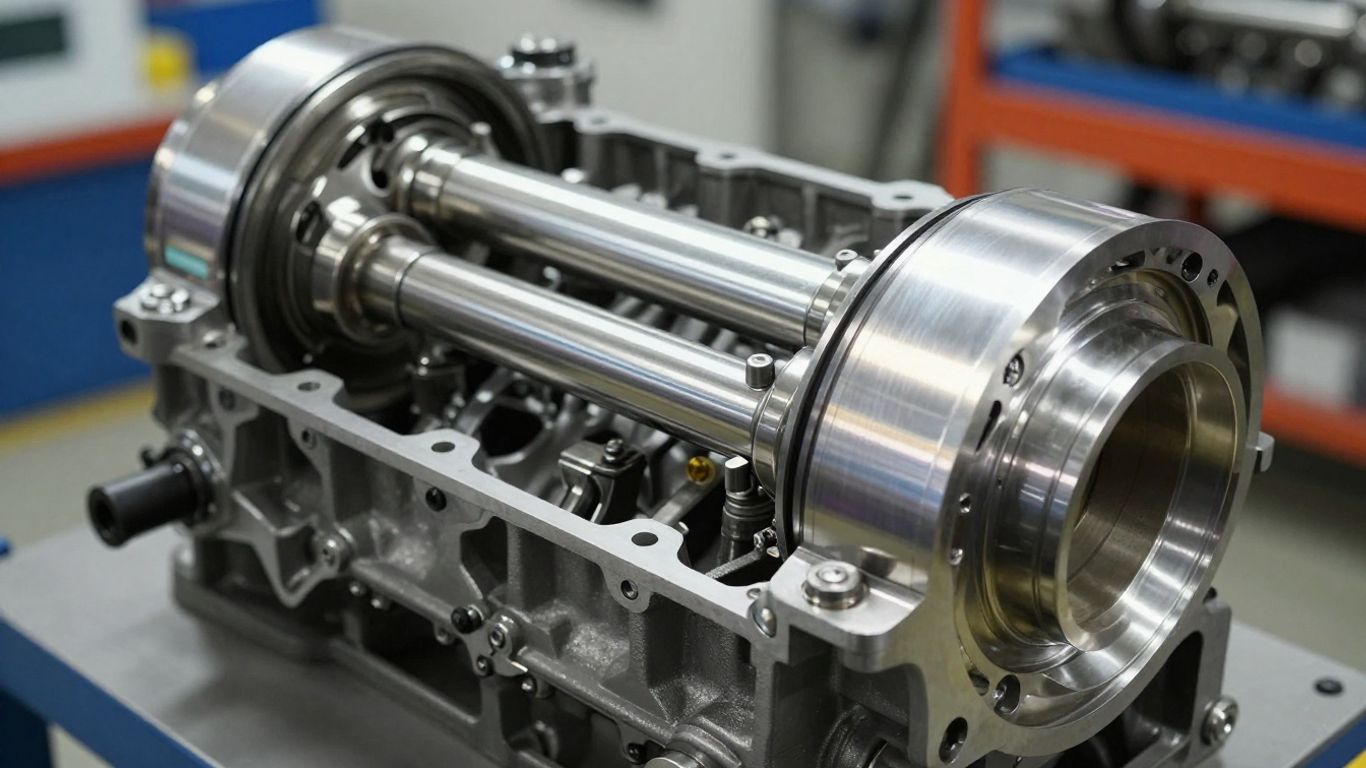
The internal combustion engine remains the standard for many vehicles, operating by converting fuel into kinetic energy through repeated, controlled explosions. This process requires precise engineering where every part must perform in perfect harmony to move the vehicle safely and efficiently. Navigating the vast landscape of car engine components can be daunting, but understanding the basics makes troubleshooting much easier.
Analyzing the piston and connecting rod assembly
Pistons move rapidly within the cylinder, compressing the fuel-air mixture to prepare for ignition. The connecting rod acts as the bridge between the piston and the crankshaft, ensuring the linear vertical motion is correctly translated.
The function of the crankshaft and its vibration dampeners
The crankshaft serves as the backbone of the engine block, converting the oscillating motion of pistons into rotational output. Vibration dampeners play a key role here, absorbing the harmonic energy generated by each power stroke to prevent mechanical fatigue.
Camshaft variations and valve timing mechanisms
Camshafts control the opening and closing of intake and exhaust valves, dictating how much air enters the chamber. Advances in variable valve timing have allowed for significant improvements in power delivery compared to traditional designs.
Fuel injection components vs. traditional carburetors
Fuel injection systems use electronic sensors to spray a precise amount of fuel into the engine, optimize power, and reduce emissions. While carburetors relied on mechanical suction, modern systems are far more reliable and efficient as noted in standard car components 101 comparisons.
Cooling and lubrication system parts
Engine health hinges on consistent temperature and friction reduction, which are handled by the cooling and lubrication circuits. These systems prevent internal temperatures from rising to levels that would warp sensitive metal components, ensuring consistent material performance.
Oil pump types and pressure regulation
Oil pumps force lubricant through every gap in the engine to reduce friction during high-speed rotation. Pressure regulation valves within these pumps ensure that the engine receives consistent lubrication regardless of the rpm.
The technical role of water pumps and thermostats
The water pump creates a constant flow of coolant through the engine block to absorb excess thermal energy. A properly functioning thermostat manages the circulation rate, preventing the engine from running too cool or overheating.
Radiator efficiency and heat exchange principles
Radiators maximize surface area to dissipate heat from the coolant into the surrounding air. When evaluating components, it is helpful to look at the differences between standard and performance cooling hardware:
| Feature | Standard Radiator | High-Efficiency Radiator |
|---|---|---|
| Material thickness | OEM spec | Increased capacity |
| Fin density | Moderate | Enhanced thermal transfer |
| Weight | Lighter | Heavier construction |
Selecting the right cooling efficiency ensures that a vehicle stays within safe operating parameters even under heavy loads.
Power transmission and drivetrain components
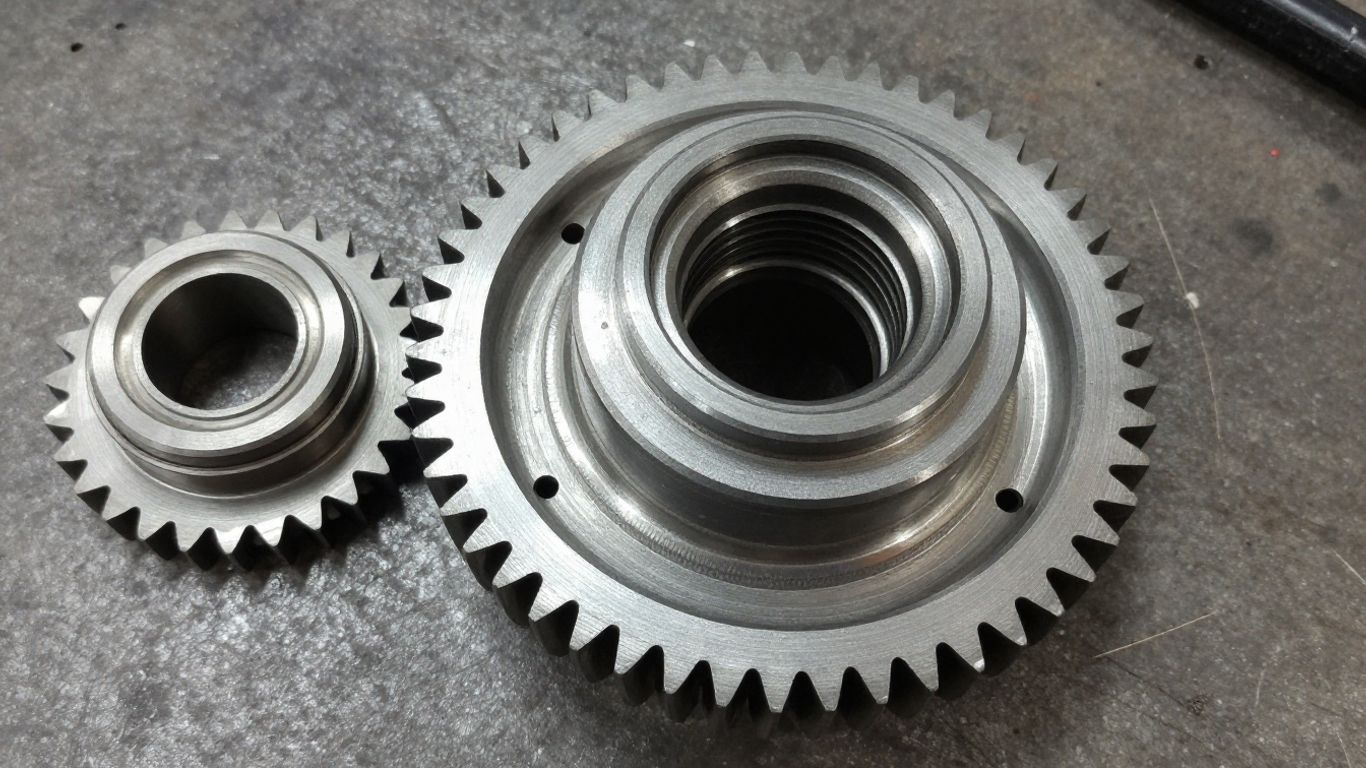
Once power has been generated, it must be effectively transferred to the wheels via the transmission and drivetrain systems. These parts are constantly subjected to immense mechanical stress, making their long-term durability a major concern for owners of performance vehicles. Finding the right motorcycle parts for these systems requires understanding the exact tolerances involved.
Gearbox internal components and synchronizers
Gearboxes allow for different levels of torque output through various gear ratios. Synchronizers are vital for matching the speed of the gears as you shift, preventing grinding and damage to the internal teeth.
Clutch assembly design and friction materials
The clutch disengages the engine from the drivetrain, allowing the vehicle to stop or shift gears without killing the engine. Friction materials on the clutch plates must endure significant heat, requiring specialized compounds.
Driveshaft and universal joint maintenance
For those who prefer a well-maintained vehicle, regular attention to the driveshaft is essential. Follow these steps for basic upkeep:
- Inspect universal joints periodically for signs of play or loose movement.
- Apply high-temperature grease to all lubrication points as specified by the manual.
- Check for rust or physical dents along the main driveshaft tubing.
- Replace any torn rubber boots around the constant velocity joints promptly.
Neglect in these areas can lead to significant vibrations and eventually total driveline failure during operation.
Electrical and ignition system intricacies
Modern vehicles rely on an array of sensors and coils to manage everything from dashboard gauges to firing cylinders. An unreliable electrical system is often the root cause of seemingly persistent performance issues.
Alternator regulators and charging circuits
Alternators keep the battery charged while the engine is running, providing a steady stream of power for all lighting and accessory load. Regulators prevent overcharging, which could otherwise boil the battery or fry sensitive onboard electronics.
Ignition coil performance and voltage transformation
Ignition coils transform low-voltage currents from the battery into the thousands of volts required to produce a spark. Proper performance here is literally the difference between an engine that starts and one that sits dead.
The impact of spark plug heat ranges on engine health
Spark plugs are designed with specific heat ranges that dictate how quickly they dissipate heat into the cylinder head. Using the wrong plug can lead to pre-ignition or fouling, forcing the engine to run inefficiently.
Best practices for sourcing quality motor components
Sourcing high-quality parts is the most effective way to protect your long-term investment. Whether you are dealing with Specific Motor Parts & Components or minor consumables, knowing the grade of the part matters significantly.
Identifying original equipment manufacturer standards
OEM parts are built to the exact specifications of the original designer, ensuring the best fit and functionality for your specific model. While they often carry a price premium, they eliminate the guesswork inherent in choosing third-party alternatives.
Evaluating aftermarket vs. rebuild parts
Aftermarket parts allow for performance modifications that the original manufacturer may not have intended, which can be useful for hobbyists. Rebuilt parts, meanwhile, offer a cost-effective way to restore functionality, provided they come from a reputable facility familiar with factory-grade restoration.
Common pitfalls in component compatibility checking
Always verify part numbers against your specific vehicle identification number to avoid compatibility errors. Attempting to force an incorrect part often leads to secondary damage that costs far more than the original investment saved by buying a mismatched unit.
Conclusion
Maintaining a motor vehicle requires a deep understanding of its mechanical parts to ensure long-term performance and reliability. By prioritizing high-quality components and adhering to regular inspection schedules, you can mitigate the risk of premature failure and enjoy a safer driving experience.
Frequently Asked Questions
Why is it important to ensure part compatibility?
Mismatched parts can lead to premature wear, poor engine performance, and even catastrophic failures that cause secondary damage to other healthy systems.
How do I know if my alternator is faulty?
Common signs include dimming headlights, a battery warning light on the dashboard, or strange noises coming from the engine bay while it runs.
What are the main benefits of using OEM parts?
OEM parts guarantee a perfect fit and match the exact performance standards set by the original vehicle manufacturer for maximum safety and efficiency.
Can I install aftermarket parts to increase performance?
Yes, many enthusiasts choose aftermarket parts to improve speed and efficiency, though checking for compatibility with the existing factory systems is important.
What causes overheating in older engines?
Overheating is typically caused by a failed water pump, a stuck thermostat, or a blocked radiator that can no longer dissipate heat effectively.
How often should spark plugs be replaced?
Replacement intervals vary based on the plug type, but checking them every 30,000 to 50,000 miles is a safe practice to maintain clean combustion.
Is it better to rebuild a component or replace it?
Rebuilding is often cost-effective for major parts if performed by qualified technicians, but small or complex electrical parts are usually better replaced to ensure reliability.