

Key Takeaways
A reliable used-car purchase comes from patient comparison, careful checks, and clear paperwork. Keep your needs and total budget in view from the first search to the final handover.
- Set a realistic budget that includes ownership costs, not just the advertised price.
- Compare similar vehicles and shop through channels that suit your comfort level.
- Review a car’s history and condition, and arrange an independent inspection when appropriate.
- Test-drive the vehicle in varied conditions and pay attention to how it feels and sounds.
- Confirm the documents, payment details, and ownership transfer before considering the sale complete.
Set your budget and shortlist the right vehicles
A useful search starts with the kind of driving you do and the amount you can comfortably spend. Adelaide used motors listings can cover a wide range of vehicle ages, body styles, and price points, so a few clear priorities help you avoid getting distracted by features you will rarely use. Think beyond the advertised figure, too: the costs of owning and running a vehicle continue after purchase. A short, realistic shortlist makes it easier to compare options on their merits.
Factor in registration, insurance, and ongoing costs
A car’s purchase price is only one part of its cost. Before viewing vehicles, allow room in your budget for registration, insurance, fuel or charging, routine servicing, tires, and repairs. The amount for each will depend on the vehicle and your circumstances, so get estimates for the models you are considering rather than relying on a general average. Keep a separate running-cost allowance so an attractive listing does not use up money you may need later.
If you are balancing a car purchase with other household projects, keep those budgets distinct. For example, Victory Closets describes custom closet organization and a free in-home design consultation; that is a separate planning decision, not a vehicle cost. Keeping unrelated expenses in their own categories makes your available car budget clearer.
Match vehicle types to your daily driving needs
Start with the practical details of your routine: how many people usually travel with you, whether you need cargo space, and where you tend to park. A compact car may suit frequent city trips, while a larger vehicle can make sense if passenger or hauling needs are part of ordinary life. Consider how often you drive outside the city as well. The right type is the one that fits your real week, not just an occasional trip you might take.
Compare prices for similar models and years
A fair comparison pairs vehicles with similar model years, trim levels, mileage, and condition. Asking prices can differ for reasons that are not obvious in a quick scroll, so note what each listing actually includes and whether its history is clear. The table below gives you a simple way to line up the details before deciding whether a vehicle looks competitively priced.
| Detail to compare | Why it matters | What to note |
|---|---|---|
| Model year and trim | Equipment and age affect value | Exact version and listed features |
| Mileage | Use history can vary considerably | Odometer reading and service evidence |
| Condition | Wear or repairs can change the price | Visible issues and inspection findings |
| Included items | Extra costs may sit outside the asking price | Fees, accessories, or included services |
After you compare a few genuinely similar listings, you will have a more useful sense of the local asking range. Treat that range as a reference, not a verdict: a car with stronger records or a better condition may reasonably sit above another example.
Narrow your search by mileage and key features
Mileage can help you sort listings, but it does not tell the whole story. A well-maintained car with higher mileage may deserve a closer look than a lower-mileage vehicle with gaps in its records. Decide which features are essential—such as a particular safety or comfort feature—and which are simply nice to have. This keeps the shortlist manageable without filtering out sound options for minor preferences.
Choose where to shop in Adelaide
There is no single best place to find a used car; the right route depends on how much guidance and direct communication you want. Dealerships, online marketplaces, and private sellers each give you different ways to compare vehicles and ask questions. In Adelaide, you can begin with broad listing searches, then follow up on a smaller set of promising cars in person. Keep the same standards for every seller, whatever the channel.

Compare dealerships, online marketplaces, and private sellers
Dealerships can offer a place to view several vehicles and speak with a seller in person, while online marketplaces make it easier to scan listings across a wider area. Private sellers may provide direct insight into how a particular car was used, but you will need to ask your own questions and arrange checks carefully. You can browse Adelaide dealer listings as one starting point, then compare the vehicles you find with other local options rather than assuming any one source has the right car.
The channel matters less than the quality of the information and your ability to inspect the vehicle. If a seller is vague about the car’s history or makes it difficult to arrange a reasonable inspection, take that as a reason to pause.
Check seller reviews and business details
Before arranging a visit, confirm who you are dealing with and read recent reviews with a measured eye. Look for specific comments about communication, accuracy of listings, and how questions or problems were handled; a single glowing or critical review is not the whole picture. For a business, check that its name and contact details are consistent across its own materials and the listing. With a private seller, ask whether the person selling the vehicle is its registered owner or is authorized to sell it.
Ask about warranties and return policies
Do not assume a warranty or return option applies simply because a seller is a business. Ask what, if anything, is included, how long it lasts, what it covers, and what conditions apply. Get the answers in writing and read the terms rather than relying on a brief verbal summary. If a seller offers no return policy, factor that into your decision and be especially careful about completing inspections before committing.
Look for clear vehicle histories and pricing
A listing should give you enough information to ask informed questions about the car, its condition, and the total price. Compare the advertised figure with what the seller says is included, and ask directly about any additional charges. It can be helpful to use a marketplace such as Adelaide vehicle search listings to see how different vehicles are presented, then verify the details with the seller. A clear listing is a starting point for due diligence, not a substitute for it.
Check a vehicle’s condition and history
A clean appearance does not prove that a car has been well cared for, and a few cosmetic marks do not necessarily rule it out. Look for a consistent account of the vehicle’s ownership, maintenance, and any damage, then compare that account with what you can see and verify. Take your time and write down questions as they come up. If answers are incomplete, resolve the gaps before you agree to buy.
Review service records and ownership history
Ask to see service records, invoices, and any available documents that help establish how the vehicle has been maintained. Check that dates and odometer readings form a plausible sequence, and ask about any long gaps or work that is not documented. The number of previous owners can provide context, but it does not tell you by itself whether the car is a good purchase. What matters is whether the seller can answer reasonable questions and support the vehicle’s history with records.
Check for accident damage and outstanding finance
Ask whether the vehicle has been in an accident, repaired, or subject to significant damage, and consider verifying its history through an appropriate vehicle-history service. Look closely for mismatched paint, uneven panel gaps, or signs of repairs, but do not treat a visual check as a definitive assessment. Also confirm whether there is any finance owing or other issue that could affect the sale. If you are unsure how to verify a claim, pause and seek independent guidance before paying.
Inspect the exterior, interior, and engine bay
Walk around the vehicle in good light and look for uneven paint, rust, cracked glass, damaged lights, and tire wear that differs from one side to another. Inside, check that seats, belts, windows, controls, and the equipment you care about work as expected. Under the hood, look for obvious leaks, damaged hoses, or signs of neglect, but avoid touching hot or moving parts. A careful inspection is useful for spotting questions to raise; it cannot replace a qualified mechanical assessment.
Arrange an independent pre-purchase inspection
If you are seriously considering a car, an independent inspection can help identify issues that are hard to judge during a viewing. Ask a qualified mechanic what the inspection covers, whether they can assess the vehicle before you commit, and how any findings will be communicated. If the report identifies repairs or concerns, use that information to decide whether to proceed, seek clarification, or walk away. Keep the report with your other purchase records.
For a practical inspection, gather the details you want checked before the appointment. A brief written list helps you and the inspector stay focused:
- Ask about the engine, transmission, brakes, tires, and visible leaks.
- Request a check of safety-related equipment and warning indicators.
- Share any concerns you noticed during your own walk-around.
- Ask which findings need immediate attention and which are routine wear.
Use the inspection findings in context, alongside the records and your own assessment. An inspection reduces uncertainty, but it does not guarantee that a used vehicle will never need repairs.
Take a thorough test drive
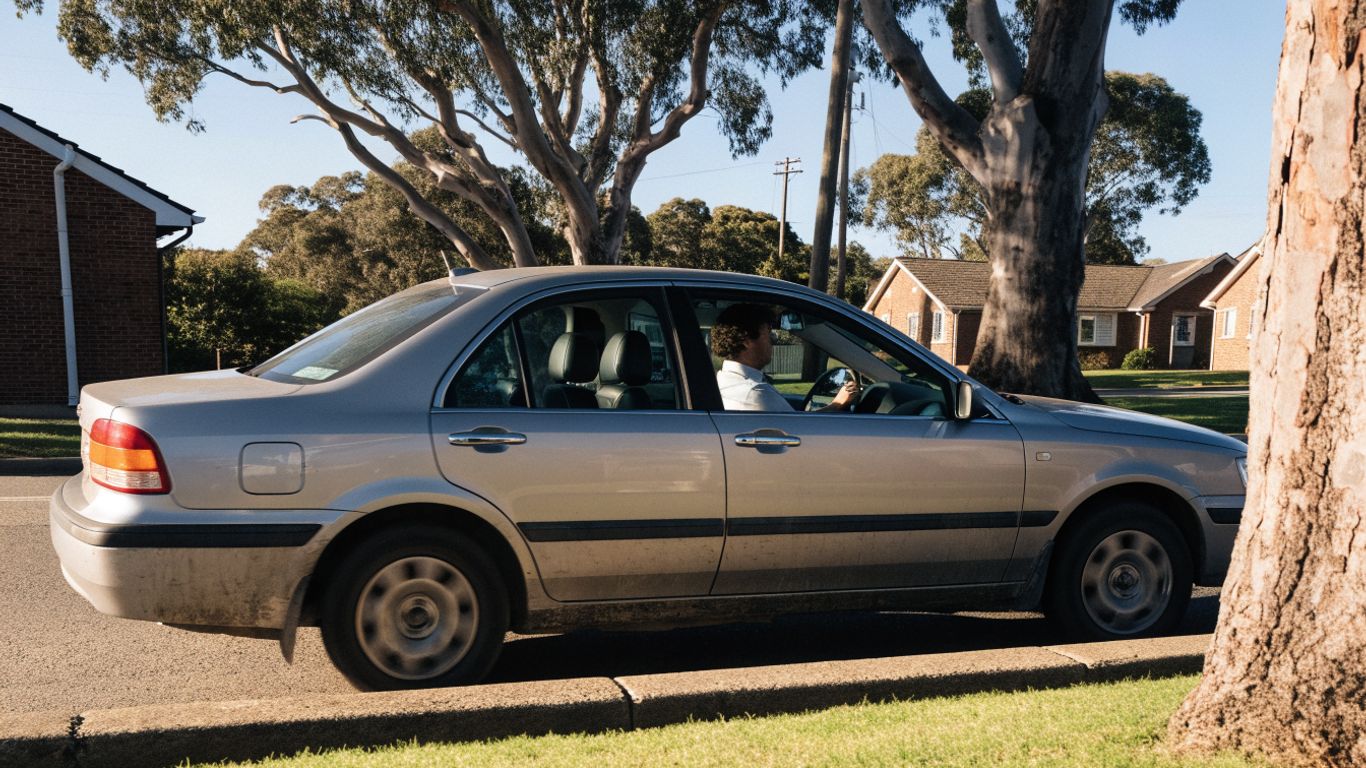
A test drive lets you assess how a vehicle behaves in ordinary use, rather than relying only on its appearance or the seller’s description. Ask permission to drive it and confirm any conditions before setting off. If possible, choose a route that includes slower streets and a faster road, and allow enough time to notice how the car responds. The drive should help you decide whether the vehicle feels right and whether anything needs further investigation.
Test the car on city streets and faster roads
Begin with a familiar kind of route that includes stopping, turning, and parking, then try a faster stretch where it is safe and legal to do so. Notice how the car accelerates, holds its speed, and handles changes in road surface. Avoid rushing through the drive just to complete it; a few minutes of unhurried attention can reveal whether the vehicle suits your normal journeys. If the seller will not allow a reasonable test drive, consider whether you have enough information to proceed.
Check the brakes, steering, and transmission
During the drive, observe whether the brakes feel consistent and whether the vehicle pulls or vibrates when slowing down. The steering should feel predictable, and the car should respond smoothly to ordinary turns. For an automatic or manual transmission, pay attention to how it changes gears under normal driving; any hesitation, slipping, or harsh movement is worth raising with the seller and an independent mechanic. Do not attempt risky maneuvers to test a component.
Listen for unusual noises and watch for warning lights
Turn off the audio and pay attention to sounds from the engine, wheels, suspension, and brakes. Check the dashboard as the vehicle starts and during the drive, and ask about any warning light that stays on or appears unexpectedly. Make a note of when a noise or warning occurs, since that detail can help a mechanic investigate it. For a quieter way to listen to reading material while parked or preparing for a trip, Audioread turns articles and other text into audio; it is not a vehicle inspection tool.
Confirm comfort, visibility, and practical features
Check that you can adjust the seat and mirrors into a comfortable position, see clearly in all directions, and reach the controls you use often. If you regularly carry passengers or equipment, consider whether the entry, seating, and cargo space work for them. Test relevant features, such as air conditioning, lights, and windows, rather than assuming they function because they appear in the listing. A car that feels comfortable on a short drive is more likely to fit daily use, though longer-term needs still matter.
Understand inspections and paperwork
A vehicle can appear ready to go while important details remain unclear on paper. Before signing or paying, confirm that the vehicle, seller, and documents all match and that you understand the steps needed to complete the transaction. Registration and roadworthiness requirements can depend on the vehicle and the circumstances of the sale, so verify current South Australian requirements with the relevant official source. Keep copies of what you review and sign.
Confirm the vehicle identification number
Locate the vehicle identification number (VIN) on the car and compare it with the number shown on the paperwork and any history checks. The number should match exactly. If it is missing, altered, difficult to read, or inconsistent with the documents, stop and get an explanation from an appropriate authority before continuing. Do not rely only on a photograph or a number copied into a listing.
Review registration and roadworthiness requirements
Ask the seller about the vehicle’s current registration status and what steps, if any, remain after the sale. Check whether an inspection or other roadworthiness requirement applies to this particular vehicle and transaction, and confirm the process using current official guidance rather than assumptions. If the car is not currently registered, understand the practical and legal steps involved before arranging to drive it. Clarify who is responsible for each step and when it must be completed.
Check transfer documents before signing
Read every document carefully and confirm that the vehicle details, seller information, price, and any agreed conditions are accurate. If a form or term is unclear, ask for an explanation before signing rather than relying on a promise to fix it later. Keep the sale paperwork consistent with what you have agreed verbally, including any items or work the seller has promised. If you need help interpreting a requirement, consult an appropriate official or qualified adviser.
Keep copies of the sale agreement and receipts
Save a copy of the signed agreement, payment record, transfer documents, inspection report, and any written statements about the vehicle. Store them somewhere you can find later, and make sure receipts show the amount paid and the date. Good records are useful if you need to confirm what was agreed or complete a later administrative step. They also help keep the handover organized on the day.
Negotiate and complete the purchase
Once you have compared the vehicle with similar listings, reviewed its history, and finished your checks, you can decide what price and terms make sense to you. Negotiation works best when it is calm and tied to evidence, not pressure or guesswork. Be ready to pause if the seller changes the terms or asks you to skip a check. A sound purchase is one you understand and can complete securely.
Use comparable listings and inspection findings to negotiate
Bring a small number of comparable listings and any independent inspection findings to the discussion. Explain which differences affect the amount you are prepared to pay, such as condition, missing records, or repairs identified by the mechanic. Keep the conversation respectful and specific; a seller may accept, reject, or counter your offer. Decide your limit in advance so you are not drawn into spending more than the vehicle is worth to you.
Confirm what is included in the agreed price
Before you finalize the deal, confirm the total amount and exactly what comes with the vehicle. Make sure any agreed accessories, repairs, or other conditions are written down, and ask whether there are additional charges beyond the price discussed. Check the final paperwork against that agreement before signing. If something important is missing or different, resolve it before proceeding.
Arrange payment through a secure method
Use a payment method that provides a clear record and is appropriate for the transaction. Verify the recipient and payment instructions independently, especially if bank details have changed or arrived by message. Avoid sending money before you have confirmed the seller’s identity, the vehicle, and the written terms. If the arrangement feels rushed or unusual, stop and verify it rather than accepting pressure to act immediately.
Complete the ownership transfer promptly
After the sale, complete the required ownership-transfer steps within the applicable time period and keep evidence that the paperwork was submitted. Confirm that the vehicle’s registration and insurance arrangements are in order before driving it. Put the documents, keys, and any agreed items together at handover, and retain copies of the final records. A tidy closeout helps prevent uncertainty after you leave with the car.
Conclusion
Finding a reliable used car in Adelaide is less about spotting a perfect listing than about checking the details at every stage. Set a budget that reflects the full cost of ownership, compare similar vehicles, verify the history, and take the time to inspect and test-drive your shortlist. When the paperwork and payment are clear and the vehicle holds up to scrutiny, you can make your decision with greater confidence.
Frequently Asked Questions
How much should I budget for a used car?
Set a maximum purchase price, then leave room for registration, insurance, fuel or charging, servicing, tires, and possible repairs. Obtain estimates for the specific vehicles you are considering, since costs vary by model and personal circumstances.
Is mileage the most important factor when buying a used car?
No. Mileage is useful context, but it should be considered alongside service records, condition, ownership history, and how the vehicle was used. A thorough inspection can help you assess the overall picture.
Should I get a pre-purchase inspection?
An independent inspection is a sensible way to learn about issues that may not be obvious during a viewing or test drive. Ask a qualified mechanic what the inspection covers and review the findings before committing.
What should I check during a test drive?
Try the vehicle on a safe route with both slower and faster driving. Pay attention to braking, steering, gear changes, unusual sounds, warning lights, visibility, comfort, and whether the car suits your practical needs.
How can I check a used car’s history?
Ask for service documents and ownership information, compare odometer readings across records, and consider an appropriate vehicle-history check. Verify the VIN against the vehicle and its paperwork, and follow up on any gaps or inconsistencies.
Are dealership purchases always safer than private sales?
The seller type alone does not establish whether a particular car is a sound purchase. Review the vehicle’s history and condition, clarify the terms, check the documents, and arrange an independent inspection where appropriate.
What paperwork should I keep after buying a used car?
Keep the signed sale agreement, receipts, payment record, transfer documents, inspection report, and any written promises or conditions. Confirm the applicable registration and ownership-transfer steps using current official guidance.