

Key Takeaways
A reliable replacement starts with exact fitment and a clear understanding of what the seller is offering. Take time to check the engine’s history, written terms, and full installation cost before committing.
- Confirm the engine code and vehicle compatibility, not just the make and model.
- Ask how the engine was sourced, inspected, and tested.
- Read the warranty exclusions and clarify which parts are included.
- Compare the full cost, including freight, installation, and any extra components.
- Keep all paperwork and follow the mechanic’s servicing guidance after installation.
Understand what “recycled engine” means
The phrase “recycled engine” can describe engines in quite different conditions, so it is worth asking what a seller means by it. Some are used engines removed from donor vehicles, while others have been repaired or rebuilt to varying degrees. Knowing which type is on offer helps you compare like with like.
How used, reconditioned, and remanufactured engines differ
A used engine is generally sold in the condition it was in when removed, subject to whatever checks the supplier has performed. A reconditioned engine has had some work done to address wear or faults, while remanufacturing typically involves a more extensive rebuild process; exact practices and definitions vary by supplier. Ask for a written description rather than relying on the label alone.
A simple comparison can help you frame the questions, but it does not replace the seller’s specific terms.
| Description | What it may mean | What to confirm |
|---|---|---|
| Used | Removed from a donor vehicle | Inspection, mileage, and known faults |
| Reconditioned | Selected repairs or replacements completed | What work was done and which parts were changed |
| Remanufactured | A more extensive rebuild | Rebuild scope, testing, and warranty terms |
The amount of work behind the label matters more than the word itself. Request an itemized account of any repairs, replacements, and testing before comparing prices.
Where recycled engines come from
Many recycled engines are recovered from vehicles being dismantled for parts. A donor vehicle might have been retired because of age, damage, or a fault elsewhere, so its engine’s history cannot be inferred from the vehicle’s fate alone. Ask what the supplier knows about the donor and whether the engine was running before removal.
Recycling can also keep useful components in circulation rather than treating an entire vehicle as waste. For a wider view of what happens to end-of-life vehicle materials, see this overview of vehicle material recycling. That context is useful, though it says nothing about the condition of a particular engine.
Why buyers consider recycled engines
A recycled engine may offer a practical alternative when a new replacement is too costly, unavailable, or unnecessary for the vehicle’s expected use. Price is only one part of the decision: condition, compatibility, warranty, and installation all affect whether the purchase makes sense. Perth buyers looking at WA Auto Parts can review its listing for tested, warranted used engines for sale in Perth, then ask the supplier what those terms mean for the specific engine being considered.
The value of a second-hand unit depends on the evidence behind it and the costs that come with fitting it. Treat broad claims as a starting point for questions, not as a substitute for details about the individual engine.
Match an engine to your vehicle
Two engines that look similar may differ in ways that prevent a straightforward fit. Before discussing price, gather the vehicle details and compare the replacement against the original specification. A little care here can prevent delays, extra labor, or a motor that cannot be installed as expected.
Check the make, model, year, and engine code
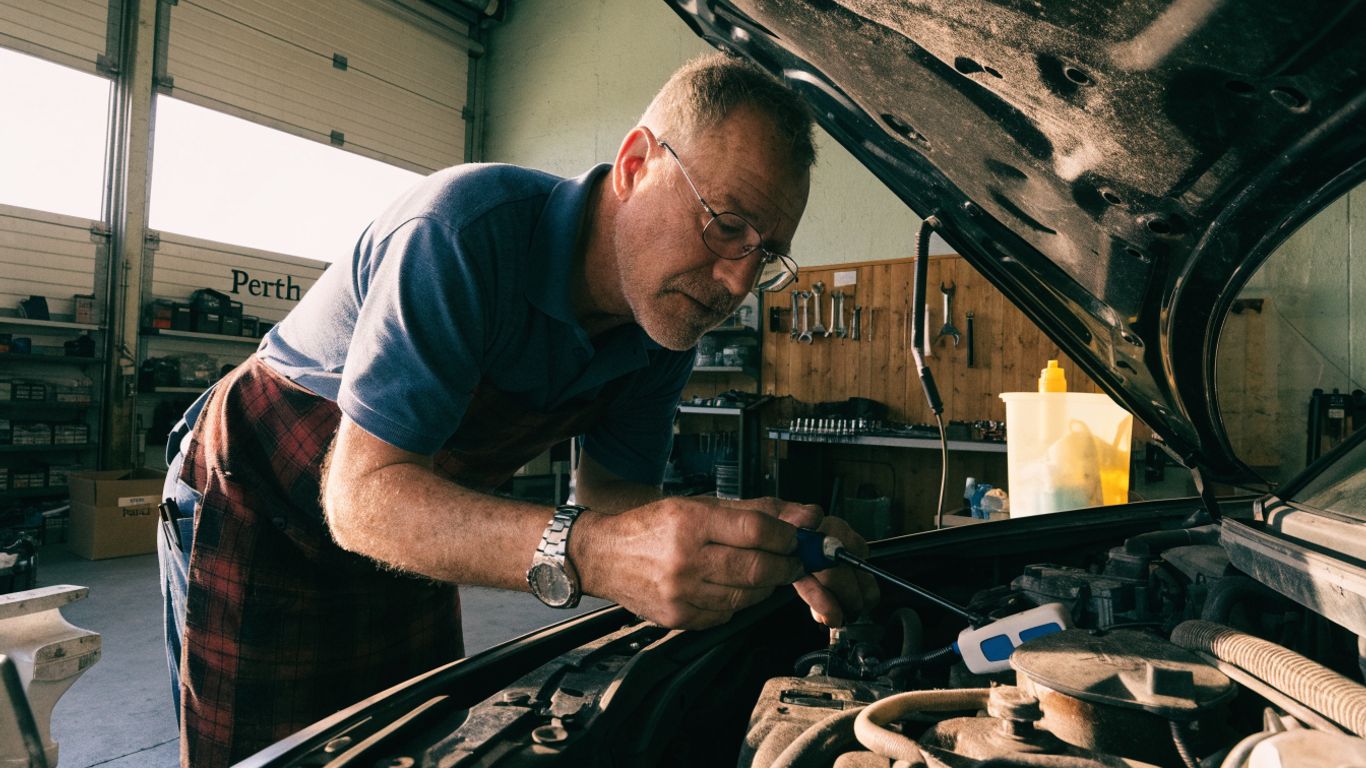
Start with the vehicle’s make, model, and model year, then find the engine code if possible. A model name alone may cover several engine options across different trims or production years. Check the code on the existing engine or in reliable vehicle documentation, and ask the supplier to confirm the code of the replacement in writing.
Compare fuel type, displacement, and transmission compatibility
Compare the fuel type and displacement, but do not stop there. The transmission, mounting points, wiring, sensors, and emissions equipment may also affect compatibility, depending on the vehicle. Ask a mechanic or supplier to verify whether the candidate engine suits the exact configuration, including any relevant transmission or electronic differences.
A short set of details makes that conversation more precise. Before requesting a quote, have these points ready:
- Vehicle make, model, and year
- Engine code and fuel type
- Displacement and transmission type
- Any existing modifications or relevant fault history
These details help narrow the search, but they are not a final fitment approval. Have the supplier and installer confirm the match before you pay or arrange freight.
Confirm fitment with your vehicle identification number
The vehicle identification number (VIN) can help a supplier verify the vehicle’s original specification. Provide it through an appropriate channel and ask the supplier to confirm the proposed engine against the VIN, rather than assuming a match based on a registration lookup or model description. Keep a written record of the confirmation, especially if the vehicle has been modified.
A VIN check is a useful cross-check, not a promise that every related component will transfer over. Ask the installer to flag any additional parts or work that could be required before the engine is fitted.
Assess engine condition and history
A motor can appear clean and still have problems that are not visible from the outside. The supplier’s records, testing process, and answers to specific questions matter as much as a quick visual look. For Perth recycled engines, ask for evidence about the individual unit rather than relying on general descriptions of stock.
Ask about mileage and donor-vehicle details
Ask whether the mileage is known, how it was recorded, and what information is available about the donor vehicle. A clear answer may include the donor’s year, the reason it was dismantled, and whether the engine was running before removal. If any part of the history is unknown, ask the seller to state that plainly rather than treating an estimate as a verified figure.
WA Auto Parts describes its professional wreckers as supplying recycled motors with guidance to help buyers choose the right engine. That can be a useful starting point for a fitment conversation, but you should still ask for the history and condition details of the particular unit.
Review inspection and testing procedures
Inspection and testing can mean different things from one supplier to another. Ask what was checked, whether the engine was tested while installed or after removal, and whether the results can be shared. WA Auto Parts lists tested and warranted used engines, but buyers should confirm the applicable checks and written warranty terms for the engine they are considering.
Online information can help with general research, but it is not a condition report. For example, an SEO Redirect Audit concerns website redirects; it does not assess a vehicle or validate an engine’s history. Put the weight on unit-specific records and direct answers from the supplier.
Look for signs of damage, wear, or poor storage
If you can inspect the engine, look for obvious cracks, corrosion, damaged mounts, missing components, and signs of leaks. Ask how it has been stored and whether exposed openings were protected from dirt or moisture. A visual check cannot reveal every internal fault, but it can help you identify concerns that deserve a clear explanation before purchase.
If the engine is being shipped, ask for recent photographs and a description of its condition before dispatch. Keep those records with the quote and invoice so you have a reference if the delivered item differs from what was discussed.
Compare warranties, price, and included parts
The lowest advertised price may not represent the lowest total cost. Warranty terms, included components, freight, and labor can change the real comparison considerably. Read the offer as a complete package, and ask the seller to put important details in writing.
Check warranty length and coverage exclusions
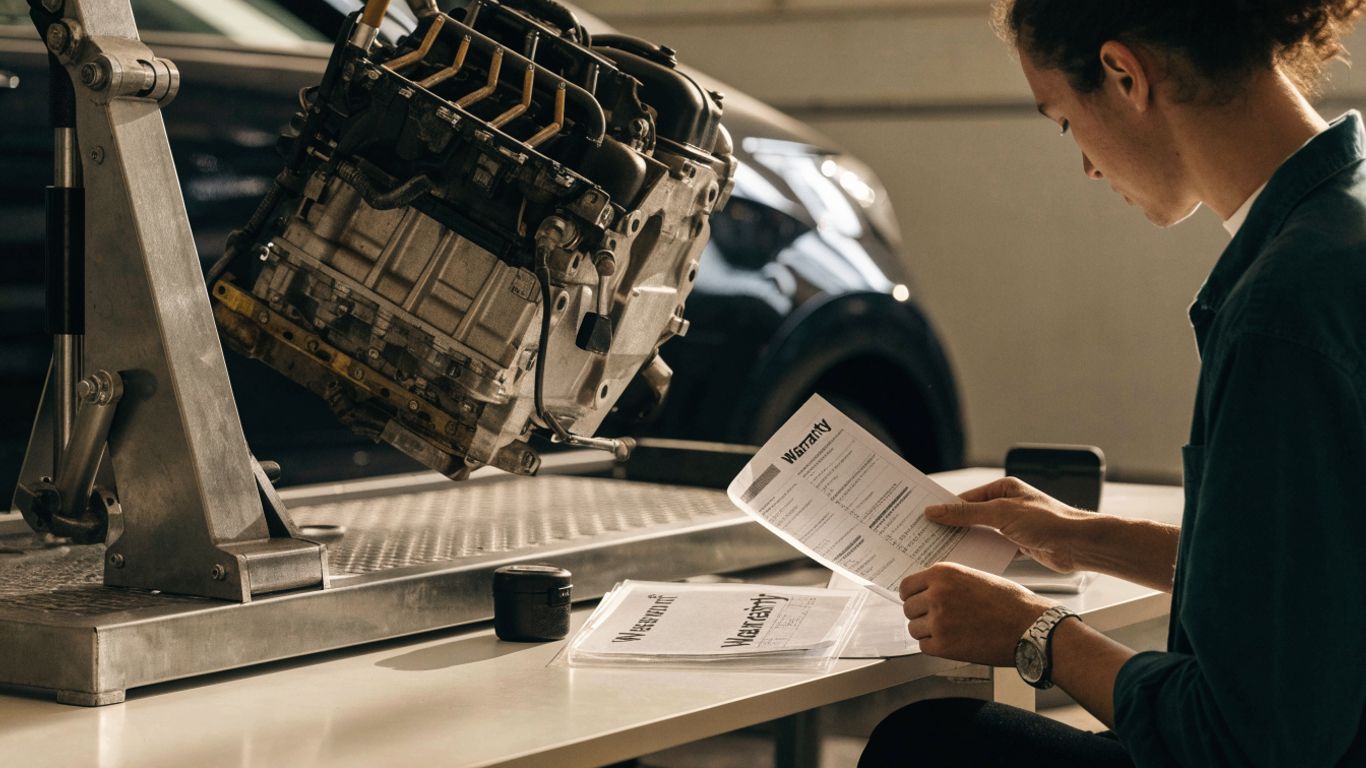
Ask how long the warranty lasts, when it begins, and what steps you must follow to keep it valid. Check whether coverage is limited to the engine itself or extends to particular internal components, and look for exclusions involving overheating, incorrect installation, or missed servicing. Do not assume that the word “warranted” means every repair or related cost is covered.
A warranty is only useful if you know how to make a claim and what evidence is required. Request the full terms before purchase and make sure the installer understands any conditions that affect the work.
Confirm what accessories and components are included
Clarify exactly what arrives with the engine. Depending on the offer, items such as the starter, alternator, intake components, sensors, or wiring may be excluded or supplied separately. Ask which components must be transferred from the old engine and whether those parts are suitable for reuse.
A written parts list prevents assumptions at the workshop. If a component is not included, price it before comparing offers; otherwise, a seemingly cheaper engine may require extra purchases once installation is underway.
Compare the total cost, including installation and freight
Compare complete estimates rather than engine-only prices. Include freight to your location, workshop labor, fluids, replacement seals or related parts, and any required diagnostics. For vehicle owners also weighing how to sell an old component, this guide to selling car parts covers that separate decision; it should not be confused with the cost of sourcing and fitting a replacement engine.
A useful estimate should make the main costs visible and identify what remains uncertain. If you are keeping vehicle paperwork or service records digitally, remember that guidance on AI data licensing addresses data privacy and contract terms in that context, not engine warranties. For this purchase, prioritize the supplier’s written terms and the mechanic’s estimate.
Choose a Perth supplier and plan installation
A suitable supplier should be able to explain what is being sold, how it was checked, and what happens if the engine is not as described. For local buyers, delivery distance and workshop coordination matter too. Take time to check the business details and agree on the practical steps before arranging collection or installation.
Verify supplier experience and business details
Check that the business provides clear contact details, a written quote, and specific answers about the engine’s source and condition. Ask who will handle fitment questions if the engine is being installed by a separate workshop. WA Auto Parts advertises tested, warranted used engines in Perth; treat that as a starting point and verify the terms, availability, and fitment details for the unit you need.
An online presence alone cannot establish the quality of a particular engine. Keep your checks focused on the vehicle match, inspection information, and written conditions rather than a polished listing. If a supplier cannot answer basic questions clearly, pause before sending payment.
Ask about delivery, collection, and returns
Confirm the delivery method, estimated timing, freight cost, and how the engine will be secured in transit. Ask what to do if the shipment arrives damaged or does not match the agreed description, and make sure the return process and any related costs are clear beforehand. If collecting in person, check whether assistance with loading is available and what equipment you need.
Keep messages, photographs, and shipping details together. They make it easier to resolve misunderstandings and help the workshop confirm that the delivered engine is the same unit that was quoted.
Use a qualified mechanic for installation
Engine installation can involve more than lifting out one motor and fitting another. A qualified mechanic can check compatibility, transfer necessary components, and identify related faults that could affect the replacement. Agree on the scope and estimate before work begins, and ask the installer to review any warranty conditions that depend on correct installation or servicing.
If the supplier provides fitting guidance, pass it to the workshop rather than relying on memory. A separate article about content repurposing discusses adapting information for different formats; for this job, the practical point is simply to make sure the mechanic receives the relevant written instructions in a usable form.
Protect your purchase after installation
Once the engine is fitted, the way you maintain the vehicle can affect its service life and any warranty claim. Follow the instructions supplied for that engine and vehicle, and keep a clear record of work performed. If something seems wrong, act promptly rather than continuing to drive and potentially making the issue worse.
Follow the engine break-in and servicing guidance
There is no single break-in routine that applies to every replacement engine. Follow the supplier’s and mechanic’s guidance on early operation, fluid checks, and service intervals, and ask them to explain anything that differs from the vehicle’s normal schedule. Record the dates and mileage of the first checks and any follow-up servicing.
Do not assume that generic advice found online overrides the instructions for your particular engine. If you are unsure whether a sound, warning light, or fluid change is expected, contact the installer promptly and describe what you are seeing.
Keep invoices, warranty documents, and service records
Keep the quote, invoice, warranty terms, delivery information, and installation paperwork together. Add service records and any written advice from the supplier or mechanic, including dates and mileage. This makes it easier to establish what was supplied and what maintenance has been completed if questions arise later.
Some readers may also come across a career burnout story while browsing practical-skills material, but it is separate from the records that support an engine purchase. For this transaction, organize the documents around the engine, installation, and servicing so they are easy to retrieve.
Know what to do if a problem arises
If a warning light appears, a leak develops, or the engine behaves unexpectedly, contact the mechanic and supplier as soon as practical. Note when the issue started, the vehicle’s mileage, and any symptoms, and avoid further use if the mechanic advises that driving could cause damage. Follow the warranty’s claim process and keep copies of all correspondence.
If you are planning a Vietnam motorbike tour, its practical safety and route-planning focus is a different subject; it does not replace advice about diagnosing a car engine. For a replacement motor, rely on the mechanic’s assessment and the terms agreed with the supplier.
Conclusion
Choosing a recycled engine is a matter of matching the right unit to the vehicle and understanding its history, condition, warranty, and full cost. Confirm details in writing, involve a qualified mechanic, and keep the paperwork after installation. Those steady checks make it easier to judge whether a particular replacement is a sensible fit for your car.
Frequently Asked Questions
What does “recycled engine” mean?
It usually refers to an engine recovered from another vehicle, though sellers may use the term for units with different levels of inspection or repair. Ask for a specific description of the engine and any work completed.
Is a used engine the same as a reconditioned engine?
Not necessarily. A used engine may be sold largely as removed, while a reconditioned engine has had some work done; the scope varies, so request an itemized description.
How do I know which engine fits my vehicle?
Compare the engine code, make, model, year, fuel type, displacement, and transmission details. Ask the supplier and installer to confirm the match using the VIN and the vehicle’s exact configuration.
What should I ask about an engine’s history?
Ask about mileage, donor-vehicle details, why the vehicle was dismantled, whether the engine was running before removal, and what information is unknown. Request any available records in writing.
What should an engine warranty cover?
Coverage varies by seller. Check its length, start date, covered components, exclusions, claim process, and any installation or servicing requirements before buying.
What costs should I include when comparing engines?
Consider the engine price, freight, installation labor, fluids, additional components, and any diagnostics or related repairs. A written estimate can help reveal costs that are not included in the listing.
Should a qualified mechanic install a recycled engine?
Using a qualified mechanic is a sensible way to verify fitment and manage installation. It also helps you understand any additional parts needed and follow conditions that may affect the warranty.