

Key Takeaways
A good used-car purchase starts with a clear picture of how you will use the vehicle and what you can afford to maintain. Take time to compare, inspect, and verify before you commit.
- Compare private sellers and dealerships, then widen your search if the right car is not nearby.
- Choose a vehicle for your everyday needs, not just its advertised price or popularity.
- Read listings carefully and shortlist cars with useful details and service records.
- Inspect the vehicle, arrange a professional check, and verify its history and ownership.
- Agree on the full price, complete the required paperwork, and arrange insurance before driving away.
Understand the Brisbane second-hand car market
Brisbane second-hand motors range from small city cars to family SUVs and work utes, so the market can feel broad before you know what you need. Prices, condition, and seller arrangements vary from car to car. Start by deciding how much time you can spend searching and what kind of seller experience you prefer. A comparison mindset is useful in many areas, including an ABA therapist comparison, though the checks for a car are their own.
Compare private sellers, dealerships, and online listings
A private seller may know the vehicle’s day-to-day history, while a dealership may offer a more structured buying process; neither route removes the need to inspect and verify. Online listings make it easier to compare asking prices and features, but the listing is only a starting point. The differences are easier to weigh when you think about the questions each option leaves you responsible for answering.
| Buying route | What may be useful | What to check yourself |
|---|---|---|
| Private seller | Direct conversation about the vehicle | Ownership, records, condition, and payment details |
| Dealership | A more organized viewing and purchase process | Written terms, vehicle history, and included items |
| Online listing | A broad view of available vehicles | Whether the car and seller match the description |
Whichever route you choose, keep the same basic checks in view. A polished listing or a convenient process is not a substitute for records, an in-person inspection, and clear paperwork.
Decide whether to buy locally or search across Queensland
A nearby car is easier to inspect and revisit, which can simplify the early stages of a purchase. Looking farther afield may give you more options, but allow for travel, a second inspection, and the practical details of collecting the vehicle. Before widening the search, compare the likely extra effort with the benefit of finding a better-matched car. For a wider view of current listings, you can browse Brisbane pre-owned cars.
Check how vehicle type and demand affect availability
Popular body styles and models may attract several interested buyers, while less common variants can take longer to find. Availability changes, so treat any snapshot of listings as a guide rather than a promise that a particular car will remain on sale. Keep a short list of acceptable alternatives and focus on condition and suitability, not only on getting a specific badge or trim.
Choose a car that fits your needs and budget
A sensible choice starts with the trips you actually make: commuting, school runs, weekend travel, or carrying tools and equipment. Think about passengers, parking, storage, and how often the car will be used. A vehicle that suits those ordinary routines is more useful than one selected mainly for its appearance or a low advertised price.
Match the vehicle type to your daily driving
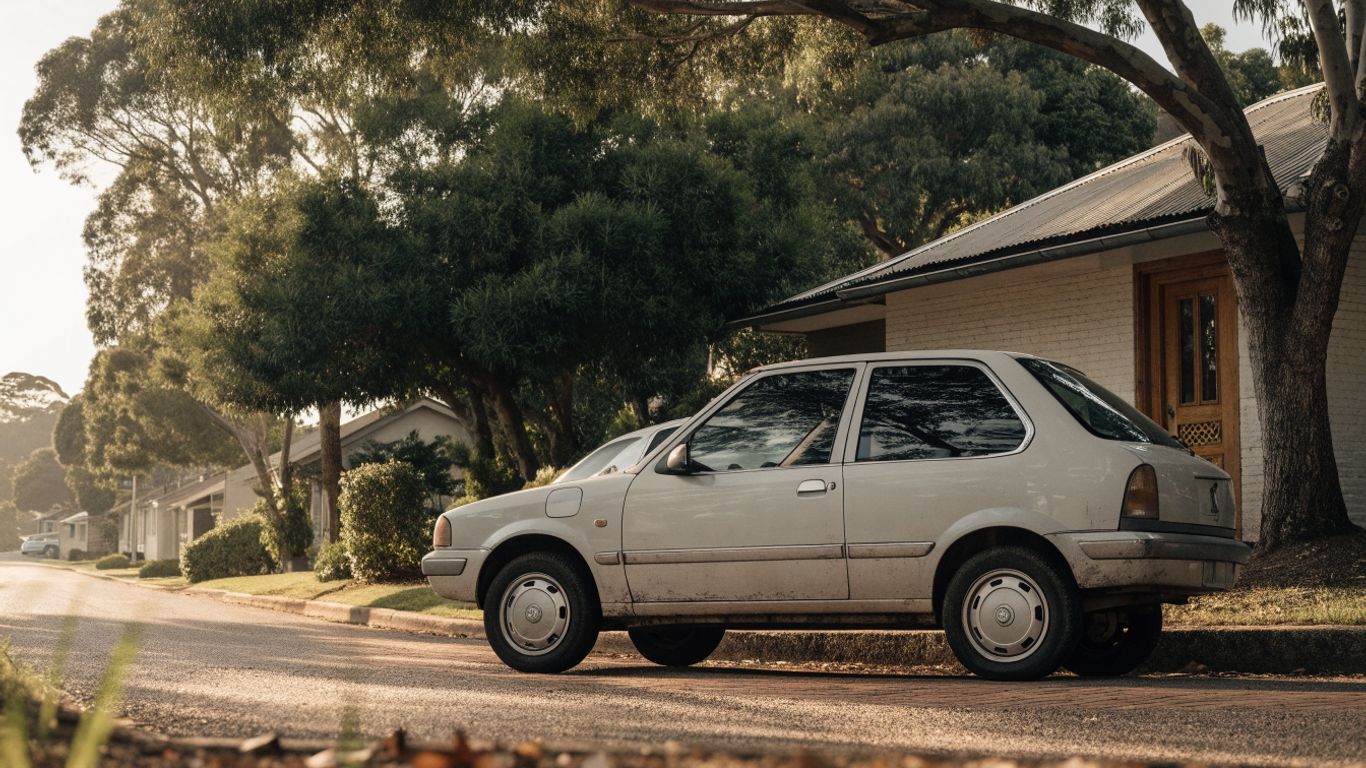
A small hatchback can be convenient for tight parking and short urban trips, while a sedan may offer a separate trunk and comfortable passenger space. An SUV can provide a higher seating position and flexible room, and a ute may make sense when carrying bulky loads is part of regular life. Try to picture the car with your usual passengers and belongings rather than judging it from the outside.
Set a realistic budget beyond the purchase price
The asking price is only one part of the cost. Leave room for immediate maintenance, registration and transfer expenses, insurance, and any inspection you arrange. A useful budget also includes a reserve for repairs that may become apparent after purchase, rather than assuming every used car will need nothing beyond routine care.
When comparing vehicles, it helps to separate the costs into a few practical buckets. That makes it easier to see whether a cheaper car still fits your overall budget once the first round of expenses is included.
- Purchase price and any agreed fees
- Inspection and immediate repair costs
- Registration, transfer, and insurance expenses
- Ongoing fuel, servicing, and maintenance
Add those figures before you negotiate, then keep the resulting total ownership cost in mind while comparing similar cars. If the numbers leave no room for upkeep, reconsider the price range or look at a simpler vehicle.
Compare fuel use, maintenance needs, and resale value
Fuel use depends on the vehicle and your driving, so compare the figures for the exact model and consider how much time you spend in traffic or on longer routes. Look into the maintenance schedule and the availability and cost of parts before deciding that a low purchase price is a bargain. Resale value can matter if you expect to change cars in a few years, but it should not outweigh sound condition and a good fit for your needs.
Search listings and shortlist promising cars
A useful shortlist makes the search manageable: a handful of vehicles that fit your budget and basic requirements, with enough information to justify a closer look. Search results can be broad, and listings may use different levels of detail. Set your must-haves first, then compare candidates consistently rather than being pulled toward whichever advertisement looks most appealing.
Use filters to narrow down make, model, price, and location
Begin with a realistic price range and the body style or size you need. Add make, model, transmission, fuel type, and location filters only when they help narrow the field without excluding reasonable alternatives. Leave some flexibility around distance or trim if your first search produces very few suitable cars. A broader selection can help you see which features are common and which are priced at a premium.
Look for clear photos, service history, and complete descriptions
Good photos should show the exterior from several angles, the cabin, and any visible damage; a short description should identify the model, year, distance traveled, and notable features. Ask whether service records are available and whether the seller can clarify gaps in the description. For other kinds of planning, a Bradenton family vacation guide also shows how useful it is to gather practical details before making a choice; a car, of course, needs its own inspection and records.
Spot warning signs in listings and seller claims
Be cautious when key details are missing, the photos are unclear, or the description makes sweeping claims without supporting information. A seller who avoids reasonable questions or pressures you to pay before seeing the car is a reason to pause. Keep notes on the facts you can verify, and ask for clarification rather than treating confident wording as proof. The same habit of checking claims applies to SEO content strategy, though a vehicle purchase calls for direct checks of the car and its documents.
Inspect a used car before you buy
A viewing is a chance to compare the actual vehicle with the listing and decide whether further checks are worthwhile. Allow enough time to look over the car in daylight, ask questions, and review the documents without feeling rushed. If something does not line up, take a step back before making any commitment.
Review the service records and vehicle identification details
Ask to see service records and compare the vehicle identification details on the documents with those on the car. Check that the seller can explain missing records, changes in ownership, or repairs shown in the paperwork. Keep a note of anything that needs independent confirmation; a folder of documents is helpful only when its details match the vehicle being offered.
Check the body, interior, tyres, and engine
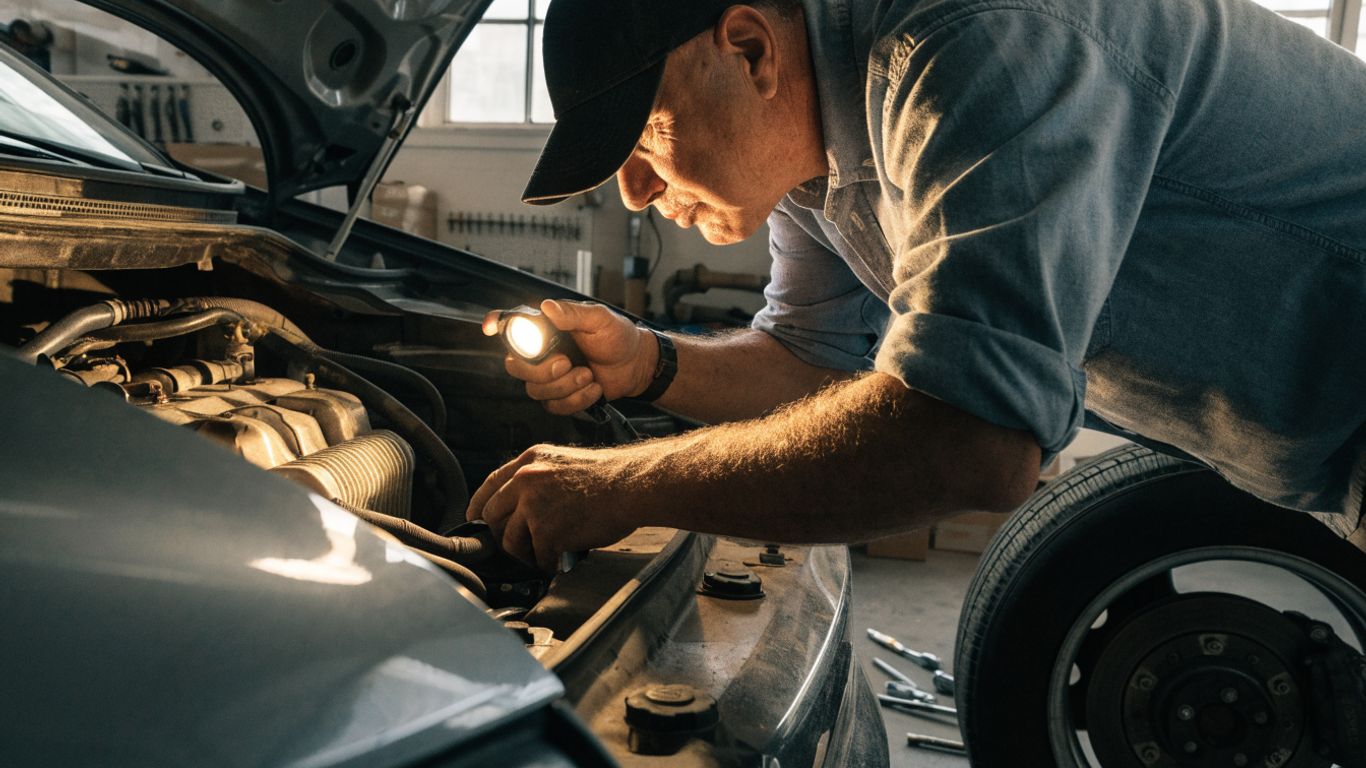
Walk around the car and look for uneven panel gaps, paint differences, rust, or signs of previous repairs. Check the cabin for wear that seems inconsistent with the vehicle’s age or stated distance, and inspect the tyres for damage and uneven wear. Under the hood, look for obvious leaks or damage, but do not treat a quick visual check as a substitute for a qualified mechanical assessment.
Arrange an independent mechanical inspection and test drive
An independent mechanic can assess issues that are easy to miss during a brief viewing. If you test-drive the car, pay attention to how it starts, brakes, steers, and behaves at different speeds, and note warning lights or unfamiliar noises. A short video can help you prepare for the checks to make, but it cannot replace seeing the car and arranging a proper inspection.
Verify the car’s history and ownership
A vehicle can look tidy and still have a complicated history, so check its records separately from its physical condition. Use the relevant Queensland government services to confirm the current checks and procedures for the vehicle you are considering. Do not rely only on a seller’s verbal assurance when official records or documents can clarify the matter.
Check for finance owing, theft records, and write-off history
Before paying, use the appropriate official vehicle-history check to look for finance owing, theft records, and write-off history. Make sure the vehicle details you enter match the car and documents precisely. If a result is unclear or raises a concern, resolve it before proceeding rather than assuming the issue will sort itself out after the sale.
Confirm the seller’s identity and right to sell
Check that the seller’s identity is consistent with the ownership documents, or ask for a clear explanation and supporting paperwork if someone else is handling the sale. Confirm that the person has the right to sell the vehicle and that the details of the car match the agreement. Keep written records of the seller’s contact details and the terms you have discussed.
Review registration, roadworthy, and transfer requirements
Registration, roadworthy, and transfer rules can depend on the circumstances of the sale and the vehicle. Check current Queensland requirements before you pay, including which documents each party must complete and any deadlines that apply. The process for coordinating other services can be quite different—for example, Home Team Luxury Rentals provides vacation-rental management—but a car purchase still requires you to confirm the vehicle-specific rules with the relevant authorities.
Negotiate and complete the purchase
Once the vehicle has passed your checks, bring the listing details, inspection findings, and history results together. Be clear about the price you are prepared to pay and the points that support it. A calm conversation is usually more productive than making an offer based on urgency or an unsupported claim about what another buyer might do.
Use comparable listings and inspection findings to negotiate
Compare similar vehicles by year, distance traveled, condition, and included features, not just by the headline price. If an inspection identifies work that will be needed, ask for a reasonable adjustment or decide whether you would rather walk away. A clear explanation helps keep the discussion grounded in evidence, and you do not have to accept terms that no longer make sense to you.
Confirm the total price and payment arrangements
Before making payment, confirm the agreed total in writing and check what is included. Use a payment method and process you understand, and do not transfer money until you have verified the seller, the vehicle, and the sale terms. Keep copies of payment records and any messages that document the agreement. People use polished documents for many purposes, including through MS Office Efficiency Engine; for a car sale, the key is to retain accurate, complete paperwork.
Complete the paperwork and arrange insurance before driving away
Complete the required transfer documents and keep copies for your records. Confirm that insurance cover is in place before driving the vehicle, and check the registration and roadworthy arrangements that apply to your purchase. Once the paperwork, payment, and cover are settled, take the documents with you and keep them somewhere secure.
Conclusion
Buying a used car in Brisbane is easier when you move steadily from broad search to careful verification. Set a budget that includes more than the purchase price, inspect the vehicle and its history, and make the final decision only when the paperwork and terms are clear.
Frequently Asked Questions
What should I check first when buying a used car in Brisbane?
Start with your budget and driving needs, then check that the listing includes enough information to decide whether the car is worth viewing. Verify the seller and vehicle details before arranging payment.
Is it better to buy from a private seller or a dealership?
Neither option removes the need to inspect the vehicle and check its records. Consider how you prefer to communicate and complete the transaction, then verify the seller’s claims and all written terms.
Should I get a mechanic to inspect a used car?
An independent mechanical inspection can identify concerns that may not be obvious during a brief viewing. It is particularly useful before committing to a purchase.
What documents should I ask to see?
Ask for available service records and documents that help confirm the vehicle’s identity, ownership, and registration details. Check current requirements for the specific sale with the relevant Queensland authorities.
How do I check whether a car has finance owing?
Use the relevant official vehicle-history checking service and enter the vehicle details carefully. Resolve any unclear result before paying or signing an agreement.
What costs should I budget for besides the car’s price?
Allow for inspection, insurance, registration and transfer expenses, fuel, servicing, and possible immediate repairs. The exact costs vary by vehicle and your circumstances.
Should I buy a car that needs repairs if the price is low?
Only consider it after an independent assessment and a realistic estimate of the work and parts required. If the total cost or repair uncertainty does not fit your budget, keep looking.