Key Takeaways
Identifying the right engine requires precise attention to factory specifications and vehicle history to ensure compatibility, longevity, and overall investment value.
- Always match your vehicle’s specific engine code to the donor engine unit.
- Verify transmission compatibility to prevent complex electrical or physical clearance issues.
- Prioritize reputable suppliers that offer traceable engine histories and clear defect warranties.
- Conduct thorough physical inspections of fluids and internal pressure before committing to a purchase.
- Invest in critical peripheral replacements like timing belts and seals before installing the engine.
Determining compatibility for your vehicle
Choosing a replacement power plant for your car involves more than just selecting a model that fits under the hood. You must carefully cross-reference your vehicle’s build plate information against the donor unit to ensure everything aligns properly. Investing time in research early on prevents costly mechanical headaches down the road.
Identifying engine codes and serial numbers
Every vehicle chassis is tagged with unique identifiers that dictate which specific engine variant it requires. You can find these details stamped on the engine block or the compliance plate located near the firewall or door frame. Cross-referencing these precise alphanumeric codes ensures that sensors, fueling systems, and bolt patterns match your existing infrastructure, preventing compatibility mismatches.
Checking compatibility across different production years
Even within the same model generation, manufacturers often implement subtle design updates that affect how an engine mounts or connects to the chassis. A motor manufactured mid-cycle might feature revised intake manifolds or sensor locations compared to one from the initial release year. You should study the following comparison of engine variations for typical mid-cycle adjustments during the selection process.
| Feature Change | Effect on Installation | Compatibility Requirement |
|---|---|---|
| Sensor Port Location | Harness length issues | Requires wire extension |
| Vacuum Line Routing | Air induction pathing | Needs custom routing |
| Oil Filter Housing | Physical interference | Requires housing swap |
Carefully verifying these minor technical nuances helps confirm that your chosen Holden second hand engines will integrate seamlessly with your chassis and current daily drive requirements.
Managing transmission pair requirements
Matching an engine to your existing transmission is often more complex than just checking for enough physical clearance. The communication between the engine control module and the transmission controller relies on specific signal protocols that can vary significantly between build dates. Failure to ensure that these components communicate effectively will result in constant warning lights on your dash or unpredictable shifting behavior that compromises vehicle safety.
Where to source reliable Holden second hand engines
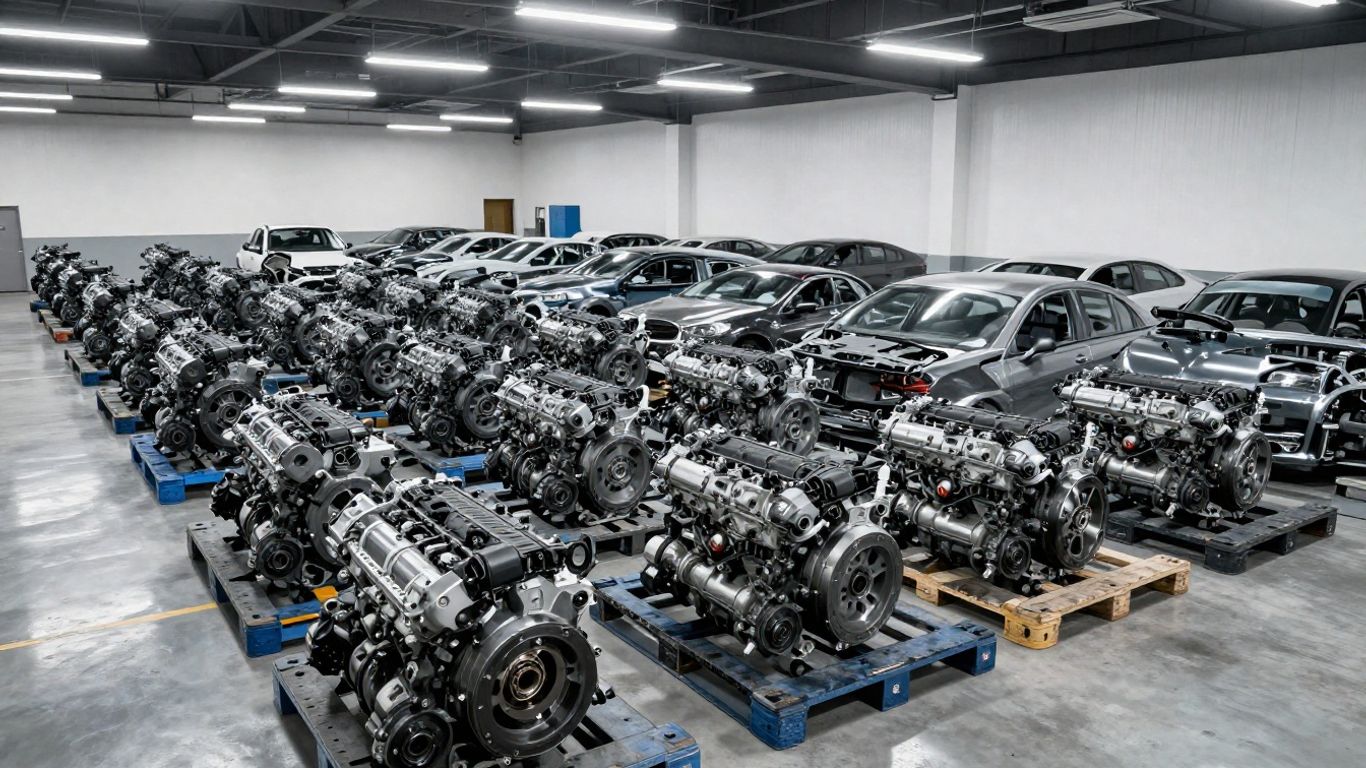
Finding a dependable engine is much like choosing a quality part for any precision machine; you want a source that offers transparency and expertise. Relying on professional networks and established marketplaces typically yields better outcomes than private sales with zero recourse.
Identifying reputable wrecking yards
Local automotive recyclers that specialize in specific makes often provide the most detailed history of their inventory. When you visit these yards, look for clean facilities where parts are stored out of the elements to prevent corrosion. Reliable suppliers will openly discuss the vehicle’s mileage and the circumstances of how the donor car arrived at their gate.
Utilizing online auto parts marketplaces
Digital platforms have revolutionized how we acquire parts, allowing you to search massive inventories across the entire country with ease. You can access quality used Holden car engines through dedicated online portals that provide photos, compression test results, and verified shipping options. These platforms essentially act as a bridge between specialized dismantlers and home mechanics.
Leveraging specialized Holden enthusiast networks
For rare models, community forums and enthusiast groups serve as an invaluable resource for locating well-maintained engines. Members of these groups often know the history of specific vehicles being parted out, providing a level of transparency you simply cannot get from a generic salvage yard. Connecting with these individuals can yield great leads on perfectly functioning powertrains that haven’t been listed on public marketplaces.
Inspection criteria for used engines
Before you pay, it is essential to perform a physical assessment to rule out any underlying damage. You want to ensure you are not buying someone else’s ignored maintenance problem. A methodical approach to checking the engine’s health is a critical step in the process to avoid future failures.
Testing compression levels and cylinder pressure
Measuring compression gives you a clear insight into the internal health of the piston rings and valves without taking the engine apart. A consistent reading across all cylinders indicates that the engine has been maintained properly over its lifetime. If you find one cylinder significantly lower than the others, it often points to a worn valve seat or internal engine damage that necessitates a rebuild.
Analyzing oil condition and common sludge indicators
Inspecting the lubrication system reveals how well the previous owner cared for the vehicle’s internals. Pulling the valve cover or looking into the oil filter housing can show you the reality of the engine’s wear. Consider these signs of potential internal issues:
- Heavy dark buildup around the valve train components
- Milky residue on the underside of the oil filler cap
- Metallic debris or shavings caught in the oil filter media
- Discolored or gritty texture of the residual oil
Seeing these warning signs means the lubrication system has been compromised, indicating the engine likely suffered from poor maintenance intervals throughout its service life.
Checking for external fluid leaks and blockages
Scan the exterior of the engine block for signs of past overheating, such as crusty deposits around the head gasket or radiator hoses. Dried coolant trails often indicate a history of issues that the seller might not disclose upfront. Keep a close eye on the front and rear main seals as well, as these are notoriously labor-intensive to replace once the engine is sitting inside your engine bay.
Performing a cold start-up test
If the engine is still inside the donor chassis, see if you can be present for a cold start to listen for unusual noises. You are listening for clicking valves, piston slap, or any abnormal rattles that indicate excessive internal wear. Monitoring the exhaust color during that first minute is also crucial, as heavy smoke might indicate worn piston rings or a failing head gasket.
Warranty and legal considerations

Buying an engine represents a significant financial commitment, so protecting that investment legally is paramount. You should always ensure that you have clear documentation regarding the purchase price, the engine’s verified history, and any protection promised by the seller. This paperwork is your only safeguard should the unit arrive in a state different from the one promised during the negotiation phase.
Understanding standard parts-only warranties
Most reputable engine retailers offer a limited warranty, typically covering the engine block and internal components for a set period like 30 or 90 days. It is vital to read the fine print carefully, as these promises rarely cover the ancillary cost of labor required to install and potentially remove a failed unit. You must treat these terms as a safety net for major manufacturing defects rather than a guarantee against every possible issue.
Verifying the VIN history of the donor vehicle
Requesting the VIN of the donor car allows you to run a history report to confirm the vehicle’s age and determine if it was involved in any significant accidents or flood-related incidents. This step is a common best practice in the industry that helps you avoid engines that have been submerged or subjected to extreme environmental stress. Always keep this information on file alongside your proof of purchase.
Documenting proof of purchase for insurance purposes
Having an official receipt with the engine number and the date of sale is essential if you ever need to process a warranty claim or provide info to your insurance provider. In some regions, clear records are required to prove that the engine is not compromised or stolen, ensuring that your ownership remains hassle-free during future inspections. Never proceed with a transaction if the seller cannot provide a formal invoice for the transaction.
Negotiating return policies for defective units
Discuss your rights before any money changes hands, establishing exactly what qualifies as a defective unit and who covers the return logistics. A clear, written agreement regarding restocking fees or return shipping mitigates the risks associated with receiving a non-functional engine. Once you have a firm grasp of the agreement, you can confidently proceed with the installation process.
Logistics of engine shipping and storage
Shipping a heavy internal combustion engine requires precise crating and careful handling to ensure it arrives at your workshop in one piece. When you are managing the freight yourself or coordinating with the seller, think proactively about the equipment needed for transport.
Packaging requirements for safe freight
An engine must be secured to a double-reinforced shipping pallet using heavy-duty straps that prevent any tipping or sliding. It is standard practice to drain all fluids completely to avoid environmental hazards during transit. Wrapping the assembly in heavy-duty plastic or shrink wrap also protects exposed oil ports and sensor connectors from debris accumulation along the way.
Selecting freight companies specializing in heavy auto parts
Not all shipping services are equipped to handle items that weigh several hundred pounds and carry high-value components. Seek out providers that utilize lift-gate trucks or maintain specific experience with industrial freight, as they are less likely to damage the unit during the loading and unloading process. Verify their requirements for crating to ensure they will accept your shipment for transport.
Proper storage techniques for sensitive components
If you are storing the engine for a while before installation, keep it in an upright position in a climate-controlled environment to minimize the chance of rust. Covering it with a dry, ventilated tarp prevents moisture build-up while keeping dust from settling into open ports. It is also wise to periodically rotate the crankshaft by hand to keep internal surfaces lubricated with the thin film of residual oil.
Best practices for installation
Everything you do during the installation phase influences the long-term reliability of your vehicle’s new heartbeat. Take your time to ensure every connection is clean, tightened, and properly routed to prevent common early-failure modes that occur after engine swaps.
Essential peripheral components to replace immediately
Replacing wear-and-tear items while the engine is still on the stand is infinitely easier than doing so once it is buried in the bay. Focus on changing the timing belt, water pump, and any easily accessible seals to ensure a long service life. Investing in these small parts now prevents you from having to strip the front end of your car apart just months after the initial swap.
Flushing and priming the lubrication system
Before you turn the key, you need to ensure the oil galleries are fully pressurized to prevent a dry start. Most mechanics use a manual priming procedure to circulate oil through the system, which protects your main bearings and camshaft lobes. Following this step guarantees the engine receives clean lubrication the very second it fires to life.
Verifying proper electrical harness connections
Double-check every plug, sensor, and ground connection for corrosions, loose pins, or broken clips that could prevent a solid signal. A single bad ground or a slightly loose connector can cause catastrophic driveability issues that are notoriously difficult to track down. Take the time to trace every loom to ensure wires are kept away from heat sources like exhaust manifolds.
Executing a structured break-in process
Your first few hundred kilometers should be treated as a gentle warm-up period rather than a test of the engine’s performance capabilities. Avoid high rotations per minute and heavy load scenarios, gradually increasing the intensity as the components settle into their new rhythm. This controlled approach promotes even wear patterns and allows the seals to seat correctly.
Conclusion
Buying an engine is a major undertaking that rewards those who prioritize thorough research and mechanical diligence over convenience. By matching your specifications, verifying documentation, and following disciplined installation practices, you can successfully revitalize your vehicle and secure thousands of miles of reliable performance. Regardless of the path you choose to source your parts, approaching every stage with caution will make the difference between a project of frustration and a successful mechanical transformation.
Frequently Asked Questions
Can I install an engine myself if I have limited experience?
While experienced DIY enthusiasts can handle an engine swap, this task involves significant physical labor and requires advanced knowledge of electrical and mechanical systems. If you are not confident with automotive service guides, having a professional mechanic oversee or perform the work is the safest route to prevent long-term damage.
How many miles are too many for a second-hand engine?
There is no single magic number for mileage, as an engine with higher usage that has been maintained meticulously is often better than a low-mileage unit that suffered from neglect. Focus more on current compression test results and the condition of internal seals rather than just the odometer reading.
Should I always use a computer diagnostic tool after a swap?
Using a scan tool is highly recommended after installing a new engine to verify that all sensors are reporting correct data to the central controller. It allows you to clear error codes and monitor parameters like coolant temp or oil pressure accurately before putting the car back on the road.
What happens if the engine I bought does not fit as described?
If the engine is not compatible despite your prior checks, contact the supplier immediately and refer to your documented purchase agreement for return policies. Most professional wrecking yards will acknowledge a mismatch if the information they provided was incorrect, provided the engine has not been modified or partially installed.
Are imported Japanese engines better than locally sourced ones?
Imported engines can often have lower mileage due to strict local regulations in their origin country, but they come with variable history and potential differences in sensor wiring. Locally sourced engines are often easier to verify, and finding a replacement part or specific documentation for them is generally smoother.
Is a rebuild more cost-effective than buying a used unit?
In many cases, a high-quality second-hand engine is more budget-friendly than a complete internal rebuild of your existing engine, which often involves specialized machine shop work. Rebuilds are usually reserved for high-performance builds or rare vehicles where a donor engine simply cannot be found.
Do I need to upgrade my cooling system when replacing the engine?
Matching the cooling capacity to the engine is wise, especially if you are swapping in a variant that has slightly different thermal requirements. It is a good practice to install a new thermostat and ensure the radiator is flushed, as small blockages in an old radiator can lead to overheating the new engine quickly.