
Key Takeaways
Selling an unwanted vehicle can be straightforward when you verify the buyer, gather the right paperwork, and agree on the final price before pickup.
- Confirm whether your vehicle qualifies, even if it is damaged or does not run.
- Share accurate details so the first quote is as realistic as possible.
- Compare the offer, towing terms, paperwork requirements, and payment method.
- Remove personal property and resolve title, registration, or lien concerns.
- Do not hand over the vehicle until the payment and transfer documents are clear.
What qualifies as an unwanted vehicle
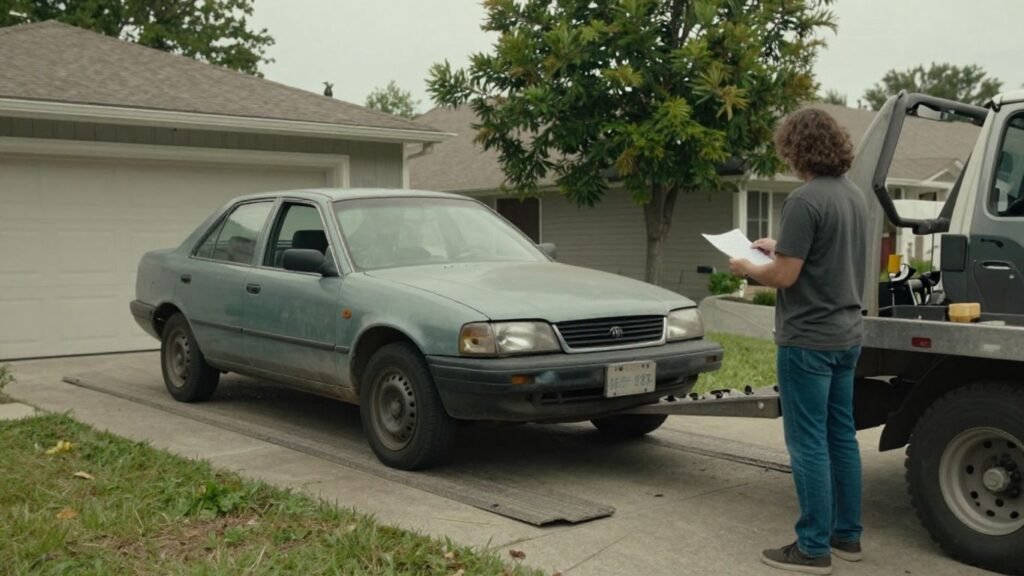
An unwanted vehicle is not necessarily worthless. It may be an old daily driver, a car damaged in an accident, or a truck that has been sitting on private property for years. Buyers usually assess the vehicle’s condition, paperwork, weight, and reusable components rather than relying on whether it is roadworthy. If you are exploring cash for unwanted vehicles, start by describing the vehicle honestly instead of assuming its condition disqualifies it.
Junk, damaged, abandoned, and non-running vehicles
Junk cars, accident-damaged vehicles, and non-running cars are common candidates for a cash sale. A missing battery, flat tires, mechanical failure, or extensive body damage may affect the price, but none automatically means there is no market. An abandoned vehicle is different: before selling it, you generally need to establish ownership and follow local rules for vehicles left on private or public property.
Take clear photos of the exterior, interior, engine area, and visible damage. Mention whether the keys are available and whether the vehicle can roll, steer, or be loaded onto a tow truck. Those practical details help a buyer plan pickup and reduce surprises.
Cars with missing titles or registration issues
A title is usually the clearest proof that you have the right to sell the vehicle, while registration shows its connection to the state. If the title is missing, damaged, or still lists another owner, contact your state motor vehicle agency before accepting an offer. Requirements vary, and a buyer should not encourage you to bypass them.
Registration that has expired does not necessarily erase ownership, but it can create extra steps. Ask what documents are required, whether a duplicate title is acceptable, and whether any fees or releases must be handled before pickup. Keep copies of anything you sign.
Old trucks, vans, motorcycles, and SUVs
Cash buyers may consider more than passenger cars. Older trucks, cargo vans, motorcycles, and SUVs can contain useful components or carry higher scrap weight, although their value depends on the specific vehicle and local demand. Give the year, make, model, mileage, drivetrain, and approximate condition when requesting a quote.
Large vehicles also require a suitable trailer or tow setup. Confirm that the buyer knows the vehicle’s size and location, particularly if it is parked in a narrow driveway, behind a gate, or on soft ground.
Vehicles that may be worth more in parts
A vehicle with a failed engine may still contain a transmission, catalytic converter, wheels, electronics, or body panels that have value. Completeness matters too; stripped vehicles and those missing major components are evaluated differently from intact ones. Do not remove parts before asking for a quote, since dismantling can change the buyer’s assessment and create storage or disposal problems.
You can also review a general junk car selling guide for a broader checklist of valuation, paperwork, and buyer questions. Use general advice as a starting point, then confirm the rules that apply in your state.
How the cash-for-vehicles process works
Most sales follow a simple sequence: request a quote, describe the vehicle, compare the terms, and arrange inspection or pickup. The process may be completed by phone, through an online form, or in person, depending on the buyer. A fast quote is useful, but speed should not replace a clear explanation of what the offer includes.
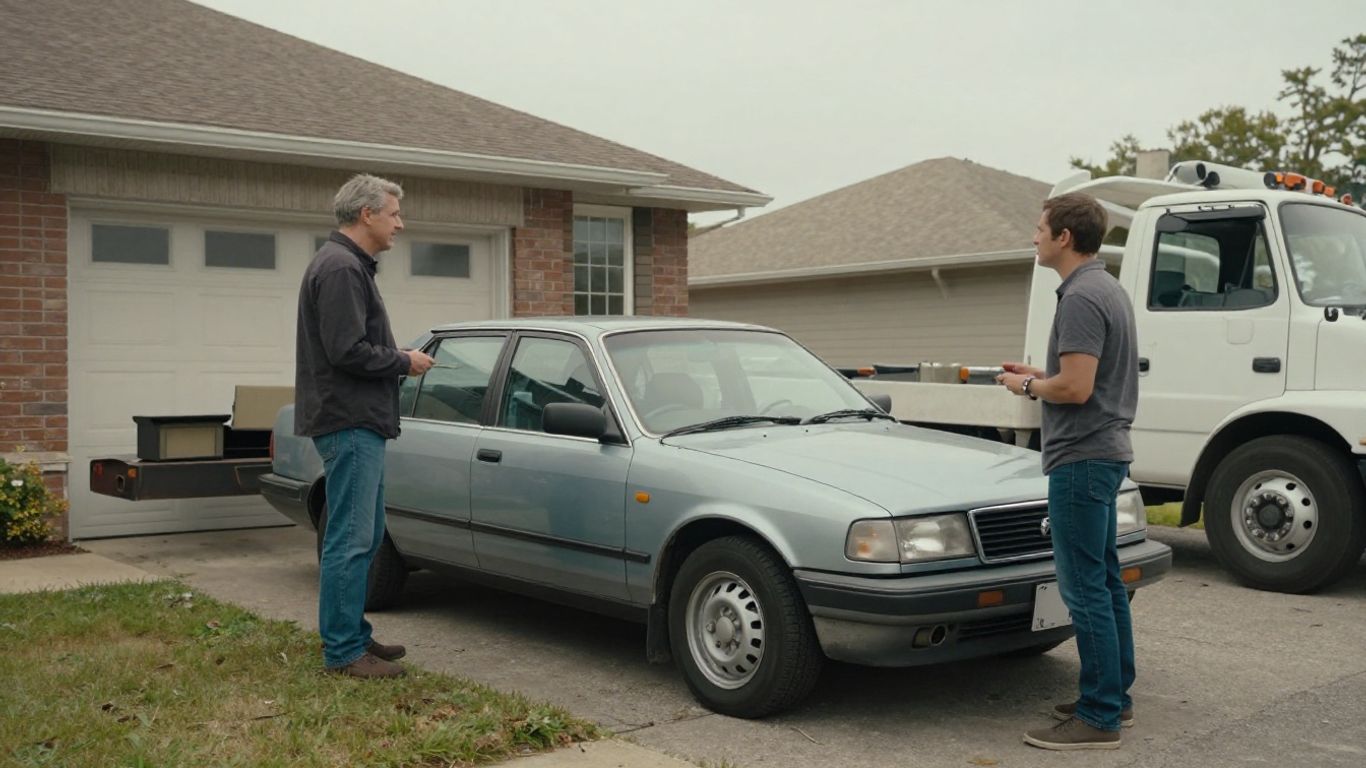
Keep the conversation specific. Ask whether the amount includes towing, whether the quote expires, what paperwork is needed, and when payment is made. A Detroit cash quote page, for example, illustrates the kind of basic vehicle details buyers commonly request, such as year, make, model, and VIN.
Requesting an online or phone quote
Have the vehicle identification number, year, make, model, mileage, and location available before contacting a buyer. Explain whether it runs, whether it has been wrecked, and whether the title is in your name. A quote based on incomplete information may be little more than a preliminary estimate.
Ask for the quote in writing, even if the first contact is by phone. Save emails, text messages, and the name of the person who gave you the estimate so you can compare it with later offers.
Providing accurate vehicle details and photos
Photos should show all sides of the vehicle, the interior, the dashboard, tires, engine compartment, and any serious damage. Do not hide missing parts or describe a non-running car as drivable. Accuracy gives the buyer a better chance of honoring the initial estimate.
The VIN can help identify the exact model and equipment, but protect personal information that is not needed for the sale. If you are unsure where to find it, ask the buyer or consult your vehicle documents rather than guessing.
Comparing offers from local buyers
The highest quoted number is not always the best offer. A buyer who charges for towing, deducts unexplained fees, or cannot explain the paperwork may leave you with less money and more risk. Compare the complete terms instead of comparing headline prices alone.
A small comparison table can keep the decision grounded when several buyers respond:
| Buyer detail | Offer A | Offer B | Offer C |
|---|---|---|---|
| Quoted vehicle price | $___ | $___ | $___ |
| Towing or pickup fee | $___ | $___ | $___ |
| Payment method | ___ | ___ | ___ |
| Payment timing | ___ | ___ | ___ |
After filling this in, ask each buyer about blank or unclear fields. The all-in amount is the figure that matters, not a large quote followed by deductions.
Scheduling an inspection and pickup
Before pickup, confirm the date, arrival window, address, contact person, and loading conditions. Ask whether the driver will inspect the vehicle before finalizing the price and what happens if the condition differs from the description. Make sure the vehicle is accessible without putting anyone in an unsafe position.
A short inspection is reasonable when it confirms the details you supplied. It should not become an excuse for an unexplained last-minute reduction, especially if you already provided accurate photos and information.
How to determine your vehicle’s value
A vehicle’s value can come from several sources: resale potential, salvageable parts, scrap metal, or a combination of these. Age alone is not a reliable guide. A complete older truck in a market with strong demand may be worth more than a newer car with severe damage and missing components.
Condition, age, make, model, and mileage
Running condition is one of the first distinctions buyers make, followed by the extent of body or mechanical damage. Year, make, model, mileage, trim, drivetrain, and completeness can all affect the estimate. Service records and recent repairs may help, but they do not guarantee that you will recover what you spent.
Describe the vehicle’s condition in practical terms: starts and drives, starts but cannot be driven, rolls but does not start, or does not move. That wording is more useful than a broad label such as “fair.”
Scrap metal and salvageable parts
Scrap value generally relates to the vehicle’s weight and the current market for recovered materials, while parts value depends on what can be tested, removed, and resold. Engines, transmissions, wheels, airbags, catalytic converters, and body panels may be considered, but their condition and demand vary.
Do not assume that a valuable-looking part will add its full retail price to an offer. Removal, testing, storage, labor, and local demand all affect what a buyer can reasonably pay.
Location, demand, and towing costs
The vehicle’s location changes the economics of the sale. A buyer may pay more for a model that is in demand nearby, while a remote pickup or difficult access can reduce the net offer. Towing distance, road conditions, and the equipment required to move a disabled vehicle may also be included in the calculation.
Ask directly whether towing is free and whether “free” applies to your address. If there are stairs, locked gates, underground parking, or a tight alley, explain those conditions before scheduling pickup.
Why offers may change after inspection
An initial quote can change if the vehicle is materially different from the description, lacks major components, or has title problems that were not disclosed. It should not change simply because the buyer believes you will accept less under pressure. Written terms and accurate photos give you a stronger basis for deciding whether to proceed.
If the revised amount is unacceptable, you can decline and ask what will happen to the vehicle and any documents already provided. Never sign a blank title or release ownership before the final price is settled.
What to prepare before selling your vehicle
Preparation reduces delays and protects you after the vehicle leaves your possession. Gather ownership documents, clear out personal items, and decide how you will handle registration and insurance. A few minutes of organization can prevent a missing document or forgotten key from becoming a costly problem.
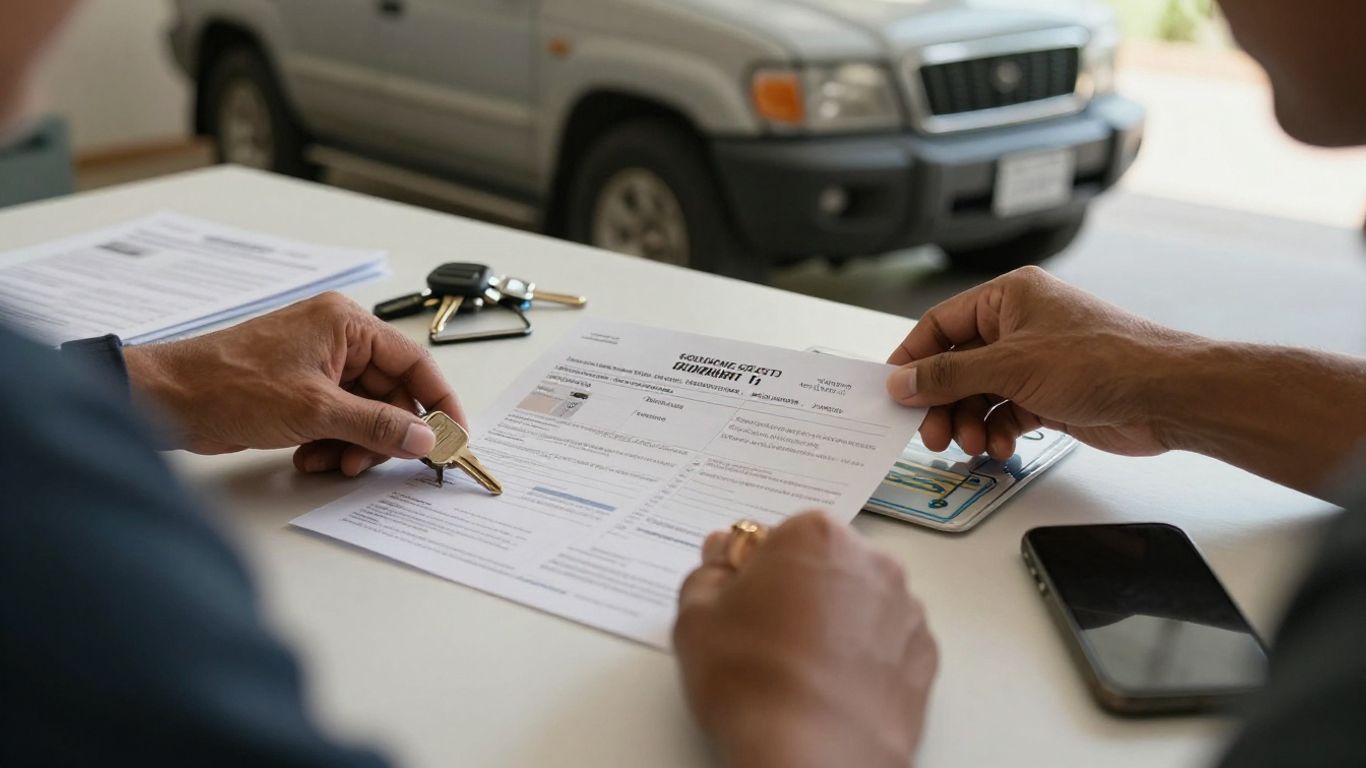
Keep a record of the vehicle identification number, mileage, buyer details, agreed price, and pickup date. If your situation involves broader financial planning, a business cash-flow guide can help distinguish money received from money that is actually available; that distinction is useful when deciding how to use sale proceeds, even though it is not vehicle-specific advice.
Title, registration, and proof of ownership
Locate the original title if you have it and check that the owner information is accurate. Ask your state agency what to do if it is lost, if a co-owner is listed, or if the name has changed. Registration, a bill of sale, and identification may also be requested, but requirements differ by state and buyer.
Do not hand over ownership documents to an unknown person before confirming the buyer’s identity and the payment arrangement. Make copies or take clear photos of signed documents for your records.
Removing personal items and license plates
Search the glove box, center console, trunk, seat pockets, and door compartments. Check for garage remotes, toll transponders, paperwork, spare keys, tools, and stored digital data in connected systems. Remove plates if your state requires it and ask how they should be returned or disposed of.
You may also want to reset navigation history and delete paired phones. These steps do not change the vehicle’s price, but they help protect your privacy after the sale.
Canceling insurance and registration
Wait until the transaction is complete and the vehicle has been transferred or collected before canceling insurance, unless your insurer or state agency gives different instructions. Then notify the relevant agency that you sold or transferred the vehicle. Keep the receipt, bill of sale, and any confirmation numbers.
The timing matters because canceling coverage too early can leave a vehicle you still own uninsured. Conversely, leaving an old policy active indefinitely may create unnecessary expense.
Checking for outstanding loans or liens
A lender or lienholder may have a legal interest in the vehicle even if you have stopped making payments. Contact the lender for the payoff amount and instructions for releasing the lien. A buyer may be willing to coordinate payment, but that arrangement must be documented clearly before the sale.
Do not describe the title as clear until you have verified it. Resolving the lien first usually makes the transaction easier and prevents ownership from being disputed later.
How to choose a trustworthy cash buyer
A trustworthy buyer answers direct questions, explains the price, and gives you time to review the terms. You should know the business name, pickup arrangement, payment method, and documents involved before agreeing. A professional tone is helpful, but verifiable details matter more than friendly promises.
Verifying licenses, reviews, and business details
Check the buyer’s business name, physical contact information, reviews, and any license required in your location. Look for consistent details across the website, phone conversations, and paperwork. Reviews are not conclusive, but repeated complaints about changed prices, missing payments, or damaged property deserve attention.
You can also ask for the driver’s name and the company responsible for pickup. Be cautious if a buyer refuses to identify the business or will communicate only through an anonymous account.
Confirming free towing and pickup terms
“Free towing” should mean you do not lose part of the quoted price through a separate removal charge. Ask whether there are exceptions for distance, difficult access, non-rolling vehicles, or after-hours service. Confirm who pays if the truck arrives and the buyer decides not to proceed.
Put the answer in writing. If the offer includes a separate towing deduction, compare the net amount with other quotes rather than treating the deduction as a minor detail.
Getting the final price in writing
The written agreement should identify the vehicle, agreed price, payment method, pickup date, towing terms, and any conditions that could change the offer. Read every line before signing, especially language about salvage rights, fees, and ownership transfer. If the document is unclear, ask for a revised version.
Keep the agreement until the payment clears and your state’s transfer or reporting steps are complete. A written record is useful if the buyer later disputes what was promised.
Recognizing low offers and high-pressure tactics
A low offer is not automatically dishonest; it may reflect condition, location, or parts demand. High-pressure behavior is the larger warning sign. Be especially cautious when a buyer insists you decide immediately, refuses to explain deductions, or says the price will disappear unless you surrender the title first.
Walk away if the terms change without a reasonable explanation. You can ask for another quote and compare it with a junk car removal option, while remembering that any buyer’s exact terms still need independent verification.
How to complete the sale safely
The final step is more than handing over keys. It includes confirming payment, documenting the transfer, protecting your personal information, and making sure the vehicle is collected safely. Treat the pickup as a transaction with several checkpoints, not as a casual exchange.
Confirming payment before handing over the vehicle
Ask when payment will be issued, in what form, and whether it must clear before the vehicle and title change hands. Count cash privately and verify checks or electronic payments through the appropriate institution rather than relying on a screenshot. Do not accept pressure to surrender the vehicle first.
If the buyer’s payment method differs from what was agreed, pause the transaction until the change is explained and recorded. Your documents should match the final arrangement.
Completing the bill of sale and title transfer
Complete the bill of sale accurately, including the date, price, vehicle identification number, buyer information, and signatures required in your state. Follow the title instructions carefully and avoid leaving fields blank. Some states also require a notice of sale or online transfer report.
Make copies of the completed paperwork and photograph the vehicle at pickup. These records can help establish when possession changed and what condition the vehicle was in.
Arranging safe vehicle pickup
Choose a pickup time when another adult can be present, and meet in a visible area if the location allows it. Do not enter a tow truck or private vehicle with a stranger. Keep valuables and original documents secure until the payment and signing steps are complete.
Tell the driver about obstacles, steering problems, flat tires, or unstable ground. Clear access for the tow equipment, but do not attempt risky repairs or loading work yourself.
Recycling or donating parts responsibly
A responsible buyer should handle fluids, batteries, tires, and other vehicle materials according to applicable disposal rules. Ask what happens to the vehicle after pickup if responsible recycling is part of your decision. Some usable components may be recovered, while hazardous materials require appropriate handling.
If you would rather support a charitable cause, investigate the organization’s process and documentation before donating. A real transfer record matters whether the vehicle is sold, recycled, or donated.
Conclusion
Selling an unwanted vehicle safely comes down to accurate information, realistic price comparisons, complete paperwork, and control over the handoff. Describe the vehicle honestly, confirm every fee and payment detail in writing, and take the time to walk away from terms that feel rushed or unclear.
Frequently Asked Questions
Can I sell a vehicle that does not run?
Often, yes. Buyers may evaluate non-running vehicles for parts, scrap, or repair potential, but the condition and towing requirements will affect the offer.
Do I need the vehicle title to sell it?
Many sales require a title or other proof of ownership. If yours is missing or contains errors, contact your state motor vehicle agency to learn which replacement or supporting documents are accepted.
How can I get a more accurate quote?
Provide the VIN, year, make, model, mileage, location, running condition, major damage, missing parts, and clear photos. Accurate details make it less likely that the offer will change during inspection.
Is free towing really free?
It can be, but you should confirm whether the quoted amount includes all pickup costs and whether distance, access, or a non-rolling vehicle creates exceptions.
When should I cancel my insurance?
Usually after the sale is complete and the vehicle has been transferred or collected, but follow your insurer’s and state agency’s instructions. Keep proof of the sale.
What should I do if the buyer lowers the offer at pickup?
Ask for the specific reason and compare it with the information you originally provided. If the change is unacceptable, you can decline rather than signing over the vehicle under pressure.
Can a vehicle with a lien be sold?
Possibly, but the lienholder’s interest must be addressed. Obtain payoff and release instructions from the lender, and make sure the buyer understands the arrangement before the transaction proceeds.