

Key Takeaways
A complete drop out motor can mean different things from one seller to another, so treat the parts list as part of the purchase—not a detail to sort out later. Fit, condition, documentation, and delivery all deserve a check before money changes hands.
- Confirm exactly which engine, transmission, wiring, and accessories are included.
- Match the engine code, transmission, drivetrain, and emissions requirements to the vehicle and its intended use.
- Ask for clear condition evidence, including service information and available test results.
- Compare the total delivered cost and the package contents, not just the advertised price.
- Agree on delivery, inspection, and missing-parts procedures in writing.
What complete drop out motors include
A complete drop out motor is generally an engine removed from a donor vehicle with some of its connected components still attached. The phrase does not guarantee a standard package, though. One seller may include a transmission and wiring, while another may list an engine assembly with only a few accessories.
Engine and transmission components
Start by distinguishing the engine itself from the rest of the drivetrain. Ask whether the package includes the transmission, torque converter or clutch components, and any transfer case that may be relevant to the vehicle. A listing that says “complete” is not a substitute for an itemized description.
Also establish whether the engine is being sold as a matched unit with the transmission or as separate components. That detail can affect compatibility checks, shipping arrangements, and the work required to prepare the assembly for installation.
Wiring harnesses and engine control units
Wiring and control electronics can be essential to an engine swap, yet they are not automatically part of every package. Confirm whether the engine harness, body-side harness, engine control unit, sensors, and keys or security components are included, if applicable to that vehicle.
Ask for identifying details such as part numbers or photos of the connectors. A harness that looks similar may still differ in ways that matter, and a missing control unit can change the scope of the project.
Accessories, mounts, and included hardware
Accessories such as an alternator, starter, intake components, or air-conditioning compressor may remain attached, but their inclusion should be confirmed individually. The same goes for engine mounts, brackets, hoses, and small hardware that can be easy to overlook in a listing photo.
A written parts inventory gives both sides a clear reference. If a component is pictured but not listed as included, ask the seller to clarify its status before placing the order.
How package contents vary by seller
Sellers use “drop out,” “liftout,” and “engine package” in different ways. Rather than relying on a label, compare the actual contents and the condition information attached to each component. A listing for tested engine dropouts, for example, can be a starting point for asking what was tested and which parts stay with the assembly; the listing itself does not replace those questions.
A simple comparison makes omissions easier to spot before you commit:
| Package item | Confirm with seller | Why it matters |
|---|---|---|
| Engine assembly | Exact engine code and included accessories | Helps verify fit and completeness |
| Transmission | Type, identification, and included controls | Affects drivetrain compatibility |
| Wiring and electronics | Harnesses, control unit, sensors, and security parts | Helps define electrical work |
| Small parts | Brackets, mounts, and loose hardware | Helps prevent avoidable sourcing later |
Use the answers to build a final, item-by-item parts list. That record will also make it easier to check the shipment when it arrives.
How to check vehicle compatibility
Compatibility is more than matching a vehicle’s make and model to an engine listing. The model year, engine code, transmission, drivetrain, wiring, and local rules can all shape whether a package is a practical fit. Check these details before buying, especially if the engine is going into a different vehicle from its donor.
Match the engine to your make, model, and year
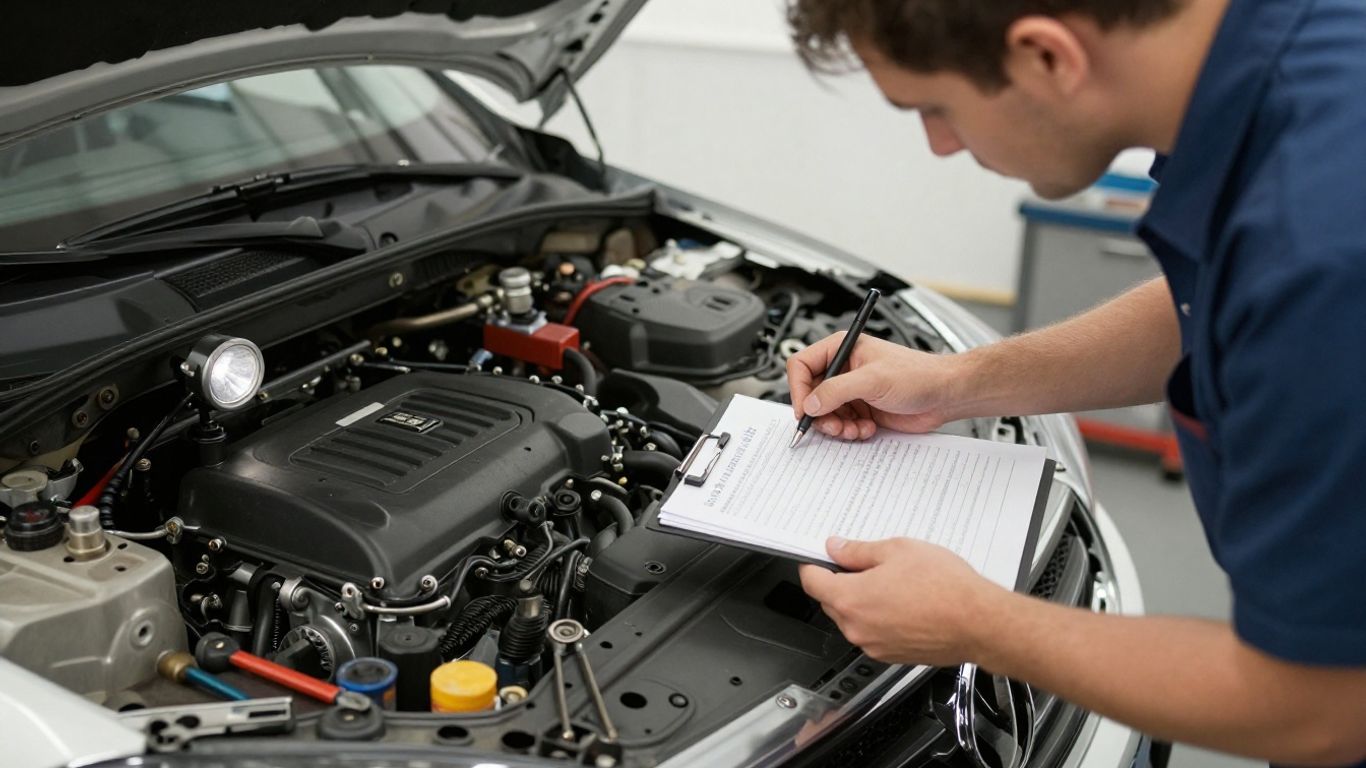
Write down the recipient vehicle’s year, make, model, trim, and existing engine code. Then compare those details with the donor engine’s identification information rather than assuming that two engines with the same displacement are interchangeable.
Ask the seller for a photo of the identification label or stamped code if it is available. If the vehicle has been modified before, record those changes too; they may affect what a shop or parts supplier needs to confirm.
Confirm transmission and drivetrain fit
Check whether the intended setup is front-wheel drive, rear-wheel drive, or all-wheel drive, and confirm the transmission type and orientation. An engine may physically fit while its transmission, mounts, output arrangement, or controls do not match the receiving vehicle.
For a conversion, ask an experienced installer to review the planned combination before purchase. A classic drivetrain kit is a useful example of why fitment questions should be settled early: the specific components and vehicle application still need to be checked for the project at hand.
Check emissions and registration requirements
Rules for engine changes vary by location and vehicle. Before ordering, contact the relevant state or local authority, inspection station, or qualified professional to understand applicable emissions, inspection, and registration requirements.
Keep the donor information and purchase records. They may help answer questions about the engine’s identity and origin, but do not assume that paperwork alone makes a conversion compliant.
Identify fabrication or conversion needs
An engine swap can involve more than setting the assembly into the bay. Mounts, driveshafts, fuel delivery, cooling, exhaust, and electrical connections may need adaptation, depending on the vehicles and parts involved.
A custom home build checklist is about a different kind of project, but its room-by-room approach illustrates a useful planning habit: list each system that must connect, rather than budgeting around the headline item alone. For a vehicle, make that list with an installer familiar with the specific combination.
How to evaluate engine condition
Used engines vary in age, use, and available documentation, so condition should be assessed from evidence rather than a short listing description. Ask what is known, what was tested, and what remains uncertain. No single photo or test result can answer every question, but several kinds of evidence together can provide a clearer picture.
Review mileage and service history
Ask for the reported mileage and how it was recorded. If the engine came from a donor vehicle, find out whether the mileage is tied to that vehicle’s records or is only an estimate.
Request any available maintenance or repair history, along with information about the donor’s condition before removal. Gaps in the history are not proof of a problem, but they should be treated as unknowns when weighing price and risk.
Inspect photos, compression results, and test videos
Look for clear photos of the engine from several angles, including identifying marks, connectors, and visible damage. If compression or leak-down results are available, ask which cylinders were tested, when the test was done, and whether the engine was warm or cold.
A video may help show the donor running or document a test, but it is only one piece of evidence. For a practical way to think about scope and itemized checks, a Quonset hut buying guide covers a very different purchase; the useful parallel is to verify both the advertised package and the details behind it.
Look for signs of damage or excessive wear
Inspect the available images for cracked housings, damaged connectors, heavy corrosion, missing components, or signs of fluid leakage. Ask the seller to explain anything that is unclear and to provide a closer photo where needed.
Surface grime alone does not establish internal condition, and a clean exterior does not prove an engine is sound. Treat appearance as one clue, not a substitute for testing or a clear return policy.
Ask about testing, warranties, and return policies
Before paying, ask what tests were performed and whether the results can be shared in writing. Clarify whether any warranty applies, what it covers, how long it lasts, and what steps are required if a problem appears.
Read return terms before the purchase, including deadlines, restocking fees, and responsibility for return freight. A cheap SEO warning guide is outside the automotive field, but it offers a reminder that a low headline price can obscure other risks; here, focus on the actual seller terms and the costs they leave with you.
How to compare sellers and prices
Two listings with similar names may describe different assemblies, testing, and delivery terms. Compare the complete offer rather than ranking prices in isolation. You can also look at engine packages as an example of the package format used in the market, while verifying all details for the particular item being considered.
Compare package contents, not just asking prices
Make a side-by-side list of included parts, condition evidence, warranty terms, and shipping charges. A lower asking price may not represent a lower total cost if it excludes components you will need to source separately.
The same kind of scope check appears in unrelated service decisions: an electrician SEO guide can outline the parts of a broader service plan, while an SEO agency selection guide can prompt questions about scope and terms. For an engine purchase, keep the comparison grounded in the parts, evidence, and terms actually offered.
Verify the engine’s source and documentation
Ask where the engine came from and what identifying documentation is available. Confirm that the engine code and description on the paperwork match the unit being sold, and keep copies of the invoice and written parts list.
If a seller cannot answer basic questions about the assembly’s identity or documentation, pause before sending payment. Uncertainty about source or identity is worth resolving while the engine is still with the seller.
Factor in shipping, taxes, and core charges
Request a delivered-cost estimate that identifies freight, taxes, handling, and any core charge or deposit that may apply. Confirm whether delivery is curbside, whether unloading equipment is needed, and whether the carrier requires an appointment.
Compare the same cost categories across listings. A quote that leaves out freight or a return-related charge can make one package appear cheaper than it will be once it reaches your door.
Recognize warning signs in listings
Vague descriptions, inconsistent photos, unexplained gaps in the parts list, and pressure to pay before questions are answered all deserve caution. A missing test report is not automatically a reason to reject a listing, but the seller should be straightforward about what is and is not known.
Before deciding, make sure you can answer three practical questions: what is included, what evidence supports the condition description, and what happens if the shipment or engine does not match the agreement? If any answer is unclear, ask for clarification in writing.
How to plan the installation
Even a well-matched engine package may need supporting work before the vehicle is ready to run. Plan installation around the specific engine, recipient vehicle, and intended use instead of assuming the package is a direct replacement. An early conversation with a qualified installer can surface missing parts and labor needs while you still have options.
Decide whether to use a professional installer
Consider your experience, workspace, tools, and ability to diagnose wiring and mechanical problems. A complex conversion may call for a shop with experience in the relevant vehicle and engine combination, while a straightforward replacement may be within the scope of a capable home mechanic.
Ask prospective installers what information they need to assess the job, and whether they can review the engine code and package inventory before purchase. Agree on the scope of work and responsibilities before the assembly arrives.
Budget for labor and supporting parts
The purchase price is only one part of the project budget. Labor, fluids, seals, mounts, hoses, cooling components, exhaust work, wiring, and unexpected repairs can add to the total, depending on the vehicle and the package.
A useful estimate separates known work from a contingency for issues discovered during installation. That helps keep a low engine price from crowding out the parts and labor required to complete the job safely.
Plan for wiring, cooling, and exhaust changes
Before the engine is installed, identify likely connection points for the wiring, cooling system, and exhaust. Differences between donor and recipient vehicles can require adapters, revised routing, or additional components; the exact work depends on the combination.
Use a short preparation list to make the discussion with a shop more concrete:
- Confirm which harnesses, sensors, and control units are included.
- Check radiator, hose, and cooling-fan requirements for the planned setup.
- Discuss exhaust routing, clearance, and applicable emissions rules.
- Identify mounts, connectors, and other parts that may need adapting.
After reviewing the list, ask the installer to separate confirmed needs from items that still require inspection. That distinction keeps an early estimate useful without pretending every detail is known in advance.
Prepare for tuning and break-in
Ask the installer or engine specialist whether the setup requires programming, calibration, or other tuning before regular use. Follow the instructions appropriate to the engine and any newly installed components rather than relying on a generic break-in routine.
Keep notes of initial checks, fluids, warning indicators, and follow-up service. The person completing the work should be able to explain what was done and what to monitor after the first start.
How to buy and receive a complete drop out motor
A careful handoff starts before the order is placed. Make the seller’s description, the agreed parts list, and the delivery arrangements specific enough that both parties can check them against the same expectations. Once the assembly ships, document its condition promptly and keep all records together.
Confirm the exact parts in writing
Ask for an invoice or order confirmation that lists the engine identification, transmission if included, accessories, wiring, control electronics, and any excluded items that appear in photos. Include agreed condition details, test documentation, and warranty or return terms.
Written specifics can prevent a dispute over whether a pictured part was included. If the seller updates the package or substitutes an item, get the change recorded before shipment.
Arrange safe shipping and delivery inspection
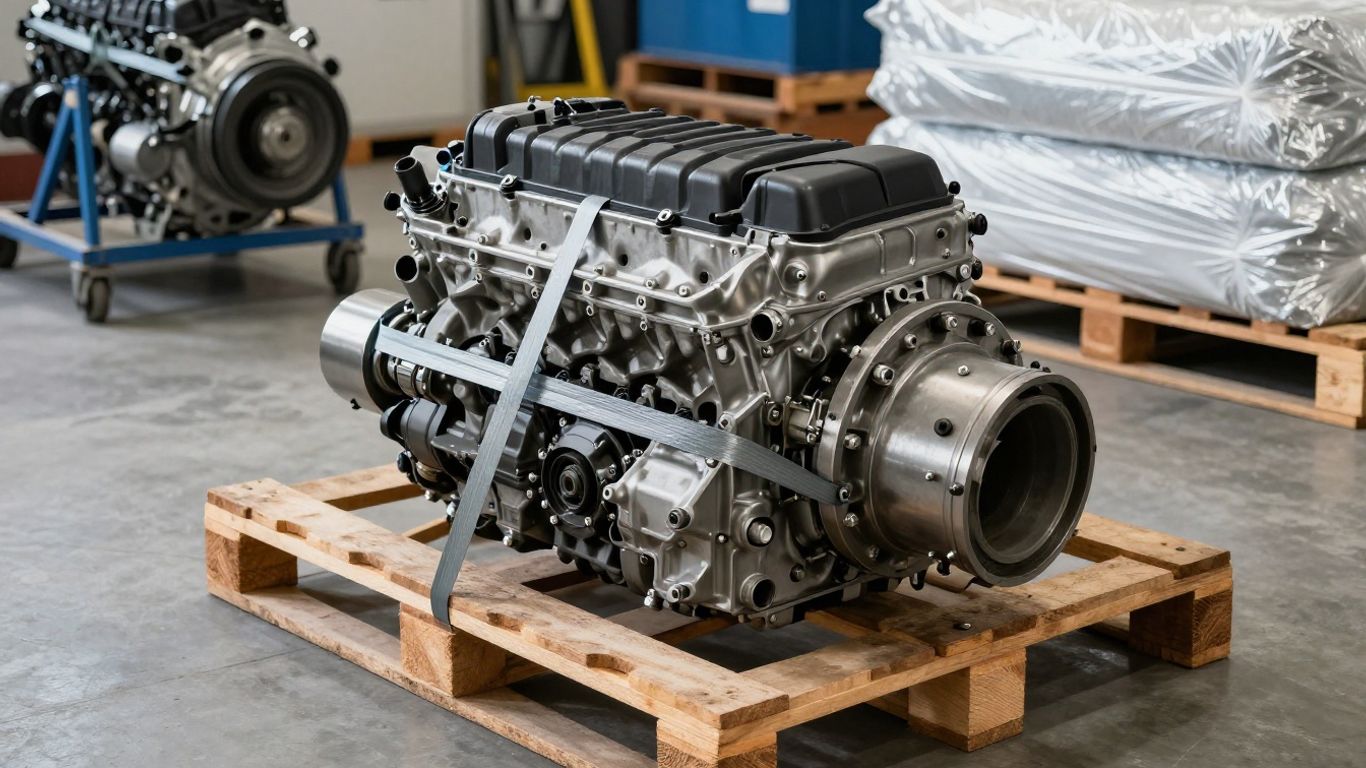
Confirm the shipping method, delivery window, receiving requirements, and unloading arrangements. An engine on a pallet can be heavy and awkward to handle, so make sure the delivery location can accept the shipment safely.
Ask the carrier or seller what inspection is possible at delivery and how visible damage should be recorded. Have a camera and the purchase documents ready before the truck arrives.
Document damage or missing components
Inspect the pallet and packaging before signing where the delivery process allows it. Photograph visible damage, shifted straps, leaks, or missing items, and note any concerns on the delivery paperwork according to the carrier’s process.
Compare the received shipment with the written inventory while the details are fresh. Contact the seller promptly if something is damaged or missing, and keep copies of messages, photographs, and shipping records.
Store the engine properly before installation
If installation will not happen right away, keep the assembly stable, dry, and protected from dirt and moisture. Follow any storage guidance supplied by the seller or installer, and avoid moving the engine in a way that could damage attached components.
Keep loose parts labeled and stored with the package. When installation begins, the inventory and delivery photos can help verify that the assembly is still complete and that any concerns were recorded at arrival.
Conclusion
Choosing complete drop out motors is easier when the package is treated as a set of identifiable parts, evidence, terms, and delivery steps—not just an engine at an advertised price. Confirm fit before purchase, ask direct questions about condition, and plan the installation and receiving process before the assembly ships. A careful written record cannot remove every risk, but it can make the decision clearer and the handoff less stressful.
Frequently Asked Questions
What does a complete drop out motor usually include?
There is no universal definition. A package may include an engine and selected attached parts, while transmission, harnesses, control electronics, accessories, or mounts may be separate; confirm each item with the seller.
Does a drop out motor always come with a transmission?
No. Some packages include a transmission and others do not. Check the listing and order paperwork for the transmission type and any associated components.
How can I check whether an engine fits my vehicle?
Compare the engine code and recipient vehicle details, then verify transmission and drivetrain compatibility. For a conversion, ask a qualified installer to review the combination before purchase.
What condition information should I ask for?
Request mileage details, service history if available, clear photos, and records of any compression, leak-down, or running tests. Also ask what the seller does not know about the engine’s history.
Are used engine warranties standard?
Warranty coverage varies by seller and package. Read the terms for duration, covered parts, exclusions, claim steps, and any return or freight costs before ordering.
What costs should I include beyond the engine price?
Account for shipping, taxes, possible core charges, labor, installation supplies, and supporting parts. The exact total depends on the package and the receiving vehicle.
What should I do when the engine is delivered?
Inspect the pallet and packaging, photograph damage, and compare the shipment with the written inventory. Record concerns on delivery paperwork where possible and contact the seller promptly about missing or damaged items.