

Key Takeaways
A bare engine is a starting point, not a promise that every needed component is in the box. Confirm the exact configuration, condition, and extra costs before you commit.
- “Bare engine” can describe different levels of assembly, so verify the included parts in writing.
- Matching the engine code and vehicle configuration matters more than relying on model name alone.
- Reusing existing components can make sense only if they are compatible and serviceable.
- The purchase price is only one part of the finished cost; include parts, labor, machining, and installation supplies.
- Inspect documentation and agree on warranty and return terms before buying.
What “bare engine” means
“Bare engine” is a sales description, not a universal parts list. It generally signals that some accessories or surrounding systems are not included, but the precise boundary varies by seller and engine type. For anyone searching for bare engines no accessories, the safest approach is to treat the listing as a starting point and ask for a written inventory.
How a bare engine differs from a long block or complete engine
A bare engine may mean a basic engine assembly without the external accessories, while a long block commonly includes more assembled internal components and the cylinder head. A complete engine may include additional items such as manifolds, fuel-system parts, sensors, or accessories, but the label alone does not guarantee any particular configuration. This overview of bare and complete engine options likewise points to the importance of checking the actual package rather than assuming every seller uses the same terms.
The names are useful shorthand, but they should not replace a parts list. Ask the seller to specify what is present, what has been removed, and whether the engine is assembled or supplied as a block or core. The comparison below is a guide to questions, not a universal definition.
| Listing term | What it may describe | What to confirm |
|---|---|---|
| Bare engine | Core assembly with some external parts absent | Exact internal components and accessories included |
| Long block | More assembled engine components, often including a cylinder head | Head, valvetrain, timing parts, and oil pan status |
| Complete engine | Engine with a broader selection of attached components | Which accessories, sensors, and manifolds are actually supplied |
Read the listing line by line and get any verbal clarification in writing. An item described as “complete” can still omit vehicle-specific wiring or accessories, while a “bare” unit may include more than expected.
Parts typically included with a bare engine
Depending on the listing, the core may include an engine block and some internal or assembled components. It might also arrive with a cylinder head or other hardware, but those should never be assumed without confirmation. When a listing is vague, request photographs of the actual unit and an itemized description of what ships with it.
The exact boundary can be especially important when replacing a block rather than a more assembled engine. A bare block may not include the crankshaft, pistons, connecting rods, or other parts needed to build a running engine. A focused bare-block inspection guide can help frame the questions to ask about casting condition, machining, and included hardware.
Accessories and components usually sold separately
External accessories are often transferred from the old engine or purchased separately. Depending on the application, that may include an alternator, starter, intake or exhaust components, sensors, fuel-system parts, wiring, brackets, or belts. Some of these items are vehicle-specific, so replacing them with parts that merely look similar can create fitment or control problems.
Check each component against the seller’s included-parts list instead of relying on category labels. A separate maintenance article on drone propellers concerns entirely different equipment, but it makes a similarly practical point about inspecting reused parts rather than assuming they are serviceable. For an engine, apply that caution to every accessory you plan to transfer.
Why buyers choose a bare engine
A bare engine can suit a buyer who already has compatible parts and wants to reuse them, or who needs a core assembly for a repair or rebuild. It can also offer more choice over which components are renewed and which are retained. Those advantages depend on the engine’s condition, the quality of the existing parts, and the time and skill available for assembly.
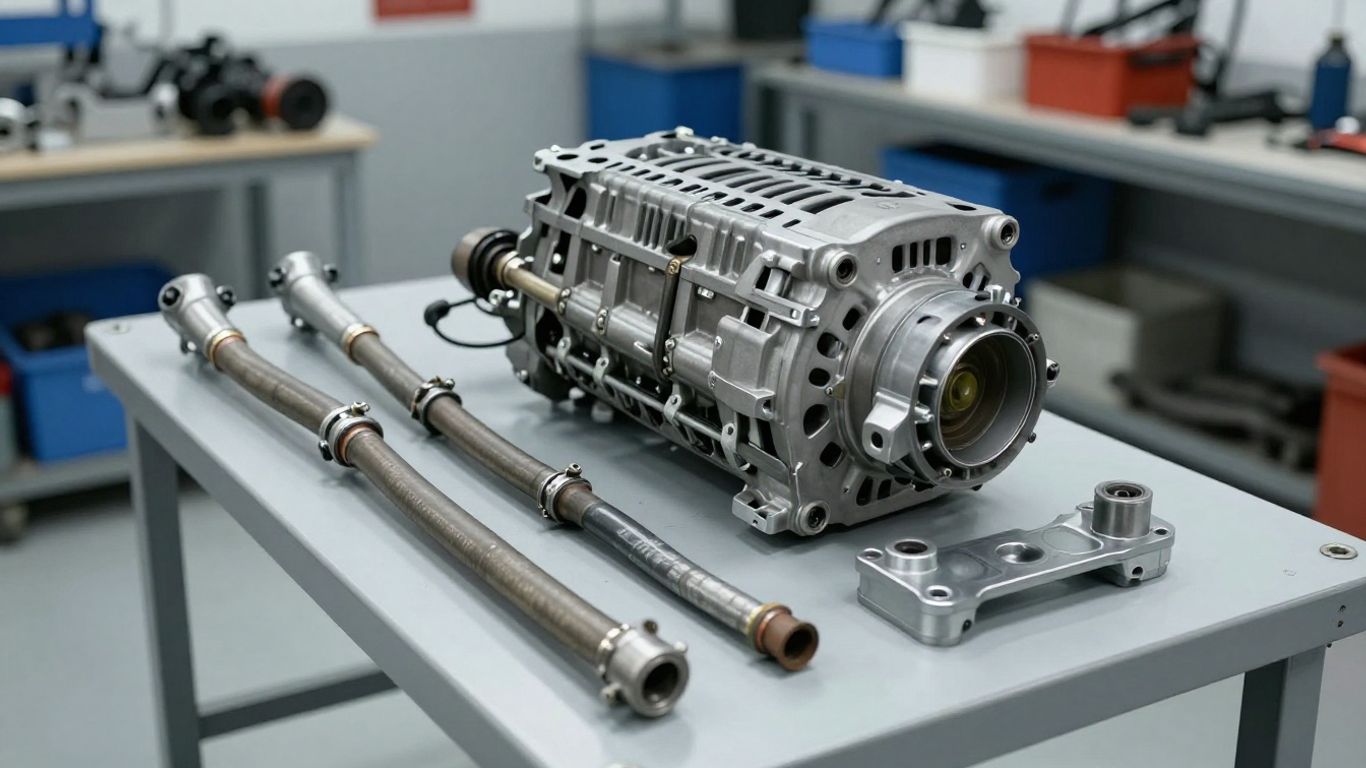
Reusing compatible parts from an existing engine
Transferring parts from the original engine can reduce waste and avoid buying components that are still in good condition. First, though, make sure the old parts match the replacement and have not been damaged by the failure that took the engine out of service. An overheating or lubrication problem, for example, may have affected parts that seem reusable at a glance.
It helps to separate items into three groups: confirmed compatible and serviceable, requiring inspection or testing, and needing replacement. This turns “I’ll reuse what I have” into a practical plan. If the original engine failed catastrophically, ask a qualified technician whether debris or heat could have compromised components connected to it.
Replacing a damaged engine block or core assembly
A replacement core may be worth considering when the original has structural damage or cannot be repaired economically. Before purchase, clarify whether the replacement is a bare block or a more assembled unit, and ask about cracks, bore condition, machining, and included hardware. A low price is not much help if the casting requires extensive work or is unsuitable for the intended build.
Compatibility remains central even when the goal is simply to replace a damaged part. Casting numbers, engine codes, and measurements can narrow the search, but they should be checked against the vehicle and service information. When the seller cannot answer basic questions about the unit, pause until you can verify them independently.
Balancing lower purchase cost against added labor
The initial price may be lower than a more complete assembly, but moving parts over, sourcing missing items, and assembling the engine can add substantial time. Buyers also need to account for unexpected machining or replacement parts discovered during inspection. A broad engine buying guide such as crate engine buying advice is useful background for thinking through configuration and hidden costs, even though a bare replacement is not necessarily a crate engine.
The decision is easier when the work is broken into real tasks rather than treated as a single installation. Estimate the hours for inspection, cleaning, transfer, assembly, and troubleshooting, then compare that total with the price difference for a more complete option. If the vehicle needs to return to service quickly, added assembly time may matter as much as the parts bill.
How to verify fitment and compatibility
Fitment is more than matching a make and model. Engine codes, production years, emissions configurations, and vehicle equipment can change what fits or connects correctly. Before ordering, compare the replacement with the vehicle’s identification information and confirm uncertain details with reliable application data or a qualified parts professional.
Match the engine code, displacement, and model year
Start with the engine code and displacement, then verify the vehicle’s model year and exact application. A similar name or engine size does not prove that two assemblies have the same revisions or components. Use the vehicle identification number and the original engine markings where available, and ask the seller to confirm the code on the actual unit being offered.
Production changes can occur within a model run, so do not stop at a broad year range. Check any relevant emissions or market differences as well. If the code is missing or illegible, request clear photographs and seek a dependable cross-reference before placing the order.
Check mounting points, sensors, and accessory connections
Compare the mounting points, sensor locations, connector types, and accessory brackets with the existing engine. A core may physically fit the engine bay but still require changes to the wiring, controls, or accessory setup. If the old engine is available, photographs and measurements can help reveal differences before the replacement arrives.
Make a simple comparison record rather than relying on memory. Note visible connector positions and mounting details, then confirm unclear items with the seller or a technician familiar with that application. This is also where a close-up photograph can save time: ask for views of the relevant sides and casting marks, not only a general image of the engine.
Confirm compatibility with the vehicle’s transmission and controls
The engine must work with the vehicle’s transmission and electronic controls, not just occupy the same space. Confirm the relevant mating points and control-system requirements, including any differences in sensors or wiring that could affect operation. Where a vehicle has multiple engine or transmission combinations, an exact application match is especially important.
Do not assume that a small modification will be simple or inexpensive. Ask whether the proposed engine is a direct match for the vehicle’s configuration, and identify any required changes before purchase. If the answer depends on a modification, have the work and parts assessed before treating the engine as compatible.
What to inspect before buying
A careful review can catch mismatched parts, unclear condition, or expensive omissions before money changes hands. Request photographs of the actual engine, readable casting or identification numbers, and a complete included-parts list. Ask questions in writing so the answers can be compared with the listing and retained with the purchase records.
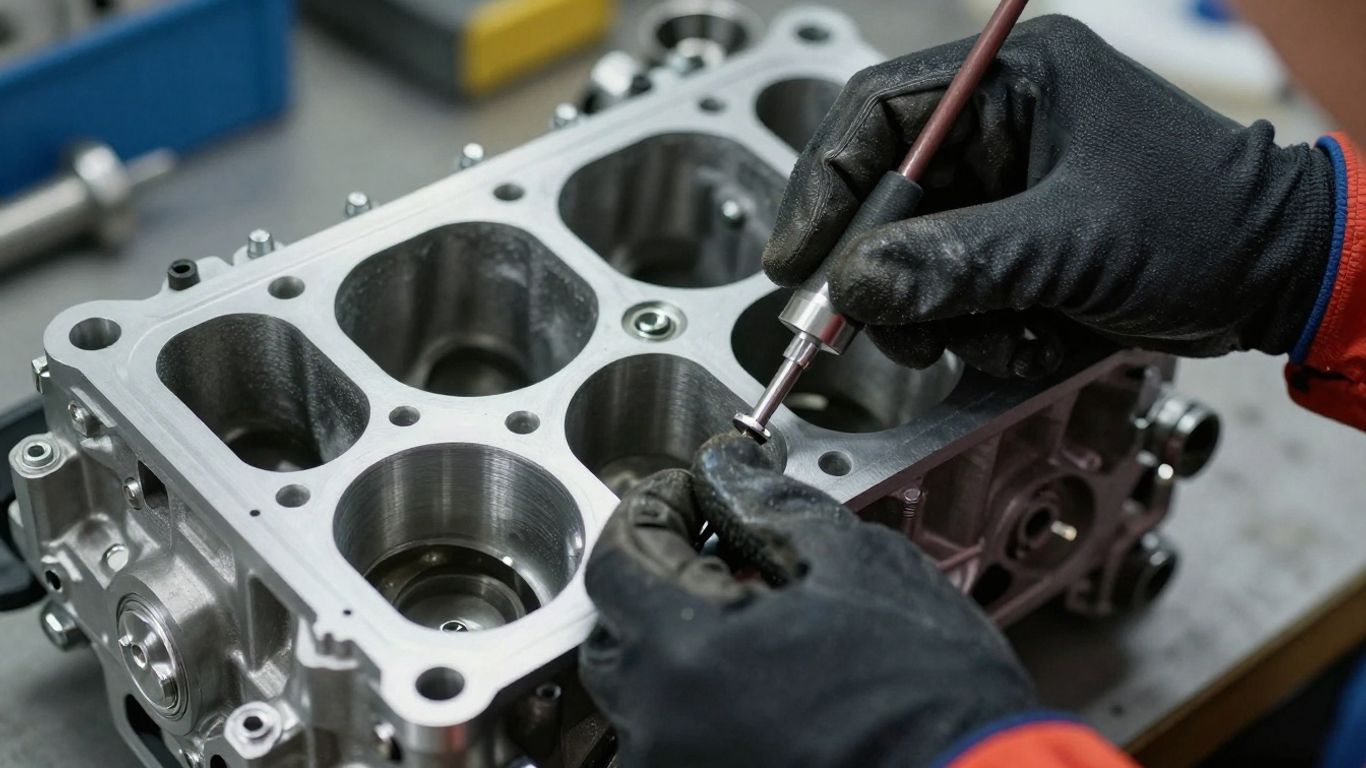
Review photos, casting numbers, and included-part lists
Look for clear views of identification marks, mounting areas, accessible mating surfaces, and any visible damage or corrosion. Compare the casting numbers with the application information rather than relying on a seller’s broad description. Photos cannot establish internal condition, but they can expose obvious inconsistencies and help you decide what further evidence to request.
The included-parts list should name components, not simply say “as pictured.” Ask whether small but necessary items—such as brackets, covers, plugs, or fasteners—are included, and whether any pieces shown in the photos are excluded. Treat documentation as part of the inspection, not paperwork to sort out after delivery.
Ask about wear, machining, testing, and prior repairs
Ask how the engine was assessed, what testing was performed, and whether the unit has been machined or repaired. Seek specific answers about known wear, damage, and work already completed; a general assurance that it is “good” tells you little about what remains to be done. If measurements or test reports exist, request copies and have them reviewed by someone qualified to interpret them.
For a used assembly, ask what is known about its history and why it was removed. The seller may not have every detail, but uncertainty should be reflected in the price and your risk assessment. A separate guide to excavation contractor checks addresses a different purchase, yet the general habit of confirming scope and documentation is useful here too.
Understand the seller’s warranty and return terms
Read the warranty and return terms before paying, including any deadlines, exclusions, and requirements for installation or claims. Clarify how the seller defines an eligible defect and who pays for shipping or inspection if a problem arises. If the engine is sold as-is, understand that the purchase may leave you responsible for a fault discovered after delivery.
Keep the listing, written answers, invoice, and delivery details together. Make sure the paperwork identifies the engine and any included components clearly. These records help resolve a disagreement over condition or package contents, though they cannot replace a proper inspection.
How to estimate the total cost
The purchase price is only one line in the budget. A bare engine may need parts transferred, renewed, sourced, or machined before installation, and the amount can vary widely with its configuration and condition. Build the estimate around what this particular engine lacks, not an assumed standard package.
Price the accessories and components you still need
Use the confirmed parts list to identify each missing item, then price new, used, or remanufactured replacements where appropriate. Include small installation components as well as major accessories; several modest purchases can add up quickly. A general comparison of complete engine packages can offer another perspective on how much assembly and equipment a broader package may include, but verify each seller’s actual contents.
A working checklist helps keep omissions visible. For example, list:
- Accessories and brackets that are not included.
- Sensors, connectors, or wiring needed for the vehicle.
- Gaskets, seals, fasteners, and other installation parts.
- Any parts from the original engine that need testing or replacement.
Then mark each item as confirmed, estimated, or still unknown. That distinction makes the cost range more honest and shows which unanswered questions could change the decision.
Account for labor, machine work, fluids, and installation parts
Add labor for inspection, disassembly, cleaning, component transfer, assembly, and installation. If the engine or its parts need machining, get a shop estimate based on the actual condition and measurements rather than using a generic allowance. Include fluids and the related supplies required for the vehicle and engine configuration.
The person doing the work may also recommend replacement of worn or one-time-use parts while the engine is apart. Ask what is included in any labor estimate and what could be billed separately. A realistic budget leaves room for condition-related findings rather than assuming that every component will pass inspection.
Compare the finished cost with a long block or complete engine
Compare like with like: the bare assembly plus every required part and labor against the actual contents and installation needs of a long block or complete engine. A larger upfront price may reduce sourcing and assembly work, but it does not automatically mean that every accessory is new or suitable. Conversely, an inexpensive bare unit can be a sensible option when compatible parts and skilled labor are already available.
A useful comparison includes delivery, warranty terms, expected downtime, and the risk of discovering additional work. Decide using the finished, plausible cost rather than the listing price alone. If important items remain unverified, carry them as open costs instead of quietly assuming they will work out.
Preparing for installation
Preparation begins before the replacement engine reaches the workshop. Confirm the parts that will transfer, gather the relevant service information, and agree on who is responsible for inspections or machining. A little organization up front can prevent delays once the vehicle is apart.
Inventory reusable parts and replace worn components
Lay out the parts intended for reuse and compare them with the replacement assembly and the vehicle’s requirements. Check their condition, compatibility, and any signs that the original engine failure may have affected them. Replace items that are worn, damaged, or unsuitable rather than carrying a questionable part into the new assembly simply because it is already on hand.
Keep a record of what was inspected and what was replaced. Set aside fasteners or components whose condition is uncertain until they can be checked. If there is any doubt about reusing a critical part, ask a qualified technician before assembly.
Clean and inspect mating surfaces before assembly
Clean mating surfaces using methods appropriate to the engine and the materials involved. Inspect them for corrosion, damage, debris, and irregularities, and follow the service information for preparation and assembly. Care is needed: an aggressive cleaning method or leftover debris can create problems rather than solve them.
Keep clean parts protected until they are needed, and avoid mixing components whose locations or orientation matter. If measurements or surface condition are outside the specified limits, stop and seek a proper assessment before continuing. This is a good point to resolve questions, not work around them.
Plan for priming, startup checks, and break-in requirements
Before startup, follow the engine and vehicle manufacturer’s procedures for lubrication, priming, fluids, and initial checks. Confirm that connections are secure and that the required supporting systems are ready. Startup should be deliberate, with a plan to monitor for leaks, abnormal noise, warning lights, and other signs that need immediate attention.
Break-in requirements, if applicable, depend on the engine configuration and the components installed, so use the relevant instructions rather than a generic routine. Arrange for any recommended follow-up checks and fluid changes, and do not continue running the engine if something appears wrong. A clear procedure makes the first start less rushed and easier to assess.
Conclusion
A bare engine can be a practical choice when its configuration is clearly documented, its condition is understood, and compatible parts and labor are available. Confirm the details before purchase, price the full job rather than the engine alone, and prepare carefully for installation. The right choice is the one that fits the vehicle and the complete repair plan—not simply the lowest listing price.
Frequently Asked Questions
What does “bare engine” mean?
It usually describes an engine assembly sold without some external accessories or related components, but the exact meaning varies. Ask for an itemized list of what is and is not included.
Does a bare engine include a cylinder head?
Not always. Some listings include a cylinder head, while others may describe a bare block or a different level of assembly, so confirm the specific package in writing.
Are accessories included with a bare engine?
Often some accessories are sold separately, but there is no universal list. Confirm the status of items such as the alternator, starter, manifolds, sensors, brackets, and wiring with the seller.
How do I know whether a bare engine fits my vehicle?
Check the engine code, displacement, model year, vehicle identification information, and relevant mounting and connection details. Confirm transmission and control-system compatibility as well.
Is a bare engine always cheaper overall?
No. The initial price may be lower, but missing parts, labor, machining, fluids, and installation supplies can raise the finished cost. Compare the complete repair estimates before deciding.
What should I ask the seller before buying?
Request clear photos, identification or casting numbers, an itemized parts list, information about testing or repairs, and the written warranty and return terms. Ask about anything unclear before payment.
Can I install a bare engine myself?
That depends on your experience, equipment, the engine’s condition, and the work required. Follow the applicable service procedures and seek qualified help for tasks or measurements outside your capabilities.