
Key Takeaways
Eco Friendly & Sustainable Motors are not defined by a single powertrain. The greener choice depends on how a vehicle is made, powered, driven, maintained, and eventually recovered.
- Battery-electric vehicles can eliminate tailpipe emissions, but charging energy and battery production still matter.
- Hybrids, hydrogen fuel cells, efficient combustion engines, and renewable fuels each fit different circumstances.
- Life-cycle thinking gives a more complete picture than tailpipe emissions alone.
- Driving habits, maintenance, repair, and vehicle longevity can reduce environmental impact.
- The best choice is the motor that fits your routine and can be used efficiently for years.
Understanding eco friendly and sustainable motors
The phrase eco friendly and sustainable motors covers more than electric cars. It describes vehicles that use fewer resources, create fewer harmful emissions, or remain useful for longer while causing less damage across their life cycle. A sensible comparison considers the whole system rather than treating the motor as an isolated component.
What makes a motor environmentally friendly
An environmentally friendly motor uses energy efficiently and limits pollution during operation. That might mean no tailpipe emissions, lower fuel consumption, reduced noise, or a design that supports repair and long service life. The useful question is not whether a vehicle is marketed as green, but how much energy and material it requires to move people over the miles it will actually travel.
Efficiency also depends on weight, aerodynamics, tires, software, and the way the vehicle is used. A large vehicle carrying one person may consume more energy than a smaller hybrid, even when both are described as sustainable. Use matters as much as technology when comparing real-world impact.
How emissions are measured across a vehicle’s life cycle
Life-cycle assessment follows a vehicle from raw-material extraction through manufacturing, transport, use, maintenance, and end of life. It can include greenhouse gases, primary energy demand, air pollutants, and resource use. The method does not produce one permanent answer: results change with the vehicle, mileage, electricity mix, fuel source, production methods, and assumptions about recycling.
A useful vehicle life assessment can therefore reveal differences hidden by a simple fuel-economy label. It may compare not only emissions, but also real-world efficiency, range, and charging capability. Readers should check what stages and assumptions a rating includes before treating it as a final verdict.
The difference between low-emission and zero-emission motors
A zero-tailpipe-emission vehicle produces no exhaust gases while driving, as with a battery-electric or hydrogen fuel-cell vehicle. That does not mean its entire life is emission-free. Electricity generation, hydrogen production, manufacturing, shipping, maintenance, and disposal can all create environmental impacts.
Low-emission motors reduce pollution compared with a conventional baseline but still release some emissions during operation or fuel production. Hybrids and efficient combustion engines generally belong in this category. The distinction is useful, provided “zero emission” is understood as a description of the vehicle’s point of use rather than its complete life cycle.
Why manufacturing and sourcing matter
Materials, factories, shipping, and supplier energy can contribute substantially to a vehicle’s initial footprint. Batteries require minerals and energy-intensive processing, while engines, transmissions, catalytic systems, and body structures have their own material demands. Responsible sourcing also involves labor conditions, water use, land disturbance, and traceability.
This is why a credible sustainability claim should explain more than a vehicle’s exhaust system. Questions about material origin, factory energy, recycled content, repair access, and recovery plans can be more revealing than a broad environmental slogan.
Comparing sustainable motor technologies
There is no universal sustainable motor for every driver. A commuter with home charging, a rural driver covering long distances, and a household that needs one vehicle for towing may reach different conclusions. The comparison below focuses on trade-offs rather than declaring one technology the winner.
Battery-electric motors and charging requirements
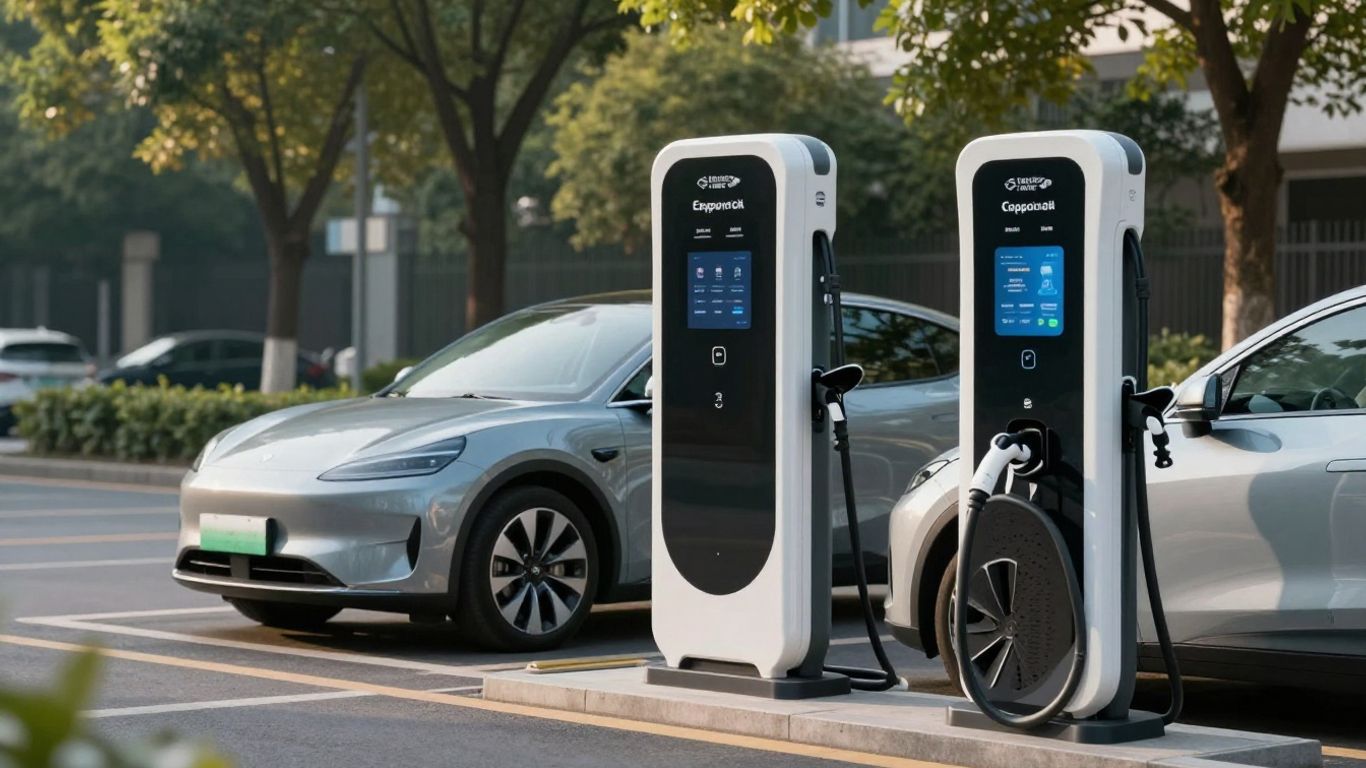
Battery-electric vehicles use stored electricity to power an electric motor and produce no tailpipe exhaust while driving. Their efficiency is often strongest in stop-and-go traffic, where regenerative braking can recover some energy. The practical question is whether charging is available where the vehicle is parked, at a speed that suits the owner’s routine.
Home charging is convenient but not universal, particularly for apartment residents or people without dedicated parking. Public fast charging can support longer journeys, though availability, queueing, weather, and charging costs affect the experience. Battery size also matters: a larger pack may provide more range but usually requires more material and energy to manufacture.
Hybrid and plug-in hybrid powertrains
Hybrid vehicles combine an internal-combustion engine with electric assistance, often using braking energy to recharge a smaller battery. They can reduce fuel use in urban driving without requiring a charging connection. Their benefits are greatest when the vehicle is used in conditions that suit the system and driven smoothly.
Plug-in hybrids have a larger battery that can be charged from an external source. They may cover routine trips electrically and retain an engine for longer journeys, but only if owners charge them regularly. A plug-in hybrid that is rarely charged may carry extra hardware without delivering its intended reduction in fuel use.
Hydrogen fuel-cell motors and infrastructure
Hydrogen fuel-cell vehicles use hydrogen to generate electricity onboard, with water as the principal tailpipe output. Refueling can be relatively quick, and the technology may suit some high-use or long-distance applications. Its environmental performance depends heavily on how the hydrogen is produced and transported.
Infrastructure remains a central limitation for private drivers. Stations are less common than gasoline stations or public electric chargers in many regions, and supply, pressure, reliability, and price can vary. Hydrogen may become more practical as production expands, but buyers need to confirm local access before treating it as a convenient daily option.
Efficient combustion engines and renewable fuels
Combustion engines remain widespread, and efficiency improvements can reduce fuel use across existing vehicle fleets. Renewable fuels may lower life-cycle emissions in some circumstances, but their benefits depend on feedstock, land use, processing, transport, and the exact fuel standard. They are not automatically low-impact simply because they are labeled renewable.
The right car for the right place may involve several technologies as electricity grids, fuel supplies, and travel patterns differ between regions. A careful comparison considers the system around the motor rather than assuming that a single solution works equally well everywhere.
Measuring the real environmental impact
Environmental impact is easier to understand when the boundaries are clear. A vehicle can look excellent at the tailpipe and still carry a large manufacturing footprint, while an older efficient car may avoid the impacts of building a replacement. Neither point settles the question by itself.
A fair assessment follows energy, materials, and emissions through the vehicle’s useable life. It also asks how long the vehicle lasts and what happens to its parts afterward.
Tailpipe emissions versus total life-cycle emissions
Tailpipe testing measures pollutants released while a vehicle operates. Life-cycle analysis adds emissions from extracting resources, producing fuel or electricity, building the vehicle, maintaining it, and managing its end of life. For electric vehicles, the location and carbon intensity of electricity are especially important; for combustion vehicles, fuel production can add significantly to exhaust emissions.
The result is best viewed as a range or scenario rather than a universal number. Annual mileage, climate, driving speed, vehicle size, and service life can all change the comparison. A lower-impact choice in one household may not be the same choice for another.
Battery production, materials, and recycling
Battery production can create a substantial upfront footprint because cells require processed materials, manufacturing energy, and complex supply chains. Chemistry affects energy density, durability, cost, and material requirements. Recycling can recover valuable materials, but collection, transport, safe disassembly, and suitable processing capacity are all necessary.
Drivers do not need to treat battery production as a reason to ignore electric vehicles. They should instead ask how many miles the vehicle is likely to cover, how long the battery is expected to remain useful, and whether repair or second-life pathways exist. Those details make the initial footprint easier to put into context.
Energy sources and the carbon impact of charging
Charging an electric vehicle shifts energy use from a fuel station to the electricity system. A grid supplied largely by renewable or low-carbon generation will usually produce a different life-cycle result from a grid dominated by coal or gas. Time-of-use charging can sometimes reduce cost and align demand with cleaner or less congested periods.
The same principle applies to hydrogen and renewable fuels: production pathways matter. Drivers can reduce uncertainty by learning how their local electricity is generated and by choosing cleaner energy where it is practical and verifiable.
Durability, repairability, and end-of-life considerations
A vehicle that lasts longer spreads its manufacturing impact across more miles. Durable components, accessible service information, replaceable parts, and repairable batteries can all help. End-of-life planning matters too, because metals, plastics, fluids, electronics, and battery materials should not simply disappear into general waste.
A useful ownership question is whether a fault requires replacing an entire assembly or can be fixed at component level. The answer affects cost, downtime, and resource use. Sustainability is often built into ordinary decisions about maintenance rather than dramatic changes in technology.
Choosing the right sustainable motor
Choosing among Eco Friendly & Sustainable Motors starts with an honest description of daily life. Consider where the vehicle is parked, how far it travels, how often it carries passengers or cargo, and whether one car must handle every kind of trip. A theoretical efficiency advantage is less valuable if the vehicle is inconvenient to use.
A short test drive is helpful, but a week of realistic planning can be more revealing. Map regular journeys, charging or refueling points, service locations, and the costs that recur after purchase.
Matching motor type to driving habits
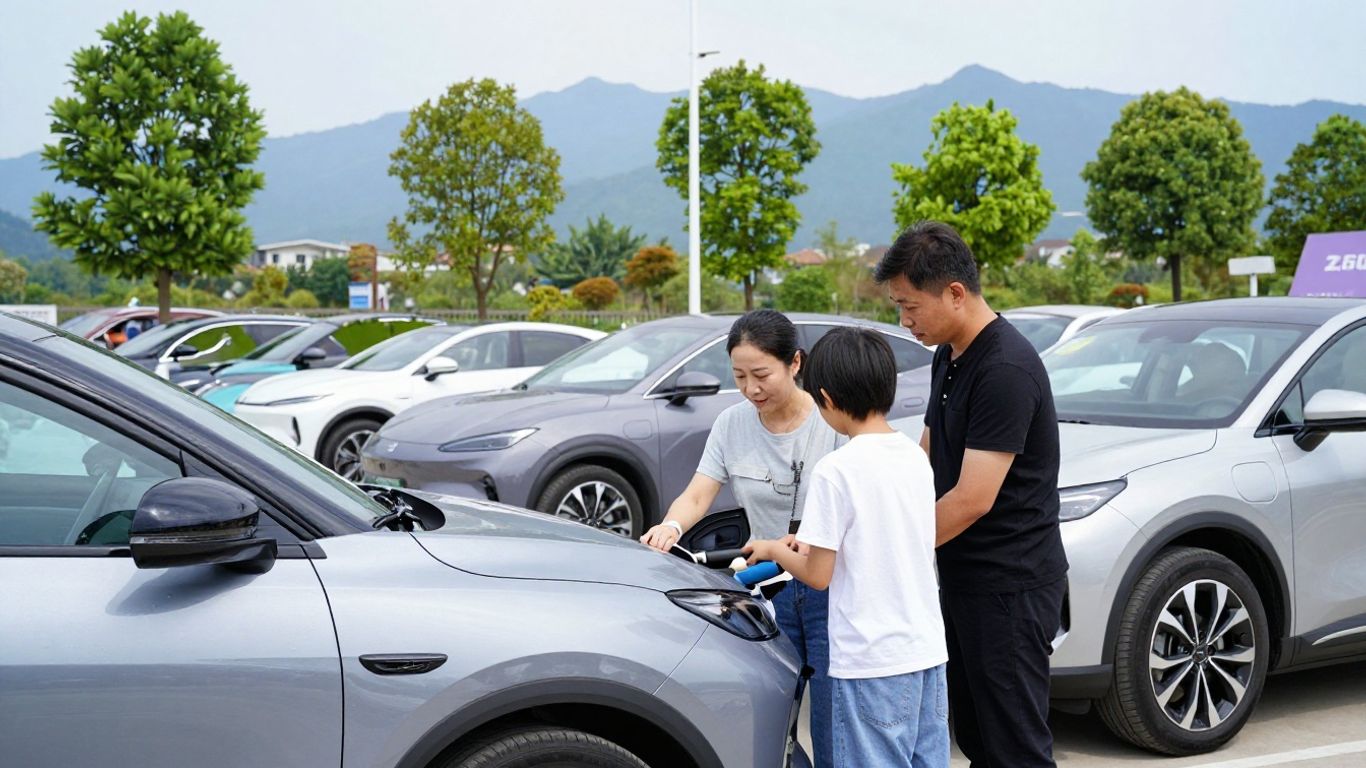
A battery-electric motor can be a strong fit for predictable commuting and regular access to charging. A conventional hybrid may suit mixed urban and highway driving when charging is unavailable. A plug-in hybrid works best when its owner can charge frequently, while fuel-cell vehicles require dependable hydrogen access.
Drivers who cover very low annual mileage should also consider whether replacing a serviceable vehicle is worthwhile. Walking, cycling, public transportation, car-sharing, or combining errands may reduce impact more than changing motor type alone. A more sustainable commute often begins with fewer or shorter car journeys.
Evaluating range, performance, and practical usability
Range estimates should be treated as planning tools, not guarantees. Cold temperatures, speed, hills, payload, towing, air conditioning, and heating can change energy use. Charging time is equally important: a vehicle with adequate range may still be awkward if replenishing it does not fit the owner’s schedule.
Make a practical checklist before comparing models. Ask whether the vehicle can carry the usual passengers and equipment, manage the terrain, fit the parking space, and reach common destinations without stressful detours. Usability is part of sustainability because an inconvenient vehicle may be replaced sooner or used inefficiently.
Comparing purchase price, incentives, and total ownership cost
Purchase price is only one part of the calculation. Include energy, insurance, maintenance, tires, taxes, charging equipment, financing, and expected resale value. Incentives can change the initial cost, but they may have eligibility rules, income limits, deadlines, or regional restrictions.
A simple ownership estimate is more useful than a vague promise of savings. Compare the same annual mileage and ownership period across options, then test what happens if energy prices, maintenance needs, or resale values differ from expectations. The least expensive choice can also be the one that remains reliable and useful for the longest period.
Checking sustainability claims and independent ratings
Marketing language can blur the difference between reduced emissions, renewable inputs, recycled content, and genuinely verified performance. Look for test methods, system boundaries, production assumptions, and dates. Independent assessments are useful when they disclose enough information for readers to understand what was measured.
Independent technology intelligence offers a broader lesson here: defensible decisions depend on traceable evidence rather than confident claims. For vehicle research, that means checking official specifications alongside independent testing, maintenance data, and local energy information.
Making motor ownership more sustainable
Buying a lower-emission vehicle is only one decision in its environmental story. How it is driven, charged, serviced, repaired, and kept for sale or reuse can matter for years afterward. Small habits are not a substitute for cleaner technology, but they help any vehicle use less energy and last longer.
The most effective habits are usually easy to repeat. They fit into existing routines instead of depending on constant attention or perfect conditions.
Adopting efficient driving and commuting habits
Smooth acceleration, steady speeds, sensible use of climate controls, and avoiding unnecessary idling can reduce energy or fuel consumption. Combining errands and choosing alternatives for short trips reduces both mileage and cold-starts. Carrying unnecessary weight and using roof racks when they are not needed can also increase energy use.
A practical weekly routine might include:
- Combining nearby errands into one trip.
- Driving smoothly rather than accelerating sharply.
- Checking tire pressure at the recommended interval.
- Removing unused cargo and external carriers.
These actions will not transform a high-consumption vehicle into a low-consumption one, but they reduce waste regardless of powertrain. More ideas for lower-impact car use can help households rethink when driving is truly necessary.
Planning charging, maintenance, and battery care
Charging works best when it is planned around normal parking rather than treated as an emergency task. Follow the vehicle maker’s guidance for charging limits, software updates, inspections, and storage. Battery systems have protective controls, but extreme heat, deep discharges, and long periods of neglect can still complicate ownership.
Maintenance remains necessary for electric vehicles, hybrids, and fuel-cell vehicles. Tires, brakes, suspension, cooling systems, cabin filters, and electronic systems all affect safety and efficiency. Keeping service records also supports a clearer history when the vehicle changes hands.
Extending vehicle life through repairs and upgrades
Keeping a reliable vehicle in use can avoid the material and energy cost of manufacturing a replacement. Repair decisions should consider safety, expected remaining life, energy efficiency, and whether suitable parts are available. Software updates, replacement tires, improved lights, and small component repairs may preserve usefulness without encouraging unnecessary upgrades.
Not every repair is environmentally sensible, especially when a vehicle is unsafe or has severe structural damage. The aim is thoughtful extension, not indefinite ownership at any cost. A qualified technician can help distinguish a manageable repair from a sign that replacement is safer.
Reducing waste from tires, fluids, and replacement parts
Tires are a major source of wear-related material waste and can affect efficiency as well as grip. Choosing the correct size, maintaining pressure, rotating tires when appropriate, and avoiding aggressive cornering can extend their life. Used tires, fluids, filters, brake components, and damaged batteries should go through suitable collection or recycling channels.
Parts should be replaced because they are worn, unsafe, or genuinely faulty—not simply because a newer version is available. Careful disposal protects soil and water while preserving materials that may be recovered.
The future of eco friendly and sustainable motors
Progress will not be measured only by faster cars or larger batteries. It will also appear in cleaner factories, better material recovery, more reliable charging, renewable fuels, and policies that make efficient transport easier to use. Different technologies may continue to serve different routes and communities.
Consumers can expect more choice, but also more complicated claims. Transparent data and practical infrastructure will matter as much as headline specifications.
Advances in battery chemistry and charging speed
Battery research is exploring chemistries that use different material combinations, improve durability, increase energy density, or reduce reliance on constrained inputs. Faster charging depends on cells, thermal management, chargers, grid capacity, and software working together. A faster peak rate is not automatically a better ownership experience if it is rarely available or difficult to sustain.
Longer battery life may have an environmental benefit even when the chemistry changes only gradually. A pack that supports many years of dependable use can reduce replacement demand and make used electric vehicles more attractive.
Renewable fuels and cleaner hydrogen production
Renewable fuels may help reduce emissions in sectors where direct electrification is difficult, such as some heavy transport or existing specialized equipment. Their sustainability depends on how feedstocks are grown, collected, processed, and distributed. Limited supplies also mean they should be directed toward uses where they provide the greatest benefit.
Hydrogen has a similar distinction between production pathways. Hydrogen made with low-carbon electricity may have a different impact from hydrogen made using fossil fuels without effective carbon management. Clear labeling and independent accounting will be necessary as the market develops.
Vehicle-to-grid systems and smarter energy use
Some electric vehicles may eventually provide electricity back to a building or the grid, subject to compatible hardware, software, utility rules, and battery warranties. Managed charging can already help shift demand away from congested periods or toward times when cleaner electricity is available. These systems turn parked vehicles into more flexible energy assets, though they require careful coordination.
The environmental value depends on how the electricity system operates and whether extra cycling affects battery life. Smart charging should make ordinary ownership easier, not require drivers to constantly monitor energy markets.
Policy, infrastructure, and changing consumer expectations
Vehicle standards, charging investment, fuel regulations, recycling rules, and clean-energy policy will shape which technologies become practical. Infrastructure must serve renters, rural drivers, people with disabilities, commercial fleets, and households without private parking. Affordability matters because a transition that excludes many drivers will move slowly.
Consumer expectations are changing as well. Buyers increasingly want clear information about operating cost, repairability, sourcing, and end-of-life recovery alongside range and performance. The broader green-vehicle context helps place these choices within the larger movement toward cleaner transport.
Conclusion
Eco friendly and sustainable motors are best understood through the full journey of a vehicle, from materials and manufacturing to daily use, maintenance, and end of life. Compare technologies against your real driving pattern, verify sustainability claims, and remember that efficient habits and long ownership can strengthen the benefits of a cleaner motor. A practical choice is one that reduces impact without becoming difficult to use.
Frequently Asked Questions
Are electric motors always the most sustainable choice?
Not automatically. Their overall impact depends on vehicle size, battery production, electricity sources, annual mileage, service life, and what vehicle they replace.
What is the difference between zero-emission and low-emission vehicles?
Zero-emission usually refers to no tailpipe emissions during operation. Low-emission vehicles still release some exhaust or fuel-related emissions but may produce less pollution than a conventional baseline.
Does charging an electric vehicle create emissions?
It can, depending on how the electricity is generated. Charging from a cleaner grid generally lowers operating emissions compared with charging from a carbon-intensive grid.
Are hybrids a sustainable compromise?
They can be useful when charging is unavailable or driving includes varied conditions. Their benefit depends on vehicle efficiency and, for plug-in hybrids, whether the battery is charged and used regularly.
How can drivers reduce environmental impact without buying a new vehicle?
Drive smoothly, avoid unnecessary trips and idling, maintain tire pressure, service the vehicle, repair it when sensible, and keep it in use safely for longer.
Do larger batteries make electric vehicles greener?
A larger battery can provide more range, but it generally requires more materials and manufacturing energy. The appropriate battery size is the one that meets regular needs without unnecessary capacity.
What should buyers look for in a sustainability claim?
Look for life-cycle boundaries, test methods, energy assumptions, material sourcing information, recycled content, repair policies, and independent verification rather than relying on broad environmental language.