Key Takeaways
Responsible vehicle recycling keeps useful materials in circulation while reducing pollution and landfill waste. A careful seller or buyer can also make the process safer, more transparent, and better value.
- Green wreckers depollute vehicles before dismantling them.
- Recycled metals and reusable parts reduce demand for new resources.
- Licenses, reviews, warranties, and clear records help identify reputable operators.
- Sellers should prepare ownership documents and confirm registration requirements.
- Buyers should verify fitment, testing, returns, and safety before purchasing used parts.
Understanding green wreckers in Australia
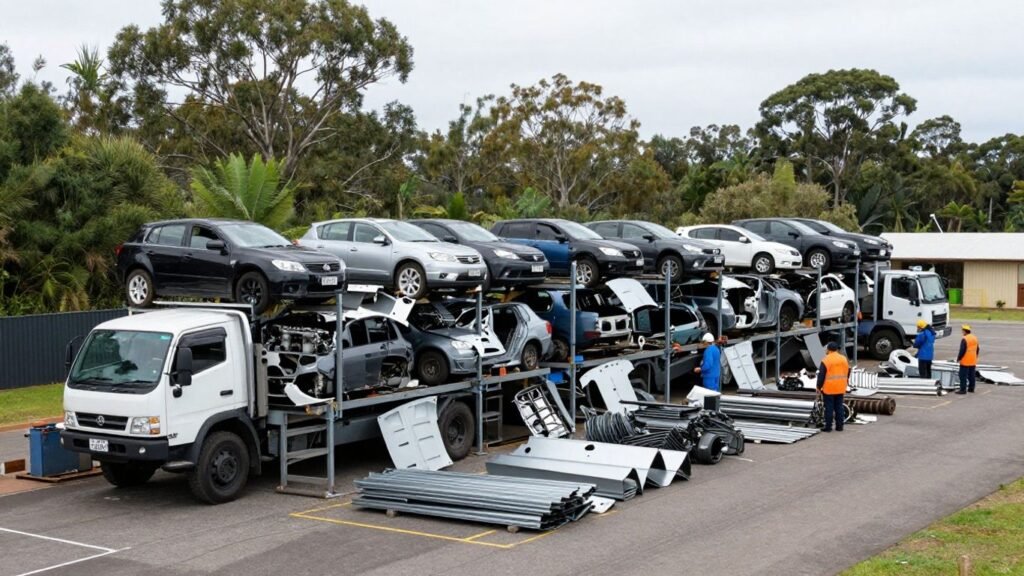
Green wreckers Australia-wide do more than strip vehicles for scrap metal. They assess end-of-life cars, recover usable components, separate recyclable materials, and manage fluids and other hazardous items carefully. The best operators treat dismantling as a controlled recovery process rather than simple disposal.
What makes an auto wrecker environmentally responsible
An environmentally responsible wrecker begins with depollution. Fuel, engine oil, coolant, brake fluid, refrigerants, and battery materials need to be removed and stored correctly before the vehicle is dismantled. The site should also have orderly storage areas, suitable spill controls, and a clear process for sending metals, plastics, glass, tires, and other residual materials to approved processors.
A good operator is willing to explain what happens to the car after collection. Ask whether parts are tested, how fluids are handled, and where unrecoverable material goes. Clear answers are a useful signal that the business takes its environmental obligations seriously.
How vehicle dismantling supports the circular economy
Vehicle dismantling gives a second life to components that may otherwise be discarded. A working alternator, mirror, door, wheel, or transmission can serve another vehicle, while steel and aluminum can return to manufacturing streams. This keeps the value already invested in those materials from being lost after the original car is no longer roadworthy.
The process also creates a practical link between local repair work and resource recovery. Instead of every replacement part being newly manufactured, a suitable recovered component may meet the need with less material extraction and processing. That does not make every used part appropriate, but it makes careful reuse an important part of a circular system.
The difference between green wreckers and conventional salvage yards
The terms “wrecker” and “salvage yard” are sometimes used interchangeably, but operating standards can vary considerably. A responsible green wrecker documents vehicle intake, removes pollutants, stores parts safely, and separates recyclable materials. An unsafe operator may leave vehicles exposed, allow fluids to leak, or offer little information about the final destination of waste.
The difference is therefore less about the appearance of the yard and more about the systems behind it. Look for proper paperwork, transparent pricing, organized inventory, and evidence that the business follows state and territory requirements. Online marketplaces can help with parts searches, but buyers still need to check the individual supplier behind a listing.
Which vehicles and components green wreckers typically accept
Most wreckers consider cars, vans, four-wheel drives, light commercial vehicles, and damaged or non-running vehicles, although acceptance rules differ. Some will collect vehicles with missing parts or major accident damage; others may focus on particular makes, models, or geographic areas. Confirm the vehicle’s condition and location before arranging a quote.
Commonly recovered components include engines, transmissions, wheels, suspension pieces, lights, mirrors, interior fittings, electronic modules, and body panels. The condition of each item matters more than the fact that it came from a dismantled vehicle. Parts should be identified accurately, stored properly, and described honestly.
The environmental benefits of car recycling
Car recycling reduces the environmental burden associated with abandoned, burned, or poorly dismantled vehicles. A typical vehicle contains a mixture of recyclable materials, reusable assemblies, fluids, plastics, rubber, and glass, so responsible processing requires several separate recovery steps. The environmental gain comes from managing each stream appropriately rather than treating the whole car as one waste item.
The benefits extend beyond the vehicle itself. Recycling materials can reduce the need for new raw material extraction, while reuse can avoid some of the manufacturing involved in replacement components. The exact savings vary by material, condition, transport distance, and processing method.
Reducing landfill waste and hazardous materials
End-of-life vehicles can contain substances that should not enter soil, stormwater, or ordinary landfill streams. Oil, coolant, fuel, brake fluid, battery acid, and refrigerants require controlled handling. Removing them before crushing or dismantling reduces the risk of contamination and makes the remaining materials easier to sort.
A vehicle that is left to deteriorate outdoors may also release fragments of rubber, plastic, and rust over time. Proper recycling does not eliminate every residual waste stream, but it significantly improves control over what is recovered and what must be treated or disposed of.
Recovering steel, aluminum, glass, and other materials
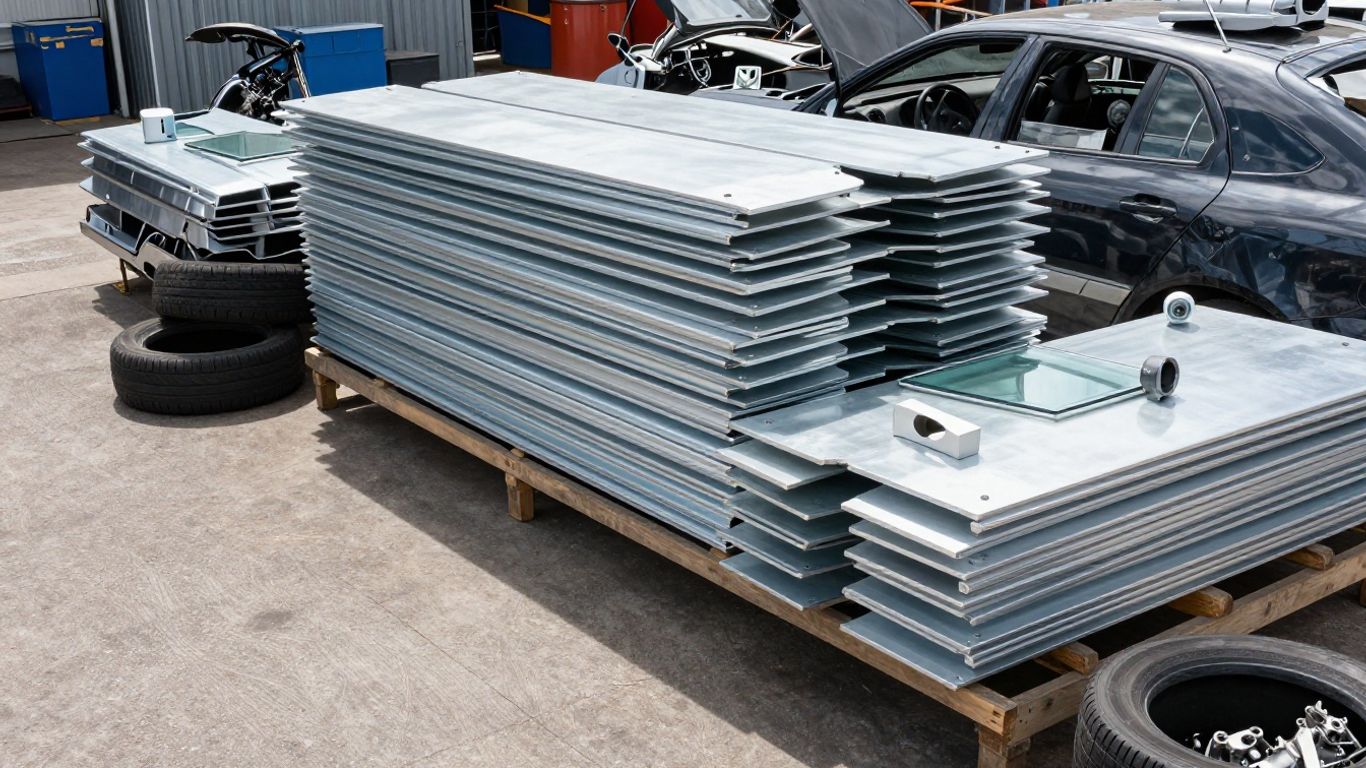
Steel makes up a large share of most vehicles, while aluminum, copper, glass, plastics, and rubber can also be separated in suitable facilities. Clean sorting matters because mixed or contaminated material is harder to process and may have less value. Parts removed before crushing can also preserve material quality and make recovery more efficient.
Material recovery is one reason car recycling remains valuable even when a vehicle has no worthwhile mechanical parts. A damaged shell may still provide recyclable metal, while wiring, wheels, glass, and catalytic components may enter different recovery channels. Local wreckers can explain which materials they separate and how they are transferred.
Reusing engines, transmissions, and body panels
Reusable parts often deliver the most direct benefit to another driver. A tested engine component, gearbox, door, bonnet, bumper, or mirror can keep a repair vehicle in service without requiring a new replacement. Reuse also gives owners an affordable option for older cars whose market value does not justify expensive new parts.
When searching nationally, Hollander Parts provides a way to find used auto parts from listed suppliers, while fitment should still be confirmed with the seller. A listing is only a starting point; the buyer should verify the part number, condition, warranty, and delivery terms before paying.
Lowering the emissions linked to manufacturing new parts
Manufacturing replacement parts requires raw materials, energy, transport, and factory processes. Reusing a sound part can avoid some of those stages, although transport and reconditioning still have an environmental cost. The most sensible choice depends on the part’s condition, expected service life, distance, and whether a new part is needed for safety or reliability.
This is why recycling works best as a chain of decisions: recover what can be reused, recycle materials that cannot be reused, and dispose of hazardous or contaminated items through proper channels. It is not a claim that every used part has a lower impact in every situation.
How to find reputable green wreckers Australia-wide
Finding a responsible operator takes a little more than searching for the lowest price. Compare the business’s licensing information, collection process, parts descriptions, customer service, and environmental practices. A wrecker that communicates clearly before the sale is generally easier to deal with if a part does not fit or a vehicle collection changes.
Australia’s state and territory rules are not identical, so local knowledge matters. A national search service may connect you with a supplier elsewhere, but the actual wrecker handling the vehicle or part should remain identifiable.
Checking licenses, certifications, and recycling practices
Ask which authority regulates the operator in its state or territory and whether the business holds the approvals required for vehicle storage, dismantling, waste transport, or scrap processing. Certifications can be helpful, but they should not replace basic questions about day-to-day handling. A license number, business address, and written terms are useful starting points.
For businesses that sell other regulated goods, supplier documentation illustrates the broader value of batch records, traceability, and clear labeling. In vehicle recycling, the equivalent questions concern vehicle identity, part origin, testing, and disposal records. The subject is different, but transparent documentation remains a practical test.
Comparing local wreckers with national online suppliers
A local wrecker may offer faster inspection, collection, and pickup, especially when the vehicle is nearby. A national supplier or parts network may provide a larger inventory and a better chance of finding a rare component. Compare the total cost rather than the listed part price alone, including freight, handling, fitting, and return charges.
For a broader search, used auto parts Australia can help buyers compare listings across suppliers. If you are selling rather than buying, scrap car collection is a useful phrase to look for when checking whether a service covers your area. Confirm the actual collection suburb, vehicle condition requirements, and payment timing before accepting an offer.
Reviewing customer feedback and parts warranties
Reviews can reveal whether a wrecker describes parts accurately, answers questions, and handles returns fairly. Look for patterns rather than one unusually positive or negative comment. A written warranty should state its duration, exclusions, installation requirements, and whether labor or diagnostic costs are covered.
A warranty is not proof that a part is perfect, and no warranty can correct a wrong fitment. Ask for photographs, part numbers, mileage where available, and test information. For packaging and delivery, even a simple packaging comparison guide reinforces the importance of checking how goods are protected in transit; vehicle parts need suitable wrapping, bracing, and moisture protection.
Confirming pickup, delivery, and dismantling services
Before booking, establish who collects the vehicle, whether the service is free, what access the tow truck needs, and when payment is made. For parts, ask whether delivery is door-to-door, depot-based, or click-and-collect, and whether oversized items attract a separate charge. Written confirmation avoids disputes over assumptions made during a phone call.
A reputable operator should also explain whether the vehicle will be depolluted and dismantled on its premises or transferred elsewhere. Those details help you understand the environmental chain instead of relying on a vague promise that the car will be “recycled.”
Selling an unwanted vehicle to a green wrecker
Selling an unwanted vehicle can be straightforward if the ownership and registration details are ready. Start by describing the car honestly, including whether it runs, whether major parts are missing, and where it is parked. Accurate information usually produces a more realistic quote and reduces the chance of a failed collection.
The best offer is not always the highest number on the first call. Consider removal costs, paperwork, payment security, and whether the operator provides disposal records. A professional transaction should leave you with a clear record of what happened to the vehicle.
Preparing the car and gathering ownership documents
Remove personal belongings, toll tags, parking permits, and paperwork containing private information. Gather identification, proof of ownership, registration details, service records if available, and finance-release documents where relevant. The wrecker may also ask for the vehicle identification number and photographs of its condition.
Do not remove parts that were included in the quote without telling the buyer. Tires, batteries, catalytic components, keys, and alloy wheels can affect value and collection arrangements. If you are unsure what to keep, ask before the tow is scheduled.
How vehicle inspections and quotes usually work
A quote may be based on the make, model, year, location, completeness, running condition, and current demand for parts or scrap metal. Some operators provide a preliminary figure from photographs and then confirm it after inspection. Damage that was not disclosed can change the final offer.
Ask whether the quote is fixed, what deductions may apply, and whether towing is included. Get the agreed amount and payment method in writing. You can also compare the process with a nationwide scrap car quote, while remembering that the local collecting operator may set the final inspection terms.
Arranging free or paid vehicle removal
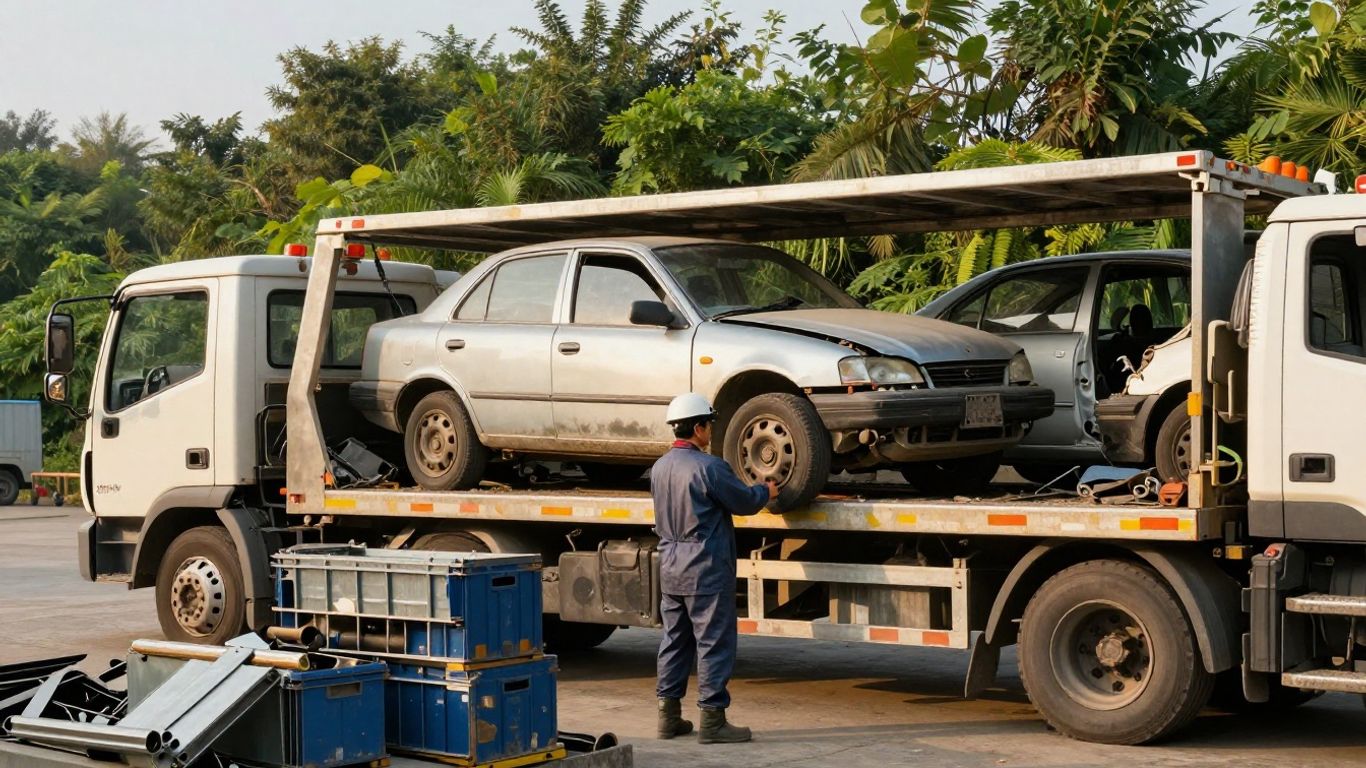
Collection may be free when the vehicle has enough salvage value to cover towing, but remote locations, difficult access, missing wheels, or severe damage can change the calculation. Tell the operator if the car is in a basement, behind a locked gate, on soft ground, or unable to roll. These details affect the equipment required.
Confirm the collection window and what happens if the driver cannot access the vehicle. Keep the keys and documents available, and photograph the car before loading. A simple condition record can be useful if there is later confusion about damage or missing items.
Cancelling registration and handling number plates
Registration cancellation and plate return requirements vary by state and territory. Contact the relevant road authority rather than assuming the wrecker will complete every step. Ask for a receipt or disposal document, then notify the authority promptly if required.
If plates must be surrendered, remove and handle them according to local instructions. Also cancel insurance, toll accounts, roadside assistance, and finance arrangements where applicable. Keeping copies of the sale agreement and collection receipt makes the administrative side much easier.
Buying quality used parts from green wreckers
Used parts can be a sensible choice for older vehicles, cosmetic repairs, and many non-safety-critical replacements. They are not automatically interchangeable, however, and a low price is of little value if the part does not match the vehicle or arrives damaged. Treat the purchase as a compatibility and condition check, not simply a bargain hunt.
A careful buyer asks precise questions before ordering. The supplier should be able to identify the donor vehicle, describe the part’s condition, and explain testing or warranty coverage. For specialist examples, Nissan Patrol used parts and Renault recycled parts show why make and model details are central to the search.
Identifying compatible parts by make, model, and VIN
Begin with the exact make, model, body style, year, engine, transmission, and trim. The VIN can help confirm production details and optional equipment, but it may not identify every replacement part by itself. Part numbers, connector shapes, mounting points, and photographs are often needed as well.
Send the supplier the complete vehicle information and ask them to confirm compatibility in writing. Do not assume that two parts with similar names will fit across different years or engine variants. Small changes in wiring, sensors, brackets, or software can make a seemingly identical component unsuitable.
Questions to ask about mileage, condition, and testing
Ask whether the part was removed from a running vehicle, a damaged vehicle, or one with an unknown mechanical history. For engines and transmissions, request available mileage, compression or operational testing information, fluid condition, and any known faults. For electrical parts, ask how functionality was checked and whether programming may be required.
For body panels and trim, confirm dents, paint mismatch, rust, broken clips, and missing hardware. Photographs taken from several angles are more useful than a short description. These questions protect both sides by making the condition clear before payment.
Understanding warranties, returns, and shipping costs
Read the warranty before ordering, especially its time limit and exclusions. Some warranties require professional installation, proof of fitting, or replacement of related components. Return policies may exclude electrical items, special orders, freight, or parts damaged during installation.
Freight can be substantial for engines, doors, glass, and large panels. Ask how the item will be packed, whether insurance is included, and who pays for a return if the supplier sent the wrong part. A written invoice should show the part, price, warranty, shipping charge, and seller contact details.
When used parts are suitable for safety-critical repairs
Used parts may be suitable for some safety-related repairs when their history, condition, and testing are well established, but the decision should involve a qualified mechanic. Braking, steering, suspension, restraint, and structural components deserve particular caution. A visually clean component may still have hidden fatigue, corrosion, or crash damage.
Never fit an unknown part merely because it is cheap. Ask the mechanic to verify the component and follow the manufacturer’s repair instructions. Where the risk cannot be assessed reliably, a new or remanufactured part may be the safer choice.
Australian regulations and responsible recycling practices
Vehicle recycling is regulated through a combination of environmental, transport, waste, consumer, and road-registration requirements. The specific rules depend on the state or territory and on the materials being handled. Responsible operators understand those obligations and can explain their process without making sweeping claims about nationwide uniformity.
The customer also has responsibilities. Choose a lawful operator, provide accurate ownership information, and retain documents showing the vehicle was sold or transferred properly. A little paperwork helps protect the environment and prevents future problems with registration, fines, or abandoned vehicles.
Environmental rules for fluids, batteries, tires, and refrigerants
Fluids should be drained into suitable containers and kept from stormwater and soil. Batteries, tires, refrigerants, and contaminated filters require separate handling because they can create fire, pollution, or chemical risks. Businesses may need specific approvals for storage, transport, recovery, or disposal of these materials.
Ask what happens to each major waste stream rather than accepting a general statement that everything is recycled. A vehicle contains several different materials, and responsible processing depends on keeping them separated and sending them to the correct downstream facility.
Why proper depollution matters before vehicle dismantling
Depollution removes pollutants before the vehicle is crushed, stored for long periods, or stripped for parts. It protects workers, nearby land and waterways, and the quality of recyclable materials. It also reduces the chance that fluids will spread when a vehicle is moved or compacted.
The work should be carried out with suitable equipment and procedures, not improvised on an open surface. If a seller notices leaking fluids or damaged batteries before collection, that information should be passed to the operator so the vehicle can be handled safely.
How to avoid unlicensed or unsafe operators
Be cautious when an operator refuses to provide a business identity, offers an unexplained cash-only deal, or pressures you to hand over the vehicle immediately. Missing paperwork, vague collection terms, and unusually high promises can all create problems. Search for a physical address and check whether the business is recognized by the relevant local authority.
When evaluating safety documentation more generally, quality compliance records are a useful reminder that credible claims should be supported by records rather than slogans. For a vehicle wrecker, look for the equivalent evidence: permits where required, written terms, clear invoices, and traceable disposal arrangements.
Records, receipts, and proof of responsible disposal
Keep the quote, sale agreement, receipt, payment confirmation, collection details, photographs, and any certificate or disposal record. These documents can help with registration cancellation, insurance closure, tax questions, or a later dispute about ownership. Store digital copies somewhere secure.
If the operator cannot explain what document you will receive at the end of the transaction, ask before agreeing to the sale. Good records do not prove every environmental step by themselves, but they make the transaction traceable and give you a practical basis for raising concerns.
Conclusion
Green wreckers make car disposal more responsible by combining depollution, material recovery, parts reuse, and clear customer processes. Whether you are selling an unwanted vehicle or buying a replacement component, checking documentation, condition, fitment, and local requirements helps turn a routine transaction into a safer and more sustainable one.
Frequently Asked Questions
What is a green wrecker?
A green wrecker is an auto dismantler that prioritizes safe depollution, reuse of serviceable parts, recycling of materials, and lawful handling of residual waste.
Are used car parts environmentally friendly?
They can reduce demand for new manufacturing when they are suitable, durable, and transported efficiently. Their environmental value depends on condition, fitment, service life, and responsible dismantling.
How can I check whether a wrecker is reputable?
Look for a clear business identity, required licenses or approvals, transparent terms, genuine customer feedback, written warranties, and a clear explanation of how vehicles and waste are handled.
Do green wreckers collect non-running cars?
Many do, but collection terms vary. Confirm the vehicle’s location, access, condition, missing parts, towing cost, and payment arrangement before booking.
What documents are needed to sell an unwanted vehicle?
Commonly requested documents include proof of identity, proof of ownership, registration information, and the vehicle identification number. Exact requirements vary by state or territory.
Can I use a used part for a safety-critical repair?
Sometimes, but the part should be inspected and approved by a qualified mechanic. Braking, steering, suspension, restraint, and structural components require particularly careful assessment.
What should happen to fluids and batteries during recycling?
They should be removed before dismantling, stored safely, and sent through appropriate recovery or disposal channels so they do not contaminate soil, waterways, or ordinary waste streams.