

Key Takeaways
A leak-down test is useful evidence about cylinder sealing, but it is only one part of assessing a used motor. Ask for the method and readings, then weigh them alongside the engine’s history, fit, price, and any warranty.
- The test measures how much air escapes from a pressurized cylinder.
- The percentage is most useful when the testing method and conditions are known.
- Listening for escaping air can help locate a possible leak path, but does not prove a diagnosis.
- A complete report should show every cylinder and include the tester setup and test conditions.
- A passing test does not replace checking compatibility, service history, and the terms of sale.
What “leak down tested” means
The phrase “leak down tested” means a seller says the motor’s cylinders were checked for air leakage using a leak-down tester. That can offer useful information about cylinder sealing, but the label alone does not tell you when the test happened or how it was carried out. For a buyer considering leak down tested motors, the readings and testing details matter more than the phrase on an advertisement. A little context helps make those details easier to assess.
How a cylinder leak-down test works
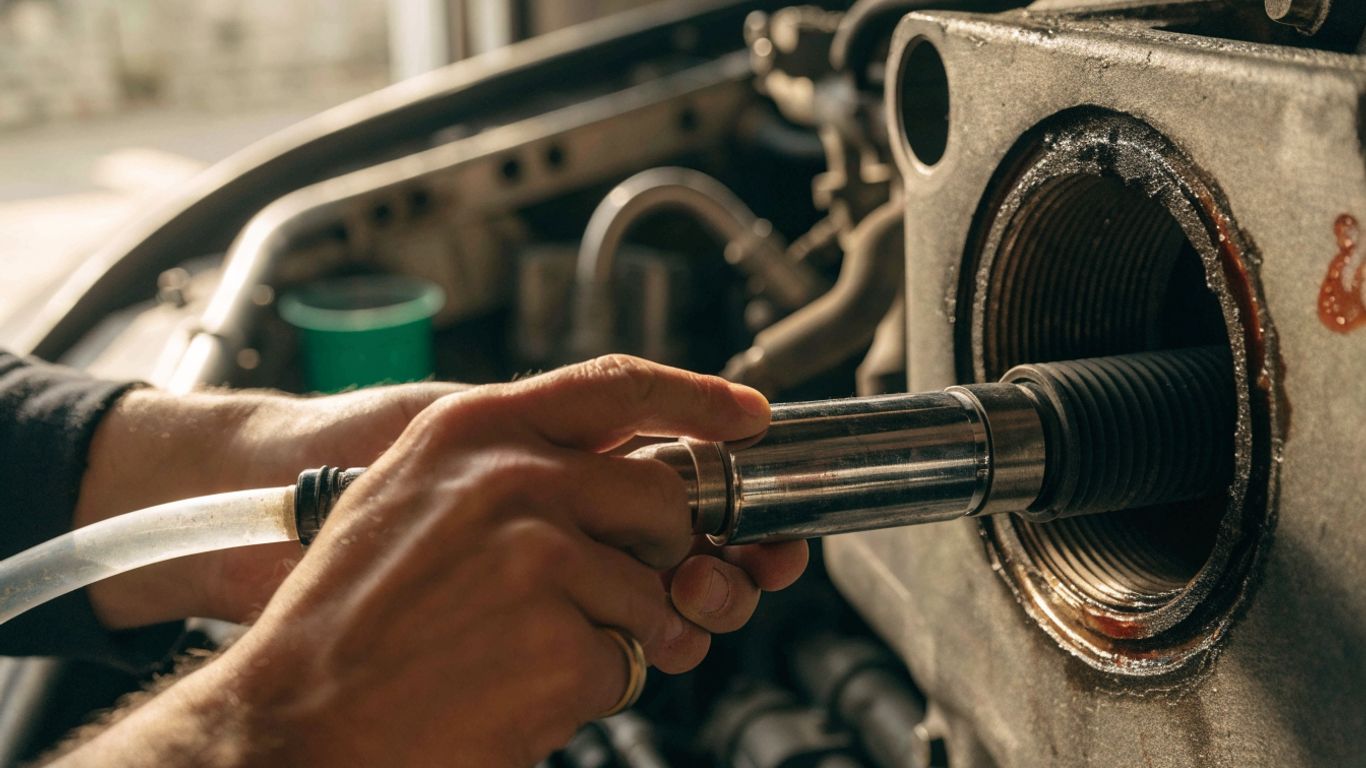
A leak-down test introduces compressed air into a cylinder, usually through the spark-plug opening, while the engine is off. The cylinder is positioned so its valves are closed, and the tester measures how much of the supplied air escapes. The tester’s instructions and setup affect the reading, so a seller should be able to explain the basic procedure. This leak-down test overview gives a general explanation of the process and its purpose.
A test is performed one cylinder at a time, rather than by running the engine and measuring its output. Because air pressure can turn the engine, the person performing the test needs to keep the crankshaft in the correct position. Ask whether the motor was stable during each reading and whether the same method was used throughout. Those details help you judge how much confidence to place in the figures.
What the test measures inside an engine
The result is an estimate of how well a cylinder holds pressure under the test conditions. Air may escape past the piston rings, through a valve that is not sealing fully, or into another area if a gasket or related sealing surface is compromised. A reading can point toward a possible leak path, especially when the tester also listens for where air is escaping. It does not, on its own, confirm which part is faulty or how extensive a repair might be.
How leak-down testing differs from compression testing
A leak-down test holds a cylinder under externally supplied air pressure while the engine is stationary. A compression test, by contrast, measures pressure created as the engine turns over. Each test answers a different question: one checks how much air escapes during a controlled test, while the other measures the cylinder’s pumping pressure during cranking. For that reason, one result should not be treated as a substitute for the other, and either test needs to be interpreted with its method in mind.
How to interpret leak-down results
A leak-down percentage can look precise, but it is not meaningful in isolation. Testers, procedures, engine designs, and conditions can all affect the number, so ask what was measured and how. Comparing cylinders tested in the same session is often more useful than treating a single figure as a universal pass-or-fail mark. The aim is to understand the evidence, not to turn one reading into a promise about the motor’s future.
What the percentage indicates
The displayed percentage represents leakage according to that tester’s scale and setup. In general, a higher reading indicates more air escaping during the test, but testers may not all produce directly comparable figures. A seller’s report is more useful when it includes the tester type and the procedure alongside each reading. If you need a general primer on reading results, this leak-down testing discussion covers measurement and setup considerations.
How readings can vary by engine and testing conditions
Test results can shift with the tester, air supply, cylinder position, engine temperature, and the care taken to repeat the procedure consistently. Engine design and manufacturer guidance also matter; there is no single percentage that safely defines every motor as good or bad. The numbers below are therefore a way to organize questions, not universal thresholds.
| Report detail | Why it matters | Useful follow-up |
|---|---|---|
| Tester and setup | Different equipment may report readings differently | Ask what tester was used and how it was adjusted |
| Engine condition | Temperature and position can affect the procedure | Ask whether the engine was warm or cold and how each cylinder was positioned |
| Cylinder readings | Individual figures reveal variation across the motor | Request the full set, not just the best or average result |
| Observed air path | Escaping air may suggest where sealing is weak | Ask what the tester heard or observed and whether it was confirmed |
Use the report details to decide whether the figures are comparable and whether an independent check is warranted. A neat-looking number without a method behind it is less persuasive than a modest report that records how the test was done. Keep the seller’s claims separate from what the test itself establishes.
What air escaping from different areas may signal
A tester may help locate escaping air by listening at places such as the intake, exhaust, or crankcase ventilation opening. Air heard around the intake or exhaust can suggest a valve-sealing issue; air heard at the crankcase may be consistent with leakage past the rings. Air appearing where cylinders or coolant passages meet can raise questions about a gasket or related sealing surface. These are clues rather than definitive diagnoses, and further inspection may be needed to establish the cause.
Why consistency between cylinders matters
A set of readings gives more context than one isolated percentage. If most cylinders are similar but one differs substantially, that variation deserves a specific explanation and possibly a retest. Conversely, similar readings do not prove that every component is sound; they only show a pattern under the conditions used. Compare the full set and ask whether the same pressure, equipment, and procedure were applied to each cylinder.
What a leak-down test can—and can’t—tell you
A leak-down test provides a snapshot of cylinder sealing, not a complete inspection of an engine. It can help identify areas to investigate and give you a reason to ask better questions before buying. But it cannot assess every kind of wear, operating fault, or installation concern. Treat it as one piece of evidence alongside the motor’s records and a careful review of the sale.
Problems the test may help reveal
The test may help identify cylinders that lose more air than others and point toward possible leakage past rings, valves, or a head gasket. The observed path can guide follow-up checks, though it should not be mistaken for a confirmed repair diagnosis. A cylinder leak-down test is particularly useful when the buyer wants to discuss a specific outlying reading with the seller or a mechanic. Ask what was heard during the test, not just what percentage appeared on the gauge.
Issues it may not detect
A leak-down reading does not establish the engine’s overall service history or reveal every problem that appears only while it is running. It may not identify valve timing or movement faults, intermittent issues, noise under load, or problems in systems outside the cylinder’s sealing path. Nor does it tell you whether the motor will fit your vehicle, whether its accessories are included, or what installation work it needs. Those questions require different records or inspections.
Why a passing result is not a guarantee of engine condition
A result described as “passing” is only as useful as the standard behind that label. Without the test method, manufacturer guidance, and readings for each cylinder, the word can mean little more than the seller’s opinion. Even a clear set of readings describes the motor at one point in time. The cylinder leakdown guide provides background on what the test may reveal, but no single test should be treated as a guarantee of future condition.
What to ask the seller before buying
A good conversation with the seller fills in the gaps a test result cannot. Ask for the report, the method, and the history of the motor, then confirm exactly what is included in the price. Keep your questions practical and specific; a clear answer is more useful than a broad assurance that the engine is “good.” Australia’s trusted Car Parts Supplier connects customers with quality used, genuine, and aftermarket parts, but any motor you consider still needs to be assessed on its own evidence.
Requesting the test results for each cylinder
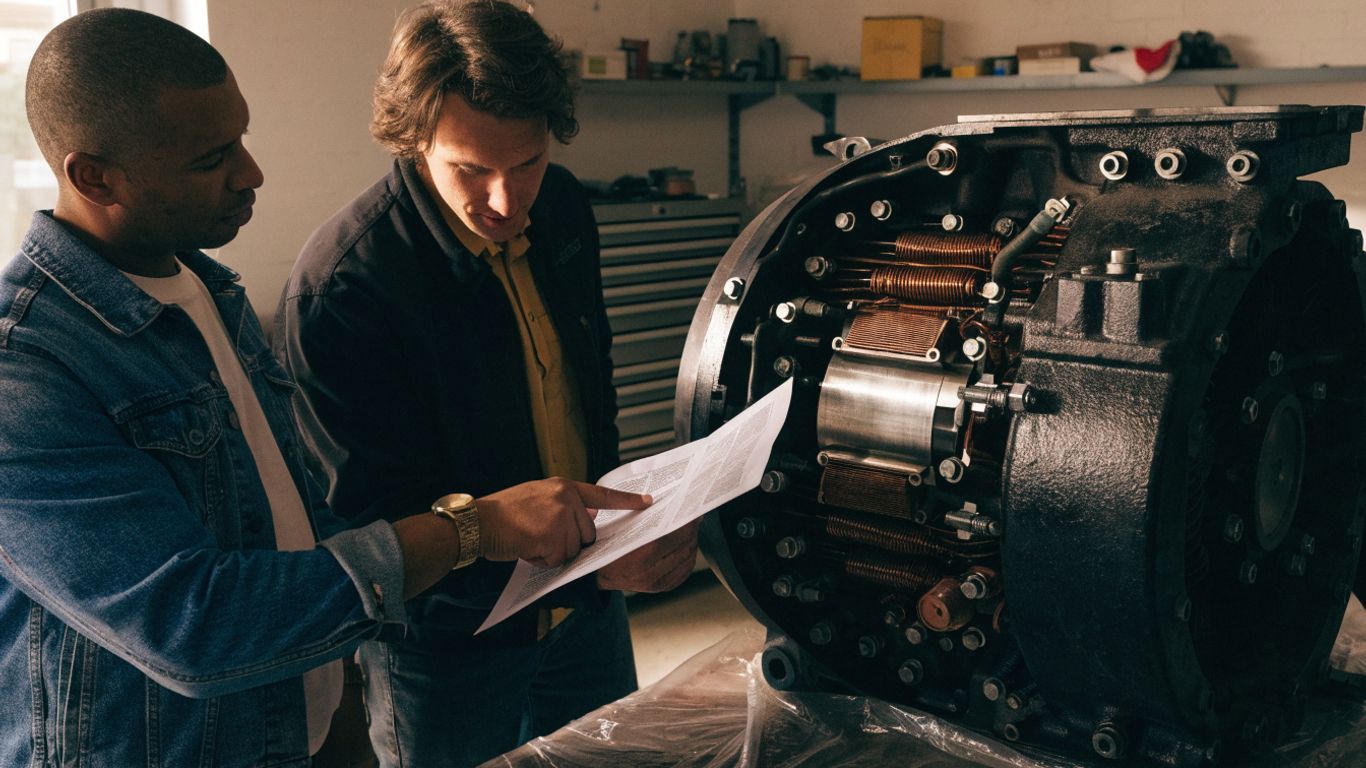
Ask for the reading from every cylinder, rather than an average or a statement that the motor passed. If the motor has an unusual configuration, confirm how many cylinders were tested and whether any were inaccessible. A complete record lets you compare readings and follow up on differences. You can also ask whether the seller kept notes about where air was heard escaping.
Checking when and how the test was performed
The date matters because a test describes the motor’s condition when it was performed, not necessarily its condition now. Ask whether the engine was warm or cold, what tester was used, how the cylinder was positioned, and whether the same setup was used for all readings. If the seller has photographs or a written report from the test, request those as well. For a seller tracking enquiries and follow-up, Defacto Infotech describes implementing and optimizing Microsoft Dynamics 365 Sales; that is separate from evidence of an engine’s condition.
Asking about the motor’s history and storage
Ask what vehicle the motor came from, how long ago it was removed, and how it has been stored since. Service records, known repairs, and the reason for removal can help explain the report or raise questions that deserve a closer look. Note whether the motor is complete or has been stored with parts removed, and ask what the seller knows about its previous operation. No test reading can fill in missing history.
Confirming what is included in the sale
Before comparing prices, establish whether the sale includes accessories, wiring, engine management components, or other parts you expect to need. Confirm the identification details, any stated warranty, and the process for resolving a mismatch or undisclosed issue. For a business seller, checking that the listed location and contact information are consistent may help with basic verification; eigenKOR describes managing Google Business Profile listings and related local visibility. That check says nothing about the motor’s mechanical condition, so keep it separate from the test assessment.
How to evaluate a leak-down test report
A report is easiest to assess when it records the complete set of results and the conditions under which they were collected. Look for details that allow you to compare like with like, and be cautious when the seller offers only a headline percentage. Manufacturer guidance, if available for the engine, is a better reference than a generic internet threshold. When the report leaves important questions open, an independent retest can help.
Looking for complete, cylinder-by-cylinder readings
Check that the report identifies each cylinder and gives an individual reading for each one. A total, average, or statement such as “all good” can hide a weak outlier. Note whether the report also records the tester or setup and any observations about escaping air. A complete record may still need interpretation, but it gives you something concrete to discuss with a mechanic.
Comparing results against manufacturer guidance
Look for information specific to the engine rather than assuming a percentage applies across all makes and designs. If manufacturer guidance is unavailable, avoid treating a general online number as an official acceptance limit. Ask a qualified mechanic to interpret the results in light of the engine specification and test conditions. That helps keep the discussion grounded in the particular motor rather than a rule of thumb.
Checking for signs of inconsistent testing
Results deserve a closer look if cylinders were tested with different procedures, if the seller cannot explain the equipment, or if the report omits readings. A large difference between cylinders may matter, but inconsistent testing can also create differences that are difficult to interpret. Ask whether the tester was reset or checked and whether the readings were repeated when a result looked unusual. The point is not to accuse the seller; it is to understand how reliable the comparison is.
Getting an independent retest when needed
Consider an independent retest when the report is incomplete, the readings vary sharply, or the motor represents a significant purchase. Agree with the seller on access and testing arrangements before paying for an inspection, and ask the technician to document the method and results. A retest can reduce uncertainty, but it remains a snapshot and should be weighed with the motor’s history and sale terms. If you use online probability tools such as value betting, keep them distinct from mechanical evidence: betting analysis does not assess an engine.
How to choose the right leak-down tested motor
Choosing a motor means balancing its test evidence with fit, history, price, and the terms of sale. A low reading cannot make an incompatible engine suitable, and an attractive price does not answer questions about installation or included parts. Australia’s trusted Car Parts Supplier connects customers with quality used, genuine, and aftermarket parts across Melbourne, Sydney, Brisbane, and nationwide; whichever source you use, confirm the details of the specific motor. Taking these checks in order can make a decision clearer without pretending that any test removes all risk.
Matching engine specifications to your vehicle or project
Start with the exact engine code and specification required for your vehicle or project. Check mounting points, transmission pairing, emissions requirements, wiring, control systems, and any market-specific differences with a qualified installer or parts specialist. A motor that appears similar may still need substantial changes to work safely and correctly. Confirm compatibility before focusing on the test percentage or negotiating the price.
Weighing test results against price and warranty
Compare the test report with the asking price, known history, included components, and written warranty terms. Clarify what the warranty covers, how long it lasts, and what steps are required if a problem appears after installation. A strong report may support confidence, but it does not automatically justify a higher price or replace clear sale terms. Australia’s trusted Car Parts Supplier offers access to used, genuine, and aftermarket parts through a broad network; ask any seller to explain the terms for the particular item you are considering.
Considering installation and compatibility requirements
Budget for transport, installation, fluids, seals, and any parts that are not included in the sale. Confirm whether the engine arrives ready to install or whether it needs additional checks or preparation. Ask your installer to review compatibility before the purchase is final, especially if the motor is coming from a different model or year. These practical requirements can change the real cost considerably.
Deciding when a professional inspection is worthwhile
A professional inspection is sensible when the report is missing details, readings are uneven, the engine’s history is unclear, or the purchase is difficult to reverse. A mechanic familiar with the engine can review the report and identify what other checks are appropriate. At-home health testing resources such as at-home lab tests concern a different kind of testing entirely; they cannot help determine an engine’s condition. For an engine, rely on a qualified automotive professional and the specific evidence available.
Conclusion
A leak-down test can make a used motor’s cylinder-sealing condition easier to discuss, but its value depends on the method, complete readings, and context. Request the report and history, check compatibility and sale terms, and seek an independent inspection when the evidence leaves meaningful uncertainty. The result is a more informed decision—not a guarantee.
Frequently Asked Questions
What does “leak down tested” mean?
It means a seller reports that compressed air was introduced into the motor’s cylinders and leakage was measured. Ask for the readings and method to understand what that statement represents.
What is a good leak-down percentage?
There is no single percentage that applies to every engine and tester. Compare readings with engine-specific guidance and consider the test setup and differences between cylinders.
Is a leak-down test better than a compression test?
They measure different things. A leak-down test checks air loss from a stationary cylinder, while a compression test measures pressure as the engine turns over; one does not replace the other.
Can a leak-down test identify bad piston rings?
It may suggest leakage past the rings, especially if air is heard escaping through the crankcase area. That observation is a clue, not a confirmed diagnosis.
Should I buy a motor with one cylinder showing a higher reading?
Do not decide from that number alone. Ask whether the test was repeated consistently, compare it with the other cylinders and manufacturer guidance, and consider an independent inspection.
Does a passing leak-down test guarantee the motor is healthy?
No. The test is a snapshot of cylinder sealing and may not reveal operating faults, service history, compatibility problems, or every kind of wear.
What should a leak-down test report include?
Ideally, it includes readings for every cylinder, the tester and setup, relevant test conditions, and any observations about where air escaped. Those details make the results easier to interpret.