

Key Takeaways
Reliable motor sourcing depends on accurate vehicle information, supplier discipline, and a clear view of the total repair cost.
- Verify the vehicle and motor before ordering.
- Compare new, used, remanufactured, and rebuilt options fairly.
- Judge suppliers by testing, warranty terms, and delivery performance.
- Record every sourcing decision and inspection result.
- Explain parts, labor, risks, and warranty coverage clearly to customers.
What repair shop motor sourcing involves
Repair shop motor sourcing is the process of finding, checking, purchasing, and receiving a replacement motor that suits a specific vehicle and repair plan. It includes more than locating a low advertised price. A shop must also consider fitment, condition, shipping, installation work, warranty support, and the time the vehicle will remain off the road. A disciplined process makes those trade-offs visible before money is committed.
Defining motor sourcing for repair businesses
For a repair business, sourcing starts when a failed or worn motor is identified and ends when the correct unit is installed or rejected before installation. The work may involve contacting dealers, recyclers, remanufacturers, engine builders, or online suppliers. It also includes checking what is actually included: a complete assembly, a long block, a short block, accessories, sensors, or only the core engine.
The best approach is to write down the repair requirement before calling suppliers. Include the vehicle details, the suspected failure, the desired motor type, the installation deadline, and any customer budget limit. That brief gives each supplier the same question and makes quotations easier to compare.
Comparing new, used, remanufactured, and rebuilt motors
These categories are not interchangeable. A new motor generally offers the clearest condition history, while a used motor may be economical when its mileage and donor history are credible. Remanufactured and rebuilt units can offer a middle path, but the quality depends on what was inspected, replaced, machined, and tested.
Ask suppliers to define their terminology rather than relying on the label alone. A written description should state the motor’s condition, mileage where available, included components, testing performed, and whether a core must be returned.
Balancing cost, quality, availability, and warranty coverage
A cheaper motor can become the expensive choice if it arrives damaged, needs unexpected modifications, or fails soon after installation. Conversely, the highest-priced option may not be necessary for an older vehicle with limited market value. Total repair exposure is a more useful comparison than the purchase price by itself.
A practical comparison considers four questions: will it fit, can its condition be supported, can it arrive when promised, and what happens if it fails? Warranty length matters, but so do exclusions, labor coverage, return freight, and the process for proving a defect.
Understanding how sourcing affects repair turnaround times
A motor that is available today can shorten a repair, but only if the listing is accurate and the unit is ready to ship. Delays often arise when a supplier needs to verify a serial number, locate missing accessories, arrange freight, or resolve a mismatch after delivery. The shop should therefore ask for a realistic dispatch date, not just an inventory status.
Keeping two or three suitable sourcing routes for common vehicles can reduce downtime. It also helps staff explain alternatives to customers without promising a completion date before the part has been inspected.
How to identify the correct replacement motor
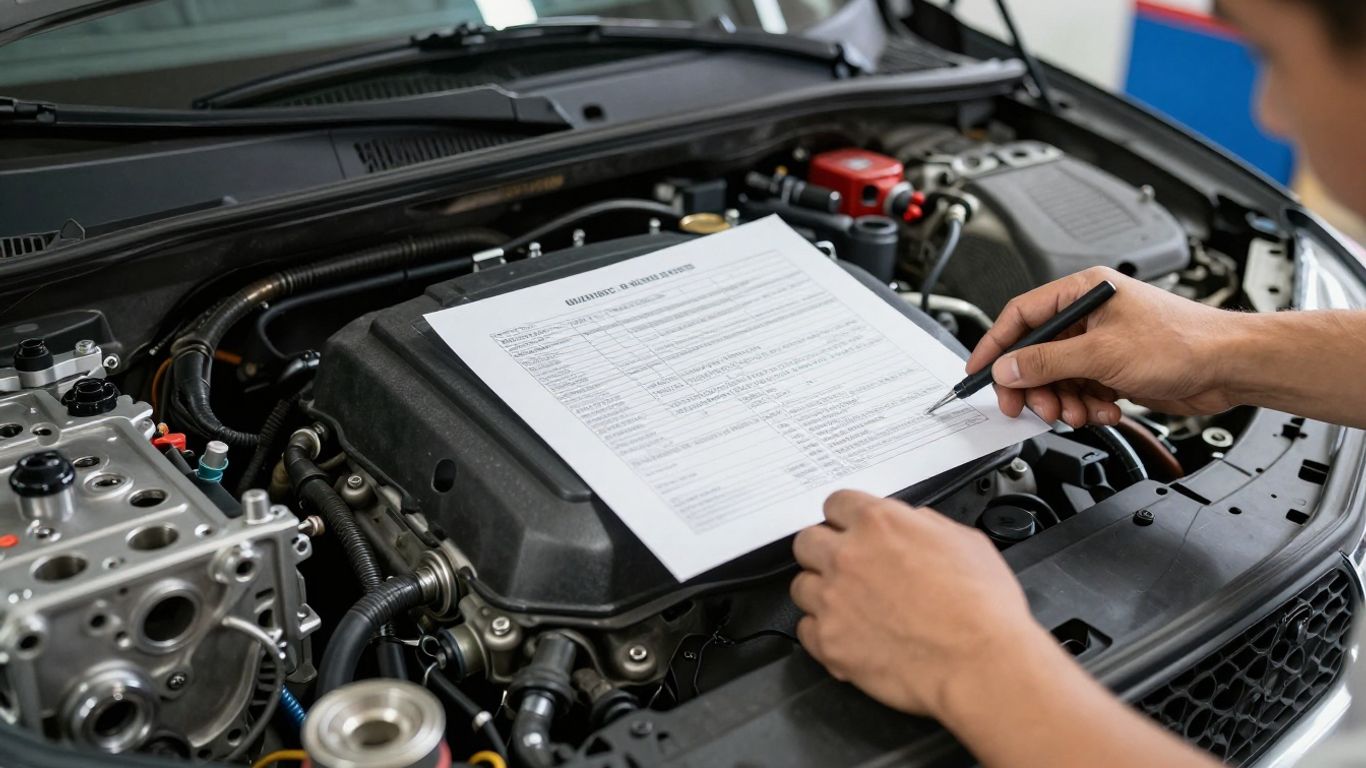
Correct identification is the foundation of repair shop motor sourcing. A visually similar motor can differ in mounting points, sensors, software, emissions equipment, or transmission connections. Before requesting prices, gather the vehicle identification number, engine information, registration details where appropriate, and photographs of the existing installation. That preparation prevents a fast quote from becoming a slow return.
Matching the make, model, year, and trim
Make, model, and year narrow the search, but trim level and drivetrain can change the required motor. Confirm whether the vehicle is front-wheel drive, rear-wheel drive, or all-wheel drive, and record fuel type, body style, and market of origin. The same model name may cover several engine choices in one production year.
A vehicle identification number is often the strongest starting point, but it should not replace a physical and technical check. Compare the original motor’s visible features with the supplier’s photographs and description before placing the order.
Verifying engine codes, serial numbers, and interchange data
Engine codes and serial numbers can separate units that otherwise look identical. Ask the supplier to read the code directly from the motor when possible and compare it with reliable interchange information. Do not assume that an interchange listing means every attached component will transfer without changes.
A useful record includes the quoted code, donor vehicle, mileage, photographs, stock number, and the name of the person who confirmed compatibility. When a dispute arises, that record shows exactly what was requested and supplied.
Confirming compatibility with transmissions, electronics, and emissions systems
The motor must work with the vehicle’s transmission, wiring, control modules, sensors, exhaust arrangement, and emissions equipment. Some replacement units are mechanically compatible but require the original accessories, manifolds, brackets, or electronic components to be transferred. Those labor requirements should be identified before the customer approves the repair.
For technical reference, MOTOR provides service and repair professionals with automotive data that includes parts information, estimated work times, maintenance schedules, fluid specifications, and wiring diagrams. A shop using any reference source should still confirm the particular vehicle and motor combination with the supplier.
Avoiding common mistakes with imported and modified vehicles
Imported vehicles may use different engine codes, emissions configurations, connectors, or regional specifications. Modified vehicles add another layer of uncertainty because aftermarket turbochargers, intake systems, wiring, and engine management changes may no longer match factory interchange assumptions.
Photograph unusual connections and mounting points, and ask whether the vehicle has been converted or tuned. If the answer is unclear, price the motor only after a technician has reviewed the physical differences and the likely parts-transfer work.
Where repair shops can source motors
No single source is best for every vehicle or budget. Dealers may offer clear provenance, recyclers may have useful donor information, and remanufacturers may provide documented internal work. Online networks widen the search but require more careful verification. The right choice depends on the vehicle, urgency, customer expectations, and the evidence available for the specific unit.
Working with OEM dealerships and authorized distributors
Dealerships and authorized distributors are useful when the vehicle is newer, the motor is unusual, or factory compatibility is especially important. They can provide a clear part number and may have access to updated replacement assemblies. The trade-off is often a higher purchase price and, in some cases, a longer order period.
Ask whether the quoted item is complete, what the warranty covers, and whether programming, calibration, or additional components are required. A factory source is only helpful when the quotation matches the actual repair scope.
Evaluating salvage yards and recycled parts suppliers
Salvage yards can offer good value when the donor vehicle, mileage, and inspection history are documented. Look for suppliers that provide photographs, stock references, compression or running-test information where applicable, and a defined return process. A vague description should be treated as an invitation to ask more questions, not as proof of a bargain.
A recycled motor may also require accessories from the original vehicle. Confirm what is included before comparing its price with a complete dealer or remanufactured assembly.
Buying from remanufacturers and specialty engine builders
Remanufacturers and engine builders can be appropriate when a shop needs a particular specification or wants documented internal refurbishment. Ask what machining and component replacement took place, how clearances were checked, and what final testing was completed. The supplier should be able to explain the warranty in practical terms.
The phrase “rebuilt” can describe very different levels of work. Compare the actual process and documentation rather than treating the category as a guarantee of quality.
Using online marketplaces and automotive sourcing networks
Online marketplaces make it easier to compare inventory across regions, but the listing is only the beginning of the assessment. Check the seller’s identity, stock photographs, stated mileage, dispatch location, freight method, and return conditions. Save the listing and correspondence before payment because listings can change.
A sourcing network can also help locate an uncommon motor, but distance increases freight cost and complicates inspection. For general parts purchasing context, this overview of the automotive supply chain is a useful reminder that manufacturing, distribution, quality control, and aftermarket service are connected stages rather than isolated transactions.
How to evaluate motor suppliers
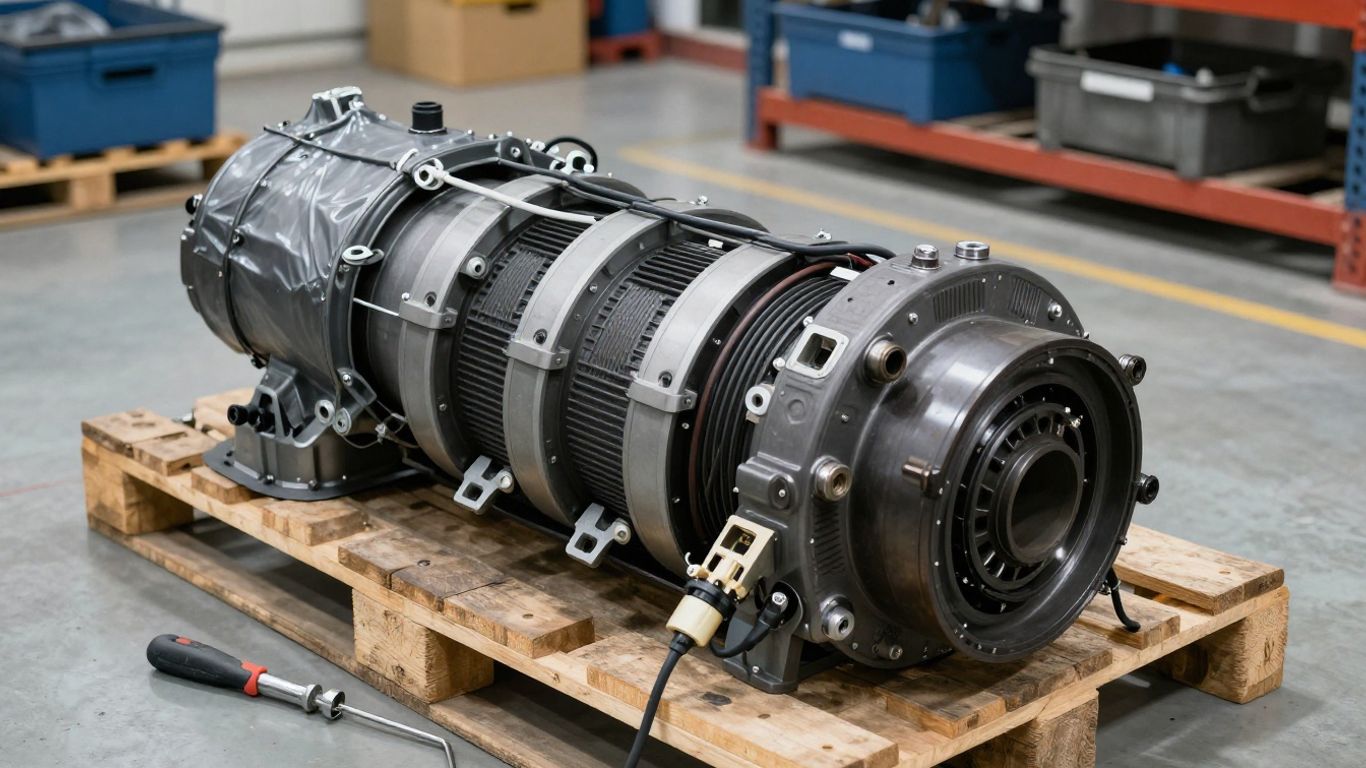
A supplier’s price is easy to compare; its operating habits are harder to see. Repair shops should look for evidence that inventory is real, descriptions are consistent, motors are tested appropriately, and problems are handled promptly. A supplier that answers detailed questions clearly is usually easier to work with when something goes wrong. Keep the evaluation focused on the specific motor, not just the company’s general reputation.
Checking supplier reputation and industry experience
Look for a history of supplying the type of motor your shop needs, not merely a large catalogue. References from other repair businesses, consistent business details, and clear contact information are useful signals. Reviews can reveal patterns, but individual anecdotes should not replace direct questions about the quoted unit.
Ask how long the supplier has handled recycled, remanufactured, or new motors and whether staff can discuss codes and fitment. Their answers should be specific enough to support a purchasing decision.
Reviewing testing, inspection, and quality-control procedures
Testing should match the motor type and the claims being made. Ask whether the unit was visually inspected, rotated, compression-tested, run-tested, leak-checked, or assessed through other relevant procedures. Also ask who performed the inspection and whether the results can be supplied with the shipment.
A clear process does not eliminate every defect, but it makes the supplier’s promise measurable. Record the stated test method so the delivered motor can be checked against it.
Comparing warranties, return policies, and core charges
Warranty comparisons need more than a number of months. Check whether parts and labor are covered, whether installation by a qualified shop is required, how quickly a claim must be filed, and who pays return freight. Core charges should be listed separately, with the condition and return deadline explained.
Consumer-facing repair guidance often stresses written estimates and detailed invoices. The auto repair rights guide provides one example of why clear documentation matters, although local requirements vary and shops should follow the rules that apply in their jurisdiction.
Confirming inventory accuracy and delivery reliability
Before ordering, ask the supplier to confirm that the exact motor is physically available and not merely shown in a shared catalogue. Request current photographs, a stock number, expected dispatch timing, packaging details, and freight tracking. If the motor is coming from another state, confirm who handles damage claims.
Use a simple supplier scorecard to prevent one attractive quote from dominating the decision. The following records are especially useful:
- Correctness of previous fitment information.
- Accuracy of condition and mileage descriptions.
- On-time dispatch and freight communication.
- Speed and fairness of warranty responses.
Reviewing these points after each order turns experience into purchasing evidence. A supplier that is slightly more expensive may be the better choice if its descriptions and delivery records are consistently dependable.
How to compare motor sourcing costs
Motor sourcing costs extend beyond the amount shown on a quote. Freight, taxes, storage, inspection time, accessories, modifications, and the risk of a second installation can materially change the result. Build the comparison around the finished repair rather than the crate arriving at the shop. This also gives the customer a clearer explanation of why two motors with different prices may produce similar final invoices.
Calculating the total landed cost
The landed cost should include the motor, freight, insurance or damage exposure, taxes, core charge, inspection time, and any required accessories. Add the cost of returning an unsuitable unit and the likely administrative time involved in a warranty claim. If a price excludes a component that the repair requires, include the replacement component in the comparison.
A written worksheet helps keep quotes consistent. It should show which costs are confirmed, which are estimates, and which depend on inspection after delivery.
Factoring in shipping, freight damage, and storage
Large motors need careful packaging and suitable freight handling. Ask how the unit is secured, whether fluids are drained, how exposed connectors are protected, and what evidence is needed if the crate arrives damaged. Photograph the package before opening it and the motor immediately after unpacking.
Storage also has a cost, particularly when a customer delays approval or when the motor arrives before a work bay is free. Keep the unit dry, stable, and identifiable while preserving its packaging until acceptance is complete.
Estimating labor and modification requirements
A replacement motor may require the transfer of brackets, manifolds, sensors, wiring, intake parts, or accessories. The technician should estimate this work before approval, along with fluid replacement, seals, belts, hoses, programming, and post-installation testing. Imported or modified vehicles deserve a larger contingency because factory assumptions may not apply.
For customers who supply their own parts, parts installation guidance explains the general distinction between sourcing a part and paying a mechanic to install it. A shop should still set its own inspection, labor, and warranty terms in writing.
Comparing short-term savings with long-term reliability
A low initial price has less value if the motor’s history is uncertain or warranty support is weak. Estimate the cost of a repeat removal and installation, lost bay time, customer inconvenience, and possible towing. These risks do not make an inexpensive motor unsuitable, but they should be visible in the decision.
Choose the option that fits the customer’s vehicle, budget, and intended use. A transparent explanation is more useful than presenting one price as universally best.
How to manage risks in motor sourcing
Risk management begins before the motor arrives and continues through installation and final testing. The shop should know what evidence it needs to accept the unit, what conditions trigger a rejection, and how a claim will be documented. Clear steps protect the business and make conversations with customers calmer. They also reduce the temptation to install a questionable motor simply because the vehicle is already on a lift.
Inspecting a motor before installation
Inspect the packaging, casting, mounts, sensors, connectors, oil passages, and visible seals before the motor is fitted. Compare the unit with the agreed photographs and description, then check the code and stock number. If the motor is supplied with accessories, verify those items separately.
Do not install a unit with obvious damage or an unresolved identity mismatch. Contact the supplier while the evidence is fresh and ask for written instructions before altering or dismantling the motor.
Documenting condition, mileage, and test results
Create a receiving record with the date, supplier, stock number, mileage claim, engine code, photographs, packaging condition, and technician observations. Record any pre-installation tests and retain the purchase order, invoice, warranty, and freight documents together. Consistent records make later diagnosis much easier.
The record should distinguish what the supplier stated from what the shop independently observed. That small distinction prevents assumptions from becoming part of the repair history.
Handling defective, damaged, or incompatible motors
Stop the installation when a motor is damaged, materially different, or incompatible. Photograph the problem, preserve the packaging, notify the supplier promptly, and follow the stated return procedure. Avoid modifying or stripping the unit until the supplier confirms that doing so will not affect the claim.
If the vehicle must remain in the shop, explain the likely delay and any replacement options. A clear escalation path is valuable: one person gathers evidence, one person contacts the supplier, and the customer receives a measured update.
Protecting customers with clear estimates and warranty terms
The estimate should identify the motor’s condition, included parts, expected labor, likely additional work, warranty duration, exclusions, and approval limits. State whether the warranty covers labor and what the customer must do if a fault appears. Local consumer obligations vary, so the wording should be checked against applicable law.
A customer who understands the source and limits of the replacement motor can make a realistic decision. Clear paperwork also helps the shop distinguish a sourcing issue from a separate vehicle fault.
How to build a repeatable sourcing process
A repeatable process turns motor sourcing from an urgent search into a controlled purchasing task. It should be simple enough for a busy service advisor to follow and detailed enough for a technician to verify. Over time, the shop can use its own records to identify reliable suppliers, recurring fitment problems, and hidden costs. The result is faster decisions without lowering the standard of inspection.
Creating an approved supplier list
Start with suppliers that can answer fitment questions, provide evidence of condition, explain warranty terms, and deliver within agreed timeframes. Separate the list by motor type and region if different sources perform better for different needs. Approval should be earned through documented orders rather than added solely because a supplier advertises widely.
Review the list periodically and suspend suppliers with repeated inaccuracies, unresolved claims, or unexplained delivery failures. Keep a backup source for common and urgent applications.
Standardizing motor research and verification
Use one intake form for every replacement motor. It should capture the vehicle identification number, engine code, transmission, drivetrain, emissions configuration, required accessories, customer deadline, and acceptable motor categories.
Then use the same verification sequence each time: confirm identity, compare condition, check inclusions, calculate landed cost, review warranty terms, and record the decision. Consistency reduces errors caused by rushed phone calls or incomplete online listings.
Tracking pricing, availability, warranties, and failure rates
A basic purchasing log can reveal more than memory. Track supplier, motor type, quoted and final price, freight, delivery time, warranty length, claim outcome, and whether the motor required unexpected modifications. Record failures carefully, including whether the cause was the motor, installation, or another vehicle system.
Do not treat every return as proof that a supplier is poor. Look for patterns across enough orders to separate random defects from repeated problems.
Using sourcing data to improve purchasing decisions
Review the log monthly or quarterly with the service and workshop teams. Compare suppliers on fitment accuracy, landed cost, turnaround time, and claim handling rather than price alone. Use those findings to update the approved list, refine customer estimates, and decide when a higher-cost source is justified.
The process should remain practical. If a form takes too long to complete, staff will skip it under pressure. A short, consistently maintained record is more valuable than a perfect system nobody uses.
A shop that combines careful identification with honest supplier records can make repair shop motor sourcing faster, more predictable, and easier to explain.
Conclusion
Reliable motor sourcing comes from treating every replacement as a fitment, condition, cost, and risk decision rather than a simple price search. Verify the motor, document the evidence, compare the full repair cost, and give the customer clear terms before installation. That steady discipline protects turnaround times, margins, and trust.
Frequently Asked Questions
What is repair shop motor sourcing?
It is the process of finding, verifying, purchasing, receiving, and approving a replacement motor for a specific vehicle and repair requirement.
Is a used motor always cheaper than a remanufactured motor?
Not necessarily. A used motor may have a lower purchase price, but freight, missing components, installation changes, and warranty risk can make its total cost higher.
What vehicle information should a shop collect first?
Collect the vehicle identification number, make, model, year, trim, drivetrain, transmission, engine code, fuel type, and details of any modifications.
How can a shop check whether a motor will fit?
Compare the engine code, serial information, interchange data, mounting points, transmission connection, electronics, emissions equipment, and included accessories.
What should a motor warranty include?
Review the warranty period, covered components, labor coverage, exclusions, claim deadline, return freight responsibility, and any installation requirements.
What should a shop do when a motor arrives damaged?
Photograph the packaging and motor, preserve all shipping materials, stop installation, notify the supplier promptly, and follow the written damage or return procedure.
How can a repair shop improve its sourcing process over time?
Maintain a purchasing log covering price, fitment accuracy, delivery, warranty outcomes, and unexpected labor, then use those records to update supplier choices and estimates.