Key Takeaways
Finding the right powertrain for your vehicle requires careful planning and research to ensure long-term satisfaction. Here are the essential considerations for your project.
- Prioritize verified mileage and service history when selecting a replacement unit.
- Always perform a compression test before finalizing a purchase from a private seller.
- Compatibility checks for wiring harnesses and mounts must happen before the tear-down begins.
- Replace consumables like timing belts and water pumps while the engine is out of the car.
- Proper break-in procedures significantly extend the functional lifespan of any used motor.
Understanding the different types of Honda engines
Selecting the right engine starts with understanding the legacy of block designations and how they impact your driving experience. Each series offers distinct characteristics designed for various chassis types, ranging from fuel efficiency to high-output track performance. Before committing to a swap, prospective owners must evaluate how current Honda engines align with their build goals.
D-series vs. B-series engines
The D-series is widely recognized as the entry point for many enthusiasts, offering an affordable and accessible path into the world of motor swaps. These engines often provide decent fuel economy paired with reliable daily driving power, making them a base preference for many basic builds. In contrast, B-series powerplants introduce higher performance ceilings, bolstered by VTEC technology that sharpens acceleration and power delivery at high revolutions.
Identifying K-series performance options
Modern enthusiasts frequently turn to the K-series, which serves as a significant leap in technology and architectural design compared to its predecessors. These engines feature chain-driven cams and superior cylinder head flow, providing a sophisticated baseline for forced induction or high-compression natural aspiration tuning. Deciding between the K20 and K24 depends largely on whether the builder prioritizes peak horsepower or robust low-end torque for daily driving.
Understanding JDM vs. domestic engine specifications
Japanese Domestic Market components often feature higher compression ratios and more aggressive timing maps due to the availability of high-octane fuel in their home country. While these units can offer a slight performance edge, they might require specific fuel adjustments to run optimally in a local environment. Conversely, domestic units are calibrated for broad compatibility standards and are often easier to find in consistent conditions at a Honda dealer or local parts house.
Common reliability rankings for vintage Honda powerplants
Evaluating the long-term potential of a vintage powerplant requires looking at past maintenance records rather than just the year of manufacture. We have compiled a summary of typical durability factors based on common engine families and their service intervals compared to modern standards.
| Engine Series | Expected Longevity | Performance Potential |
|---|---|---|
| D-Series | High | Moderate |
| B-Series | Medium-High | High |
| K-Series | High | Very High |
Selecting based on these metrics helps guide initial investment, but keep in mind that individual maintenance history remains the primary indicator of how well the block has held up over two decades of operation.
Where to reliably source Honda used motors
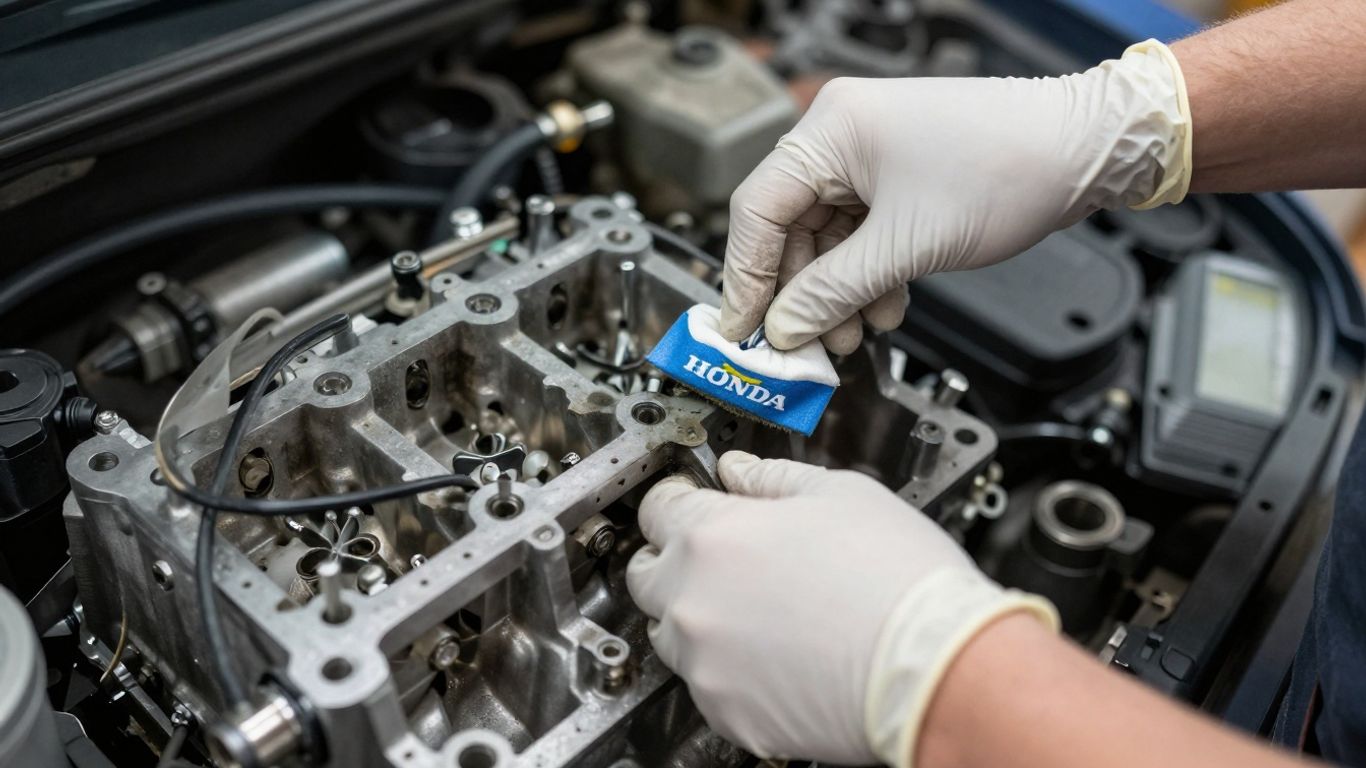
Finding quality components involves vetting your supply chain to ensure the parts you receive haven’t been neglected. Whether you look toward international importers or regional recyclers, checking the seller’s reputation is just as important as the motor itself. Using reliable sources minimizes the risk of receiving a block that requires an immediate, costly rebuild.
Evaluating specialized JDM engine importers
Specialized importers like JDM West Coast handle the logistics of bringing low-mileage blocks directly from overseas. These vendors typically pull motors from cars that reached mandatory service limits, often resulting in units with surprisingly low usage. Their expertise in sourcing specifically from Japan usually ensures you get a clean, functional base for your project.
Pros and cons of local salvage yards
Local salvage yards provide the benefit of seeing a part before you pay for it, which can be an advantage if you are looking for specific hardware or auxiliary components. You may save significantly on shipping costs, but you gamble on the unknown history of how the car was maintained before it arrived at the yard. Always check for signs of neglect, such as oil sludge under the valve cover or rusted cooling passages.
Navigating online marketplaces and private sellers
Online platforms have made it easier than ever to locate rare parts, but they also require a higher level of scrutiny regarding the seller’s claims. When buying from a private party, look for detailed evidence of maintenance, such as receipts for recent timing belt replacements or oil changes. If a deal seems too good to be true, it likely is, especially when dealing with high-demand engine codes.
Why dealer-certified pre-owned blocks are rare
It is incredibly uncommon to find a crate-engine equivalent directly from a service department because dealers focus on complete vehicle sales rather than engine swapping. If a major failure occurs under warranty, they typically handle it through internal warranty claims rather than selling the used block to the public. This makes the aftermarket for used components a marketplace built on private enterprise and independent specialty shops.
Inspecting a used engine before purchase
Even with a solid reputation, you must perform a personal inspection to ensure the hardware is sound. Never assume a motor is ready for duty just because it looks clean on the outside; internal health is where the real value lies. Always approach a purchase with the mindset that thorough inspection saves money later in the assembly process.
Checking for external fluid leaks and seal condition
Look closely at the underside of the block and around the oil pan, as persistent leaks often suggest dried-out seals or gaskets. A small amount of weeping is occasionally normal, but heavy accumulation of oil or coolant residue indicates that you should be prepared for a comprehensive reseal immediately after purchase.
Performing a compression test on a block
Conducting a compression test is the most definitive way to understand the internal health of the rings and valves without opening the engine. If one cylinder shows significantly lower numbers than the others, it often points to a leak in the combustion chamber. This test should ideally be performed while the motor is warm, but a cold test can still provide a useful baseline for overall consistency.
Assessing the condition of the serpentine belt and pulleys
Signs of premature wear on pulleys or cracked belts suggest that the engine was operated in a neglected state. While these items are easy to replace, their condition offers a snapshot of how the previous owner viewed routine service. If the belts are brittle, assume that the internal fluids have likely aged past their useful service life as well.
Interpreting production date stamps and serial numbers
Cross-referencing serial numbers with official databases helps verify the engine’s original model year and regional specification. This information is vital for ensuring the ECU and electrical controls will match the hardware you are installing. Knowing the exact production window allows you to source the correct replacement parts, such as specific sensors or alternator mounting styles that changed during the production cycle.
Verifying compatibility with your Honda chassis
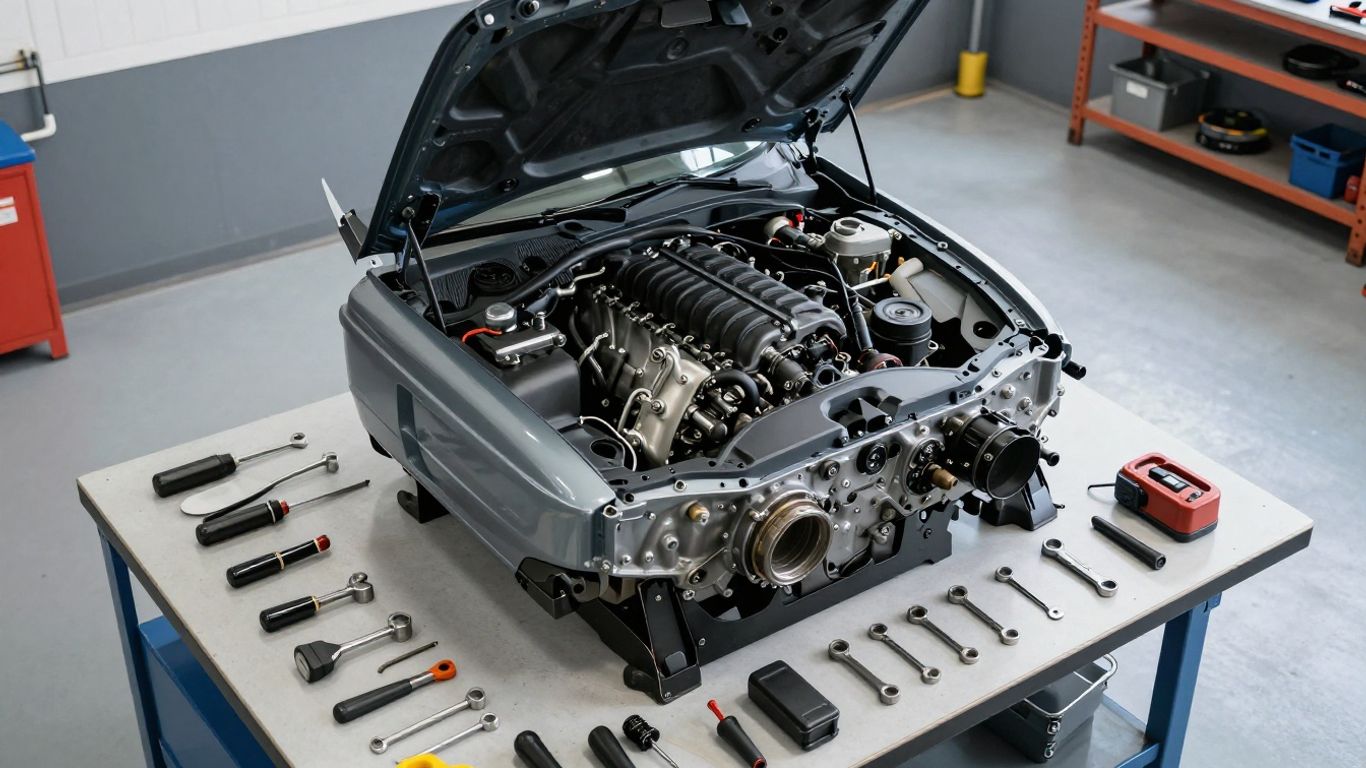
Swapping an engine into a different year or model often presents surprises that are not apparent during the initial planning phase. You must account for physical clearance, mounting points, and electrical integration to ensure the project remains viable. If you overlook these basic requirements, even a perfectly healthy engine will sit unused in your garage.
Matching engine mounting points and subframes
Most engine families within a similar timeline share common mounting geometries, but you will often need custom brackets to complete the fitment into an older chassis. If the mounting points do not align, you might need to swap the entire subframe to ensure the drivetrain sits at the proper angle to prevent vibration and driveline wear. Always use high-quality mounts to transfer power effectively without creating excessive cabin noise.
Wiring harness and ECU requirement differences
Modern fuel injection systems rely on precise sensor data, making the wiring harness the most complex part of any swap. If the engine’s control unit requires a signal from a sensor that your original chassis lacks, you will have to integrate a custom harness or modify existing wiring. This step is critical; without a clear plan for the ECU, the engine will likely enter a protected limp mode or fail to start entirely.
Compatibility between manual and automatic transmission linkages
Moving between transmission types often involves fabricating new shift linkages or converting floor-mounts to accommodate the differences in assembly. The transmission must physically clear the frame rails, and the drive axles may also differ depending on the engine’s orientation. Think of your build as a three-part system where transmission selection is as vital as the block choice for reliable operation.
Clearing space with aftermarket exhaust manifolds
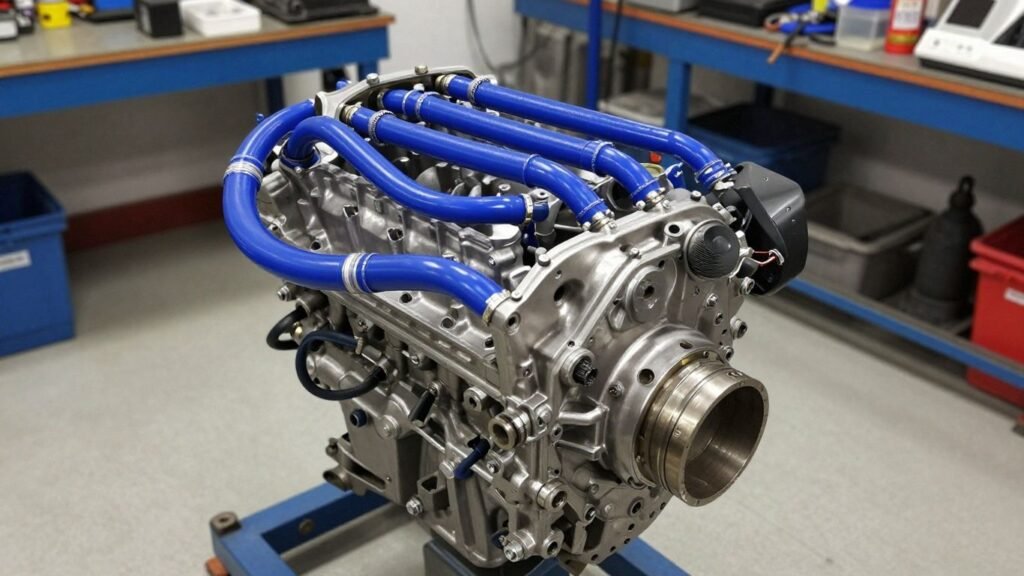
Aftermarket exhaust headers are frequently needed when a stock manifold interferes with the chassis or steering components. These pieces also open up performance potential for the engine to breathe, but you must move slowly to ensure they do not heat-soak nearby fuel lines or electrical components. Careful routing of the exhaust piping keeps the engine bay running cooler and more efficiently.
Preparing for the installation process
Success in an engine swap comes down to preparation and the quality of the tools you keep on your workbench. Once the engine is suspended from a crane, you lose the chance to easily swap out hidden parts, so complete this work while the unit is still accessible. Do not rush this stage, as a proper drop-in saves hours of troubleshooting after the first startup.
Necessary tools for a complete engine swap
Having the right set of gear makes the difference between a smooth weekend job and a week of frustration. You need a reliable engine crane capable of lifting the weight of the assembly and an engine stand to keep the unit stable while you perform maintenance. A comprehensive set of metric sockets, torque wrenches, and a reliable impact driver are non-negotiable for completing this task at home.
Replacing wear items before drop-in (belts, pumps, gaskets)
When a used engine is out of the car, take advantage of the accessibility to refresh all essential maintenance items. These steps are crucial to ensure you don’t have to pull the engine a second time soon after it is installed:
- Install a fresh water pump to prevent cooling failures.
- Apply new gaskets for the valve cover and oil pan.
- Fit a high-quality timing belt if the engine uses one.
- Clean the intake manifold and throttle body.
Managing the lift and engine crane safety
Always ensure the cherry picker is positioned on level ground to avoid any shifting while you are suspended over the engine bay. Use a chain leveler to adjust the tilt of the engine, which allows you to clear the radiator support and transmission tunnel without damaging paint or wiring. Never put your hands or feet between the block and the chassis while it is hanging.
Fluid flush and startup protocols for a new-to-you motor
Before cranking the motor for the first time, prime the oil pump by cranking the starter without firing the ignition to ensure oil pressure reaches the head. Once running, monitor the system for any signs of an initial overheat, which could indicate trapped air in the coolant lines. Following a structured startup sequence helps verify that all new seals are functioning and that the engine is ready for its break-in period.
Best practices for engine longevity after installation
Finalizing the installation is only the first step in the lifecycle of your new motor. Consistent maintenance acts as an insurance policy, ensuring that the performance you expect remains consistent for years. Establishing a relationship with a vehicle care provider like those focusing on Testosterone Replacement Therapy (TRT) or other specialized home services like indoor DIY summer projects helps you manage a busy life while keeping your mechanical projects on track.
Choosing the right synthetic oil and filter for high-mileage engines
Using a full synthetic oil with high-mileage additives can help condition older internal seals and maintain cleanliness within the head. Pair your oil choice with a premium filter that features a high-efficiency media to trap contaminants that gather during the high-friction break-in phase. Consult the service manual to ensure the viscosity meets the manufacturer’s recommended range for the climate you live in.
Monitoring temperature and pressures through the break-in period
During the first few hundred miles, keep a constant watch on your oil pressure and water temperature gauges. A fluctuating gauge provides your first warning of a cooling system blockage or a failing sensor, allowing you to stop the engine before potential damage occurs. Use these initial sessions to verify the baseline steady-state values for the motor.
Scheduling proactive valve adjustments
Valves settle and wear over the first several hundred miles, making a post-installation adjustment necessary to ensure proper fuel efficiency and power. Most older powerplants require a manual valve lash adjustment at specific intervals to operate at peak capacity. Neglecting this maintenance leads to a rough idle and a measurable drop in high-end responsiveness over time.
Addressing recurring cooling system issues
Cooling system health depends on the constant circulation of clean, debris-free fluid through every small passage and heater core. Even a small blockage can create localized hot spots that lead to catastrophic head gasket failure over repeated duty cycles.
If you notice an inconsistent idle while the car is coming up to temperature, investigate the radiator fan and thermostat operation first. Ensuring the base of your cooling system is flush and clear of air pockets keeps your engine from experiencing the uneven thermal stress that characterizes poorly maintained swaps.
Conclusion
Successful execution of a used engine swap relies on diligent sourcing and proactive maintenance of the components involved. By focusing on detailed mechanical inspections, taking the time to verify chassis compatibility, and following rigorous installation protocols, you can confidently turn a used block into a reliable powerhouse for your daily drives or weekend projects. Staying systematic throughout the process protects your investment and ensures that you spend more time on the road enjoying your vehicle’s performance rather than debugging assembly issues in the garage.
Frequently Asked Questions
How many miles is considered too high for a used engine?
While lower mileage is generally preferred, a well-maintained engine with higher mileage can often outperform a neglected unit with fewer miles. Focus on documented service records and current compression test results rather than relying exclusively on the odometer reading.
Should I always replace the timing belt on a used Honda engine?
It is highly recommended to replace the timing belt and water pump immediately before installing the engine. This preventative measure avoids the potential risk of internal engine damage if the belt were to fail shortly after you complete the installation.
What are the main signs of a blown head gasket during testing?
Common indicators include white smoke from the exhaust, persistent overheating, or visible signs of combustion gas bubbles within the radiator reservoir while the engine is running. You may also see oil and coolant mixing, which appears as a milky sludge under the oil filler cap.
Can I swap a manual transmission engine into an automatic car?
Yes, but this typically requires a full conversion kit that includes pedals, master cylinders, and transmission mounts. It is a labor-intensive process that should be planned carefully before purchasing the engine and transmission package.
How do I know if an ECU is compatible with my new engine?
An ECU must be matched to the engine’s sensor array, wiring harness pins, and emission control requirements for your specific OBD system. Mismatched ECUs often prevent the car from starting or result in constant check-engine lights that prevent proper tuning.
What is the most critical fluid to monitor after the first startup?
Oil pressure is the most vital metric because it confirms that the oil pump is successfully circulating lubricant throughout the engine’s internal bearings. If the oil pressure light stays on or indicates low pressure on an aftermarket gauge, turn off the engine immediately.
Where can I find specific torque specs for my engine build?
Factory service manuals or reputable online mechanical databases provide the most accurate torque values for each bolt. It is essential to use a proper torque wrench for every critical fastener on the engine to avoid cross-threading or mechanical failure.