
Key Takeaways
- Recycled timing chains are components salvaged from donor engines, offering a budget-friendly but risky alternative to new parts.
- Evaluating metal fatigue and link elongation is critical, as salvaged chains often suffer from imperceptible wear over years of operation.
- Interference engines face a high risk of catastrophic failure if a recycled timing chain breaks, making rigorous inspection non-negotiable.
- New aftermarket kits typically provide better long-term reliability and clearer warranty protections compared to used salvaged hardware.
- Always measure donor hardware against exact manufacturer tolerances using precision tools, and replace all supporting sprockets and guides simultaneously.
Understanding the nature of recycled timing chains
Defining the difference between remanufactured and salvaged parts
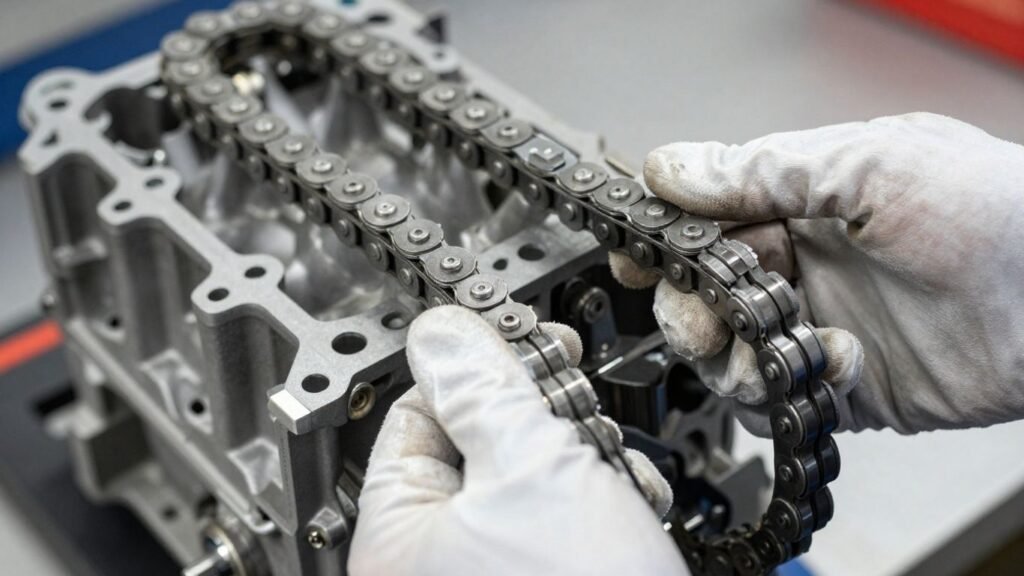
Recycled timing chains obtained from salvage yards often differ significantly from professional remanufactured alternatives. While salvaged components are pulled directly from retired vehicles, remanufacturing involves industrial cleaning, inspection, and potential heat treatment to restore material strength. It is essential to understand that simply cleaning a used part does not return its metallurgical profile to factory specifications, so buyers should review a site’s 14 dagers pengene-tilbake-garanti if they need to return a failed component.
Why the timing chain is a critical load-bearing component
The timing chain acts as the backbone of internal combustion, synchronizing critical engine rotation. It must resist extreme heat and constant cycles of acceleration, which is why engineering firms like BorgWarner develop silent, low-friction chains specifically to manage these high-load environments. The importance of this component is comparable to the precision required for bathroom remodeling in McDonald Chapel, AL, where every measurement ensures the long-term integrity of the installation.
Distinguishing between OEM scrap and aftermarket recycling practices
Scrap parts recovered from typical "pick-your-part" yards lack the rigorous life-cycle testing applied to standardized kits. For owners curious about the history of their vehicle, looking into the LS engine timing systems can reveal why modern design trends favor high-strength materials over legacy configurations. While some hobbyists look for pre-stretched chains to save time, professional standards prioritize parts manufactured for specific load-bearing requirements.
Assessing the mechanical integrity of salvaged chains
Detecting signs of metal fatigue and hairline fractures
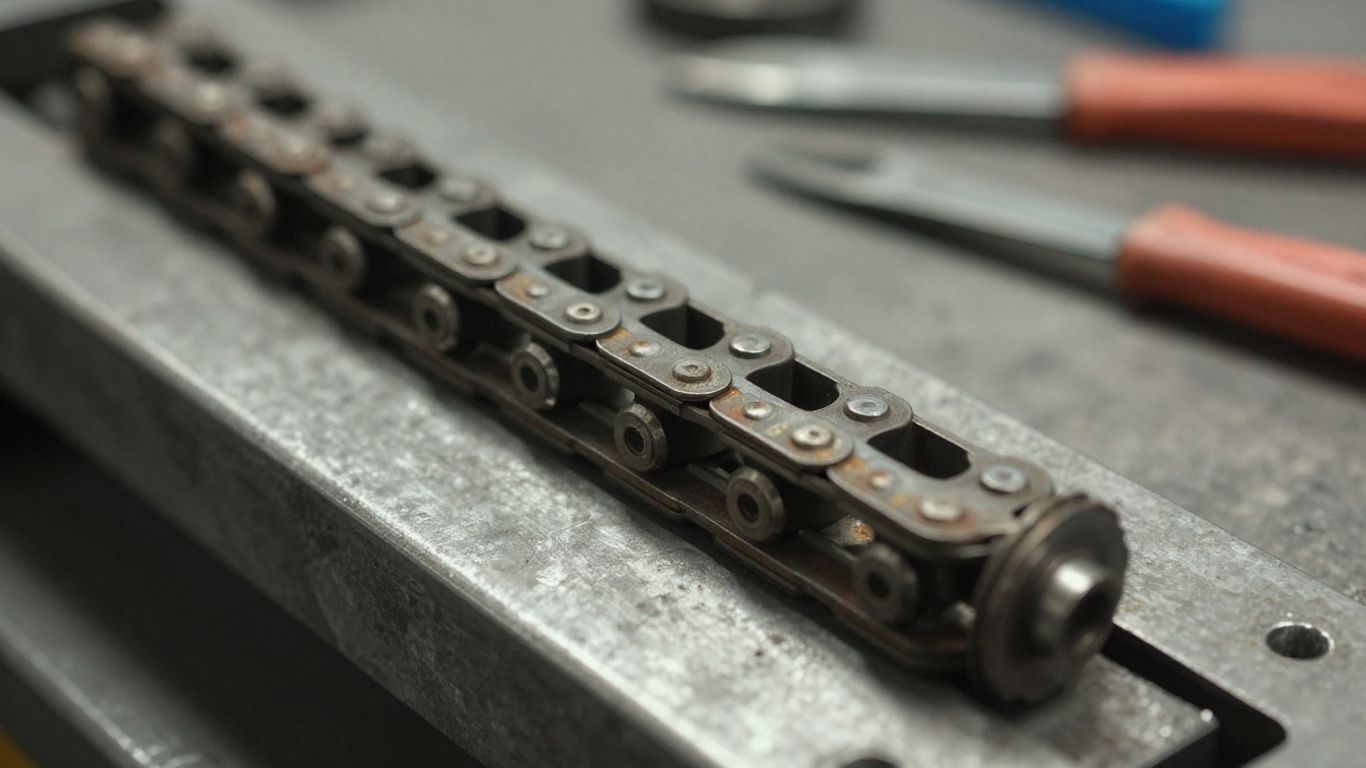
Visual inspection serves as the first line of defense against choosing a faulty component. Technicians examine the pins for scoring and the side plates for signs of stress, as these areas often hide micro-cracks before they propagate into major failures. Even if a chain looks clean, it might have been subjected to improper lubrication, similar to how refrigerator repair services identify failures in compressors that show no external damage.
Evaluating link wear and elongation patterns
Over time, metal links inevitably stretch, compromising the timing of the engine. A systematic evaluation helps quantify this stretch against the original design. Below is a comparison of what to expect when inspecting various conditions of timing hardware.
| Condition | Wear Level | Recommended Action |
|---|---|---|
| Low Miles | Minimal | Clean and Re-lubricate |
| Moderate | Visible elongation | Consult Tolerance Specs |
| High Miles | Excessive stretch | Discard/Replace |
After documenting the physical state of the hardware, it is vital to apply these metrics to the specific engine model, noting that a 2010 Buick LaCrosse CXL might have unique wear patterns compared to smaller four-cylinder engines.
Analyzing material integrity through visual microscopic inspection
When you need to be certain about the structural performance, using magnification helps identify subtle surface pitting. This is a common practice when evaluating the quality of ACDelco replacement kits, which are designed to incorporate the latest product updates and TSBs. Simply checking for visible rust is often insufficient, as internal friction can lead to premature metal fatigue failure long before external signs become apparent to the naked eye.
The risks of using pre-owned timing chain sets
Potential for catastrophic interference engine failure
In an interference engine, the pistons and valves share the same space at different times. If a salvaged timing chain snaps due to past fatigue, the resulting impact between pistons and open valves often destroys the cylinder head. While some might suggest that repair costs are manageable, professional help — much like that found through True Appliance Repair — is often discouraged for such critical engine components.
Challenges in verifying the service life and exact mileage
One of the biggest hurdles is the inability to track a donor engine’s maintenance history. You rarely know how often the previous owner changed the oil or if they drove primarily in stop-and-go traffic. Sometimes, your engine might even require inspection for pests or damage similar to assessments performed by rodent control professionals who look for hidden entry points in dark, neglected spaces.
Hidden damage resulting from poor maintenance and oil sludge
Sludge is the silent killer of timing components. It clogs small oil passages that feed the tensioners, leading to a chain that runs dry or loose. To mitigate such risks, consider the following checklist before deciding to reuse any component salvaged from an old block:
- Inspect tensioner guide wear for deep grooves or plastic brittle failure.
- Soak the assembly in high-grade solvent to dissolve all traces of hardened oil.
- Check chain links for any lateral play that indicates pin wear.
- Perform a final tension test after installation but before engine startup.
This methodical approach ensures that even if you choose salvaged parts, you are not skipping the essential cleanup steps that keep the engine running smoothly.
Comparative analysis: recycled versus aftermarket kits
Cost comparison versus long-term vehicle reliability
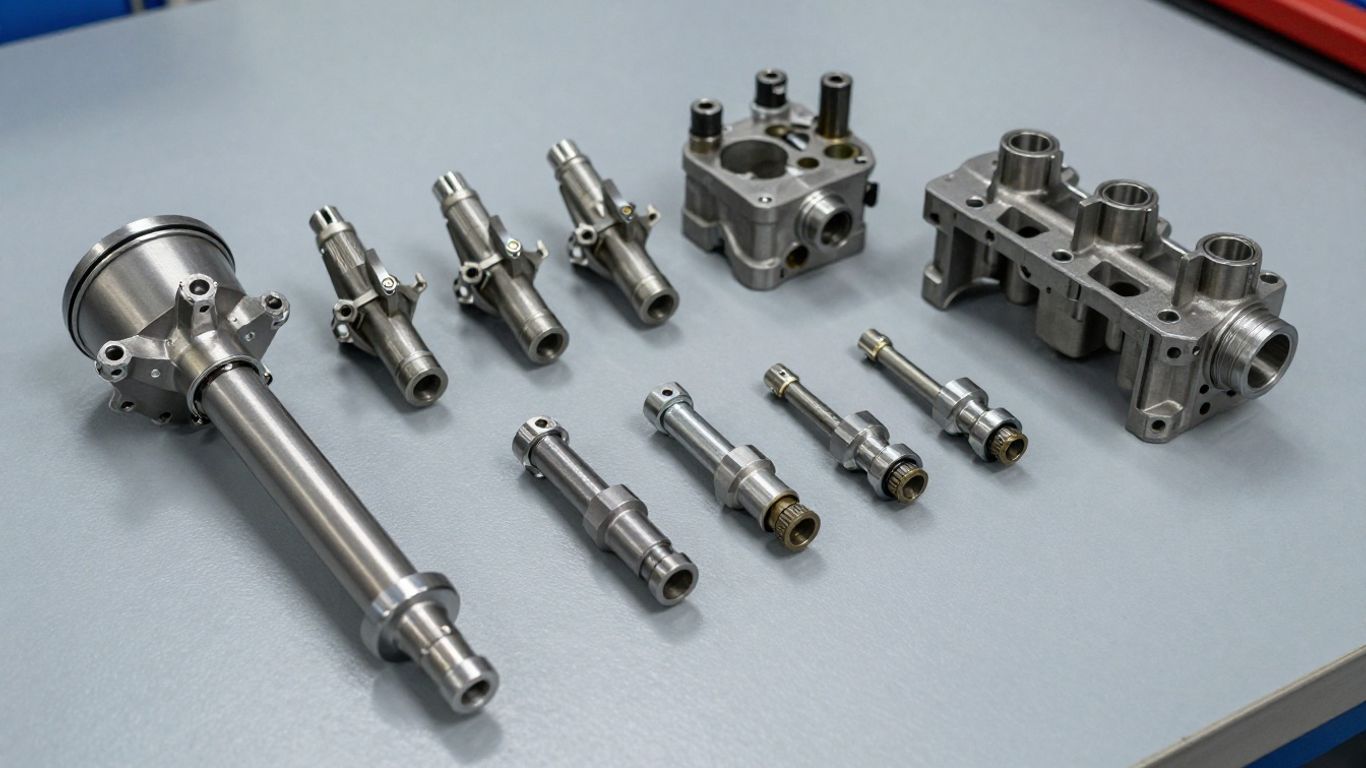
Buying used parts is clearly cheaper upfront, but it often ignores the hidden long-term costs of potential re-teardowns. An engine is a significant investment, and while saving a few hundred dollars today feels wise, the failure of a salvaged chain usually leads to a much more expensive repair bill. It is usually best to compare the immediate gain against the risk of the entire engine block being ruined.
Supply chain availability for classic and discontinued engines
Sometimes, finding new parts for rare engines is difficult. In these instances, you might have no choice but to source salvaged components or pursue specialized fabrication. Using a donor chain is then an act of necessity rather than a cost-saving measure, provided the donor part has verified, low-mileage documentation.
Comparing warranty protections for new versus used components
New factory-backed components come with warranties that provide peace of mind. Used parts, conversely, are almost always sold as-is. If you decide to go with used parts, ensure you have a clear plan for testing before final assembly. Always consider whether the time spent hunting for a donor part is actually worth more than the warranty coverage offered by new, off-the-shelf kits.
Preparation and verification for installing donor components
Cleaning and degreasing salvaged timing assemblies
Before installation, every link must be free of debris. Use an industrial-strength degreaser to ensure that internal bores inside the pins are clear of old, caked-on oil. Leaving old sludge inside the chain leads to improper surface lubrication immediately upon starting the engine, which can lead to quick failure.
Measuring chain stretch against manufacturer tolerance levels
Using high-precision calipers, measure the distance between specific pin intervals. Compare this directly to the values found in your engine’s service manual. Most manufacturers define an exact millimetric limit for stretch; exceeding this even slightly mandates that you discard the chain immediately rather than attempting a risky installation.
Compatibility verification with existing sprockets and guides
A used chain develops a specific wear pattern that matches the teeth of its original sprockets. Placing an old chain on new sprockets, or vice versa, causes accelerated wear due to mismatched tooth pitches. Always treat the chain and sprockets as an inseparable pair, or replace all elements simultaneously to ensure the assembly functions as one unified system.
When to avoid recycled timing parts entirely
High-performance engines with demanding stress profiles
Engines designed for high torque and high rpm put immense stress on timing hardware. If you are operating a performance-modified engine, avoid any salvaged hardware. The safety margin on these engines is very thin, and the risk of a failure during high-stress operation is far too great to justify the minimal savings gained from recycled parts.
Engines documented for systemic timing component failure
Some engines are notorious for their timing chain tensioner failures. Following technical bulletins for these specific models is essential. If your engine is on a list of models with known timing flaws, adding a used chain to the system is essentially guaranteeing future repair needs.
Situations where labor costs exceed the value of the part savings
Installing a timing chain is labor-intensive. If your mechanic quotes you twelve hours of labor, the cost of parts becomes secondary to the labor cost. It rarely makes sense to risk having to pay for that labor twice because a salvage part failed shortly after installation. It is better to use high-quality new components to ensure that the initial repair is the only one you have to perform.
Conclusion
Navigating the world of recycled timing components requires a careful balance of mechanical vigilance and long-term planning. While salvage yards offer a tempting path for immediate savings, the inherent risks to the longevity of your engine cannot be ignored, especially when dealing with critical synchronization components. By adhering to rigorous inspection protocols and prioritizing new hardware for high-load applications, you ensure that your engine remains a reliable tool rather than a constant maintenance burden.
Frequently Asked Questions
Is it safe to use a used timing chain from a low-mileage engine?
While low-mileage donor parts are superior to those from high-mileage engines, they still carry risks related to age, sitting for long periods, and the initial lack of maintenance documentation. Safety depends on your ability to inspect the chain for microscopic wear and stretch before installation.
What are the main signs that a timing chain is failing?
Common indicators include a rattling or whining noise originating from the front of the engine, particularly at idle, along with a check engine light that triggers fault codes related to timing correlation or cam-crank synchronization issues.
Can I reuse the tensioners when installing a used timing chain?
It is never recommended to reuse tensioners. These components often contain pressurized seals and fine ratcheting mechanisms that wear out or lose oil-holding capacity over time, and they are critical for maintaining the proper tension that prevents the chain from skipping teeth.
What tools do I need to measure chain stretch accurately?
To measure stretch correctly, you need a set of precision vernier calipers capable of measuring the distance between individual pins over a set length defined by your engine’s factory service manual.
How does oil sludge affect the life of a timing chain?
Sludge blocks the galleries that feed oil to the chain and tensioners, which creates metal-on-metal friction. This accelerates wear on the pins and links while also causing the tensioners to fail, leading to dramatic chain slack.
Does a longer chain always mean it is worn out?
Chain length increases as the pins and bushings inside each link wear away over repeated revolutions. This elongation is the primary indicator of wear, meaning a longer chain is indeed a compromised chain that can no longer maintain accurate valve timing.
Are all timing chains equally durable?
Durability varies significantly based on material quality, the design of the link pins, and the thickness of the overall assembly. Different engine architectures place different physical demands on the chain, which is why replacement parts must always meet the original engineering specifications for that specific engine series.