
Key Takeaways
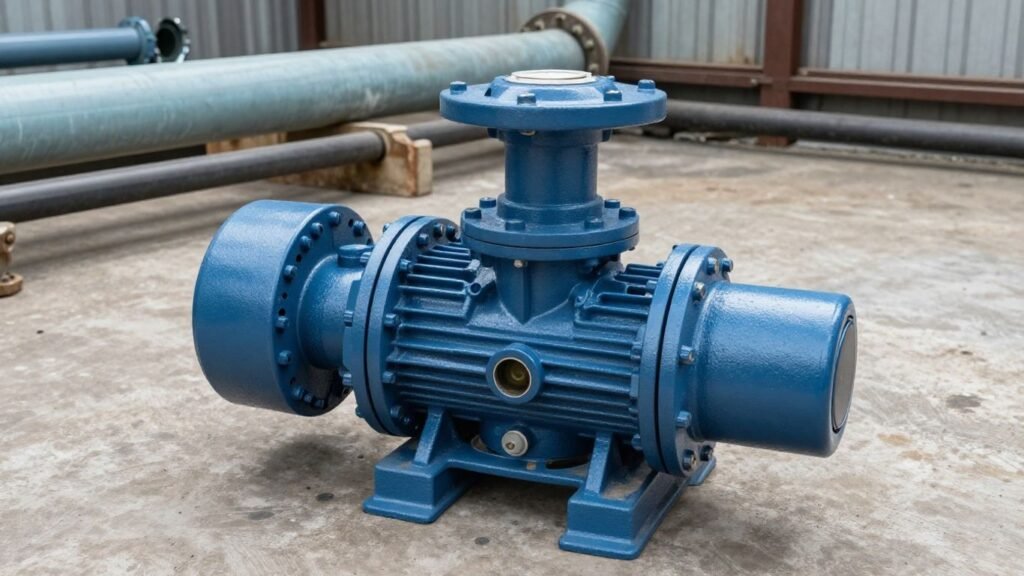
Investing in pre-owned pumping equipment can offer significant cost savings if you understand the risks and perform thorough evaluations. This guide covers how to inspect, test, and maintain equipment to ensure long-term reliability.
- Prioritize understanding the specific pump classification for your intended workload.
- Perform a multi-point physical inspection to identify structural vulnerabilities before committing to a purchase.
- Strictly verify electrical compatibility to prevent motor burnout and safety hazards.
- Use controlled testing protocols to confirm hydraulic output against your system requirements.
- Plan for immediate post-purchase maintenance to refresh seals and lubricants for optimal longevity.
Types of water pumps to consider
Selecting the right machinery begins with identifying the category that suits your site layout and fluid goals. Experienced buyers recognize that hardware meant for agricultural irrigation often requires different maintenance protocols than those used in residential settings.
Submersible pumps for deep well applications
These units are crafted to operate entirely underwater, making them essential for drawing water from deep aquifers. You should ensure the casing integrity is sound, as internal moisture ingress is fatal to the motor electronics. It is similar to how you would approach Finde den besten BU Versicherung Tarif to protect your infrastructure investment, given the high cost of borehole repair.
Surface centrifugal pumps for irrigation and transfer
Often used for moving large volumes of water, these units rely on a rotating impeller to create velocity. Experienced users often look for ACE Pumps models due to their established capability for efficient water transfer in irrigation scenarios. Always verify that the intake is free of cavitation risks before committing to the purchase.
Booster pumps for residential pressure enhancement
These compact systems are designed to elevate domestic water pressure. Brands like SHURflo offer models with a reputation for consistent low-flow output, which makes them ideal for residential setups. Ensure the suction line is perfectly airtight, as any minor leak will dramatically lower the overall effectiveness of your household pressure system.
Diaphragm pumps for low-flow or chemical duty
When your project demands precise chemical handling or low-flow performance, diaphragm-based designs are often the preferred choice. High-quality manufacturers like Banjo produce units capable of handling varied chemical additives reliably. Inspect the rubber membranes carefully, as these components carry the heaviest workload within the system.
Assessing the physical condition of the pump
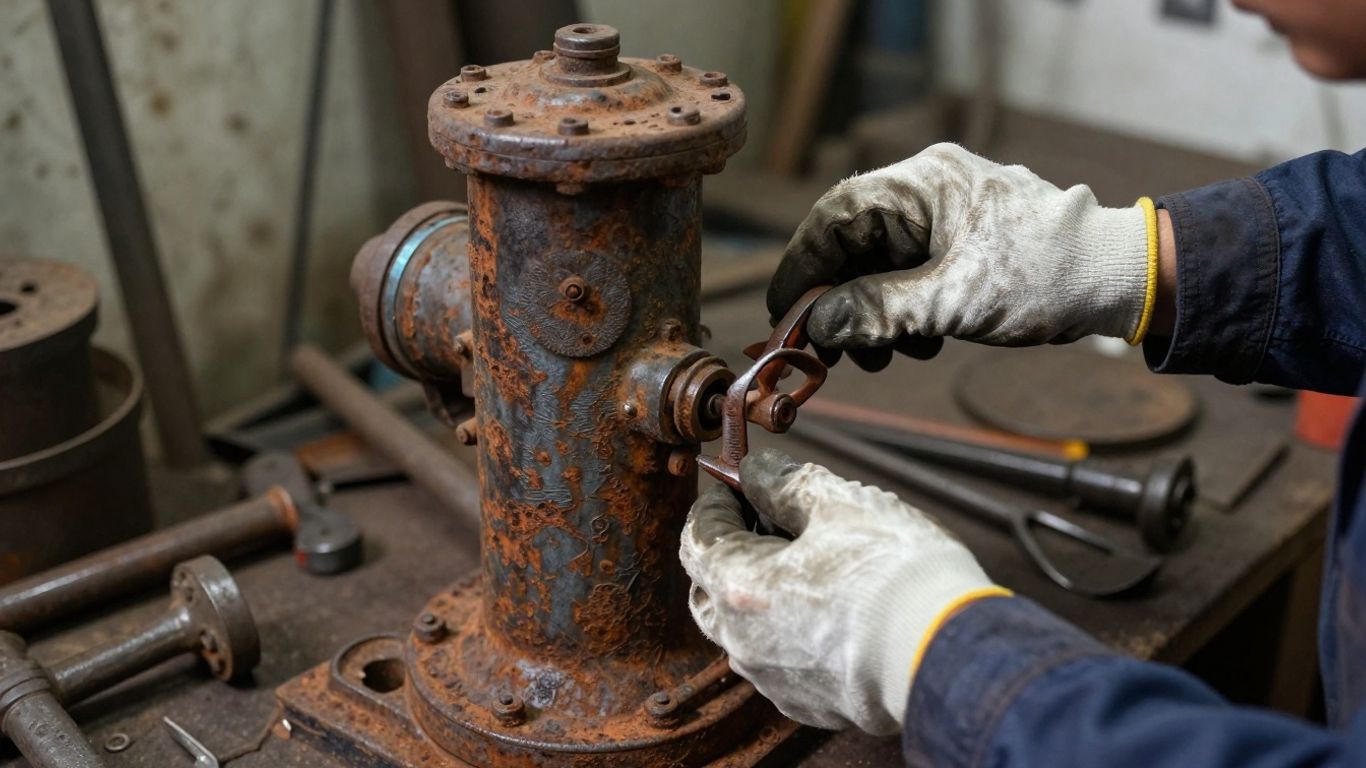
Visual inspection provides the first layer of defense against acquiring a sub-par piece of equipment. You must examine every external surface carefully, looking for signs of abuse or neglect that might not be obvious at first glance.
Checking housings for stress cracks and structural damage
Foundational cracks are often impossible to repair permanently in cast iron or plastic housings. When inspecting, look for hairline fractures near the mounting flanges which take the most vibration stress during operation. If you are comparing used water pumps for sale online, always request high-resolution photos of these specific stress points.
Inspecting seals and gaskets for premature degradation
Seals are the silent workhorses of any fluid system, and they often fail simply due to age rather than excessive use. If a unit has been sitting in storage, the rubber may have become brittle or cracked. We recommend creating an audit table to track the condition of these components before you finalize any acquisition.
| Component | Condition Notes | Replacement Status |
|---|---|---|
| Static Gaskets | Verify for brittle surfaces | Inspect Weekly |
| Mechanical Seals | Look for weeping remnants | Priority Replace |
| Intake O-rings | Check for dry rot | Check Condition |
Evaluating the state of the internal impeller
Since the impeller is responsible for moving the fluid, even minor damage to its vanes can destroy pump efficiency. If possible, remove an inspection port to observe the vanes for erosion or bent edges. If the vanes are thin or porous, the unit will likely underperform during heavy-load cycles.
Analyzing the motor casing for signs of excessive heat damage
Discoloration or scorched paint on the motor exterior is a tell-tale sign of previous electrical overloads. This physical evidence often suggests that the motor is prone to running too hot, regardless of the cause. Avoid these units if you need equipment that performs reliably for long, continuous hours.
Electrical performance and safety testing
Testing the electrical heart of the device is essential for both functionality and user safety. Never assume a motor is functional simply because it powers on, as internal issues can lead to catastrophic failures under load.
Measuring insulation resistance to detect winding faults
Using a megohmmeter, you can quickly determine if the motor windings have lost insulation, which would indicate a high risk of short-circuiting. This is a crucial step for any professional buyer, just as evaluating distressed property sellers requires a deep dive into financial records to ensure no hidden liabilities are present.
Verifying current draw against manufacturer specifications
Measure the amperage while the pump acts on a resistance load and compare it to the data plate. If the draw is significantly higher than the rated value, it implies internal friction or a failing motor rotor. Consistent over-draw is a primary cause of early system shutdown during busy usage seasons.
Investigating signs of previous motor winding rewinds
Rewound motors can work well, but only if the job was performed by a qualified shop with the correct wire gauge. Inspect the housing for signs that it has been previously opened, such as mismatched screws or fresh sealant. A poorly rewound unit will experience premature thermal breakdown under typical stress.
Confirming phase and voltage compatibility with your property
Many high-capacity pumps are industrial-grade and wired for three-phase power, which is not standard in many residential or small-business settings. Attempting to convert these is expensive and can void safety standards. Verification of the voltage is mandatory before you attempt to plug any device into your local grid.
Hydraulic performance verification
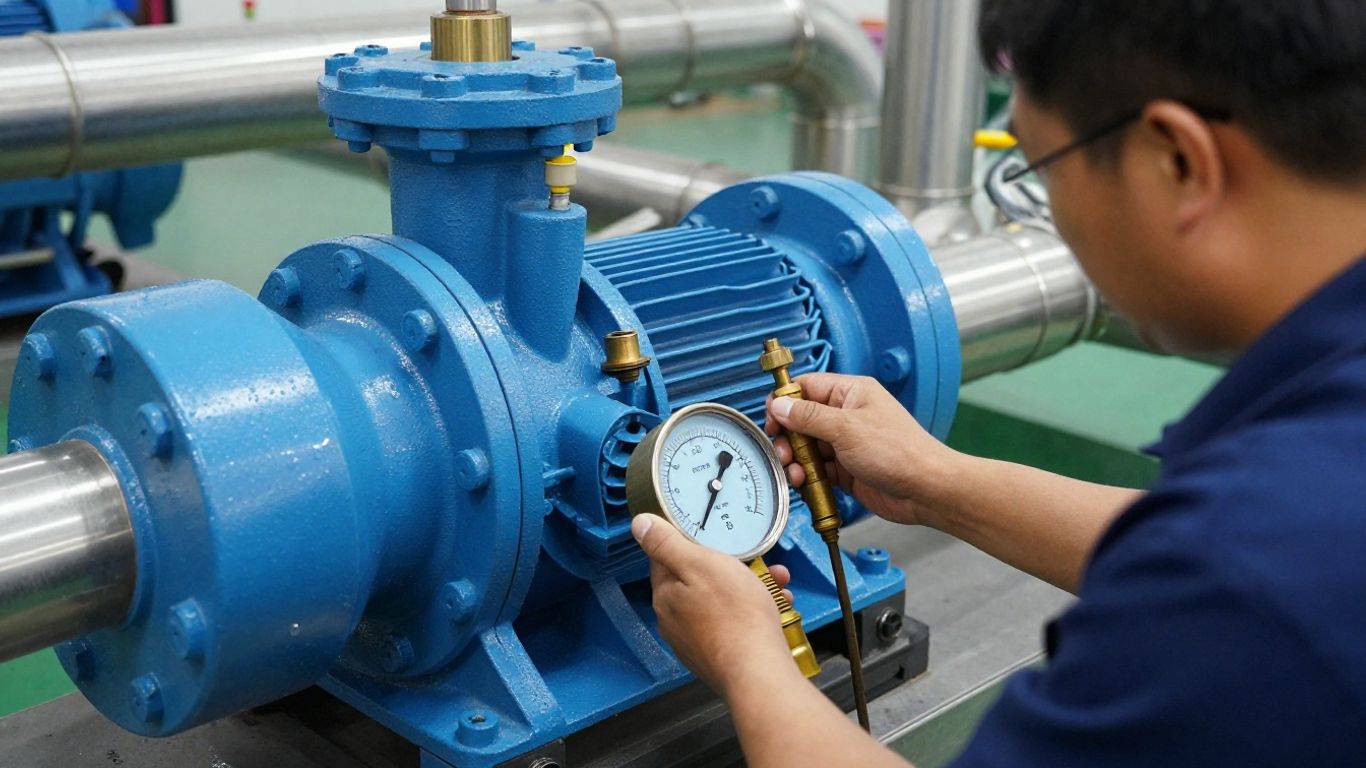
Once the machine is physically sound and electrically safe, you must test its ability to move fluid. Proper hydraulic staging ensures your system performs to your specific dynamic requirements.
Interpreting the flow rate against total dynamic head requirements
Calculate your total dynamic head, which includes elevation changes and pipe friction, and compare it against the product curves provided by manufacturers. If the pump cannot maintain efficient flow at your required pressure, it is the wrong unit regardless of its physical condition. Finding used water pumps for sale from industrial sources often requires this level of analytical checking.
Testing pressure output stability during continuous runtime
Stability is key to irrigation or booster performance. A reliable pump should maintain a steady pressure reading throughout its operational window. To verify this, consider watching the performance via these systematic steps:
- Prime the system with clear, debris-free water to prevent initial pump strain.
- Observe the needle on your pressure gauge for at least fifteen minutes of constant operation.
- Monitor the water temperature discharge to identify potential cooling issues.
- Close the discharge valve partially to observe the response of the internal pressure regulator.
This method allows you to identify minor fluctuations before they manifest into major system leaks.
Identifying symptoms of cavitation during priming
Cavitation sounds like gravel rattling inside the pump chamber and indicates that air pressure bubbles are collapsing against the impeller. This phenomenon causes rapid cavitation pitting and structural decay. If you hear this during priming, stop the pump immediately and check for air leaks in the suction lines or inlet gaskets.
Monitoring for noise or vibration indicating bearing fatigue
A slight humming is normal, but growling or heavy vibration suggests the bearings are nearing the end of their service life. Bearings in these systems work at high RPMs, and once they start to fail, they will quickly destroy the internal housing. Use a vibration sensor or even careful physical contact to feel for harsh pulsations during high-load tests.
Where to find reliable used pumps
Knowing where to search is as important as knowing what to look for. You want to source your units from environments where maintenance logs are prioritized by the previous owners.
Evaluating equipment from industrial liquidation auctions
Industrial auctions often feature high-end equipment that has been maintained according to strict schedules. While the price can be competitive, you have the advantage of accessing professional-grade machinery that was replaced simply due to a plant upgrade or closure. Treat these listings as you would when researching rating engine software to handle complex, automated billing and data rules efficiently.
Sourcing decommissioned units from agricultural sites
Agricultural farms frequently rotate their pumping equipment to match current irrigation demand. You can often find well-cared-for pumps from these sites, especially those used for seasonal water transport. These units generally require a good flush but are often structurally superior to construction site alternatives.
Purchasing certified refurbished pumps from specialist dealers
Dealers who specialize in pump refurbishment provide an extra layer of security. They have often already replaced the seals and verified the motor performance, providing a warranty that protects you from initial failure. While these cost more, they eliminate much of the risk associated with private party sales.
Navigating direct sales from local contractors and owners
Direct sales represent a good opportunity to observe the pump in its actual operating environment. If you are buying a pool pump or irrigation unit, seeing it run on site gives you the best indication of its real-world performance. It is worth investigating this path just as you would look into Gold Coast holiday homes for your next vacation, ensuring all amenities are genuinely functional before you commit.
Essential maintenance after purchase
Regardless of how good the pump looked during testing, you must perform a routine refresh before placing it into critical service. Think of this as a preventive measure to ensure you do not experience early downtime.
Replacing worn mechanical seals and O-rings
Even if they look fine, swapping these out is cheap insurance. Old rubber creates small leaks that can contaminate the motor or lubrication chamber, leading to long-term issues that are much more expensive to fix later.
Flushing internal chambers to remove silt and debris
Silt is abrasive and will eat away at the impeller vanes over time. Use clean water to flush the entire system, ensuring that any residual debris from the previous owner’s site is removed before it has a chance to settle into the seals.
Inspecting and re-lubricating high-speed bearings
Bearing fatigue is a major cause of failure in older machines. If the bearings appear dry or show signs of metallic dust, replace them with high-temperature, sealed units to ensure your pump lasts for several more seasons of continuous operation.
Performing a post-installation system calibration check
After installation, monitor the amperage and pressure one final time while connected at your site. A calibration look-over ensures that the flow rate is correctly balanced with the needs of your local plumbing or irrigation lines, preventing over-pressurization.
Conclusion
Buying second hand water pumps is a rewarding way to manage your utility infrastructure costs as long as you prioritize a thorough technical inspection process. By verifying the physical state, electrical safety, and hydraulic capabilities through careful testing, you secure high-performing equipment that stands the test of time. With proper maintenance routines and a keen eye for detail, you will find professional-grade solutions that meet your needs without the premium price of new inventory.
Frequently Asked Questions
What are the main signs that a pump is at the end of its lifespan?
Signs of failure include excessive vibration, grinding metallic sounds often caused by bearing failure, inability to hold pressure, and visible leaking around the main mechanical seals.
Why does the motor draw too much electricity during performance testing?
High current draw usually indicates internal friction, bearing issues, or a failing motor winding that is no longer operating within the design specifications.
Is it possible to fix a cracked pump housing?
While some external cracks can be patched in non-structural areas, cracks in the main volute or flange usually compromise the integrity of the unit and make it prone to burst failure under pressure.
Should I avoid pumps that have been sitting unused for years?
Long periods of inactivity can cause seals to degrade, internal components to rust, and lubricant to set, so these pumps typically require a full teardown and rebuild before being used.
How can I make sure I am buying a pump with the right flow rate?
Match the technical data plate specifications to your site’s calculated total dynamic head and desired volume output requirements found in your irrigation or plumbing plan.
Are industrial pumps better than residential models?
Industrial pumps are generally built for higher durability and longer continuous runtimes, but they often require specialized power supplies and professional installation which may not be compatible with standard home outlets.
What should I check immediately after installing a used pump?
Monitor the amperage and pressure for the first hour of operation to ensure the unit does not overheat or leak under normal system loads.