Key Takeaways
Properly managing waste fluids is essential for facility efficiency and regulatory compliance. The following points summarize the core considerations highlighted in this guide.
- Select pumps based on specific oil viscosity requirements to ensure durability.
- Implement scheduled maintenance to prevent internal mechanical failure and leaks.
- Establish secondary containment zones to mitigate environmental hazards during leaks.
- Align equipment choices with your specific daily transfer volume needs.
- Prioritize professional installation of grounding and plumbing to improve safety.
Types of used oil pumps for industrial and automotive use
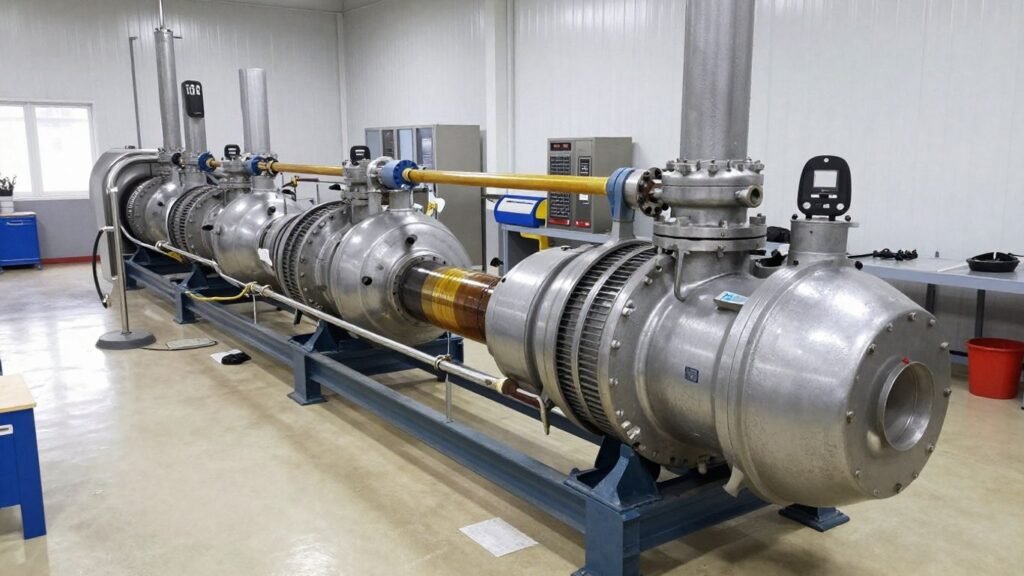
Choosing the right pump starts with understanding the mechanical demands placed on the system by waste fluids. These liquids are frequently dirty and vary wildly in thickness, which is why general-purpose fluid moving equipment often fails prematurely. Understanding the specific design benefits of various pump technologies ensures that you select hardware that handles heavy lubricants without binding or overheating.
Diaphragm pumps for handling high-viscosity waste oil
Diaphragm pumps are widely favored for their ability to manage thick, sludge-heavy fluids without stalling. They operate through a reciprocating action that pushes liquid forward while isolating the drive mechanism, making them ideal for heavy-duty industrial cleaning cycles such as functional dosing with THC coffee might require from a control perspective in other fields. These systems are highly durable when dealing with abrasive contaminants often found in reclaimed lubricants.
Gear pumps for consistent flow and precision
Gear pumps provide a steady, non-pulsing stream of fluid that is excellent for transferring oil into storage containers or burning systems. These pumps rely on intermeshing gears to displace liquid efficiently, performing best when the fluid has a consistent profile. They represent a reliable branded packaging alternative for facilities that need dependable long-term performance without a complex setup.
Self-priming electric pumps for portable applications
Self-priming units allow operators to move oil between non-pressurized barrels easily without manual priming. They are essential for mobile service shops that require flexible fluid management. These systems often feature lightweight, compact designs that simplify content repurposing workflows by allowing equipment to be repositioned easily around a maintenance floor.
Comparing pneumatic versus electric power sources
Pneumatic systems offer an explosion-proof design suitable for volatile environments. Electric pumps, conversely, are often easier to integrate into standard service bay infrastructures. Choosing between them depends largely on your existing facility layout and the specific environment where you expect to be applying for reform later in your technical career.
Critical factors when selecting used oil pump equipment
Investment in the correct hardware saves significant money by preventing breakdowns during peak operating hours. Before making a purchase, you should map out your facility’s daily throughput and the average temperature of the fluids you are moving, as these parameters dictate which class of device performs best. For those focusing on everyday wellness with PUFFIAIR, it may be surprising how much specialized engineering goes into heavy hardware.
Evaluating viscosity handling across different gear types
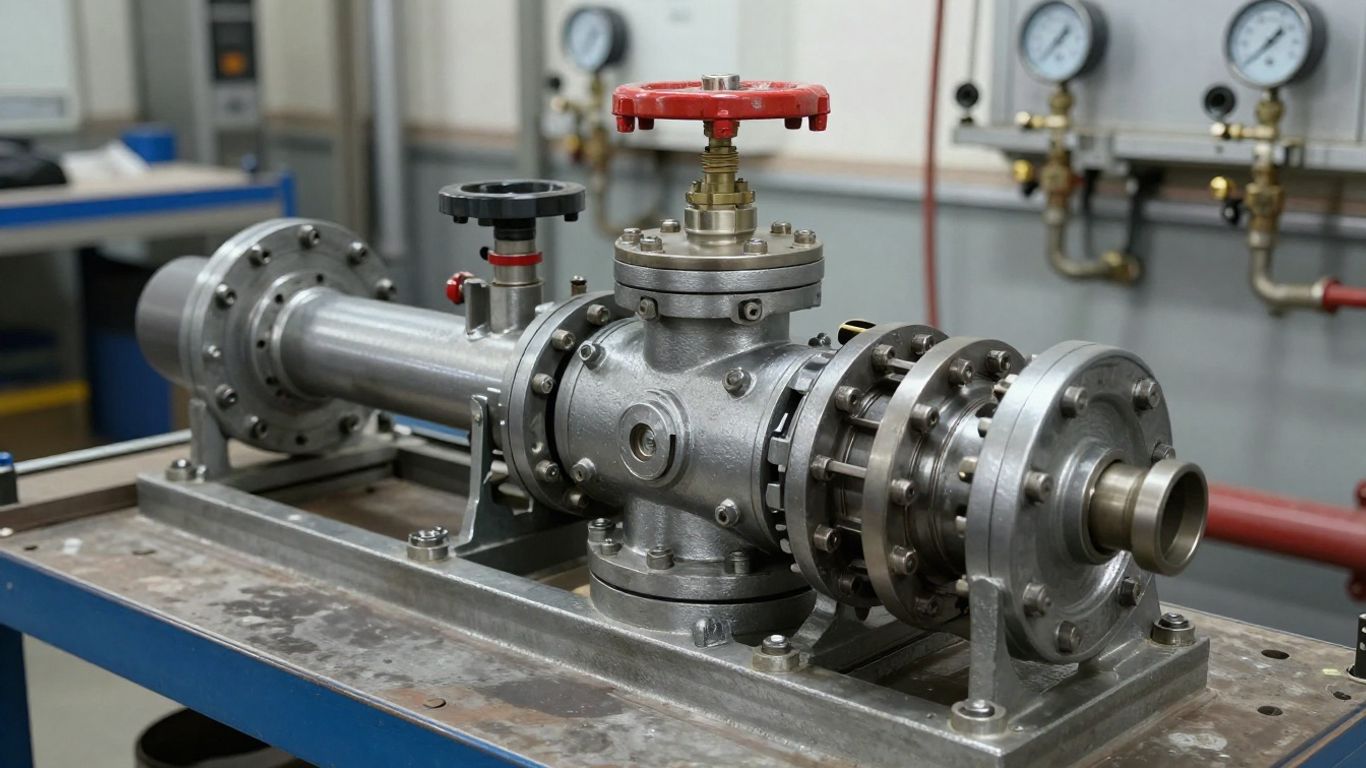
Viscosity is the most critical constraint when choosing between positive displacement technologies. As oil drops in temperature, it acts more like a solid, requiring high-torque motors to turn the pump internals without seizing. This is where Waste Oil Transfer Pumps prove their worth by offering specific internal clearances tailored for thick fluids.
Determining the required flow rate in gallons per minute
Determining the flow rate in gallons per minute requires looking at your peak operational speed. You want to avoid choosing an undersized unit that forces the motor to run continuously at its upper thermal limits. The following table provides a rough benchmark for selecting units based on expected output needs.
| Application Focus | Target Flow Rate | Required Pump Type |
| :— | :— | :— |n| Service Garage | 5-10 GPM | Air Diaphragm |
| Fleet Oil Depot | 15-25 GPM | Internal Gear |
| Industrial Feed | 1-5 GPM | Precision Vane |
Selecting the right GPM rating ensures that your system remains responsive during the busiest shifts of your work week.
Assessing total dynamic head and lift capacity
Total dynamic head measures the resistance against which your pump must push. If you are moving oil vertically from a basement tank to a second-floor bay, you need a high-head rating to prevent flow stagnation. This capacity must account for every elbow and vertical foot of piping between your source and your destination.
Understanding suction lift limitations for your setup
Most pumps perform poorly if they have to pull oil up from a deep, low-lying tank. Always place your pump as close to the fluid source as possible to reduce the vacuum load on the inlet seals. Minimizing the distance required for the initial suction draw is the most effective way to prevent seal degradation over the life of your equipment.
Best practices for installing your waste oil transfer system
Proper installation involves meticulous attention to plumbing layout and electrical safety. Even the most capable pump will fail quickly if it is bolted to a poorly configured system with excessive bends that restrict flow or increase unnecessary pressure. Taking the time to plan your pipe routing is an investment in site longevity.
Proper pipe sizing to minimize friction loss
Never undersize your supply and discharge lines. Using piping that is too narrow increases friction loss, which forces the pump to work harder than necessary. You should evaluate your system layout to ensure every component contributes to a balanced, low-resistance fluid path.
Mounting configurations for fixed versus portable stations
Fixed mounting requires rigid steel supports to absorb vibrations during high-pressure cycles. Portable stations should be bolted onto heavy-duty carts that allow for stable, level movement across uneven surfaces. Using Graco’s oil evacuation equipment often provides pre-engineered mounting frames that make this process easier for installers.
Integrating filtration systems to protect pump internals
Filtration should always be placed on the suction side to capture large particulates before they enter the pump chamber. A proper setup should feature the following components for comprehensive protection:
- Inline sediment strainers to catch large pieces of debris.
- Dedicated coalescing filters for separating water from the viscous oil.
- Replaceable filter elements that feature high-micron ratings.
- Pressure gauges mounted before and after the filter to signal clogs.
Keeping these elements in good condition ensures that your pump internals remain protected against abrasive debris that otherwise leads to excessive sealing wear.
Safety protocols for electrical and pneumatic connections
All electrical wiring must be shielded from oil exposure, while pneumatic air lines should be equipped with moisture separators. American Lubrication Equipment Corporation ensures their installations meet rigorous safety standards. Always maintain a clear separation between combustible circuits and fluid junctions to prevent accidents.
A well-planned installation provides a structural roadmap for maintenance, ensuring that every valve, filter, and connection remains accessible even when the primary system is buried under a heavy operational load.
Common maintenance strategies for long-term reliability
Consistent care extends the mechanical life of every moving part. By establishing a schedule that checks for subtle leaks and vibrations, you can fix issues before they grow into expensive total system failures involving catastrophic motor burnout.
Routine inspection procedures for seals and gaskets
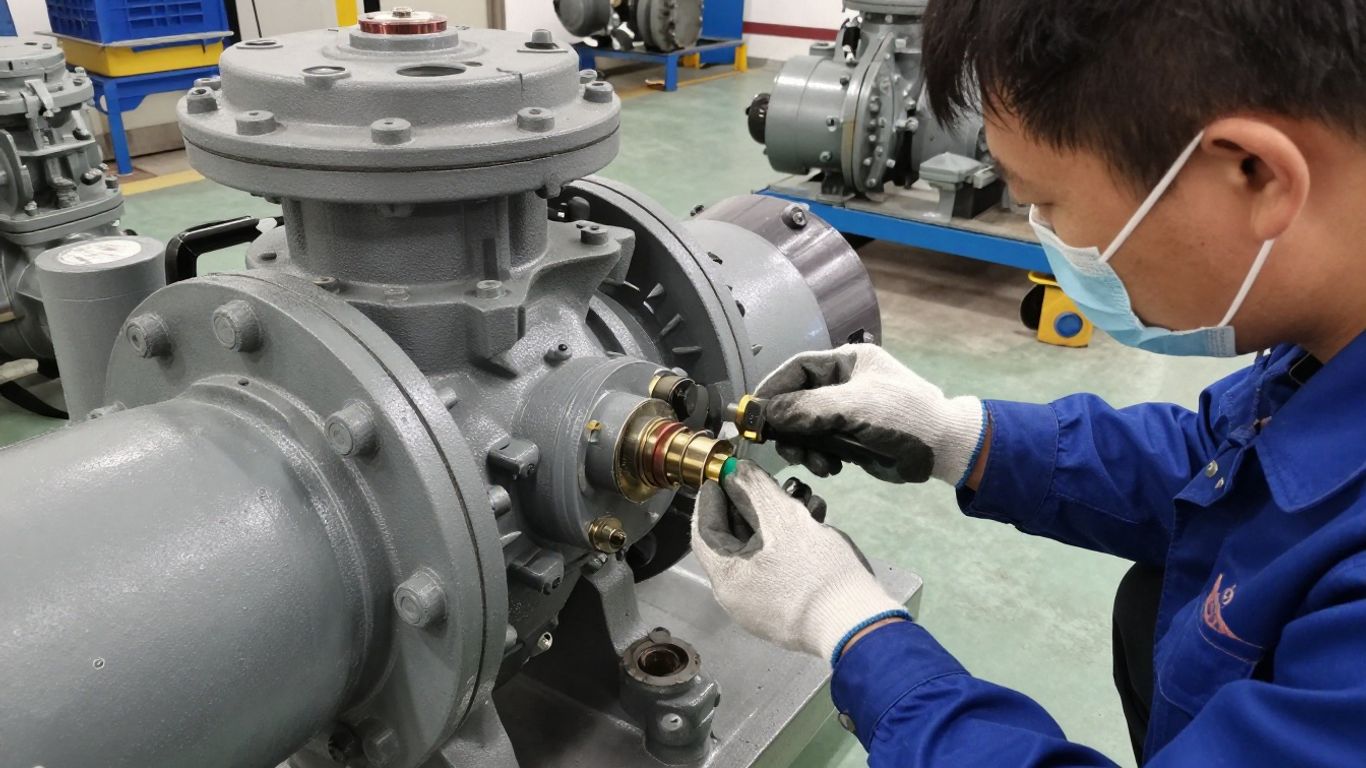
A visual inspection of your seals every month is essential for catching early signs of weeping. Look for darkened, oily surfaces under the pump housing that indicate a primary seal failure before it allows air to enter the cycle.
Recommended cleaning cycles for internal pump chambers
Periodically flushing chambers with a cleaning solvent helps strip away gummy deposits that form when waste oil sits stagnant. This is particularly important for gear pumps that rely on tight tolerances to maintain their flow rate precision.
Strategies for preventing sediment and debris accumulation
Debris buildup is a primary cause of thermal failure in motors. Implement a settling tank strategy where oil rests for at least 24 hours prior to transfer; this allows heavy contaminants to sink, leaving cleaner fluid for your pump to process.
Identifying early symptoms of mechanical wear
Listen for grinding noises or increased vibration during operation, which suggest bearing fatigue. Reliable vendors like Redline Custom Equipment, Inc. offer great support for identifying these signs early. Addressing these symptoms instantly prevents the pump from binding and failing under heavy daily loads.
Safety and environmental regulations in waste oil handling
Environmental standards require all operators to treat used oil as a hazardous material. Every facility must have a concrete spill response plan in place regardless of the specific pump technology being used in the fluid bays.
Implementing spill containment and secondary safety measures
Spill pallets and berms are non-negotiable for any permanent pump station. These safety items catch leaks before they reach the facility floor, drastically simplifying your cleanup process and preventing costly environmental fines.
Ensuring proper grounding to prevent static discharge
Static discharge is a hidden danger in fuel transfer facilities. Ensure that every metallic pipe component and the pump body itself is bonded to a dedicated earth ground wire to prevent potential sparks in vapor-rich environments.
Compliance with local standards for fuel transfer facilities
Always consult your local building department for zoning and fire code updates. Requirements change often, and keeping your facility compliant is paramount for professional service centers operating commercial-grade site web facilities.
Safe handling practices for hazardous waste transport
Discussing your experiences on AgTalk can often provide insight into how others handle complex transport issues. Use double-walled piping when moving hazardous waste between buildings to ensure that a leak does not contaminate the outdoor environment.
Troubleshooting frequent performance issues
When a pump stops delivering, start by checking for physical blockages in the suction path. Most performance issues are solved by fixing the environment around the pump rather than the pump itself.
Resolving cavitation in high-viscosity applications
Cavitation often occurs when the intake is too restricted for the fluid being pulled. If the pump sounds like it is pumping rocks, decrease the suction hose length or increase the diameter to allow for easier flow into the pump head.
Addressing sudden pressure spikes in the discharge line
Pressure spikes can blow seals immediately. Install a relief valve in your discharge line that routes excess fluid back to the source tank, ensuring your system pressure stays within safe tolerance levels.
Correcting air leaks in suction piping connections
Air leaks appear as foaming oil in the discharge line. Seal your intake threads with an appropriate pipe sealant that resists petrochemical breakdown, ensuring the connection is airtight even under high suction vacuum.
Identifying the root causes of motor overheating
Motor overheating is almost always a byproduct of electrical resistance or mechanical bind. Check that your voltage matches the drive requirements and ensure that no debris is wrapped around the cooling fan shroud located at the rear of the unit.
Conclusion
Selecting and maintaining used oil pumps is a foundational aspect of keeping any automotive or industrial maintenance operation running smoothly. By matching the correct pump technology to your specific viscosity needs and adhering strictly to a professional installation and maintenance regimen, you maximize both the service life of the hardware and the environmental safety of your site.
Frequently Asked Questions
Can I use a centrifugal pump for waste oil?
Centrifugal pumps are generally not suitable because they require low-viscosity fluids to operate; waste oil is typically too thick and will quickly cause the motor to burn up during operation.
How often should I perform preventive maintenance on my pump?
A monthly inspection of seals, gaskets, and filter housings is recommended for most facilities to identify early signs of leaks or debris buildup before larger issues arise.
Why does my discharge line show foaming oil?
Foaming usually indicates that air is successfully being introduced into the suction side of the pump, often due to an improper seal on an intake fitting that needs to be tightened or re-sealed.
What does total dynamic head measure?
Total dynamic head measures the cumulative resistance a pump must work against, accounting for both gravity and the internal friction loss caused by the geometry of your pipe layout.
Is grounding necessary for waste oil transfer?
Yes, grounding is essential because it prevents the buildup of static electricity that could otherwise create a spark in environments where oil vapors are present.
What causes a pump to make a grinding noise?
Grinding noises are typically an indicator of internal bearing wear or a mechanical bind that occurs when debris has entered the pump chamber or the unit has lost lubrication.
How can I minimize suction lift problems?
To minimize lift issues, place the pump as close as possible to the fluid reservoir, reducing the distance the unit must work against to prime itself for transfer.