Key Takeaways
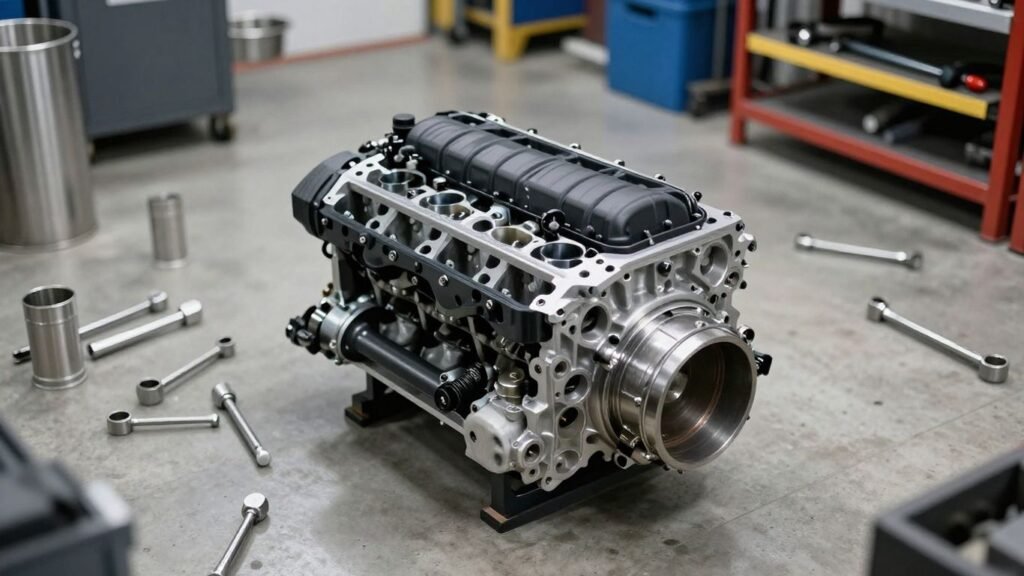
Navigating the world of automotive replacements requires a clear plan to protect your investment and ensure your vehicle runs smoothly. Follow these fundamental principles to secure a sound engine for your project.
- Perform a thorough visual inspection of all external engine components.
- Always verify the internal health of the engine using a dry compression test.
- Prioritize established businesses that provide clear warranty and service history terms.
- Never skip the process of checking VIN records against your local legal database.
- Invest in new seals and a full system flush before completing the installation.
Determining the condition of a used petrol engine
When you are looking for petrol engines second hand, the primary goal is to ensure the unit isn’t just visually clean but functionally sound. Many sellers may pressure wash the exterior to mask years of accumulated grime, which can hide structural compromises. Taking your time to perform a systematic physical audit will reveal whether a unit is worth your investment or destined for a rebuild.
Auditing external components for signs of wear
Begin your assessment by inspecting the periphery of the engine for any signs of brittle or cracked rubber lines. These hoses often harden over time and are prone to leaks once they are re-pressurized in a new vehicle environment. Check all electrical connectors for corrosion, as moisture exposure at a salvage yard can rapidly degrade pin terminals.
Performing a cold start compression test
This diagnostic task remains the most accurate way to measure cylinder health before you commit to a purchase. By cranking the engine while cold, you bypass the thermal expansion that might mask low compression in worn piston rings or damaged valvetrain components. A balanced reading across all cylinders provides the confidence that the combustion chamber is intact and capable of delivering factory-rated power.
Investigating potential oil leaks and coolant sludge buildup
Maintaining a clean engine environment is vital for long-term reliability. If the engine has been sitting for an extended period, internal contaminants may have settled, leading to blockages or degradation of synthetic components. Look for these specific indicators that a motor requires immediate attention:
- Thick, milky residue under the oil filler cap indicating head gasket failure.
- Fragile, discolored plastic cooling system components that snap under light pressure.
- Noticeable dark streaks on the block faces where oil has been weeping.
- Corrosion clusters around water pump gaskets or thermostat housing outlets.
After reviewing the physical condition of the engine, it is worth comparing different acquisition channels to understand where you are likely to get the best value and support.
Where to source reliable second hand engines
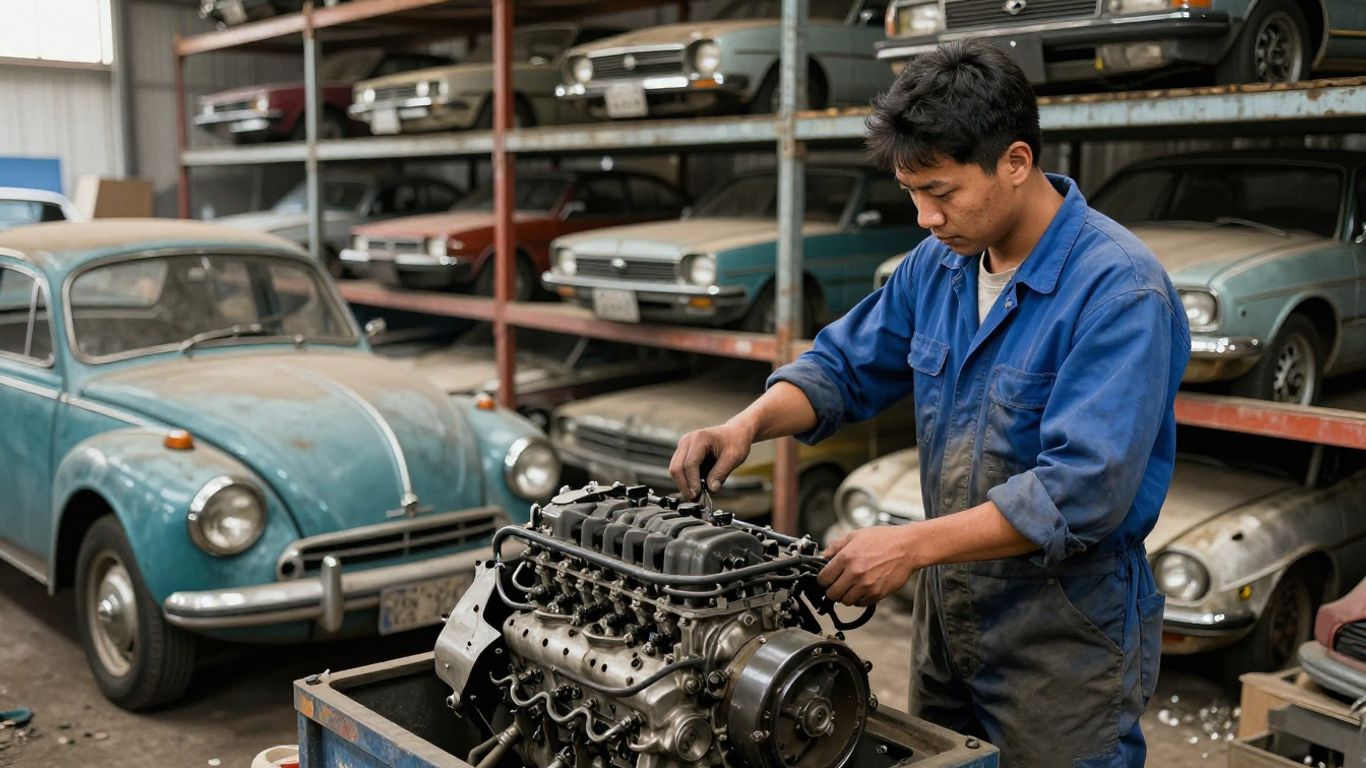
Finding a dependable engine is often more about the process of elimination than finding the perfect deal immediately. While the temptation for a bargain is real, the hidden costs of a failing engine far outweigh the initial savings of a private sale. Established suppliers offer a layer of accountability that is missing from informal marketplaces.
Evaluating reputable wrecking yards and salvage businesses
When searching for a long block, B&R Autowrecking acts as a reliable source for interchangeable parts that have been inventoried and checked for basic viability. Businesses like these usually catalog the donor vehicle’s history, providing a baseline for the engine’s original expected performance. Their inventory management ensures that you receive a motor that matches the specifications of your chassis.
Benefits of buying from professional automotive recyclers
Professional recyclers often provide standardized warranty terms that protect you against immediate defects. Companies like All Good Parts streamline the search process by offering nationwide shipping and verified inventory, simplifying the logistics of transporting heavy machinery. This level of professional oversight mitigates the risk of receiving an incompatible or seized unit.
Assessing the risks of private marketplace listings
Buying from an individual can be a challenge because the buyer rarely has recourse if the engine fails once installed. You must weigh the lower sticker price against the potential expenses incurred if the unit lacks documentation. The table below summarizes the key differences in sourcing approaches:
| Source Type | Pricing | Warranty Support | Provenance Tracking |
|---|---|---|---|
| Professional Recycler | Moderate | High | Full |
| Local Wrecking Yard | Low | Limited | Partial |
| Private Seller | Very Low | None | Minimal |
Selecting the right vendor is critical, but understanding how mileage affects longevity is equally important for managing future expectations.
Understanding mileage and its impact on performance
Why high mileage does not always equal lower value
Engine condition is rarely determined by odometer readings alone, especially if the vehicle was maintained to a high standard. A high-mileage engine with a documented service history may show less wear than a low-mileage unit that sat dormant for years. Properly cycled oil and regular maintenance intervals can keep internal friction layers intact far beyond the manufacturer’s expected lifespan.
Comparing gasoline engine lifespan across manufacturers
Different manufacturers utilize distinct engineering tolerances for their internal components. Some brands prioritize performance over extended durability periods, while others opt for conservative, overbuilt designs intended for longevity. Researching your specific engine code can reveal common failure points and whether they are typically associated with specific mileage milestones.
Assessing the impact of city driving versus highway usage
Stop-and-go traffic places a different kind of stress on an engine compared to steady highway cruising. Highway miles generally involve fewer heat cycles and more consistent oil pressure, which promotes cleaner internal oil galleries. In contrast, heavy city usage often contributes to carbon buildup around valve seats and increased wear on cooling fans.
Inspecting service history and maintenance records
Identifying gaps in scheduled automotive maintenance
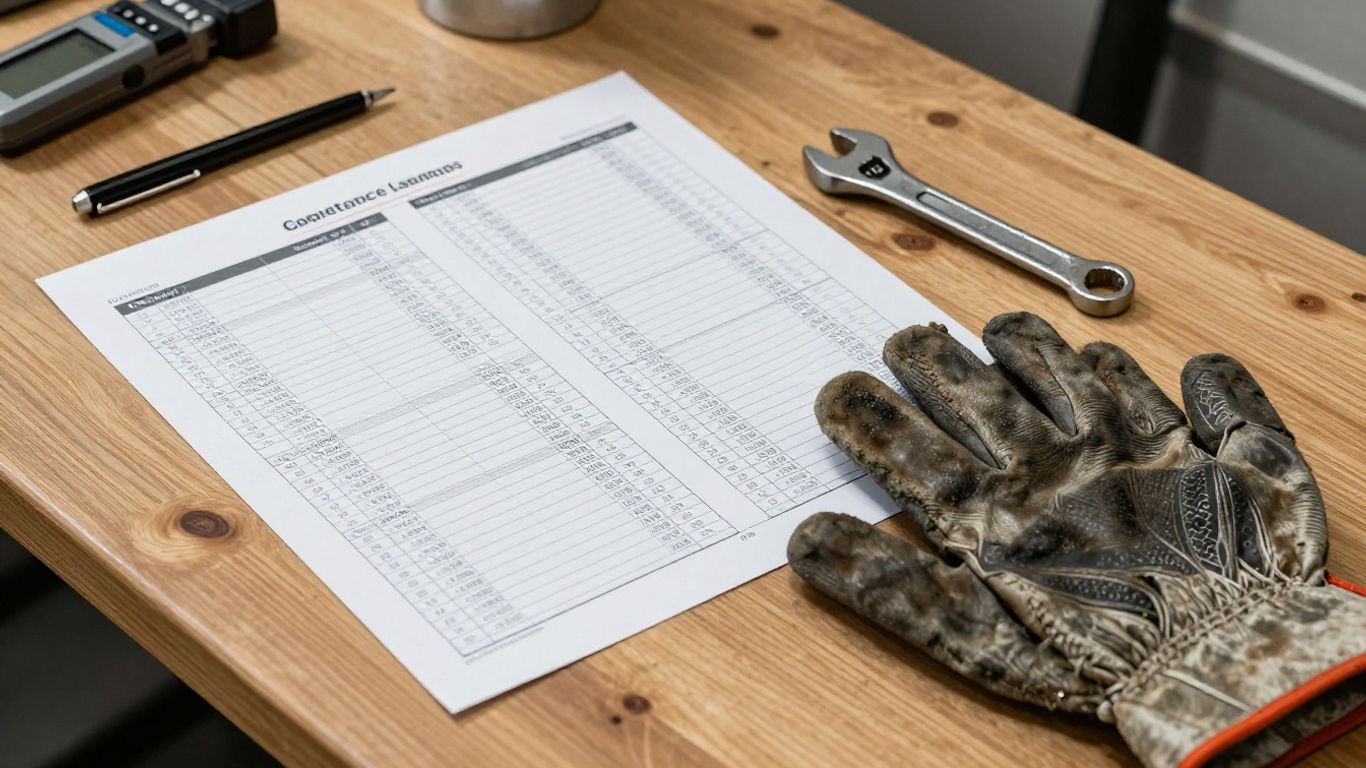
Reviewing the logbooks can reveal if an oil leak might have been ignored or if a major service was skipped at a critical interval. Missing documentation should not automatically disqualify an engine, but it should trigger a more rigorous inspection schedule before you clear the unit for operation.
Confirming the status of timing belt or chain replacements
Failure to perform timing maintenance is a primary cause of catastrophic engine failure in interference engine designs. If you cannot confirm when these were last replaced, it is safer to perform the work immediately upon receipt. Always verify the manufacturer’s recommended service cycle against the engine’s current condition.
Using VIN history reports to verify engine provenance
A VIN report is your primary tool for confirming a component’s origin and potential accident history. Checking the donor vehicle’s history ensures that you aren’t acquiring an engine from a vehicle that suffered major catastrophic damage. For specialized units, look to Adams Small Engine LLC for specific technical guidance on identifying engine variants.
Essential safety and legal documentation
Verifying engine serial numbers against vehicle records
Every engine carries a block stamp that correlates to official factory production logs. Matching this number ensures that your registration remains compliant during future smog checks or title transfers. If these numbers appear ground down or tampered with, avoid the purchase immediately.
Avoiding pitfalls when purchasing engines from unknown sources
Always ensure that the bill of sale lists the engine serial number explicitly to provide legal cover. Without a verifiable trail, you may face difficulties if the unit is found to be linked to a vehicle reported as stolen. Proper documentation is a non-negotiable step for any reputable build.
Understanding the importance of a clear transfer of ownership
In some regions, you may need a certified transfer of title if the engine is registered to the chassis. Confirm your local regulations before committing to a purchase to ensure you have all the necessary paperwork to legalize the setup. This helps in maintaining long-term resale value for your vehicle.
Preparing for engine installation and testing
Replacing critical seals and gaskets prior to installation
Even a low-mileage engine can suffer from dry-rotted seals due to extended storage. Replacing the main rear seal, oil pan gasket, and valve cover hardware prevents leaks that are notoriously difficult to fix once the engine is mounted in the engine bay. Starting fresh on these items ensures peace of mind during your initial road tests.
Flushing cooling and fuel systems to prevent contamination
Contaminated fluids from the donor vehicle can clog your fuel injectors or cause rapid failure of your water pump. Perform a thorough power flush of all fluid channels before attempting an initial start. This simple step clears out sediment that could cause internal damage.
Initial start-up calibration and post-installation diagnostic checks
Run the engine at idle for an extended period to ensure that your sensor readings stabilize under temperature. Use an OBD-II scanner to monitor fuel trims and timing advance for any irregularities during the break-in phase. This calibration phase is the final check before you resume normal driving operations.
Conclusion
Acquiring a quality second-hand engine is entirely possible when you approach the process with a blend of technical scrutiny and patience. By prioritizing documented histories and utilizing reputable suppliers, you can extend the service life of your vehicle without the cost of a full factory replacement. Once the unit is properly inspected, seated, and calibrated, it should provide years of reliable service and performance.
Frequently Asked Questions
Is it safe to buy a petrol engine with over 150,000 miles?
High mileage engines can be perfectly safe if they show good compression and have no history of major internal overheating issues.
How can I tell if an engine has been rebuilt previously?
Look for non-original RTV silicon seals and mismatched bolt heads which often indicate that the engine was opened by a shop.
Do I need to replace the timing belt before starting the engine?
Yes, unless you have written documentation of a recent replacement, it is always safer to replace the timing belt to save the engine.
What should I check immediately after picking up an engine?
Check for debris in the oil fill port and ensure that all mounting brackets and electrical sensors are included and undamaged.
Can I install an engine myself if I have limited experience?
Engine installation requires specialized tools and technical knowledge, so it is best to consult with or hire a professional shop.
Is it normal for a used engine to smoke upon start-up?
Initial smoke can occur due to oil pooling in the cylinders during transport, but persistent smoke suggests worn valve seals or rings.
What do I do if the engine serial number does not match my vehicle records?
Consult your local department of motor vehicles as you may need to file a formal paperwork update or inspection to legalize the engine.