

Key Takeaways
An engine that suddenly knocks, overheats, loses power, or refuses to start needs prompt attention. A careful diagnosis, written estimate, and comparison of replacement options can prevent an expensive decision made under pressure.
- Stop driving if severe engine symptoms or warning lights appear.
- Confirm the extent of damage before approving replacement.
- Compare new, remanufactured, and used engines by total cost, not price alone.
- Ask what labor, related parts, fluids, and warranty coverage are included.
- Follow break-in and maintenance requirements after installation.
Recognize the signs of catastrophic engine failure
Some engine problems begin as a strange sound or a small change in performance. Others arrive suddenly, leaving the driver with an urgent engine replacement needed and little time to plan. Symptoms alone cannot prove that an engine is beyond repair, but they can show when continued driving is a poor gamble. A professional inspection is the safest way to separate a serious engine failure from a problem in a related system.
Severe knocking, grinding, or internal engine noises
A deep knock that rises with engine speed can indicate trouble inside the engine, particularly when it is accompanied by vibration or a drop in performance. Grinding, sharp tapping, or a sudden metallic rattle deserves similar caution. The sound may come from a damaged bearing, valvetrain component, accessory, or another part, so guessing from the driver’s seat is unreliable.
Record when the noise happens: during startup, acceleration, idling, or turns. A short recording can help a technician reproduce the concern, but do not keep running the engine simply to capture better audio. A guide to urgent engine warning signs can provide general context, though an in-person diagnosis still matters more than an online symptom list.
Excessive smoke and unusual exhaust colors
Thick blue smoke commonly points toward oil entering the combustion process, while persistent white smoke can accompany coolant entering the cylinders. Black smoke may indicate an overly rich fuel mixture or an issue with air and fuel control. Exhaust color is a clue, not a verdict, and the meaning can change depending on engine temperature and how long the smoke lasts.
Smoke from beneath the hood is a separate concern. Oil or coolant may be reaching hot engine surfaces, creating a fire risk or rapidly worsening an overheating problem. Pull over safely, shut the engine off, and avoid opening a hot cooling system until it has cooled.
Loss of oil pressure or coolant
An oil-pressure warning is one of the clearest reasons to stop immediately. Low oil level, a leak, a failed pump, or internal wear can all reduce lubrication, and continued operation can turn a repairable problem into extensive internal damage. Likewise, a rapidly falling coolant level or repeated overheating should not be dismissed as a minor inconvenience.
Look for puddles, fresh stains, a sweet smell, or steam, but do not crawl under a hot vehicle at the roadside. Topping off a fluid may help with a short diagnostic check only when a professional has advised it; it does not correct the underlying failure. A vehicle that repeatedly loses oil or coolant needs testing before it returns to the road.
Complete loss of power or failure to start
A vehicle that loses power while moving, stalls repeatedly, or will not start may have suffered major engine damage, but electrical, fuel, ignition, and computer faults can produce similar symptoms. Listen for whether the starter turns the engine normally, turns unusually fast, or only clicks. Those details help narrow the next diagnostic step without proving the engine itself has failed.
Do not repeatedly crank an engine that has locked, made a loud internal noise, or recently overheated. Repeated attempts can drain the battery and, in some circumstances, worsen mechanical damage. Treat a sudden loss of power as a safety event first and a repair question second.
Decide whether engine replacement is truly necessary
Engine replacement is a major repair, but it is not automatically the right answer whenever an engine runs poorly. The decision depends on the location and severity of the damage, the vehicle’s condition, its value, and the cost of a dependable repair. A good shop should explain the evidence in plain language rather than relying on a frightening symptom or a single fault code.
When repairs may be more cost-effective
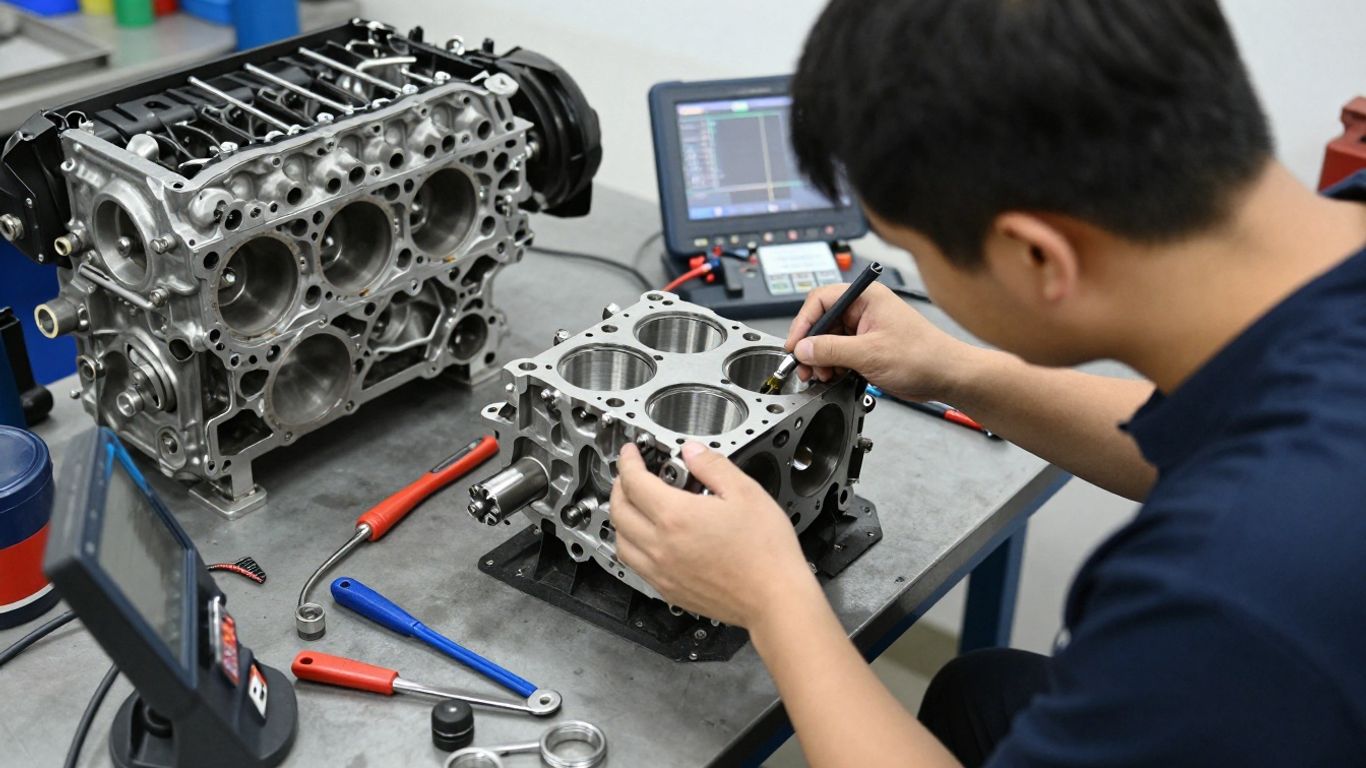
A failed sensor, starter, fuel component, accessory, cooling-system part, or external seal may imitate an engine failure. Even some internal problems can be repaired if the block, crankshaft, and cylinder head remain within usable limits. The estimate should compare the repair scope with the installed cost of a replacement engine, including the risk that additional damage will appear after disassembly.
The vehicle’s broader condition matters too. A well-maintained car with a sound transmission and body may justify a substantial repair, while rust, electrical faults, or several overdue systems may make replacement less sensible. Ask for the reasoning behind the recommendation, not just the recommendation itself.
Damage that usually requires a replacement
A cracked engine block, severely damaged crankshaft, extensive overheating damage, or widespread internal scoring can make rebuilding impractical. Metal contamination throughout the lubrication system may also require related components to be cleaned or replaced. In these situations, a replacement assembly can offer a more predictable path than repairing one damaged section while leaving questionable parts in service.
The word “replacement” still needs definition. It may mean a complete long block, a dressed engine, or an assembly that requires the original intake, exhaust, sensors, wiring, and accessories to be transferred. Clarify exactly what is included before comparing prices.
How diagnostic tests confirm engine condition
A technician may combine a visual inspection with oil and coolant checks, compression or leak-down testing, scan-tool data, and testing of fuel, ignition, and electrical systems. If the engine cannot be run, the shop may inspect the oil, rotate the crankshaft manually, or remove selected components to find the source of the failure. No single test answers every question, especially after overheating or a major loss of lubrication.
Ask for test results and photographs where practical. Codes can identify a system that needs attention, but they do not by themselves establish that the engine must be replaced. The strongest recommendation connects the symptoms, test results, failed parts, and proposed remedy.
Why a second professional opinion can help
A second opinion is particularly useful when the first estimate is large, the diagnosis is uncertain, or the proposed engine has a limited warranty. Give the second shop the original test results, service history, and any photographs rather than asking for an entirely blind guess. Independent review may confirm the recommendation or reveal a repairable problem outside the engine.
Be wary of any opinion that promises certainty without inspection. A short consultation can still be valuable if it explains what information is missing and what inspection would resolve the uncertainty. When researching unrelated online material, keep the source tied to the question: TMJ and Sleep Disorders of Michigan, Lavender Laundry, and sales outsourcing guidance address different subjects and should not influence an automotive diagnosis.
Take immediate steps to protect your vehicle
The first response to severe engine symptoms can affect both safety and repair cost. If the vehicle is moving, get out of traffic and shut it down when conditions permit. Do not let the pressure of reaching home turn a warning sign into a destroyed engine or a roadside hazard.
Stop driving when warning signs appear
Stop as soon as practical for an oil-pressure warning, rising temperature gauge, heavy smoke, loud knocking, or sudden loss of power. A check-engine light by itself may not require an immediate stop, but a flashing light, rough running, or other severe symptom should be treated more urgently. Move to a safe location and follow local roadside-safety practices.
A warning light is information, not a diagnosis. If the engine sounds normal and the vehicle is safe to move a short distance, a professional can advise whether it should be driven or towed. When severe symptoms are present, shutting down early usually gives the vehicle a better chance of avoiding additional damage.
Arrange towing instead of risking further damage
Towing is usually the sensible choice when the engine has overheated, seized, lost oil pressure, or stopped unexpectedly. Tell the towing provider whether the wheels roll and whether the engine can turn, since that information may affect loading. If the vehicle is in a dangerous location, prioritize personal safety over inspecting it at the roadside.
Keep the tow receipt and note the destination shop. Those simple records help organize the repair file, especially when several facilities are involved. They also prevent a rushed decision based solely on the first person who sees the vehicle.
Gather service records and diagnostic information
Service invoices, oil-change records, cooling-system work, warning-light photographs, and recent repair details can shorten the diagnostic process. Write down when the symptom started, whether the vehicle was towing or under heavy load, and what happened immediately before the failure. Include mileage and any recent fluid loss.
A compact handoff list can keep the conversation clear:
- The exact warning lights and when they appeared.
- Sounds, smoke, leaks, or temperature changes.
- Recent maintenance, repairs, or parts replaced.
- Whether the engine stalled, seized, or still cranks.
This information does not replace testing, but it gives the technician a useful timeline. It can also make estimates easier to compare because each shop is responding to the same history.
Avoid temporary fixes that conceal serious problems
Do not rely on stop-leak products, heavy additives, repeated fluid top-offs, or disconnected warning lights to make a failing engine appear healthy. Such measures may obscure evidence and delay the repair that actually matters. A temporary measure is acceptable only when a qualified technician recommends it for a clearly defined, short diagnostic purpose.
Be especially cautious after overheating. The vehicle may seem to run normally once it cools, while the underlying damage remains. A cooling system that cannot hold pressure or an engine that continues to consume coolant should be inspected before normal driving resumes.
Compare your engine replacement options
Once replacement is justified, the cheapest engine on the first quote is not necessarily the least expensive choice. Compare the assembly’s condition, compatibility, warranty, shipping, installation requirements, and expected service life. The right option is the one that fits the vehicle and the budget without leaving major uncertainty hidden in the fine print.
New, remanufactured, and used engines
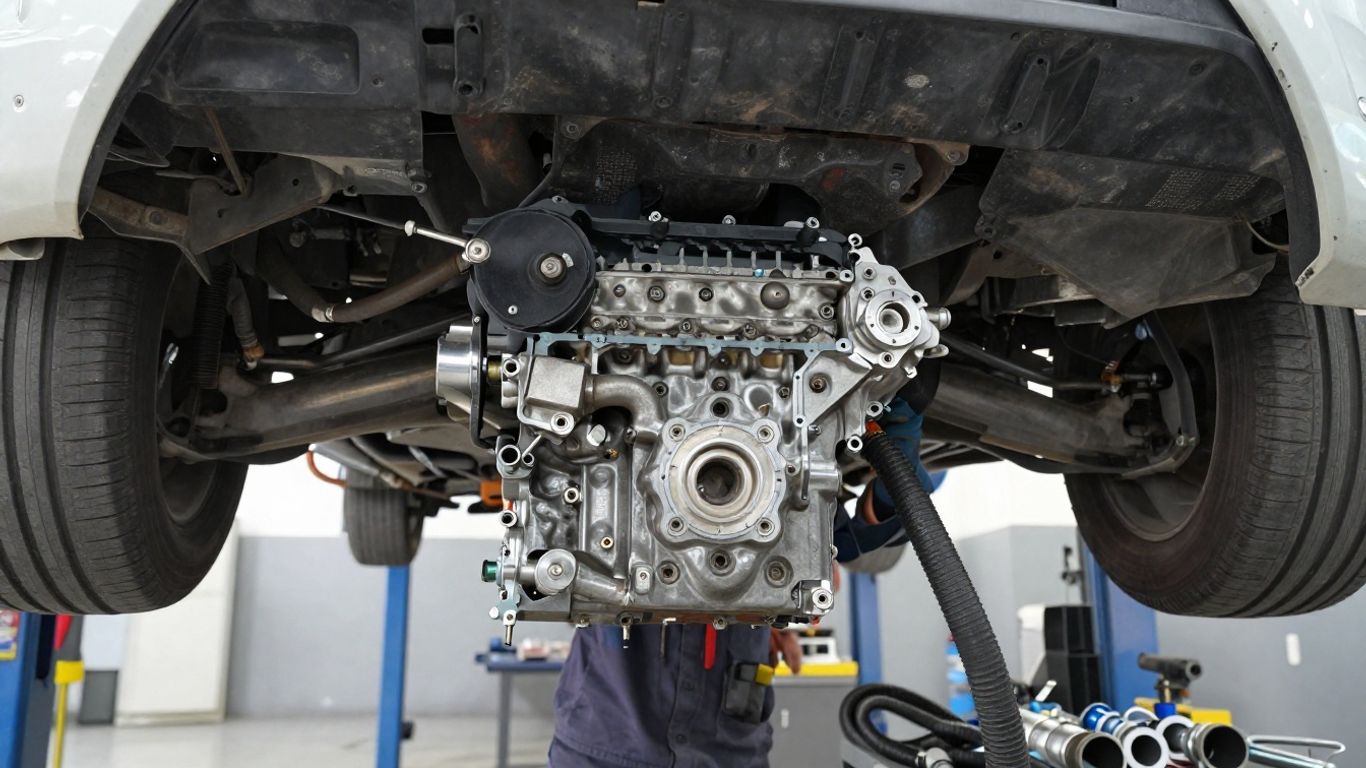
A new engine generally offers the least uncertainty but may carry the highest purchase price. A remanufactured engine has been disassembled, inspected, and rebuilt to a stated standard, though the exact work and included parts vary by supplier. A used engine may cost less and can be reasonable when its mileage, history, testing, and warranty are documented.
Compare the terms rather than relying on labels alone. Ask whether the warranty covers parts only or also labor, whether shipping is included, and what conditions could void coverage. A lower upfront price can become expensive if installation labor is excluded from a replacement claim.
Matching engine specifications to your vehicle
Confirm the exact year, make, model, engine family, displacement, fuel system, emissions equipment, transmission pairing, and drive configuration. Some engines look similar while using different sensors, wiring, mounts, computers, or calibration requirements. The vehicle identification number and original engine code are useful starting points, but the installer should verify compatibility before ordering.
Do not assume that a compatible block is a complete drop-in assembly. The quote should identify which accessories and external components transfer from the old engine and which are supplied with the replacement. This is where a careful parts review can prevent an expensive mismatch.
Evaluating mileage, warranty, and supplier reputation
For a used engine, request the recorded mileage, donor vehicle information when available, compression or pressure-test details, and storage history. For a remanufactured unit, ask what machining and replacement work the supplier performs. In either case, read the warranty’s exclusions and claim procedure before approving the order.
A supplier’s reputation is best judged by specific documentation and responsive communication, not by a vague promise. Get the part number, delivery condition, return requirements, and coverage period in writing. If the supplier cannot answer basic compatibility and warranty questions, the apparent bargain may not be worth the risk.
Understanding labor, parts, and installation costs
The engine itself is only one part of the installed price. Labor, fluids, filters, gaskets, seals, belts, hoses, mounts, sensors, programming, exhaust connections, and cooling-system work may all affect the final bill. Some items are sensible preventive replacements while access is easy; others should be recommended only when inspection shows a need.
Use a comparison table when reviewing estimates so that different scopes do not look comparable merely because their totals are close.
| Cost area | Questions to ask | Why it matters |
|---|---|---|
| Replacement assembly | What exact engine and components are included? | Prevents a block-only quote from being mistaken for a complete engine. |
| Labor | Is removal, transfer, installation, and testing included? | Separates a parts price from the real installed cost. |
| Related parts | Which seals, fluids, mounts, belts, or hoses are recommended? | Identifies necessary additions and optional maintenance. |
| Warranty | Does it cover parts, labor, shipping, and diagnosis? | Shows what happens if the replacement has a problem. |
After the table, ask the shop to explain any difference between estimates line by line. That conversation often reveals whether one quote omits necessary work or another includes optional items. For additional perspective on difficult repair-versus-replacement decisions, see this engine replacement cost discussion, while remembering that an individual owner’s situation is not a universal price guide.
Understand the engine replacement process
A replacement is more than lifting one engine out and lowering another into place. The shop must identify the original failure, protect compatible components, prepare the replacement, and verify that the finished vehicle operates correctly. The exact sequence varies by vehicle, but a clear process should leave a paper trail from diagnosis through final road testing.
Removing and inspecting the failed engine
Technicians typically disconnect the battery and supporting systems, drain fluids, label connections, and remove components that block access. Once the failed engine is out, they can inspect mounts, wiring, hoses, cooling passages, accessories, and the transmission interface. Finding the cause of failure matters because installing another engine without correcting that cause can repeat the problem.
Ask whether the failed engine will be retained for inspection or returned as a core. If the shop discovers additional damage during removal, request photographs and a revised estimate before authorizing extra work. That keeps the scope understandable.
Preparing related systems and replacement parts
The replacement may require new fluids, filters, seals, gaskets, belts, hoses, plugs, mounts, or other service parts. The technician should inspect the radiator, cooling fans, oil cooler, wiring, and exhaust connections when the original failure involved overheating, contamination, or low oil pressure. Parts that are transferred should be tested rather than assumed to be sound.
Preparation is also the point to resolve software, emissions, and accessory compatibility. Ask which original parts are reused, which are replaced, and which require adjustment. A detailed work order makes those decisions visible.
Installing and testing the replacement engine
After installation, the shop reconnects the electrical, fuel, cooling, exhaust, intake, and drivetrain systems, then fills the required fluids. Initial testing may include checking for leaks, confirming oil pressure, monitoring temperature, scanning for faults, and verifying that the engine starts and idles correctly. The technician should investigate abnormal noise or warning lights rather than treating them as normal settling-in behavior.
The first start is not the end of the job. A controlled road test, followed by another inspection, can reveal a loose connection, fluid leak, cooling issue, or drivability fault that is not visible in the bay. Ask what tests are included in the quoted labor.
Confirming proper operation after the repair
Before accepting the vehicle, request an explanation of the work completed, the parts used, the warranty, and the recommended follow-up inspection. Confirm that the temperature remains stable, warning lights are addressed, the engine responds normally, and there are no new leaks or unusual sounds. Keep copies of the final invoice and any test documentation.
The shop should also explain what behavior is expected during break-in and what would require an immediate return. Clear instructions reduce the chance that a normal adjustment is mistaken for a failure—or that a real warning is ignored.
Control costs and prevent another engine failure
A replacement engine can restore a vehicle, but it does not erase the conditions that caused the original failure. Cost control comes from defining the job, checking what is included, and maintaining the systems that protect the new engine. It is worth spending extra time on the estimate when the alternative is paying twice for access and labor.
Requesting a detailed written estimate
Ask for a written estimate that identifies the replacement engine, labor hours or labor scope, parts, fluids, taxes, shipping, core charges, diagnostic work, and warranty terms. It should distinguish required work from recommendations. If the shop cannot provide a fixed total, ask for the conditions that could change it and the approval process for additional charges.
A written estimate also lets you compare like with like. Two totals are not meaningfully comparable when one includes programming and a cooling-system flush while the other does not.
Identifying hidden expenses before approving work
Potential additions include towing, storage, teardown, environmental fees, programming, replacement keys or modules, machining, upgraded mounts, and disposal or return shipping. Some become apparent only after inspection, but the shop can still explain which risks are foreseeable. Ask whether labor is covered if a replacement engine fails under warranty.
The most useful questions are direct: What is excluded? What happens if the delivered engine is damaged? Who pays to diagnose a warranty concern? What happens to the old engine? Answers in writing are more useful than a general assurance at the service counter.
Following the replacement engine break-in requirements
Break-in instructions vary by engine supplier and vehicle, so follow the written requirements supplied with the assembly. They may address initial fluid changes, engine speed, load, idle time, and inspection intervals. Do not substitute advice from a different engine or assume that a replacement can be driven normally without any settling period.
Keep receipts for the required follow-up services. They may support the warranty and give the shop a chance to catch a leak, loose connection, or abnormal operating condition early. If the engine develops a warning light, smoke, knock, or overheating, stop and contact the installer.
Maintaining oil, coolant, and service intervals
Use the specified oil grade and filter, monitor coolant level, and investigate leaks promptly. Follow the vehicle’s service schedule for belts, hoses, filters, spark plugs, and cooling-system inspections. Regular fluid checks protect the investment far better than waiting for a warning light to appear.
Maintenance records should include dates, mileage, fluids, parts, and observations. They make future troubleshooting easier and can help demonstrate compliance with warranty terms. A replacement engine is not maintenance-free; its longevity still depends on the condition of the systems around it and the care it receives.
For general warning-light context, a vehicle warning signs guide may help you organize symptoms before speaking with a technician. Keep the focus on the vehicle in front of you, however, and do not replace a professional inspection with an online checklist. Even unrelated pages such as engineer disability insurance and Longhorn Steakhouse Chicken Tenders illustrate why the source must match the problem being solved.
Conclusion
When an engine fails dramatically, the best response is calm and methodical: stop driving, document the symptoms, confirm the diagnosis, and compare complete installed costs. A replacement may be the right solution, but only after the evidence shows that repair is not practical and the chosen engine fits the vehicle, warranty, and long-term budget.
Frequently Asked Questions
How do I know if my engine needs replacement?
Severe internal noise, persistent overheating, low oil pressure, extensive internal damage, or a cracked block can point toward replacement. These signs are not conclusive on their own, so a qualified technician should combine them with testing and inspection.
Is an engine replacement better than repairing the existing engine?
It depends on the damage, vehicle condition, repair scope, parts availability, and total installed cost. A repair may be sensible when the main engine structure is sound, while widespread internal damage may make replacement more predictable.
Can I drive with a knocking engine?
Driving with a deep or worsening knock can increase internal damage and may create a safety problem if the engine loses power. Stop in a safe place and arrange professional advice or towing rather than continuing to test it on the road.
What should an engine replacement estimate include?
It should identify the engine assembly, labor, transferred and new parts, fluids, programming, shipping or core charges, testing, taxes, and warranty terms. It should also explain what could cause the price to change.
Which is better: a used or remanufactured engine?
Neither is automatically best. A remanufactured engine may provide more documented rebuilding work, while a used engine may cost less when its history and testing are clear. Compare warranty coverage, mileage, supplier information, and installation cost.
How long does an engine replacement take?
The time varies by vehicle design, parts availability, damage discovered during removal, and the shop’s workload. Ask for an estimated schedule and whether additional inspection or programming could extend it.
What maintenance helps protect a replacement engine?
Use the specified oil and coolant, maintain service intervals, check for leaks, address warning lights promptly, and follow the supplier’s break-in instructions. Keeping complete records also helps with future diagnosis and warranty questions.