

Key Takeaways
Buying wholesale used motors in Australia works best when the motor is matched carefully to the vehicle, the supplier, and the expected repair budget. A low purchase price is useful only when the engine’s history, condition, transport, and compliance requirements are understood.
- Confirm exact compatibility before agreeing to buy.
- Review testing, service records, and identification details.
- Compare total landed cost rather than unit price alone.
- Use clear warranty, return, and transport terms.
- Start with small orders and track supplier performance.
Understanding the wholesale used motors market in Australia
The wholesale used motors Australia market serves businesses that need replacement engines at workable prices and in repeatable volumes. Stock may come from dismantlers, recyclers, auctions, fleet operators, importers, or specialist motor suppliers. The condition and documentation can vary widely, so buyers need a process rather than a quick price comparison.
What “wholesale used motors” typically includes
Wholesale used motors generally means previously installed engines sold to trade buyers, repairers, resellers, or businesses purchasing several units. Some are tested and supplied as complete assemblies, while others may be sold as long motors or with selected accessories removed. The listing should spell out what is included, what has been tested, and whether ancillaries are supplied.
A buyer should also ask whether the motor is used, rebuilt, reconditioned, or merely inspected. Those descriptions imply different expectations for wear, preparation, warranty, and installation. Treat the terminology as a starting point, then request the actual inspection details.
Common buyers and purchasing requirements
Workshops, engine replacement businesses, vehicle recyclers, fleet operators, export businesses, and parts resellers are common wholesale buyers. Their requirements differ: a workshop may need a precise replacement for one repair, while a reseller may value consistent supply across several popular applications. Both need accurate identification and a practical delivery arrangement.
Before contacting suppliers, prepare the vehicle identification number, engine code, transmission details, model year, and intended application. For repeat purchases, also define acceptable mileage, minimum testing evidence, warranty expectations, and the number of units needed each month. This makes supplier responses easier to compare.
Major Australian sourcing regions and suppliers
Large metropolitan areas and established automotive recycling regions tend to offer broader stock because they receive more end-of-life vehicles, fleet disposals, and trade-in material. Buyers may source locally or arrange interstate delivery, depending on availability and freight economics. A supplier’s physical location matters less than its inventory discipline, documentation, and ability to describe condition accurately.
Ask where the motor is stored, whether the inventory is owned or brokered, and how quickly stock status changes. A current photograph, identification record, and written condition report can prevent a promising listing from becoming a mismatch after payment.
How wholesale pricing differs from retail pricing
Wholesale pricing usually reflects trade volume, lower presentation costs, and the buyer taking on more responsibility for verification, freight, and installation. Retail pricing may include additional preparation, customer service, packaging, or a broader consumer warranty. Neither price is automatically better; the right comparison includes everything required to place the motor into service.
The cheapest quote can become expensive if it excludes freight, testing, accessories, storage, or a return process. Ask every supplier to separate the motor price from those other costs so that the commercial difference is visible before the order is placed.
Choosing the right used motor for your needs
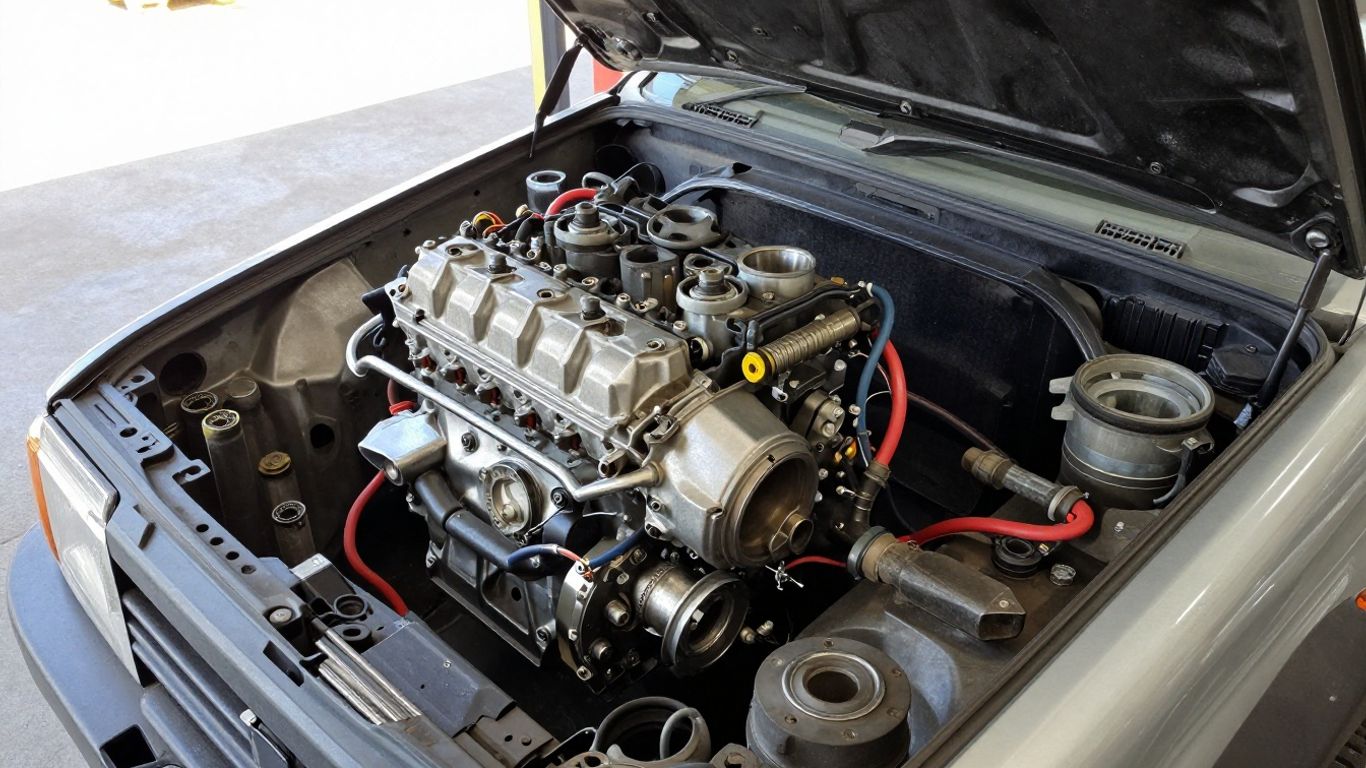
A suitable used motor is not simply one that fits under the bonnet. It must match the vehicle’s control systems, transmission, emissions configuration, mounting points, and intended workload. Compatibility should be confirmed from identifiers and technical records, not inferred from a similar model name.
Matching the motor to the vehicle and application
Start with the exact vehicle variant and its intended use. A passenger vehicle, delivery van, four-wheel drive, and work ute may use related engines with different cooling, wiring, calibration, or accessory arrangements. Even where the block is similar, the installation may require additional parts or programming.
Give the supplier the vehicle identification number and engine code, then ask for written confirmation of compatibility. If the motor will be used for towing, frequent loading, or long-distance fleet work, describe that duty cycle as well. It can affect the value of mileage, cooling-system condition, and refurbishment requirements.
Comparing engine type, specifications, and compatibility
Compare displacement, fuel type, aspiration, engine code, output, emissions equipment, and production year. Also check whether the listing includes the intake, exhaust components, sensors, alternator, starter, turbocharger, and engine management hardware. These details determine how much of the existing vehicle can be retained.
Do not assume that an engine from the same make and model is interchangeable across every year. Facelifts, transmissions, market specifications, and electronic updates can change compatibility. A supplier who will not confirm the identifiers in writing is asking the buyer to carry too much risk.
Assessing mileage, age, and service history
Mileage is useful context, but it is not a complete condition report. An older motor with consistent oil changes may be a better prospect than a lower-mileage unit with unknown use, overheating, or long storage. Look for service invoices, donor vehicle details, test results, and notes about how the motor was removed.
Where records are incomplete, price the motor as an uncertain asset rather than as a documented low-mileage unit. Allow room for seals, belts, hoses, fluids, and other service items that may be sensible before installation. That approach keeps optimism from becoming a hidden refurbishment bill.
Identifying demand for popular makes and models
Demand should be measured from actual workshop enquiries, fleet requirements, marketplace activity, and recent sales rather than broad assumptions about popular brands. A common vehicle can still have slow-moving engine variants, while a less common application may sell quickly when replacement supply is limited.
Use a simple stock profile for each candidate motor: confirmed applications, average selling time, likely customer, required accessories, and expected preparation. The exercise shows whether a bulk purchase is supported by demand or merely looks attractive because the individual units are inexpensive.
How to evaluate wholesale used motor suppliers
Supplier evaluation is part of mechanical risk management. A well-presented listing does not prove that the stock is accurately identified or that a problem will be handled fairly. Look for consistent records, clear terms, responsive communication, and evidence that the business understands trade buyers.
Verifying business credentials and industry experience
Confirm the supplier’s legal business details, trading address, contact channels, and time in the industry. Ask how motors are sourced, removed, stored, tested, and recorded. A credible supplier should be able to explain its process without relying on vague assurances.
References from relevant trade customers can be useful, but they should supplement—not replace—your own checks. Request a sample invoice and a sample condition report before placing a larger order. These documents reveal how precise the supplier is when describing a transaction.
Reviewing warranties, return policies, and guarantees
Read the warranty in full, including duration, covered components, exclusions, installation requirements, labour limits, and the process for reporting a fault. A promise that the motor is “guaranteed” has little value unless the remedy and evidence requirements are written down.
Clarify whether the buyer must use particular fluids, replace specified consumables, or obtain installation approval. Also ask who pays for diagnosis, removal, return freight, and replacement transport if a covered fault occurs. These points can materially change the value of a seemingly generous warranty.
Checking inventory accuracy and product descriptions
A reliable listing should identify the motor code, donor vehicle or application, approximate mileage, condition, included accessories, storage status, and available testing evidence. Photographs should show the actual unit, including identification marks and any visible damage. Generic images make it harder to judge what will arrive.
For recurring purchases, create a standard information request. It should cover the same fields every time, making omissions visible and helping staff compare several motors without relying on memory.
Comparing communication, logistics, and after-sales support
Communication before purchase is a useful preview of support after delivery. Note whether questions receive direct answers, whether promised photographs arrive, and whether stock availability is confirmed rather than guessed. Logistics matter too: packaging, loading access, delivery timing, and damage reporting should be agreed before payment.
Ask how the supplier handles a wrong application, transit damage, or a motor that fails an agreed inspection. A short written process is preferable to a general statement that issues will be sorted out later.
Inspecting and testing used motors before purchase
Inspection evidence helps translate a used motor from an uncertain listing into a measurable purchase decision. It cannot remove every risk, especially when internal wear is difficult to observe without dismantling. Still, consistent checks can identify obvious problems and support a fairer price.
Reviewing inspection reports and diagnostic results
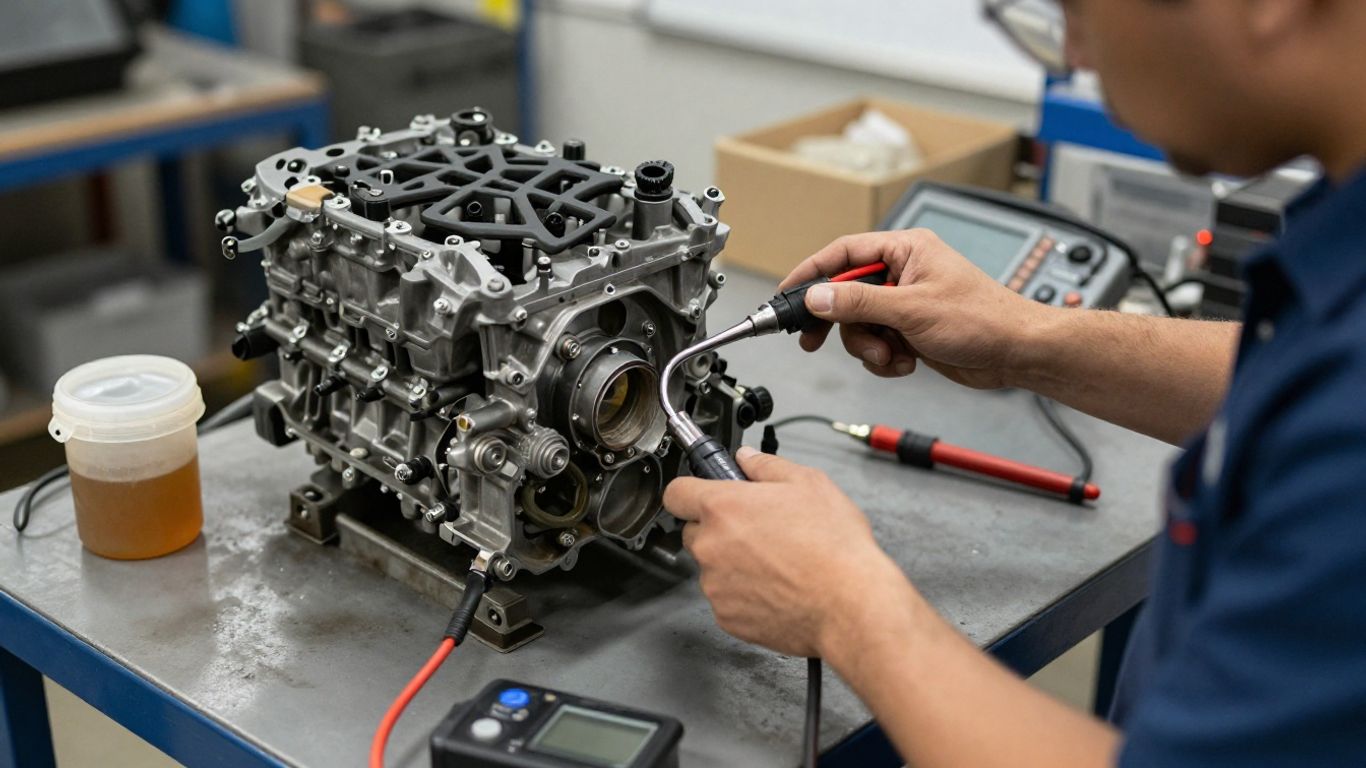
Request the date of inspection, the motor’s identification, the tests performed, and the results—not just a statement that it was checked. Diagnostic scans may reveal fault codes, while running tests can provide information about starting, noise, smoke, oil pressure, temperature, and charging performance.
Check that the report belongs to the actual motor being sold. The identification number, photographs, or stock reference should connect the paperwork to the unit. If the motor has been stored for a long period, ask whether the test was repeated before dispatch.
Checking compression, oil condition, and coolant systems
Compression results can reveal uneven cylinder performance, although the figures must be interpreted according to the engine type and test method. Inspect oil for contamination, metal particles, sludge, or an unusual smell, and check coolant passages, hoses, the expansion tank, and visible signs of leakage.
No single check proves that an engine is sound. Compression should be considered alongside oil pressure, coolant behaviour, exhaust smoke, operating temperature, and the service history. When results conflict, pause the purchase rather than choosing the most favourable detail.
Looking for signs of overheating, corrosion, or damage
Discolouration around the cylinder head, brittle wiring, damaged connectors, warped surfaces, heavy corrosion, missing fasteners, and cracked housings deserve attention. Inspect the sump, covers, mounting points, turbocharger area, and exposed sensors. Evidence of water entry or poor storage can be as concerning as ordinary mileage.
Photograph any questionable area and ask the supplier to explain it in writing. If the explanation affects price or warranty, include it in the transaction record rather than leaving it as an informal conversation.
When to arrange an independent mechanical inspection
An independent inspection is sensible for high-value purchases, unfamiliar engine families, large batches, or motors with incomplete history. It is especially useful when the cost of installation and removal would be substantial. The inspector should receive the motor’s identifiers and the intended vehicle application before testing.
The inspection is most valuable when it answers specific questions, such as whether visible corrosion is superficial, whether accessories are reusable, or whether test results support the advertised condition. It should inform the buying decision, not serve as a substitute for clear commercial terms.
Calculating the true cost of wholesale purchases
The purchase price is only the first line in a motor acquisition budget. Freight, handling, storage, workshop labour, consumables, machining, programming, and warranty exposure can all affect the final result. A simple cost model makes different suppliers and stock options easier to compare.
Comparing unit price with total landed cost
Calculate the landed cost for each motor using the quoted unit price plus freight, loading, insurance where applicable, storage, taxes, handling, and expected preparation. Then compare that number with the realistic selling price or internal replacement value. This avoids treating a cheap motor as profitable before its unavoidable costs are known.
A useful comparison keeps confirmed costs separate from estimates. Confirmed freight may be precise, while installation or refurbishment may need a range. Record both the expected figure and a conservative figure so that the decision is not based on the best-case outcome.
Factoring in freight, storage, and handling fees
Motors are heavy, awkward items that may require pallets, lifting equipment, protective wrapping, and scheduled delivery. Interstate transport can add waiting time and depot charges, while delayed workshop space can create storage costs. Ask who loads the motor, what packaging is used, and what happens if it arrives damaged.
For repeat buying, compare freight by lane and by batch rather than by isolated shipment. Consolidating compatible orders may reduce average transport cost, but only if the stock will move quickly enough to avoid tying up cash.
Estimating installation and refurbishment expenses
Budget for fluids, filters, seals, belts, hoses, gaskets, mounts, sensors, machining, labour, diagnostic work, and software-related setup where relevant. The exact list depends on the vehicle and motor, so use prior workshop invoices or a technician’s estimate rather than a generic percentage.
The installation plan should also account for the possibility that associated components from the original vehicle are not reusable. A motor that arrives without an accessory or with a damaged connector may require more preparation than its listing suggests.
Measuring expected margin and return on investment
Expected margin should be based on the price a customer is likely to pay, not the highest advertised market price. Subtract the total landed cost, preparation, installation support, financing, storage, warranty reserve, and selling expenses. Then consider how quickly the capital will return.
A modest margin on fast-moving, well-documented stock may be preferable to a larger theoretical margin on an uncertain motor. Track actual outcomes by supplier and application so future purchasing decisions use evidence rather than instinct.
Understanding Australian compliance and transaction requirements
Used motor transactions involve more than mechanical condition. Identification, records, waste handling, tax documentation, and transport arrangements all influence whether a purchase can be received and resold responsibly. Requirements may vary by state or territory and by the buyer’s role in the transaction.
Confirming identification numbers and vehicle history
Record the engine number or other identifying marks, donor vehicle information where available, and the supplier’s stock reference. Compare those details with the invoice, photographs, inspection report, and compatibility confirmation. Any mismatch should be resolved before payment or dispatch.
Vehicle history information can help identify prior damage, theft concerns, flood exposure, or inconsistent mileage records. Buyers should use appropriate official and commercial checks for the transaction and retain the results with the purchase file.
Checking environmental and disposal obligations
Used engines may contain oil, coolant, filters, batteries, and contaminated components that require careful handling. Plan how fluids will be contained, stored, transported, and disposed of, and use approved waste arrangements where required. Do not assume that a supplier’s removal of the motor transfers every responsibility to the purchaser.
If a motor is dismantled or rejected, keep records of the materials sent for recycling or disposal. Good documentation protects the business and makes environmental procedures easier to audit.
Reviewing invoices, sales contracts, and tax requirements
The invoice should identify the parties, date, motor description, price, taxes where applicable, freight, warranty terms, and any agreed exclusions. A written sales contract is particularly valuable for bulk orders or transactions involving deposits, staged deliveries, or conditional inspection.
Keep correspondence, photographs, test results, payment records, and delivery documents together. Confirm tax treatment with a qualified Australian adviser, especially when purchasing across borders, reselling to businesses, or dealing with imported stock.
Understanding interstate transport considerations
Interstate delivery may involve different depot arrangements, transit times, access requirements, and rules for handling fluids or damaged goods. Confirm the delivery address, unloading equipment, packaging standard, insurance position, and procedure for recording transit damage before the carrier collects the motor.
The receiving business should inspect the packaging promptly and photograph damage before signing where possible. Fast, well-documented reporting gives the buyer a stronger basis for resolving a freight claim or supplier dispute.
Building a reliable wholesale purchasing strategy
A repeatable buying strategy reduces dependence on luck and individual judgement. It should connect customer demand, technical verification, commercial terms, and post-installation results. Over time, the best suppliers are identified by what happens after delivery, not just by an attractive first quote.
Starting with small test orders
Begin with a small order that tests identification accuracy, packaging, delivery timing, documentation, and fault handling. Choose applications your team understands well, so any problem can be diagnosed fairly. Do not use a large speculative order as the first test of an unfamiliar supplier.
Document the result from enquiry through installation. A successful trial should show more than a motor arriving on time; it should demonstrate that the described condition and support process hold up in practice.
Negotiating volume pricing and payment terms
Volume pricing is meaningful only when the units meet consistent specifications and can be sold or installed within a sensible period. Negotiate around verified quantities, inspection rights, warranty coverage, delivery schedules, and remedies for substitutions or shortages. Payment terms should reflect the risk carried by each side.
Deposit arrangements, staged payments, and credit accounts should be recorded clearly. Avoid allowing a discount to obscure weak return terms or uncertain stock descriptions.
Planning inventory around customer demand
Use repair bookings, fleet replacement cycles, historic sales, and enquiry data to guide purchasing. Keep a distinction between core stock with predictable demand and opportunistic stock bought because the price appears low. The latter needs a clear exit plan before it occupies cash and warehouse space.
A simple purchasing review can ask four practical questions:
- Which applications have generated recent confirmed demand?
- How long did comparable motors take to sell or install?
- What preparation costs were actually incurred?
- Which units remain exposed to uncertain warranty or compatibility risk?
These questions turn inventory planning into a recurring operating habit. They also highlight when a supplier’s apparent volume opportunity does not match the business’s real customer base.
Tracking supplier performance and motor reliability
Maintain records for quote accuracy, delivery time, documentation quality, test results, installation outcome, faults, warranty response, and final cost. Review the information by supplier and by motor application, because one source may perform well with certain stock but poorly with another.
Use the record to adjust order sizes and terms. A supplier that consistently provides accurate descriptions and resolves issues promptly may justify more volume, while repeated mismatches should lead to tighter inspection or reduced exposure.
Conclusion
Wholesale used motors can be a practical way to meet replacement demand, but confidence comes from disciplined verification rather than a low headline price. Match the motor precisely, test the evidence, calculate the complete cost, document the transaction, and build supplier relationships through measured repeat orders.
Frequently Asked Questions
What should I check before buying a wholesale used motor?
Confirm the engine code, identification details, compatibility, mileage, service history, inspection evidence, included components, warranty terms, freight arrangements, and total expected cost before committing.
Is a lower-mileage used motor always the better choice?
No. Mileage should be weighed with age, maintenance records, storage conditions, operating history, test results, and visible condition. A well-documented motor may be a safer choice than one with a lower but unverified mileage figure.
What does a used motor warranty usually cover?
Coverage varies by supplier. Review the exact covered components, duration, exclusions, installation requirements, labour limits, diagnosis process, and responsibility for removal, return freight, or replacement.
Should I arrange an independent inspection?
It is often worthwhile for expensive motors, unfamiliar applications, large orders, or incomplete records. An independent mechanic can assess specific risks before installation costs make a problem harder to correct.
How do I calculate the real cost of a wholesale motor?
Add the unit price, freight, handling, storage, taxes, preparation, installation, diagnostic work, consumables, financing, and a reasonable warranty reserve. Compare that total with the realistic selling price or replacement value.
What documents should accompany the transaction?
Keep the invoice, sales terms, warranty, identification details, inspection report, photographs, payment record, freight documents, and written communication about any agreed condition or inclusion.
Can interstate purchases create additional risk?
Yes. Interstate purchases can involve longer delivery, different handling arrangements, freight damage, depot charges, and more difficult returns. Confirm packaging, insurance, unloading, delivery inspection, and damage-reporting procedures in advance.