
Key Takeaways
- Choosing the right engine foundation determines your project complexity and ultimate performance potential.
- A short block offers a modular platform for those seeking to hand-select internal components.
- Long motor assemblies prioritize efficiency and time-saving by arriving with the head and valve train pre-installed.
- Evaluating your mechanical skill and available tools is essential before starting an engine build.
- Proper attention to sealing and timing systems prevents catastrophic failures in either type of build.
Defining the short block engine
Core components of the short block assembly
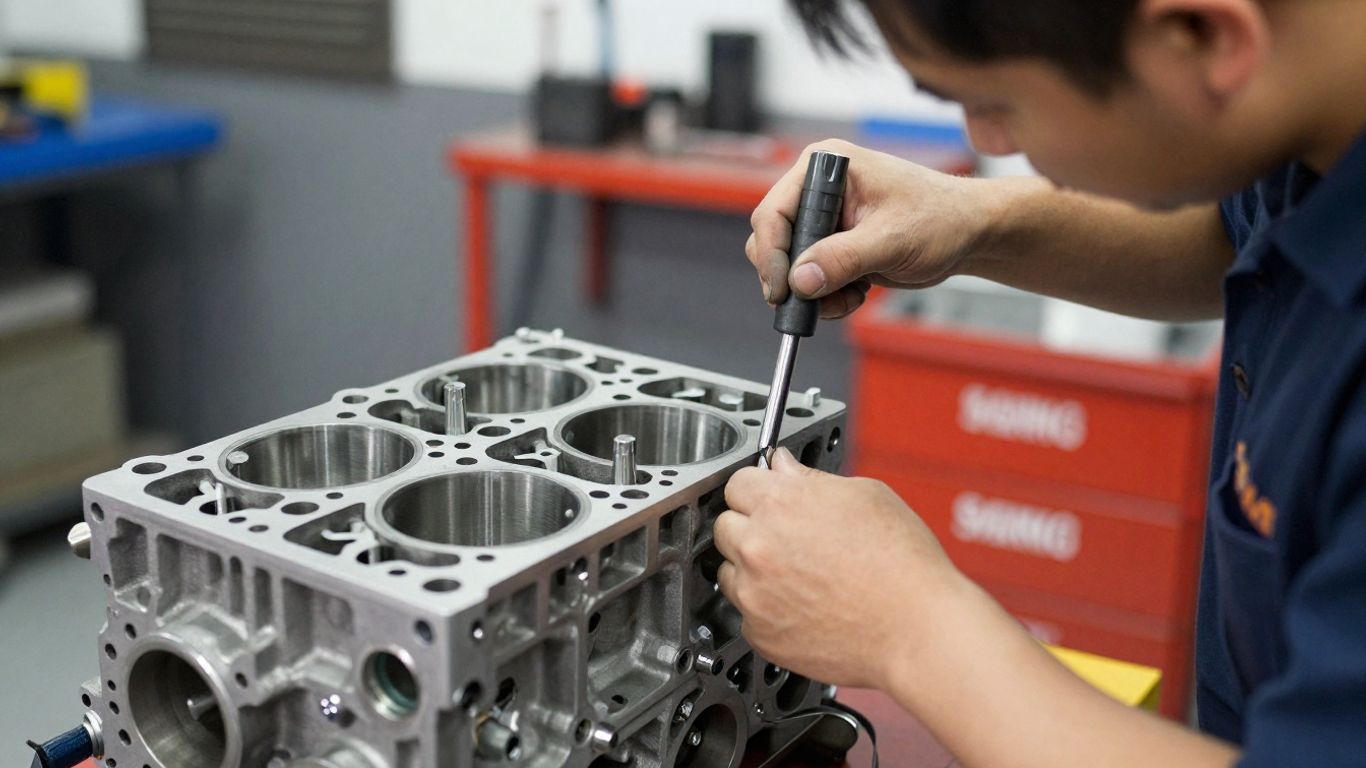
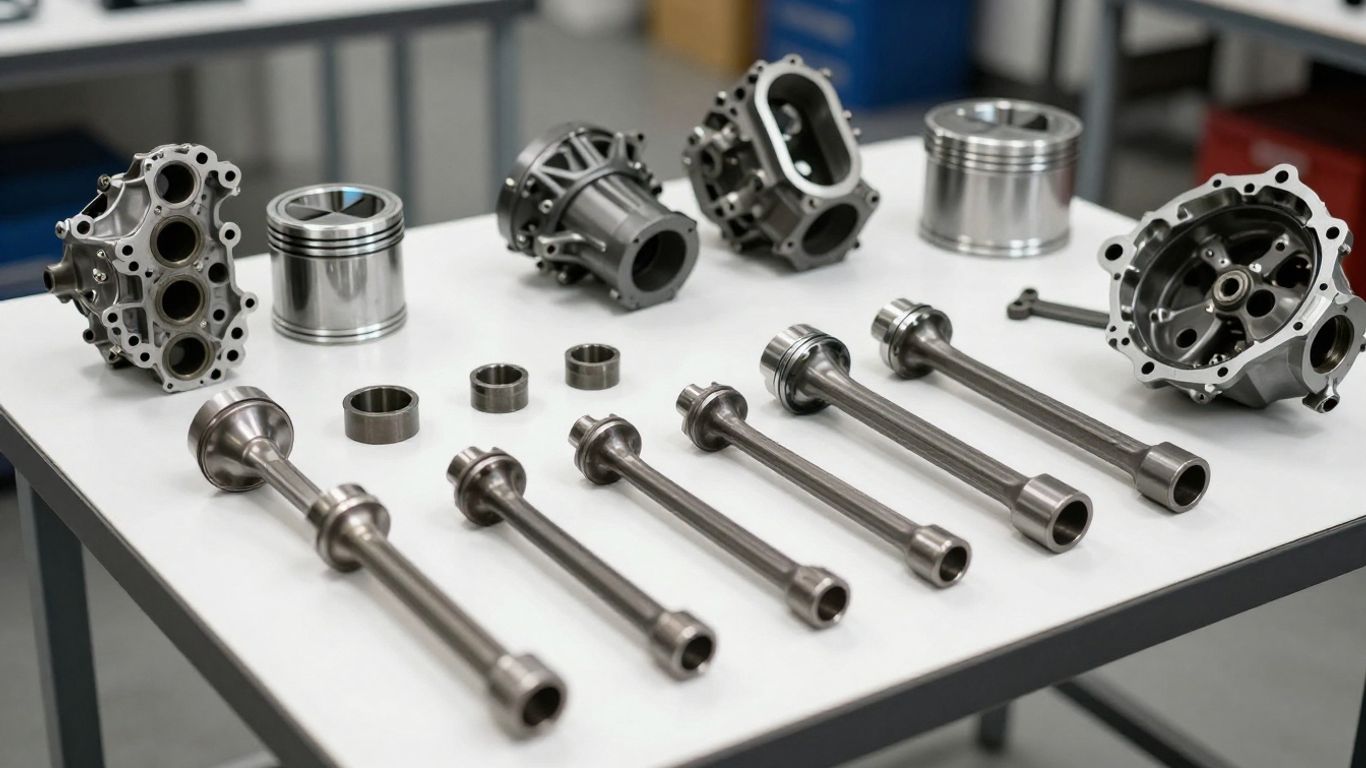
The short block engine is essentially the foundation of your powerplant, consisting of the cylinder block, crankshaft, pistons, and connecting rods. By focusing on these primary elements, builders create a balanced rotating assembly that serves as the heart of the engine. This stripped-down configuration provides a reliable starting point for enthusiasts who want to control the critical tolerances within their unique engine build.
The relationship between the block and rotating assembly
Engine integrity relies heavily on how the rotating assembly fits within the housing itself. When the block and internal components are machined to work in harmony, they minimize vibration and wear even under extreme driving conditions. Mastering the engine terminology involved in identifying these parts helps clarify why specific clearances are essential for long-term health.
Common scenarios for choosing a short block build
Many hobbyists prefer this route when they have specific performance targets that require custom camshaft profiles or unique rotating components. It is not just about engine customization; it is about creating a bespoke machine that matches a specific driver intent. High-performance builds often demand parts that standard factory assemblies simply do not include.
Understanding the long motor assembly
Variations in cylinder head integration
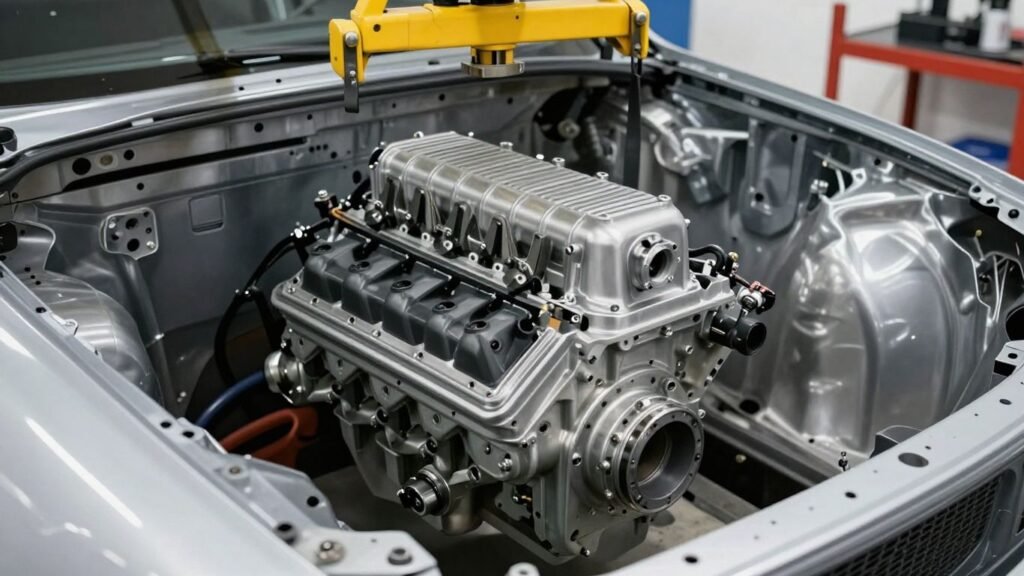
The long motor assembly builds upon the short block by adding the cylinder head and its peripherals. This integration means you receive a completed top end, which removes the need to perform complex valve work yourself. These units are often favored because they ensure that the head gasket and head bolts meet factory specifications right out of the box.
Valve train internal components included
In a standard long motor configuration, you can expect to find the valvetrain already carefully fitted and calibrated. Components such as the camshaft, valves, springs, and lifters are seated to allow for immediate engine performance. Because these parts are installed before the motor arrives, the risk of improper timing or valve misalignment is drastically reduced for the end user.
Why manufacturers prefer long motor assemblies
Manufacturers favor long motor configurations because they offer a comprehensive engine solution that minimizes the installation variable. By shipping an engine that is partially complete, companies ensure that their engineering designs are executed correctly during the initial factory assembly. This approach helps reduce the liability and complexity associated with field-based engine builds.
Key mechanical differences between motor types
Comparing sealing and gasket requirements
Sealing requirements differ significantly between short and long motors because a long block comes with a pre-installed head gasket. When working with ConEquip Parts & Equipment, you might note that long blocks require far less attention to surface prep compared to a bare engine. Below is a breakdown of how the workload typically shifts between these setups:
| Feature | Short Block | Long Motor |
|---|---|---|
| Assembly state | Partial | Mostly complete |
| Skill level | Advanced | Intermediate |
| Preparation | High | Low |
Differences in timing component installations
Timing components are a frequent source of trouble for home mechanics if not handled correctly. In a long motor setup, the timing chain and gears are usually fully enclosed and timed at the factory. Consider these essential maintenance tasks when deciding between motor types:
- Inspecting the primary drive belts and tensioners
- Verifying the oil gallery seals for proper pressure
- Checking the coolant housing for potential leaks
- Ensuring all external sensors are calibrated correctly
Complexity levels of the assembly process
Building from a short block involves a deep dive into the mechanical nuances of your specific vehicle. It is a process demanding extreme precision and significant focus on every single fastener. Conversely, a long motor allows for a more streamlined installation, as the most sensitive internal work is already performed by professional specialists.
Factors for choosing between motor types
Balancing budget constraints with installation costs
Choosing between engine types requires a realistic look at your total project budget, including labor and parts. While a short block might appear cheaper on paper, you must account for the additional cost of heads, gaskets, and professional machining services required to complete the assembly properly. Always keep in mind that data-driven decisions regarding your build should prioritize long-term reliability over immediate, front-end savings.
Assessing DIY assembly capabilities and tools
Being honest about your personal mechanical skill set is critical when deciding which route to take. If you do not possess high-end precision measuring tools such as micrometers or torque wrenches, a long motor will likely prevent the frustration of failed internal components. Mastering the mechanics of engine building takes years, and there is no shame in choosing a pre-assembled unit to get back on the road safely.
Defining long-term performance and customization goals
Your project goals will ultimately dictate your choice; racing applications usually demand the total control provided by a short block. If your goal is a reliable daily driver or a restoration, opting for a complete assembly might be the wiser path. This ensures you spend more time driving your vehicle and less time diagnosing complex internal assembly errors.
Considerations for engine replacements
Evaluating the health of existing peripherals
Before installing any new block, you must determine if the existing peripherals like the alternator, water pump, and induction system are still adequate for the engine. These parts often fail shortly after an engine install if they were already showing signs of age. Always audit your support systems so you do not carry over a dying component that could ruin your new investment.
Comparing warranty coverage for crate engines
Warranty coverage often differs depending on whether you purchase a short or long assembly. Manufacturers typically provide stronger protection for long motors because they have total control over the finished product. Make sure you read the fine print before making your final selection from an engine catalog.
Managing project timelines and mechanic labor hours
Labor hours add up quickly when you choose to build a short block, as the professional help needed for machine work is significant. A long motor typically gets a car back into service in a fraction of the time, which matters if the engine replacement is for a daily utility vehicle. Don’t worry about the long motor vs short motor jargon so much that you lose track of your primary objective: turning the key and driving.
Conclusion
Selecting the right engine foundation determines both the success of your build and the effort required to get your vehicle back in working order. While a short block invites deep customization and granular control, a long motor offers speed, convenience, and reduced risk of assembly errors. Understanding your personal skills, budget, and desired performance level will help you make a choice that protects your investment while achieving your automotive goals.
Frequently Asked Questions
Can I install a performance cam in a long block?
Yes, you can upgrade the camshaft in a long block, but it requires removing the cylinder head and timing cover, which adds a significant amount of labor to your project.
Is a long block always the better choice for beginners?
In most cases, a long block is preferable for beginners because it eliminates the need for complex internal work, like measuring bearing clearances and setting valve lash.
Does a short block include the timing assembly?
A short block typically includes the block, crankshaft, pistons, connecting rods, and sometimes the camshaft, but rarely the timing chain or gears required to synch the cylinders.
How does the weight differ between these engine types?
A long motor is slightly heavier than a short block due to the addition of external components like the cylinder heads, valve covers, and oil system parts.
Will a crate engine replacement require specific engine tuning?
Most crate engines, especially if they feature different performance specs than the original unit, will require an updated electronic tune to run safely and efficiently.
How long should I expect the initial break-in period to last?
Most professional engine builders recommend a break-in period of at least 500 miles, during which you should avoid high RPMs and heavy load conditions.
Is swapping a long motor more expensive than a short block swap?
While the sticker price of a long motor is higher, it is often more cost-effective once you factor in the labor and parts required to finish a short block assembly.