
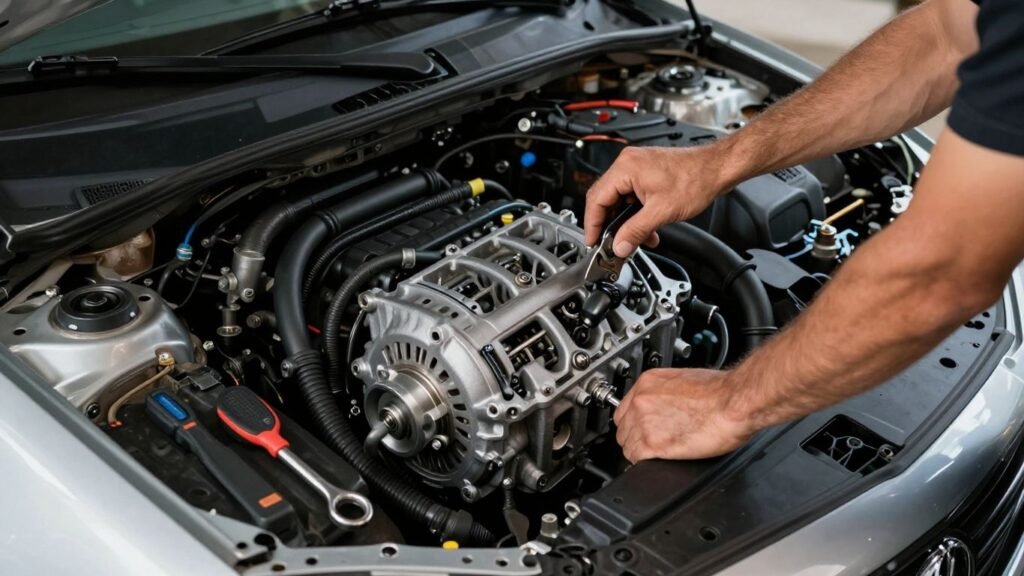
Key Takeaways
Buying used parts can save money if you approach the process with a clear understanding of potential risks and mechanical needs. Prioritizing quality and thorough inspection ensures that a budget-friendly repair does not lead to further vehicle issues.
- Low-mileage components often provide the best value.
- Testing voltage before installation prevents wasted effort.
- Salvage yards frequently offer better deals than retail shops.
- Physical damage indicates internal neglect that may affect performance.
- Reliable sellers usually provide detailed warranty information.
Benefits and risks of buying used alternators
Many vehicle owners explore secondary markets to avoid the high price tag of components sourced directly from automotive dealerships. While this approach offers significant financial relief, it requires a realistic perspective on how these parts have aged in previous service cycles. Balancing these financial savings against the uncertainty of pre-owned components is the first step in successful maintenance.
Evaluating the cost-benefit ratio of recycled parts
Choosing recycled hardware is often driven by the immediate need to restore electrical function without exhausting a household budget. When you browse sources like Wisconsin Auto Salvage News, you will find that the savings compared to brand-new units are substantial for most vehicle makes.
| Component Condition | Estimated Savings | Reliability Rating |
|---|---|---|
| Refurbished Unit | 20% | High |
| Tested Salvage | 50% | Medium |
| As-Is Part | 70% | Low |
This pricing structure makes it clear that while you pay less for salvaged goods, the primary tradeoff involves potentially lower reliability compared to professional rebuilds.
Understanding the potential for hidden mechanical wear
Internal components such as bearings and brushes naturally degrade over thousands of driving miles, regardless of how clean the outer casing appears. Even when you source your used alternators for sale from reputable yards, these internal pieces are subject to friction and heat cycles. You must accept that a used part has exhausted a portion of its total lifespan before you ever bolt it into your engine bay.
Managing expectations regarding component longevity
While some salvaged parts function perfectly for years, others might fail shortly after installation due to the natural fatigue of aging electronic windings. Planning for the possibility that a specific part may not last as long as an original equipment unit helps prevent frustration during unexpected service intervals. It is frequently a wise choice to buy from sellers who offer a clear warranty period to mitigate these inherent risks.
Where to find reliable used alternators for sale
Securing a quality replacement involves knowing which suppliers maintain the best inventories for various makes and models. The process usually centers on balancing the physical convenience of local pickup with the broad inventory reach of national databases. Regardless of the route, identifying sellers with transparent testing protocols is the best way to ensure the part will actually function upon arrival.
Leveraging local salvage yards and auto recyclers
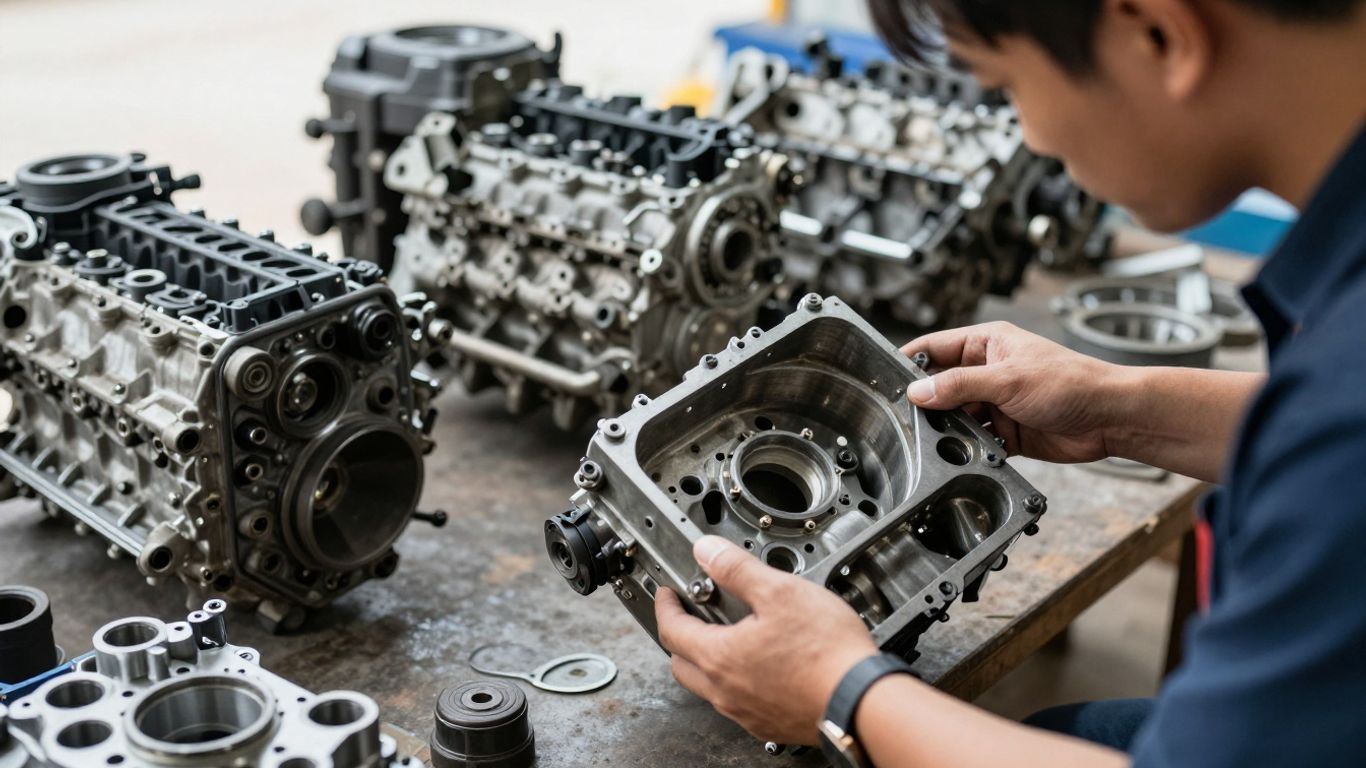
Local yards provide the immediate benefit of allowing you to personally inspect components before making a payment, which is rarely possible through long-distance shipping. Walking through a yard helps you identify the specific vehicle donor and assess whether the car experienced high-mileage wear or catastrophic damage that might have compromised nearby electrical systems.
Navigating online marketplaces and specialized parts portals
Digital marketplaces aggregate inventory from hundreds of suppliers, giving you access to parts that might not exist in your immediate geographic area. Many platforms allow you to filter by mileage or donor car history, which significantly increases your chances of finding a unit that still has substantial life remaining in its primary charging components.
Verifying seller reputation and return policy transparency
Before finalizing any transaction, check recent customer feedback to see if the vendor is known for honoring their stated return policies. Reliable sellers usually provide clear details on how they test their stock before shipment or public display. When you find a 6-month FREE warranty or similar protection, you gain an essential safety net that lowers the overall danger of purchasing pre-owned hardware.
What to look for when inspecting a used alternator
Visual assessment is your first line of defense against purchasing a unit that has already reached the point of mechanical failure. Because you cannot see the internal windings or diodes, you must rely on external clues to gauge the overall health of the metallic casing and moving parts. Taking five minutes to perform a physical sweep of the item often reveals issues that lead to immediate return requests.
Detecting signs of physical damage or casing cracks
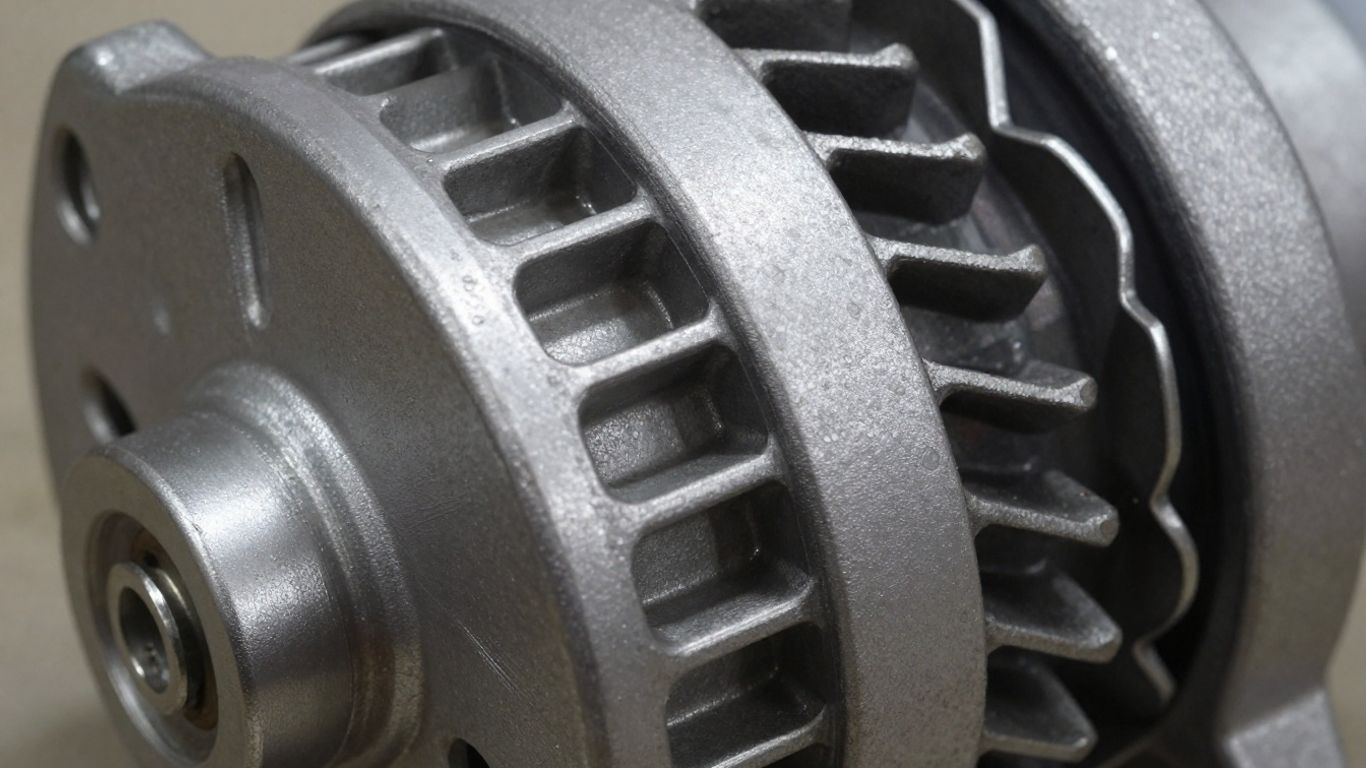
Surface-level cracks or deep gouges in the aluminum housing can indicate that the internal structure suffered an impact, potentially misaligning the internal rotor. A compromised casing often allows moisture or road debris to enter the internal cavity, leading to rapid corrosion of the electrical components hidden inside.
Assessing the condition of the pulley and cooling vents
Spin the pulley by hand to ensure it glides smoothly without catching or wobbling, as a seized pulley is a definitive sign of an internal bearing failure. Check the cooling vents for large accumulations of oil or road grime, which can obstruct airflow and cause the unit to overheat during operation. A clean vent system is a positive indicator that the alternator was not subjected to extreme environmental neglect.
Examining the integrity of electrical terminals and connectors
Check the wiring posts for signs of heat damage or melted plastic shielding, as these are common symptoms of an electrical short in the previous vehicle. If the connectors or terminal threads look stripped or heavily corroded, you will likely face significant challenges when trying to secure your own wiring harness to the unit, potentially causing poor signal flow or intermittent charging issues.
Testing used alternators before installation
Once you have acquired a part, verifying its output before you undergo the time-consuming process of engine fitment is highly recommended. Simple tools like a multimeter can provide a baseline for whether the unit is actually capable of generating current, though they cannot replicate driving conditions perfectly. Skipping this verification step can result in hours of wasted labor if the replacement unit arrives dead.
Performing basic multimeter voltage output tests
Use a standard multimeter set to DC voltage to verify if the alternator can produce the standard 13.5 to 14.5 volts necessary to float the battery. While a static test is not as thorough as a load test, it can quickly identify units that have failed diodes or open internal circuits that prevent basic power transmission.
Checking for internal noise indicating bearing failure
Listen closely as you spin the pulley; any grinding or metallic rasping noise usually indicates that the internal roller bearings have dried out or suffered impact damage. These sounds rarely disappear once the belt creates tension and begins to pull on the shaft, and they often progress into complete seizures rather quickly.
Determining if professional bench testing is necessary
If you have doubts about your multimeter results, many electrical repair shops offer low-cost bench tests that simulate high-speed rotation and electrical demand. Having the piece verified by a professional machine provides a much higher level of confidence before you attempt to squeeze it into a tight engine bay.
Installation tips for used alternators
Properly seating your replacement requires attention to detail, specifically regarding belt alignment and electrical security. A minor mistake during the physical installation can lead to rapid belt wear or poor charging performance even if the unit itself is in high-quality condition. Following the correct removal and replacement sequence ensures the unit operates according to the vehicle’s design specifications.
Essential safety precautions for handling electrical components
Disconnect the primary negative wire from your battery before touching any of the alternator connections to prevent accidental shorting of the main power cable against the engine block. Handling these parts with insulated tools whenever possible further reduces the chance of damaging delicate electronic pins on the alternator housing.
Correcting belt tension and alignment during fitment
Use a straightedge or sight-check the pulley grooves to ensure the belt sits squarely across all pulleys, as misalignment is a common cause of premature belt squeal or failure. After several initial test drives, it is good practice to re-check the belt tension, as new belts or replacement units often seat differently once heat and movement occur.
Troubleshooting common power issues post-installation
If the battery light remains illuminated on your dashboard after a successful installation, double-check that the excitation wire is fully seated in its harness port. Sometimes the contact points on the original vehicle harness have collected enough oxidation that they fail to register a signal to the newly installed unit, creating a false-negative status on your instrument panel.
Conclusion
Selecting pre-owned replacement parts empowers drivers to maintain their vehicles effectively while controlling repair costs. By applying careful inspection methods and ensuring proper installation, you can successfully integrate a functional unit that reliably supports your car’s electrical demands for thousands of miles to come.
Frequently Asked Questions
Is it always safe to buy used car parts?
Buying used parts carries inherent risks, but you can minimize these by sourcing from reputable sellers who test their inventory and offer a verified return policy.
What does an alternator actually do in a car?
The alternator provides electrical power to the vehicle systems while the engine is running and simultaneously keeps the battery at its proper voltage level.
Can I install a used alternator myself?
Yes, provided you have the basic hand tools and feel comfortable disconnecting battery cables and adjusting serpentine belts, DIY installation is a viable way to save money.
Why does an alternator fail prematurely?
Common causes include improper belt tension, extreme environmental heat, electrical accessories that strain the system, or simple age-related wear on internal bearings and brushes.
How long should a used alternator last?
Longevity varies heavily based on the mileage of the donor vehicle, but a healthy used unit should theoretically provide thousands of miles of continued service.
What are the main signs of a bad alternator?
Watch for dimming headlights, intermittent radio or accessory power, battery warning lights appearing in the dashboard, or a noticeable whining sound from the engine bay.
Do I need to replace the belt when I install a new alternator?
It is often wise to inspect the drive belt during the change, as installing a new part is the perfect opportunity to ensure the belt system is in peak condition to prevent future slips.