

Key Takeaways
A non-running motor can be a worthwhile rebuild project, but only if its identity, condition, and full cost make sense for your vehicle.
- Confirm the engine code and configuration before paying.
- Ask why the motor stopped running and inspect it in person when possible.
- Budget for machine work, parts, labor, and hidden damage.
- Put the seller’s claims, included components, and return terms in writing.
- Store the motor carefully and inspect it before ordering rebuild parts.
Where to find non-running motors
Finding a suitable engine takes more than searching for a low price. Salvage yards, online listings, repair shops, and private sellers each offer different levels of information and access. Compare the seller’s knowledge and the opportunity to inspect the motor as carefully as the asking price.
Salvage yards and auto recyclers
Salvage yards and auto recyclers may have engines removed from vehicles after collision damage or other end-of-life events. Ask whether the yard knows why the vehicle was retired, whether the engine was running before removal, and whether it has any inspection or return policy. A supplier that connects customers with used, genuine, and aftermarket parts can also be a practical place to ask about availability across different vehicle makes and models.
Some listings describe engines as interchangeable long blocks, but the details and conditions matter. Read the seller’s own terms about fitment and warranty rather than assuming that a similar year or model is a direct match; one example is this information on interchangeable long-block terms. An engine sold without a running test still needs a careful condition check.
Online marketplaces and auction sites
Online listings make it easy to compare asking prices, but photos and brief descriptions rarely establish an engine’s actual condition. Search by engine code as well as vehicle model, and ask the seller for clear pictures of the block, identification marks, and any visible damage. A search can also surface unrelated pages, such as Lluis Law, CognitiveMetrics, OLLY PBC, an SEO guide, or information on pancreatic cancer; check that a result is genuinely about the engine you are researching.
Auctions may have short inspection windows or limited return options, so set a maximum bid that leaves room for transport and unknown repairs. If the listing does not say whether the crank turns or which parts are included, ask before bidding. A low price is less attractive when important details remain unanswered.
Repair shops, engine builders, and private sellers
A repair shop or engine builder may know of a motor that was set aside after a project changed direction, while a private seller may be able to explain how the engine failed. Ask for specific details rather than accepting a broad description such as “needs a rebuild.” A parts supplier’s network can also help you check whether the components you will need are available before committing to a project.
A conversation is useful, but it is not a substitute for an inspection. Ask where the motor has been stored, whether it has been opened, and whether loose parts come with it. If the seller cannot answer basic questions, treat that uncertainty as part of the purchase risk.
How to confirm the engine will fit
Fitment is more involved than matching a vehicle’s make and model. Engine codes, production-year changes, transmission combinations, and electronic systems can all affect whether a motor is suitable. Confirm the details against your vehicle identification and a reliable parts reference before arranging payment or transport.
Match the engine code, year, and configuration
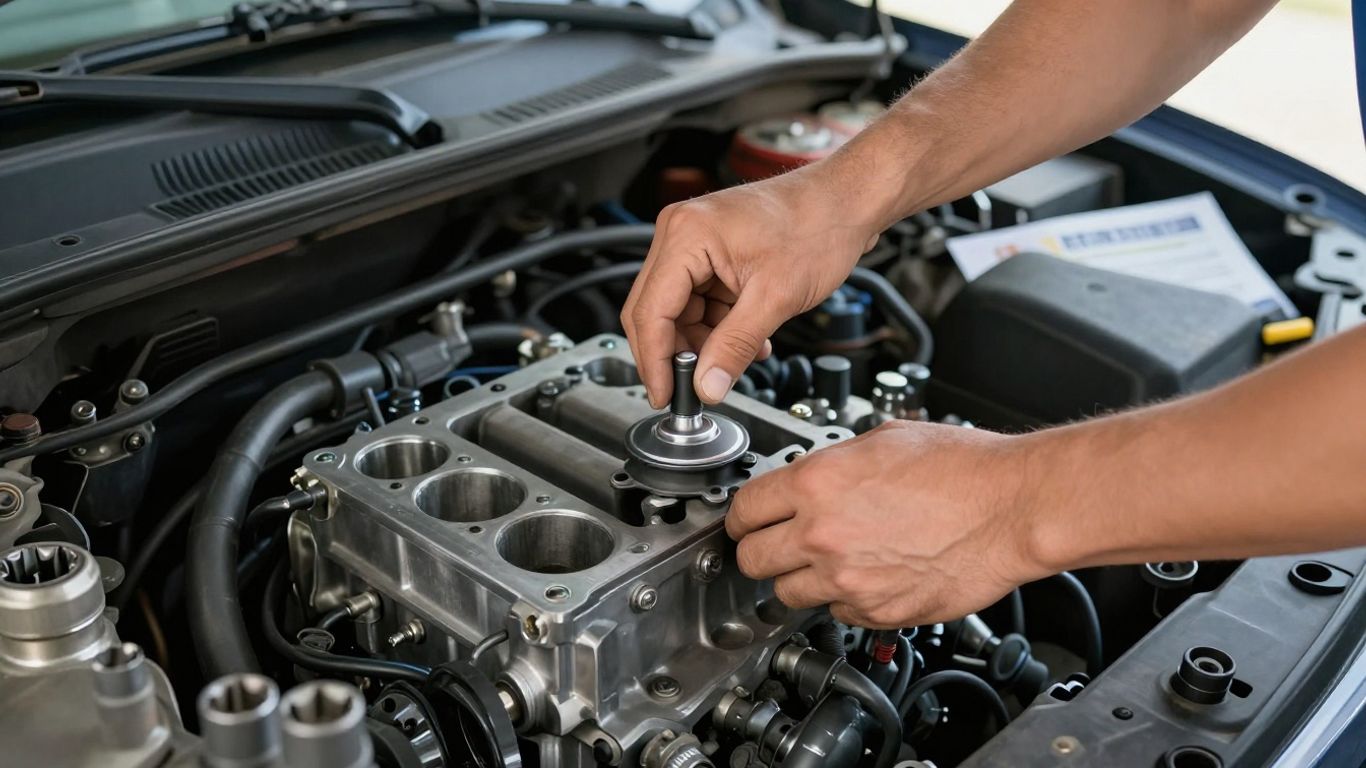
Find the engine code on the vehicle’s existing engine or in its service information, then compare it with the code on the candidate motor. Check displacement, fuel type, cylinder configuration, and relevant production-year changes; two engines with the same advertised size may still differ in important ways. Photograph the identification marks and ask the seller to confirm them in writing.
When a vehicle has had earlier repairs or modifications, its current engine may not be the original configuration. In that case, use the vehicle identification number and a reliable parts catalogue to establish what belongs in the vehicle before assuming the current setup is the correct reference.
Check compatibility with the vehicle’s transmission and electronics
A mechanically similar engine can still require different mounts, sensors, wiring, or control components. Check whether the motor matches the transmission and whether the engine management system can work with the proposed configuration. If the replacement is not an exact match, get a qualified mechanic or engine builder to identify the additional work before you buy.
Make a short list of components that must match, then compare it with what the seller says is included. That simple step can reveal that an apparently complete engine is missing parts needed for installation or integration with the vehicle’s electronics.
Verify title, ownership, and emissions requirements
Ask for a receipt and enough information to document where the engine came from. Rules for engine swaps, emissions compliance, and required paperwork vary by location and vehicle, so check with the relevant local authority before buying. Do not assume that a motor that physically fits will meet the requirements for road use.
If the engine is being installed in a vehicle subject to emissions testing, confirm what configuration and documentation are acceptable before starting the project. Keeping the seller’s identification details and transaction records makes it easier to show what you bought and when.
How to assess a motor that will not start
A motor that will not start could have a relatively contained fault or serious internal damage. Without a running test, the buyer has to rely on its history, visible condition, and inspection access. Treat every unanswered question as uncertainty that may affect your budget.
Ask about its history and why it stopped running
Ask when the motor last ran, what symptoms appeared, and whether it stopped suddenly or was removed during unrelated work. Find out whether it overheated, lost oil pressure, made knocking noises, or had water or debris enter the intake. Service records, prior test results, and the vehicle’s history can help put the seller’s explanation in context.
Ask whether the engine has been opened or partially dismantled, too. A motor described as a rebuild project may be missing fasteners or internal pieces, and that can make it harder to assess both its condition and its eventual cost.
Inspect for cracks, corrosion, and signs of overheating
Look closely around the block, cylinder head, and coolant passages for cracks, heavy corrosion, or evidence of past leaks. Check for damaged threads, broken mounting points, and signs that the engine has been exposed to water or left outdoors. Discoloration, warped surfaces, or damaged hoses and fittings may point to overheating or poor storage, though appearance alone cannot confirm the cause.
Use a light and inspect accessible areas from several angles. Photograph anything questionable and ask a mechanic or machine shop to assess it before you make a final decision, particularly if a crack or severe corrosion could make the core unusable.
Check whether the crankshaft turns by hand
If the seller permits it and the engine is safely positioned, a mechanic can check whether the crankshaft turns by hand using the appropriate tool and procedure. Do not force it. Resistance may have several causes, including normal compression, corrosion, or a seized component, so a single check cannot prove that an engine is sound.
A crank that will not turn is a reason to pause and investigate further. Ask whether the obstruction has been diagnosed and factor the possibility of major internal damage into your offer rather than treating the motor as a known-good core.
Look for signs of internal damage or contamination
Inspect accessible openings and, when possible, the oil and coolant for signs of metal debris, sludge, or cross-contamination. A borescope or professional inspection may reveal cylinder damage that is not visible from the outside. The findings can guide the next step, but an engine that has not been dismantled cannot be fully assessed from a quick external check.
A careful buyer keeps observations separate from assumptions: a clean exterior does not establish good internal condition, and discoloration alone does not identify a specific failure. If the evidence is uncertain, price the motor as an unknown core or move on.
How to estimate rebuild costs
The purchase price is only one part of a rebuild budget. Machine work, replacement parts, labor, transport, and damage found during teardown can change the total substantially. Get estimates for the work likely to be needed before deciding that a cheap motor is a good value.
Price machine work, replacement parts, and labor
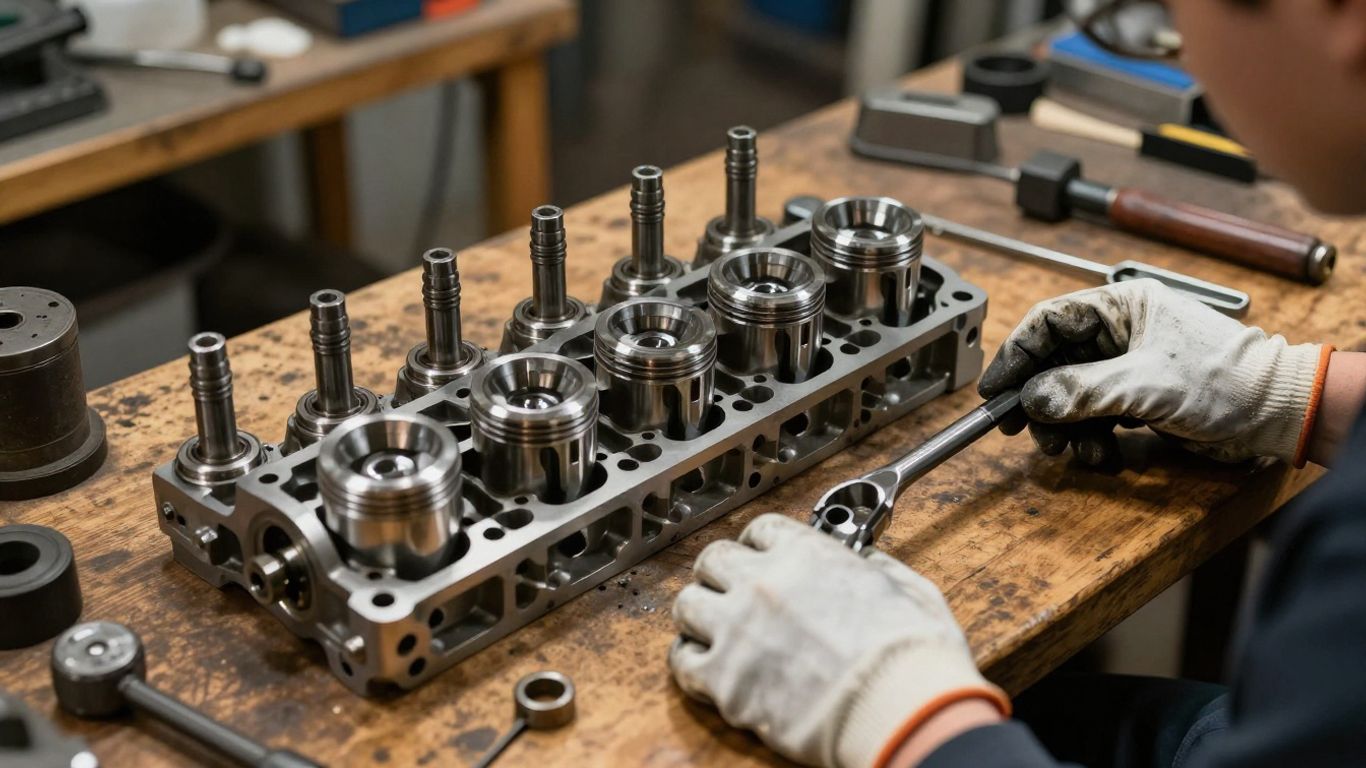
Ask a machine shop or engine builder what inspections and services are likely for this particular engine, then request estimates for parts and labor separately. The scope may change after teardown, but an early estimate gives you a reasonable starting point. Include seals, gaskets, bearings, and other planned replacement items rather than budgeting only for the most visible components.
A simple cost breakdown makes estimates easier to compare. Use the same assumptions for each option, and mark any figure that is still unconfirmed so it does not look like a firm quote.
| Cost area | Questions to ask | Why it matters |
|---|---|---|
| Machine work | Which measurements or services are anticipated? | The block or head may need work beyond cleaning. |
| Replacement parts | Which items are included in the estimate? | A partial parts list can understate the total. |
| Labor | What teardown and assembly tasks are covered? | Estimates may differ in scope. |
| Transport and supplies | Are pickup, storage, and fluids included? | These expenses can add up around the rebuild. |
Once you have the estimates, compare their scope rather than just the bottom-line numbers. A lower quote may leave out services or components that another shop has included.
Account for hard-to-find components and delays
Before buying, check whether essential components are readily available for the engine code and configuration. An uncommon casting, sensor, or internal part can delay work while you search for a suitable replacement. Ask the builder which parts are essential to start the job and which can be sourced after the teardown inspection.
Delays can also affect storage and project planning. If the vehicle will be unavailable while parts are sourced, consider that inconvenience alongside the direct costs rather than relying on an optimistic completion date.
Compare the total rebuild cost with a running engine
Compare the estimated rebuild total with the price of a suitable running engine, including installation, required ancillary parts, and any applicable warranty terms. The two options may not have the same condition or documentation, so review what each price actually includes. A running engine can reduce uncertainty, but it is still important to confirm fitment and seller terms.
For a broader decision about rebuilding or replacing a diesel engine, this rebuild-versus-replacement guide offers a useful comparison point. The right choice for your project depends on the specific vehicle, the engine’s condition, and the full cost—not a general rule about which option is always better.
Set a budget for unexpected damage
Set aside a contingency before you buy, because hidden damage may only become visible after the engine is opened. The amount depends on your tolerance for risk and the condition of the motor, but the key is to decide the limit in advance. If the likely total would exceed your budget after one or two major surprises, look for a better-documented engine.
Write down the maximum amount you are willing to spend on purchase, transport, and rebuilding together. That keeps a low starting price from pulling the project beyond what you can reasonably finish.
How to buy with less risk
A cautious purchase begins with useful evidence and clear expectations. Ask what you can inspect, what the sale includes, and what happens if the motor differs from its description. Put the answers in writing before arranging pickup.
Request photos, records, and inspection access
Request recent photos of the engine from all sides, including identification marks, openings, and any damaged areas. Ask for service records or test results if they exist, and arrange an in-person inspection or a mechanic’s review when possible. If access is refused, decide whether the remaining uncertainty is acceptable before proceeding.
The goal is not to demand proof the seller cannot reasonably provide; it is to establish what is known and what is not. Keep copies of the listing and the seller’s answers so you can compare the delivered motor with what was represented.
Clarify what accessories and components are included
“Engine included” can mean different things from one sale to another. Confirm whether the intake, exhaust components, sensors, wiring, brackets, flywheel or flexplate, and other relevant pieces are part of the deal. Ask how loose items will be packed and labeled so small parts are not separated during transport.
A written inventory helps you identify what may need to be sourced later. It can also prevent a disagreement over whether a missing accessory was part of the original sale.
Get the seller’s condition claims and return terms in writing
Record the seller’s description of the motor, including whether it has been tested, whether it turns, and what damage or missing parts are known. Read any return conditions closely, including time limits, inspection requirements, and actions that would end eligibility. If there is no return option, account for that risk in the price you are willing to pay.
Keep the transaction record, messages, and receipt together. Clear documentation cannot guarantee a trouble-free rebuild, but it does reduce confusion about what was promised.
Arrange safe pickup and transport
An engine is heavy and awkward to secure, so plan the lifting equipment, vehicle capacity, and tie-down points before collection. Ask the seller how the motor will be prepared for loading and bring suitable straps, a rated hoist or lifting arrangement, and help if needed. Do not rely on improvised supports or unsecured cargo.
Confirm the pickup time, access conditions, and who is responsible for loading. If you are unfamiliar with engine transport, arrange professional help; safe handling matters more than saving a small amount on delivery.
How to prepare the motor for rebuilding
Once the motor arrives, careful handling preserves what can be reused and makes the first inspection easier. Record its condition before moving or dismantling anything, then keep components protected and organized. A tidy setup will save time when the engine builder begins evaluating it.
Label and inventory loose parts
Photograph the engine as delivered and make a list of every loose component before taking anything apart. Label parts by location or assembly, and keep fasteners in marked containers. If a component’s original position is unclear, note that rather than guessing.
A basic inventory is useful when comparing what arrived with the seller’s description. It also helps the builder distinguish included parts from items that need to be sourced.
Protect openings and machined surfaces during storage
Cover intake, exhaust, coolant, and oil openings with clean caps or suitable protective material to keep dust and moisture out. Keep machined surfaces from rubbing against tools or other parts, and avoid placing loose hardware where it can scratch them. Do not use coverings that trap moisture against exposed metal.
When parts are eventually cleaned for inspection, keep abrasive debris and dirt away from open passages. Small contamination can create extra work later, so protect the engine even during a short storage period.
Keep the engine dry and off the ground
Store the engine in a dry, stable location on a suitable stand or secure pallet, rather than directly on concrete or soil. Protect it from rain and condensation while allowing the area to remain ventilated. Check the storage space periodically for leaks, standing water, or damaged covers.
If the motor must be moved, secure it so it cannot tip or shift. Stable storage protects both the engine and anyone working nearby.
Plan an initial teardown and inspection before ordering parts
Before ordering a complete rebuild kit, agree on an initial teardown and inspection plan with the person doing the work. Measurements and inspection findings determine which parts are reusable and which sizes or specifications are needed. Ordering too early can leave you with incorrect components or a kit that does not cover the actual damage.
Use the inspection findings to update the budget and decide whether to continue. This is the point where a promising project should be reassessed against the original cost limit, not simply pushed forward because money has already been spent.
Conclusion
Buying a non-running motor for rebuilding can work well when you verify the fit, inspect what you can, and budget for uncertainty before committing. Take time to document the seller’s claims, transport the engine safely, and let teardown findings guide parts orders; a careful process gives the project a better chance of staying within reach.
Frequently Asked Questions
Is a non-running motor always rebuildable?
No. Cracks, severe corrosion, or extensive internal damage may make a motor unsuitable or uneconomical to rebuild. Inspection and measurements are needed to assess the core.
What should I ask the seller first?
Ask when the engine last ran, why it stopped, whether it turns by hand, what parts are included, and whether any inspection or return terms apply. Request records and recent photos where available.
Can I buy an engine based only on the vehicle model?
That is risky. Confirm the engine code, year, configuration, transmission compatibility, and relevant electronics rather than relying on a model name alone.
Does a crankshaft that turns mean the engine is good?
No. Turning by hand only shows that it is not completely locked under that check. It does not establish the condition of bearings, cylinders, valves, or other internal components.
How much should I budget for a rebuild?
There is no single reliable figure. Costs depend on machine work, replacement parts, labor, transport, and damage found during teardown, so get estimates based on the specific engine.
Should I order rebuild parts before dismantling the motor?
Usually, wait until inspection and measurements confirm what is needed. Early ordering can result in incorrect parts or missed damage that changes the rebuild plan.
How should I store a motor before rebuilding?
Keep it stable, dry, and off the ground, protect openings and machined surfaces, and label loose parts. Check it periodically so moisture or contamination does not go unnoticed.