

Key Takeaways
A starter motor problem can look much like a weak battery, so a quick diagnosis matters before you pay for parts. If you need motor fitted today, having the right vehicle details and access information ready can make same-day help much easier to arrange.
- Check the battery, cables, and starter symptoms before approving replacement.
- Ask whether a mobile mechanic or workshop can complete the job today.
- Provide the vehicle identification number, engine details, and location when booking.
- Compare the part type, labor, warranty, and total price—not just the headline quote.
- Test the starting and charging systems after fitting, then watch for recurring symptoms.
Confirm whether the starter motor is the problem
A car that will not start does not automatically need a starter motor. Battery voltage, corroded connections, a charging fault, or an engine issue can create similar symptoms. A sensible first step is to observe exactly what happens when you turn the key or press the start button, rather than repeatedly trying to crank the vehicle.
Common symptoms of starter motor failure
A failed or failing starter may produce a single click, repeated clicking, a grinding sound, or no sound at all while the dashboard lights remain on. The engine may fail to crank, or it may start intermittently and then refuse to start again after the vehicle has been driven. Smoke, a burning smell, or an oil-soaked component calls for extra caution and a professional inspection.
These signs are useful clues, not proof by themselves. A starter motor warning guide can help you organize the symptoms you have noticed before speaking with a mechanic.
How to distinguish a flat battery from a bad starter
A flat battery often causes dim interior or dashboard lights, sluggish cranking, or rapid clicking. A bad connection can behave in much the same way, especially if a terminal or ground strap is loose or corroded. If the lights stay bright but the engine does not crank and the electrical supply reaches the starter, the starter becomes more suspect, though testing is still needed.
Do not keep jump-starting the vehicle as a substitute for diagnosis. A technician can check battery condition, cable voltage drop, and starter operation in a logical order.
When clicking, grinding, or silence needs urgent attention
A click with no crank may leave you stranded, while grinding can indicate that the starter gear is not engaging correctly with the flywheel. Continuing to try the key when metal-on-metal noises are present may increase damage. Silence can also be urgent when the vehicle is needed for work, medical appointments, or a journey and there is no reliable backup.
If there is smoke or a strong burning odor, stop attempting to start the car and move away from traffic if it is safe. Arrange assistance rather than driving or repeatedly energizing a possibly overheated component.
Why an accurate diagnosis prevents unnecessary replacement
Replacing a starter will not fix a battery that cannot hold a charge or a cable that cannot carry current. Diagnosis also helps identify a damaged flywheel, faulty solenoid, or charging-system problem that could affect the replacement. The goal is not simply to install a part quickly; it is to restore dependable starting without creating another failure.
A written explanation of the test results is useful if the recommended work changes after inspection. It also gives you something concrete to compare when reviewing quotes.
Find a same-day starter motor fitting service
When time matters, search for a mechanic who clearly handles starter motor diagnosis and replacement, offers mobile attendance where appropriate, and states how availability is confirmed. A same-day request is not the same as a guaranteed appointment, because part supply, vehicle access, and job complexity can change the schedule. Be direct about the symptoms and the time by which the vehicle needs to be usable.
What to search for in a local mechanic
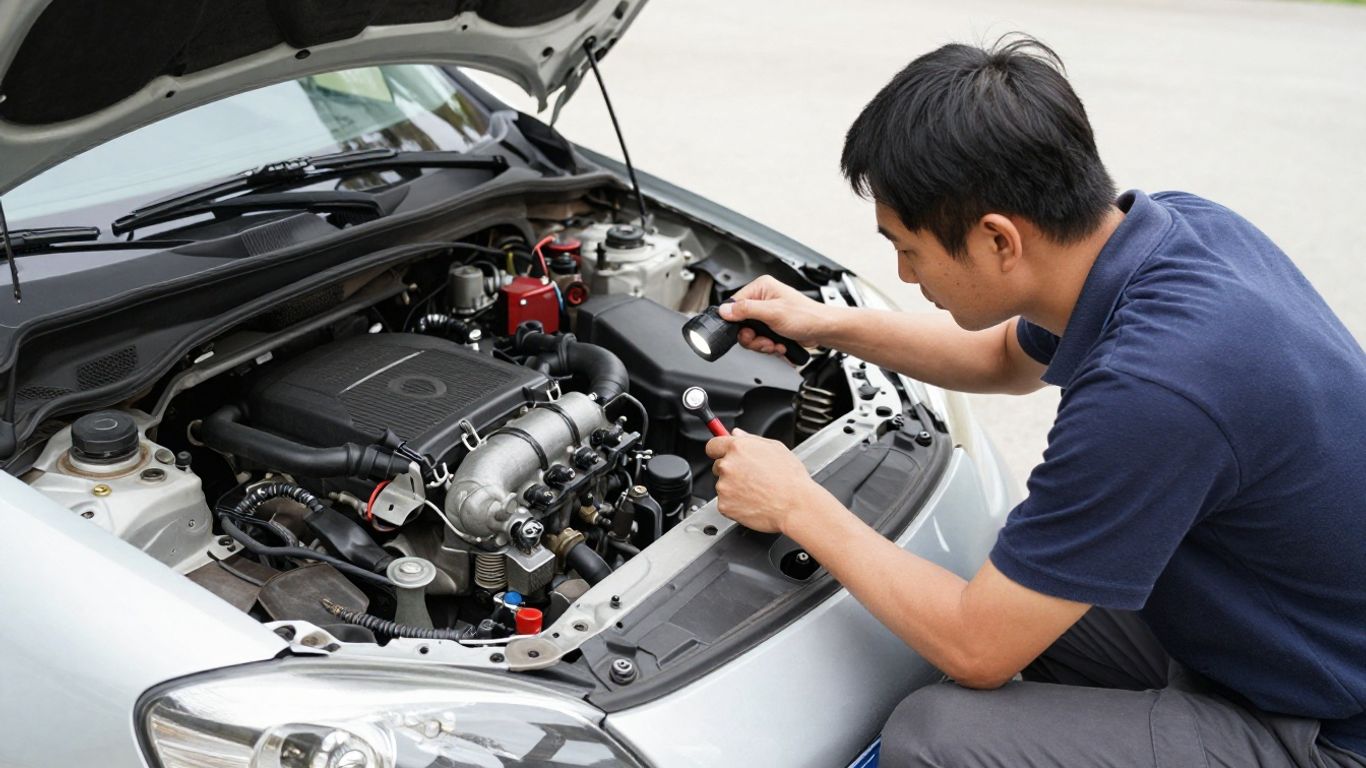
Use terms such as starter motor replacement, same-day auto electrical service, mobile mechanic, and your location. Check whether the service covers diagnosis as well as fitting, since the initial fault may not be the motor itself. Auto Advisor connects people with trusted mobile mechanics, provides free quotes from local garages in three steps, and says payment is not required until the job is done and the car is running smoothly.
Read the service description carefully and look for a clear process for confirming the part and appointment. A page about starter motor repair may also help you prepare sensible questions before you call.
Questions to ask about availability and turnaround time
A short call can reveal whether “today” means an arrival window, a diagnosis today, or a completed repair today. Ask whether the correct motor is already available, whether diagnosis is included, and what happens if the quoted part is not the right application. It is also worth asking how long the vehicle may need to remain accessible.
Before booking, cover the practical points that most often cause delays:
- What is the earliest realistic arrival window?
- Is the replacement part in stock or ordered after diagnosis?
- Is labor included in the quoted total?
- Can the job be completed where the vehicle is parked?
The answers help separate a genuine same-day plan from a vague promise. Keep the name of the person who confirmed the booking and ask for the agreed price or price range in writing.
Mobile mechanic versus workshop fitting
A mobile mechanic can be useful when the vehicle will not crank or cannot be driven safely. The technician may diagnose and fit the motor at the roadside, driveway, or workplace, provided there is enough space and safe access. A workshop may be preferable when the vehicle has additional electrical or mechanical damage, needs lifting equipment, or requires more extensive testing.
Neither option is automatically faster. The right choice depends on the fault, the location, the part, and the equipment required. Mobile starter services describe on-site diagnosis, battery and connection checks, voltage tests, and starter-solenoid testing, which are the kinds of details to confirm with any provider.
How vehicle make, model, and engine affect scheduling
Starter motors are not universal. The year, exact model, engine, transmission, fuel type, and sometimes the vehicle identification number can change the correct application and the access time. A compact engine bay or an unusual mounting arrangement may turn a straightforward fitting into a longer appointment.
Give the mechanic the full specification at the first contact. If the vehicle is modified, recently repaired, or fitted with an unusual engine, mention that too rather than waiting until the technician arrives.
Prepare the details needed for a fast booking
Good information reduces the back-and-forth between you, the mechanic, and the parts supplier. Have the registration or license plate, VIN if available, mileage, location, and a concise description of the failure ready. If you need motor fitted today, explain the deadline without overstating what you know about the diagnosis.
The more accurate the first message, the easier it is to identify a likely part and realistic appointment window. It also makes later changes to the quote easier to understand.
Information to provide when requesting a quote
Tell the provider what happens when you try to start the vehicle: one click, repeated clicks, grinding, slow cranking, or silence. Include whether the dashboard lights are normal, whether a jump-start was attempted, and whether the vehicle starts intermittently. Give the exact parking location and say whether the car is in a garage, on a slope, behind another vehicle, or in a restricted-access lot.
Ask for the quote to separate the likely part cost, labor, call-out or diagnostic charge, taxes, and any possible extras. That structure is more useful than a single unexplained total.
How to check the correct starter motor specification
The vehicle identification number and engine code are usually more reliable than a general online search. Ask for the replacement part number and confirm that it matches the vehicle application before fitting. Tooth count, mounting points, electrical connections, output, and physical dimensions can matter, so do not assume that a motor that looks similar is suitable.
This is a point where careful catalog checking protects both the vehicle and your budget. A part-number verification checklist discusses how catalog information can help establish whether the fitted motor matches the vehicle and identify the correct alternative.
Why vehicle access and parking conditions matter
A mechanic needs enough room to open the hood, raise the vehicle if required, and work without putting people or traffic at risk. A locked parking garage, narrow driveway, soft ground, or steep slope may rule out mobile fitting or require the car to be moved first. Tell the provider about these conditions before the appointment.
Clear access also saves time. Remove belongings around the vehicle, keep the keys available, and arrange permission if the car is parked at work or in a managed building.
What parts and tools the mechanic may need
The technician may need the starter motor, replacement fasteners, electrical terminals, cleaning materials, and equipment for battery and voltage testing. Some vehicles require additional access work, while others have limited space around the motor. If the diagnosis reveals damaged wiring or a related flywheel issue, the original job may need to pause for approval.
A provider should explain any change before carrying out extra work. That conversation is much easier when you have already agreed on an inspection process and a maximum spend for unapproved additions.
Understand starter motor replacement costs
The total price depends on the vehicle, the part selected, access to the old motor, local labor rates, and whether diagnosis finds another fault. Same-day scheduling can also affect availability and call-out costs. A cheap initial figure may not include testing, taxes, disposal, or a difficult-access surcharge, so ask what the number covers.
There is no useful single price for every vehicle. Instead, compare like-for-like quotes with the part specification and labor clearly shown.
Typical factors that change the total price
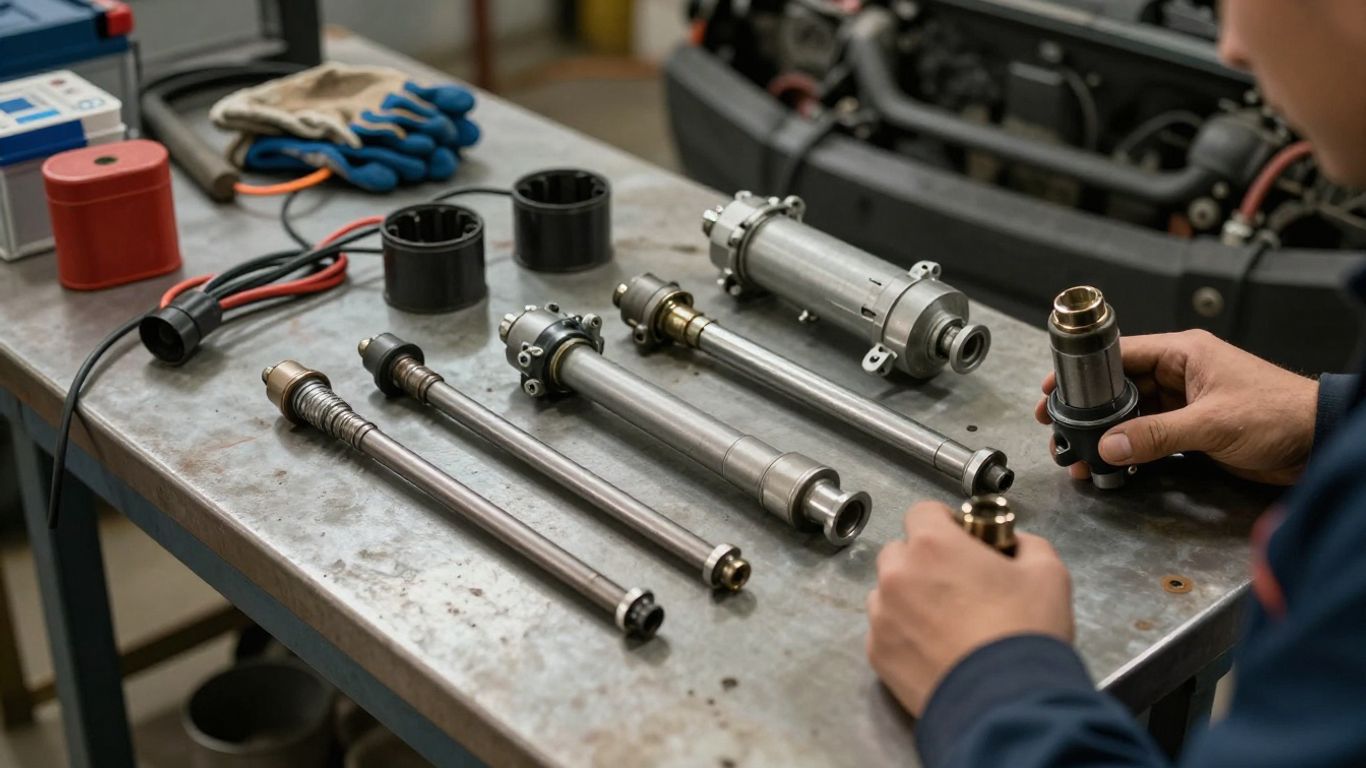
Engine layout is often a major factor because a starter that is easy to reach can take much less time to remove than one buried beneath other components. Part availability, vehicle age, transmission type, and whether connections or mounting hardware need attention can also change the total. Location and the provider’s pricing structure matter as well.
The following overview shows why two otherwise similar bookings may not cost the same:
| Cost factor | Lower-complexity example | Higher-complexity example |
|---|---|---|
| Part choice | Widely available remanufactured unit | New or less common application |
| Access | Starter is easy to reach | Components must be moved for access |
| Diagnosis | Clear failure after basic tests | Battery, wiring, or flywheel also needs testing |
| Scheduling | Workshop appointment nearby | Mobile call-out with limited same-day stock |
Use the differences as prompts for questions, not as a prediction of your exact bill. A transparent quote should explain which factors apply to your vehicle.
New, remanufactured, and used starter motors
A new unit is unused and may come with the manufacturer’s warranty, while a remanufactured unit has been rebuilt and tested according to the supplier’s process. A used motor may cost less, but its history, condition, and warranty can be more limited. The best choice depends on the vehicle’s value, part availability, expected use, and the protection offered with the fitting.
Ask whether the part includes a return or core-charge arrangement and whether the warranty covers the component only or also the labor to remove and refit it. Get those details before approval.
Labour charges for same-day fitting
Labor reflects the estimated fitting time, the technician’s location, diagnostic work, and the equipment needed. Mobile appointments may include travel or call-out charges, while a workshop quote may include facility costs in a different way. A same-day booking can also involve time spent sourcing the correct part.
The useful question is not simply “how much is labor?” Ask what the labor line includes, how long the estimate assumes, and what would cause it to change. Auto Advisor is described as a way to obtain and compare free local-garage quotes, which can be helpful when you need several prices quickly.
How to compare quotes without choosing on price alone
Check that every quote is for the same vehicle application and part type. Confirm diagnosis, labor, call-out, taxes, warranty, disposal, and any follow-up testing. A lower quote may be less useful if it excludes the electrical checks or offers little protection if the part fails.
A reliable provider should be willing to explain the work in plain language. A clear written quote is often more valuable than a slightly lower figure that leaves key terms unstated.
Know what happens during the fitting
A professional fitting should begin with confirmation of the fault and the correct replacement, not with immediate removal of the old motor. The technician will work through electrical checks, access the starter safely, install the part, and test the vehicle. The exact sequence varies by vehicle, but the reasoning should remain visible to you.
If the findings differ from the initial quote, ask for an explanation and approval before extra work begins. That keeps a rushed repair from becoming an unclear one.
Initial electrical and battery checks
The technician may inspect battery condition, terminal security, ground connections, fuses, cable voltage drop, and the starter circuit. These checks help distinguish a motor fault from insufficient power or a control problem. Testing before removal also creates a useful baseline for the final check.
Do not be concerned if the first part of the appointment appears to be testing rather than fitting. Skipping that stage can lead to a new motor being installed when the real fault lies elsewhere.
Removing the failed starter motor
After isolating the electrical supply, the technician identifies the starter’s connections and mounting hardware. Nearby components may need to be moved, and the motor can be heavy or awkward to handle in a confined engine bay. The old unit should be compared with the replacement before installation.
If the mounting points, connector, or drive gear do not match, the work should stop while the application is checked. Forcing an incorrect part into place can cause further damage.
Installing and testing the replacement
The replacement is secured, the electrical connections are tightened, and removed components are refitted. The technician then tests starting behavior and listens for abnormal engagement, grinding, or unusual noise. Battery and charging readings may be checked again so the new motor is not immediately exposed to an unresolved electrical fault.
A single successful start is encouraging but not always enough. Several controlled starts, together with a visual inspection, provide better confidence that the fitting is sound.
What a professional post-installation check includes
The final check should cover secure fasteners, routed cables, clean and tight terminals, normal starter engagement, and the absence of warning noises. The technician should explain what was found, what part was fitted, and whether any separate battery or charging concern remains. You should also receive the invoice and warranty information.
Before leaving, ask what symptoms would justify calling back and whether the vehicle is suitable to drive immediately. Clear aftercare advice is part of a properly finished repair.
Avoid problems after the new motor is fitted
A replacement starter can restore normal starting, but it is not isolated from the rest of the electrical system. A weak battery, poor connection, or charging fault can place extra strain on the new component. Pay attention to how the vehicle behaves over the next few starts and report changes early.
Keep the paperwork, part details, and technician’s notes together. They can make a warranty conversation much simpler if the same symptom returns.
Warning signs that the repair needs attention
Call the provider if the vehicle still clicks without cranking, starts only intermittently, grinds, turns over unusually slowly, or develops a burning smell. A new noise immediately after fitting deserves attention rather than a period of “seeing if it settles.” The replacement may be incorrect, a connection may be loose, or another fault may have been present from the start.
Avoid driving if there is smoke, severe grinding, or a risk that the vehicle will stop in an unsafe location. Describe the exact timing of the symptom and whether it occurs cold, hot, or after repeated starts.
How battery and charging issues can damage a starter
A battery with low capacity may make the starter work harder or fail to operate consistently. Poor terminals and ground straps can restrict current, while a charging fault may leave the battery continually undercharged. These conditions can make a replacement appear faulty when the underlying electrical problem remains.
Have recurring starting trouble tested rather than repeatedly fitting parts. The team communication guide is unrelated to vehicle repair, but its broader advice about clear information and accountability is a useful reminder when several people are involved in arranging a breakdown job.
Driving habits that help protect the replacement
Allow the engine to start fully before releasing the key or button, and do not hold the starter on after the engine has fired. Avoid repeated long cranking attempts; pause and investigate if the vehicle does not respond normally. Keep battery terminals clean and address slow cranking before it becomes a no-start situation.
Simple habits cannot prevent every failure, but they reduce unnecessary heat and strain. Regular servicing is especially worthwhile if the vehicle is used for frequent short trips.
What warranty and workmanship cover should include
Ask how long the part warranty lasts, whether labor is included, and who handles a claim if the component fails. Workmanship cover should explain what happens if a connection, fastener, or installation issue is found after the appointment. Confirm whether a warranty claim requires the vehicle to return to a workshop or whether an inspection can be arranged at its location.
Keep the invoice, part number, date of fitting, and any diagnostic notes. Also avoid authorizing unrelated work without a separate explanation, even when the original repair was urgent.
Conclusion
When you need motor fitted today, the fastest sensible route is to describe the symptoms accurately, confirm the vehicle specification, and choose a provider that can explain availability, parts, labor, and warranty. A few minutes spent on diagnosis and access details can prevent the wrong part, an incomplete quote, or a repeat breakdown.
Frequently Asked Questions
How long does starter motor replacement usually take?
The fitting time varies by vehicle access, engine layout, part availability, and whether diagnosis finds another fault. A simple installation may be relatively quick, while restricted access or additional electrical work can extend the appointment.
Can a starter motor be fitted the same day?
It may be possible when the correct part is available and the vehicle can be accessed safely. Same-day completion depends on the mechanic’s schedule, location, diagnosis, and the exact vehicle application.
How do I know whether the battery or starter is faulty?
Dim lights and rapid clicking often point toward a battery or connection problem, while bright lights with no crank can make the starter more suspect. Proper battery, cable, and starter testing is the safest way to distinguish them.
Should I choose a new or remanufactured starter motor?
Either may be suitable if it matches the vehicle and comes with clear warranty terms. Compare the supplier’s quality controls, expected service life, return conditions, and whether labor is covered if the part fails.
Is it safe to drive after a starter motor replacement?
If the vehicle starts normally and the technician has completed the post-installation checks, it may be suitable to drive. Do not drive if there is grinding, smoke, a burning smell, or continuing difficulty starting.
What information should I give a mechanic?
Provide the year, make, model, engine, registration or license plate, VIN if available, location, access conditions, and the exact starting symptoms. Mention jump-start attempts, recent repairs, and any modifications.
What should a starter motor replacement warranty cover?
Ask whether it covers the part, labor, or both, how long it lasts, and how a claim is handled. The paperwork should identify the fitted component and explain any exclusions or return requirements.