

Key Takeaways
Reconditioned and second-hand products have both been owned before, but they are not usually sold with the same level of inspection or support.
- Reconditioned items are generally tested, repaired, cleaned, and graded before resale.
- Second-hand items may be sold exactly as they were when the previous owner stopped using them.
- A lower asking price can become less attractive after repairs, missing accessories, or short product life are considered.
- Warranties, returns, seller reputation, and product history matter as much as appearance.
- The right choice depends on your budget, tolerance for uncertainty, and the product category.
What reconditioned and second-hand really mean
The phrase reconditioned vs second hand describes two points on the used-goods spectrum. Both options can save money and keep usable products in circulation, but the seller’s process makes a substantial difference. The labels themselves are not always applied consistently, so read the listing details rather than relying on one word.
How reconditioned products are inspected and restored
A reconditioned product has usually gone through a defined process before it is offered again. That may include functional testing, cleaning, repair, replacement of failed components, and a check that the item meets the seller’s stated condition. The exact process varies, but the central idea is that someone has assessed the product rather than simply passing it on.
For electronics, ask which functions were tested and whether parts such as batteries, screens, or storage drives were replaced. For a vehicle or mechanical component, ask what was inspected, measured, or replaced. A process described in concrete terms is more useful than a vague promise that an item is “like new.”
What qualifies as a second-hand product
Second-hand generally means that a product had a previous owner and is now being sold again. It may be clean and well maintained, or it may have wear, faults, and missing parts. In many private sales, the buyer is expected to judge condition from photographs, a brief description, and whatever testing is possible before purchase.
That does not make every second-hand item a poor choice. A lightly used product from a careful owner can be excellent value. The difference is that its history and present condition are often less formally verified.
Why terminology and seller standards can vary
Terms such as used, pre-owned, refurbished, renewed, and reconditioned are sometimes treated as synonyms, even though sellers may attach different standards to them. One seller may publish a multi-point inspection, while another may use “refurbished” simply to describe an item that was returned and repackaged. This is why the seller’s written grading system matters more than the label alone.
A useful comparison is refurbished electronics guidance, which focuses on the practical difference between testing and selling an item as-is. Look for measurable details: inspection steps, replacement-part policy, cosmetic grades, battery expectations, and the remedy available if the product fails.
How refurbished, renewed, and reconditioned compare
These terms overlap in everyday shopping language. Refurbished often suggests repair and testing, renewed may describe a product prepared for resale, and reconditioned usually signals that the item has been restored to a stated working standard. None of those words, by itself, tells you who did the work or how extensive it was.
The safest approach is to translate the label into questions. What was wrong, what was repaired, what was tested, and what happens if the item does not match the description? Those answers tell you far more than the vocabulary used in the headline.
How the buying experience differs
The buying experience changes well before you take the product home. A reconditioned purchase often comes with a process, a grade, and paperwork; a second-hand purchase may depend more heavily on your own inspection and the seller’s honesty. Neither route is automatically right for every item.
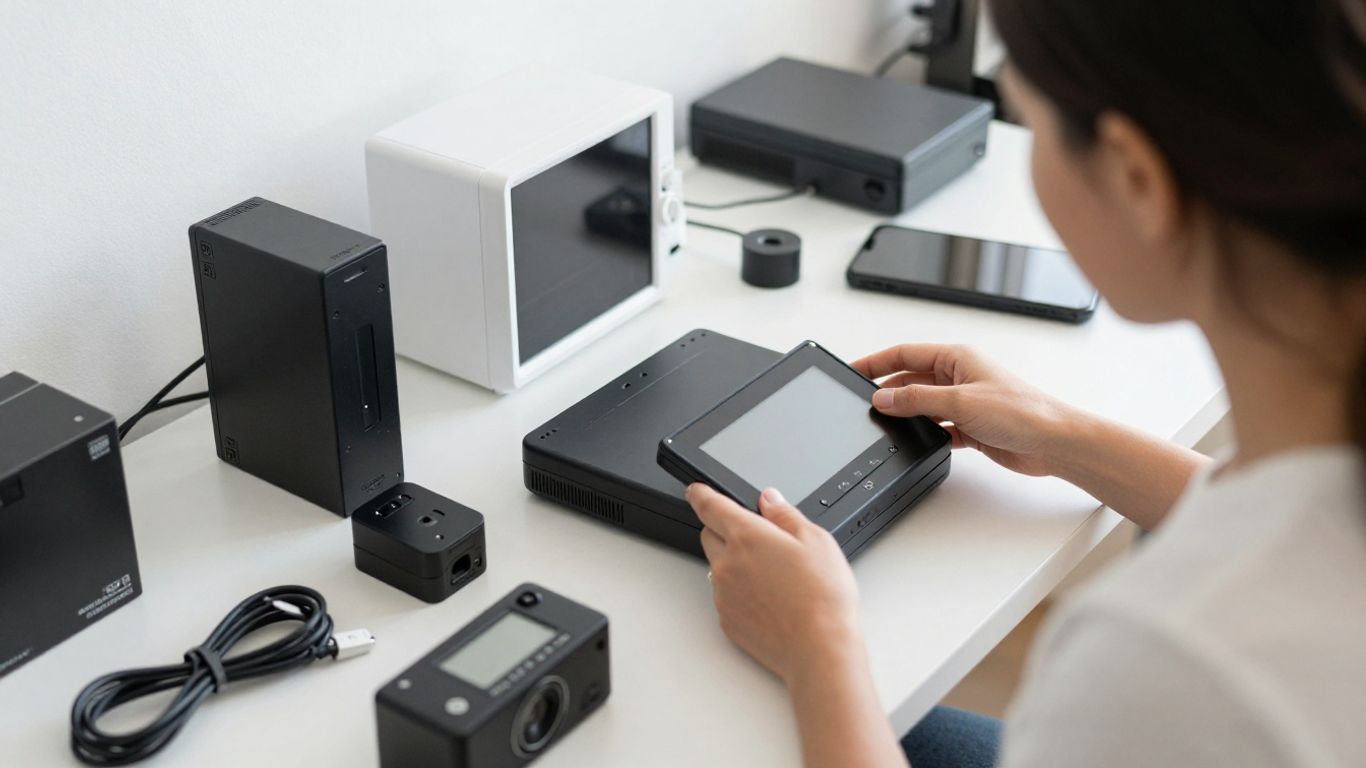
Photographs, serial numbers, test results, and included accessories can turn an uncertain purchase into a reasonably clear one. They also give you something to refer back to if the delivered item differs from the listing.
Testing, repairs, and replacement parts
Reconditioned sellers commonly describe what was tested and whether defective components were repaired or replaced. You still need to check the standard: replacement parts may be original, compatible, or unspecified, and “tested” may mean a quick power-on rather than a full functional review.
With second-hand goods, testing may be limited to the owner’s statement that the item worked previously. For a phone, that could leave questions about battery health, cameras, ports, biometric features, and network compatibility. For a car part, fitment and wear can be just as important as whether the part looks clean.
Cleaning, grading, and cosmetic condition
Cosmetic grading separates appearance from function. A reconditioned item can work properly while showing light marks, and a second-hand item can look immaculate while hiding a fault. Ask for the grade definition and photographs of the actual item, not only stock images.
A small scratch is usually easier to accept than an unknown defect. The useful question is whether the visible wear matches the price and whether it reveals deeper exposure to moisture, impact, heat, or heavy use.
Documentation and product history
Documentation might include a test report, service record, inspection checklist, invoice, or proof of ownership. It is especially valuable for vehicles and costly equipment because it can reveal previous repairs and help establish whether maintenance was neglected.
For vehicles, a vehicle health check guide can help separate a general condition assessment from a service or legal inspection. The same principle applies elsewhere: identify what the document actually proves, rather than treating any document as evidence of perfect condition.
Packaging and included accessories
Packaging is not a reliable measure of quality, but included accessories affect value and convenience. A laptop without its correct charger, a tool without its battery, or a vehicle part without required fittings may need extra spending before it can be used.
Confirm the contents in writing before paying. If the seller says “complete,” ask what complete means for that exact model, because manuals, cables, brackets, remotes, and adapters are easy to overlook.
A short product demonstration can also help, provided it shows the actual item and the relevant functions rather than a generic promotional clip.
Comparing quality, reliability, and performance
Quality is not the same as newness. A well-maintained older item can outperform a neglected newer one, while a reconditioned product can still have limitations because some parts remain used. The sensible comparison is between evidence, expected workload, and the consequences of failure.
What to expect from a reconditioned item
A good reconditioned item should give you a clearer account of its working condition than an untested second-hand product. That does not guarantee flawless performance or a like-new appearance. It means the seller has taken responsibility for checking the item against a stated standard.
Read the warranty exclusions and grading notes closely. Clear evidence beats optimistic wording when you are deciding whether the extra assurance is worth the higher price.
Common conditions for second-hand products
Second-hand listings range from barely used to heavily worn. Some sellers provide detailed photographs and honest descriptions; others use broad phrases such as “good condition” without defining them. Treat missing information as uncertainty rather than assuming the most favorable interpretation.
If possible, inspect and operate the item before purchase. Check switches, seals, connectors, moving parts, warning lights, unusual sounds, and signs of previous repair. A few minutes of deliberate testing can expose problems that photographs conceal.
How age affects performance and durability
Age can affect batteries, seals, bearings, rubber components, software support, and corrosion resistance. It can also make replacement parts harder to find. On the other hand, age alone does not determine remaining life; storage, maintenance, workload, and environment matter too.
Ask when the item was manufactured, how often it was used, and where it was stored. For electronics, check compatibility with current software and networks. For mechanical products, find out whether wear items have already been replaced.
When product category matters most
The difference between the two buying routes matters most when failure would be expensive, unsafe, or difficult to diagnose. A decorative item may be low risk, while a vehicle component, appliance, or work-critical computer deserves stronger evidence and a usable return option.
Vehicle parts deserve particular care because fitment, safety, and condition interact. A health check can be useful context, while a separate repair versus replacement guide helps frame whether restoring an existing item may be more sensible than buying another one.
Reconditioned vs second hand pricing
The cheapest listing is not necessarily the cheapest purchase. Reconditioned products often include labor, testing, sorting, and customer support in the price, while second-hand goods may be priced mainly according to age and appearance. Compare the total cost of getting the item into dependable use.
Why reconditioned products often cost more
The seller has paid for inspection time, cleaning, repairs, replacement parts, storage, and sometimes a warranty. Those costs can make the product more expensive than an untested equivalent. You are paying partly for the product and partly for reduced uncertainty.
That premium is easier to judge when the seller explains the process. A detailed condition report and transparent warranty may justify a higher price; a vague “professionally refurbished” label may not.
How to calculate the true value of a second-hand deal
Start with the purchase price, then estimate the cost of essential repairs, missing accessories, transport, setup, and likely near-term maintenance. Add the value of your time and the inconvenience of returning or replacing the item if it fails.
A simple comparison table can expose why two listings with different prices may actually be close in value:
| Cost or benefit | Reconditioned purchase | Second-hand purchase |
|---|---|---|
| Upfront price | Usually higher | Usually lower |
| Inspection evidence | Often documented | May be limited |
| Immediate repair risk | Lower, but not zero | More uncertain |
| Warranty or returns | More commonly offered | Depends heavily on seller |
The table is not a promise about every listing. It is a prompt to compare what each price includes, rather than treating the lowest number as the best deal.
Hidden costs such as repairs and missing accessories
Hidden costs often appear after the sale: a replacement battery, specialist charger, delivery for a heavy item, diagnostic fees, or a part that does not fit. A vehicle component may also require installation, seals, fluids, or additional hardware.
Before paying, write down the extra costs you can reasonably foresee. If the second-hand option is only slightly cheaper after those additions, the reconditioned alternative may offer better value even if its sticker price is higher.
When paying extra for reconditioning makes sense
Paying more tends to make sense when the item is used frequently, difficult to inspect, costly to repair, or important to safety or work. It can also be worthwhile when you need predictable delivery and a straightforward remedy if something goes wrong.
The calculation changes for low-cost items and products you can easily test or repair yourself. In those cases, a well-described second-hand purchase may be the more economical choice.
Warranties, returns, and buyer protection
A warranty does not turn a used product into a new one, but it can change the risk of ownership. Return rights, seller records, payment protections, and clear descriptions all matter. Read the terms before buying, when you still have the power to choose.
Typical reconditioned product warranties
Reconditioned sellers are more likely to offer a limited warranty, though coverage length and exclusions vary widely. Check whether parts and labor are included, who pays shipping, and whether accidental damage, consumables, or battery degradation are excluded.
A warranty is useful only if the seller can be contacted and has a practical claims process. Save the listing, invoice, condition report, and correspondence in one place.
Return policies for second-hand purchases
Private second-hand sales may offer little or no return window beyond whatever the seller voluntarily agrees to. Marketplace transactions can provide additional rules, but those rules may depend on deadlines, evidence, and whether the item was materially different from its description.
Ask about returns before arranging payment. If the seller refuses to discuss faults, testing, or remedies, that silence is relevant information.
Seller reputation and marketplace protections
Look for a consistent selling history, detailed listings, realistic photographs, and reviews that discuss how problems were handled. A large number of ratings is less useful if buyers repeatedly mention inaccurate descriptions or poor communication.
Online buying guides often compare warranty-backed refurbished purchases with as-is sales; used versus refurbished advice is a useful reminder to examine the condition promise rather than the label alone. Marketplace protection can help, but it should not replace sensible checks.
What to check before completing the purchase
Before payment, confirm the exact model or part number, condition grade, known faults, included accessories, dispatch timing, return terms, and warranty contact. For a vehicle part, verify compatibility using the vehicle identification details rather than appearance alone.
For a high-value electronic item, a refurbished buyer guide illustrates the kind of specificity worth seeking around inspection, components, and functional condition. Apply that level of questioning to any seller, without assuming every seller follows the same process.
The risks and benefits of each option
Neither route is universally superior. Reconditioned products usually trade some of the lowest possible price for more evidence and support, while second-hand products can offer excellent bargains when the buyer can assess condition confidently. The balance changes with the product and the seller.
Advantages of choosing reconditioned products
The main benefit is a more structured buying experience. You may receive documented testing, repaired faults, a defined cosmetic grade, and some form of warranty or return policy. That can reduce the time spent diagnosing a problem after delivery.
Reconditioning can also make a product’s remaining usefulness easier to judge. It does not remove all risk, but it gives you more information on which to base the decision.
Drawbacks of buying reconditioned products
Reconditioned goods can cost more, and the quality of the process varies. Replacement parts may differ from the originals, cosmetic wear may be greater than expected, and a warranty may contain exclusions that limit its practical value.
You also need to compare sellers carefully. A professional-sounding label without test details is not enough evidence to justify a premium.
Advantages of choosing second-hand products
Second-hand products can be inexpensive, widely available, and convenient when you know exactly what you are looking for. Direct contact with the previous owner may reveal useful history, including maintenance, usage patterns, or a reason for sale.
They can also be a good fit for buyers who are comfortable testing, repairing, or sourcing parts. The lower price leaves more room for manageable repairs, provided the likely costs are understood.
Drawbacks of buying second-hand products
The central drawback is uncertainty. You may not know how heavily the product was used, whether an intermittent fault is developing, or whether replacement parts are available. If the seller offers no return option, your ability to correct a poor purchase may be limited.
There is also a time cost. Finding the right listing, arranging inspection, checking compatibility, and organizing repairs can outweigh the initial saving for a busy buyer.
How to choose between reconditioned and second hand
The best choice follows from the consequences of being wrong. Consider the item’s role, your ability to inspect it, the likely repair cost, and the protection available after purchase. A calm comparison is more reliable than choosing based on the largest discount.
Match the option to your budget and risk tolerance
If your budget is tight and you can test or repair the product, second-hand may be sensible. If failure would disrupt work, create a safety concern, or lead to a costly specialist repair, the additional assurance of reconditioning may be worth paying for.
Set a maximum all-in budget rather than focusing only on the advertised price. That keeps delivery, accessories, repairs, and installation in view.
Evaluate condition, age, and usage history
Compare the actual condition with the seller’s grade, then consider age and usage together. A newer item used heavily may be a weaker choice than an older item that was lightly used and maintained properly.
Ask for evidence wherever possible: dated photographs, service records, test results, serial numbers, and a clear explanation of known faults. If key details are missing, lower your offer or walk away.
Use a checklist for electronics, appliances, and vehicles
A short checklist prevents enthusiasm from crowding out practical questions. Before buying, check:
- Exact model, part number, age, and compatibility.
- Functional tests, known faults, and signs of water, heat, or impact damage.
- Battery, seals, cables, fittings, and other wear-prone components.
- Included accessories, delivery arrangements, returns, and warranty coverage.
- Total cost after repairs, installation, and likely near-term maintenance.
Use the answers to compare like with like. For electronics, include software and network compatibility; for appliances, consider installation and energy use; for vehicles, confirm fitment and safety-related condition.
Questions to ask the seller before buying
Ask who inspected the item, what was repaired, which parts were replaced, and whether the photographs show the exact product. Also ask how faults are handled, how long returns remain available, and whether the warranty covers the problem you are most concerned about.
Be wary of pressure to pay quickly or of answers that remain vague after a direct question. A trustworthy listing does not need to pretend that a used item has no history.
A broader pricing decision guide makes the same useful distinction between an upfront cost and the value produced over time. That idea applies here too: the better purchase is the one that meets your needs at a defensible total cost, not merely the one with the lowest sticker price.
Conclusion
Reconditioned products usually offer more inspection and buyer support, while second-hand products can deliver a lower price when their condition is clear and the buyer accepts more responsibility. Compare evidence, age, accessories, repair risk, and protection before deciding. When the consequences of failure are high, paying for a documented process may be sensible; when the item is easy to test and repair, second-hand can be a perfectly practical choice.
Frequently Asked Questions
Is reconditioned the same as second hand?
No. Both describe products that have had a previous owner, but reconditioned usually indicates that the seller inspected, repaired, or tested the item before resale. Second-hand may simply mean pre-owned.
Is reconditioned better than second hand?
Not automatically. Reconditioned often provides more evidence and support, while second-hand can be better value when the item is well documented, easy to inspect, and priced to reflect its condition.
Do reconditioned products look new?
Some do, but appearance varies by cosmetic grade. A product can function properly while showing scratches, dents, or other signs of previous use.
Are second-hand products covered by a warranty?
Some are, but coverage depends on the seller and the sales platform. Private sales often provide less protection than professional listings, so check the terms before paying.
What should I check in a reconditioned listing?
Look for the inspection process, repairs, replacement parts, cosmetic grade, exact model, included accessories, warranty exclusions, and return procedure. Specific information is more reassuring than broad claims.
What makes a second-hand deal worthwhile?
A second-hand deal is more attractive when the product has a known history, passes a careful inspection, includes what you need, and remains good value after likely repairs and maintenance are added.
Should I buy reconditioned or second hand for a vehicle part?
Choose based on fitment, safety, wear, inspection evidence, and the cost of installation or failure. If you cannot verify those points, the lower purchase price may not represent the lower overall risk.