

Key Takeaways
A same-day engine appointment can resolve many faults, but speed depends on the diagnosis, parts availability, and the vehicle’s condition. A careful inspection is still essential, even when the repair is urgent.
- Diagnostic scanning helps identify likely engine and drivability faults.
- Mobile repairs suit accessible problems; major work may need a workshop.
- Warning lights, overheating, smoke, and severe noises should be treated seriously.
- Written estimates should separate diagnosis, labor, parts, and possible extras.
- Do not drive a vehicle with severe overheating, low oil pressure, or a flashing engine light.
What same-day engine service in Melbourne includes
Same-day engine service in Melbourne usually begins with a conversation about the symptoms, followed by a visual inspection and electronic testing. The mechanic then decides whether the fault can be repaired safely at the vehicle’s location or whether workshop equipment is needed. A quick appointment does not mean skipping the basics; it means arranging the right checks without unnecessary delay.
The exact scope varies with the make, model, engine layout, and parts available. A straightforward electrical or ignition fault may be handled in hours, while internal engine damage can require several days. It is also sensible to compare how different providers explain their process, including the mobile mechanics approach of diagnosing and repairing vehicles at home, work, or roadside.
Engine diagnostics and fault-code scanning
Diagnostics often start with an OBD-II scan, but a code is not automatically a failed part. It is a clue that must be checked against live data, wiring, engine noises, fluid condition, and the driver’s description. A good diagnosis narrows the fault before parts are replaced.
The mechanic may also inspect battery voltage, ignition performance, intake and exhaust systems, and visible leaks. Ask whether the quoted diagnostic charge includes a written explanation of the findings, particularly if the vehicle has several warning lights.
Mobile mechanic versus workshop repairs
A mobile mechanic can be practical when the problem is accessible and the vehicle can remain safely parked. Batteries, starters, sensors, belts, and some cooling-system components may be repairable on site, depending on the vehicle and equipment available. A workshop is generally better for lifting the car, carrying out prolonged testing, or dismantling major components.
Location should never override safety. If the car is in traffic, leaking heavily, overheating, or unable to run reliably, arrange assistance rather than trying to reach a driveway or workshop under its own power.
Common repairs that can be completed in one day
One-day repairs are most realistic when the fault is clear, the replacement part is available, and access to the component is straightforward. Ignition faults, charging issues, minor hose failures, and selected sensor problems often fall into this category. The vehicle still needs a post-repair check before it is returned.
For a useful comparison, a mechanic’s day can include routine servicing, repairs, and complex diagnostics, as described in this overview of motor mechanic work. That range explains why two vehicles showing the same dashboard light may require very different amounts of time.
When an engine replacement requires more time
An engine replacement is rarely a simple same-day promise. The job can involve confirming the replacement unit, transferring compatible components, replacing mounts or seals, checking wiring, and programming or testing related systems. Hidden damage may only become visible after the old engine is removed.
If replacement is suggested, request the engine’s source, included components, labor coverage, expected completion date, and warranty terms. A slower, clearly documented job is preferable to rushing a major repair that has not been properly tested.
Signs your engine needs urgent attention
Some engine symptoms are inconvenient, while others indicate a risk of immediate damage or an unsafe breakdown. Dashboard warnings should be considered alongside sounds, smells, temperature changes, and changes in performance. When several signs appear together, stop using the car until the cause has been assessed.
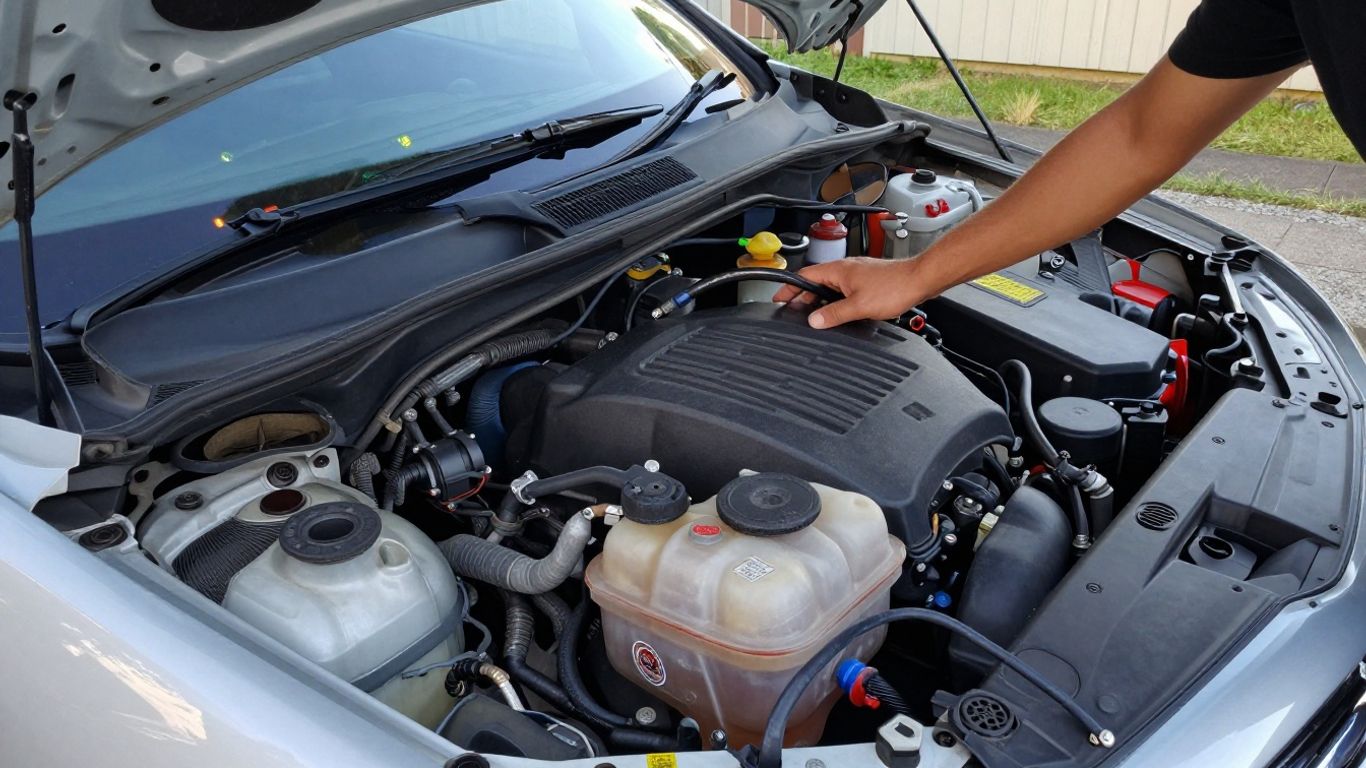
The photographs below show the kinds of visual clues drivers may notice around a vehicle, but an image cannot diagnose a fault. If you are unsure, describe exactly what happened and when it started rather than guessing at the failed component.
Warning lights and unusual dashboard messages
A steady check engine light may allow a cautious trip for diagnosis, but it still deserves attention. Oil pressure, temperature, charging, and other red warning symbols can demand a more immediate response. Record the message, whether it flashes, and whether the vehicle’s behavior changed at the same time.
Avoid clearing codes before the appointment unless a mechanic instructs you to do so. The stored information and freeze-frame data can help show the conditions under which the fault occurred.
Knocking, rattling, or grinding sounds
New mechanical sounds should be taken seriously, especially if they rise with engine speed or appear during acceleration. A light rattle could come from a shield or belt area, while deep knocking may point to internal wear. Grinding can also indicate a failing accessory, tensioner, or starter-related component.
Note whether the sound occurs during cold starts, idling, turning, braking, or climbing a hill. Turning off the engine when a severe noise begins may prevent a minor fault from becoming major damage.
Overheating, smoke, or fluid leaks
An overheating gauge, visible steam, burning smell, or fluid pooling beneath the vehicle is a reason to stop and assess the situation. Do not remove a hot radiator cap, and do not pour cold water into a dangerously overheated engine. Let the vehicle cool safely and arrange professional help.
Fluid color and location can offer useful clues, but they are not conclusive. Coolant, oil, fuel, and transmission fluid require different responses, so photograph the leak and tell the mechanic when it appeared.
Loss of power, rough idling, and starting problems
Loss of power can result from ignition, fuel, air, sensor, or mechanical problems. Rough idling and hard starting may be relatively simple, but they can also worsen quickly if the engine is misfiring or losing compression. A vehicle that stalls in traffic presents a safety issue even if it restarts.
Before booking, make a short list of recent work, fuel stops, warning lights, noises, and conditions that make the problem better or worse. That detail can shorten the first stage of diagnosis.
How a same-day engine repair appointment works
A well-organized appointment has a clear beginning, a diagnostic stage, an approval point, and a final test. The more accurate the information supplied at booking, the less time the mechanic may spend reproducing a symptom. Still, the initial description is only a starting point, not a substitute for inspection.
Same-day availability should be confirmed rather than assumed. Ask when the mechanic can arrive, how long diagnosis may take, and what happens if the required part is not in stock.
Sharing symptoms and vehicle details when booking
Provide the registration or vehicle identification details, make, model, engine size if known, current location, and whether the vehicle starts. Explain the symptom in ordinary language: “it loses power uphill” is more useful than naming a part you suspect. Mention warning lights and any recent repair or service.
Also say whether the car is parked securely and whether it can be moved. That helps determine whether a mobile visit is appropriate or whether towing should be arranged from the beginning.
Initial inspection and OBD-II diagnostics
The mechanic will normally confirm the complaint, inspect the engine bay, check obvious safety concerns, and connect a diagnostic scanner where appropriate. Testing may include battery voltage, fluid levels, hoses, belts, electrical connections, and a road test if the vehicle is safe to drive.
An OBD-II result should be interpreted rather than treated as a shopping list. The mechanic should explain what has been confirmed, what remains possible, and whether more testing is needed before repair approval.
Receiving a repair estimate and approval
Once the likely cause is established, ask for an estimate that identifies diagnostic fees, labor, parts, taxes, and any call-out or towing charge. This is where clear written approval protects both sides. If the first inspection reveals additional work, the mechanic should pause and explain the new finding before proceeding.
For broader service comparisons, some providers describe upfront quotes and on-location repairs, while Instant Car Fix is presented as a mobile service with ASE-certified technicians and a stated 12-month/12,000-mile warranty. Treat those details as provider-specific; always confirm the terms that apply to your own appointment.
Testing the vehicle after the repair
A repair is not complete when the replacement part is fitted. The vehicle should be started, checked for leaks and warning lights, and tested for the original symptom where safe. The mechanic may rescan the system and confirm that idle, charging, temperature, and drivability are normal.
Before leaving, ask what was repaired, whether any codes remain, what maintenance is due next, and what warranty paperwork you should keep. A short explanation now can prevent confusion later.
Engine repairs commonly available on the same day
The repairs most likely to finish the same day are those involving accessible components and a well-defined fault. Parts availability is just as important as labor time, particularly for less common vehicles. The categories below are useful for discussion, not a promise that every repair can be completed immediately.
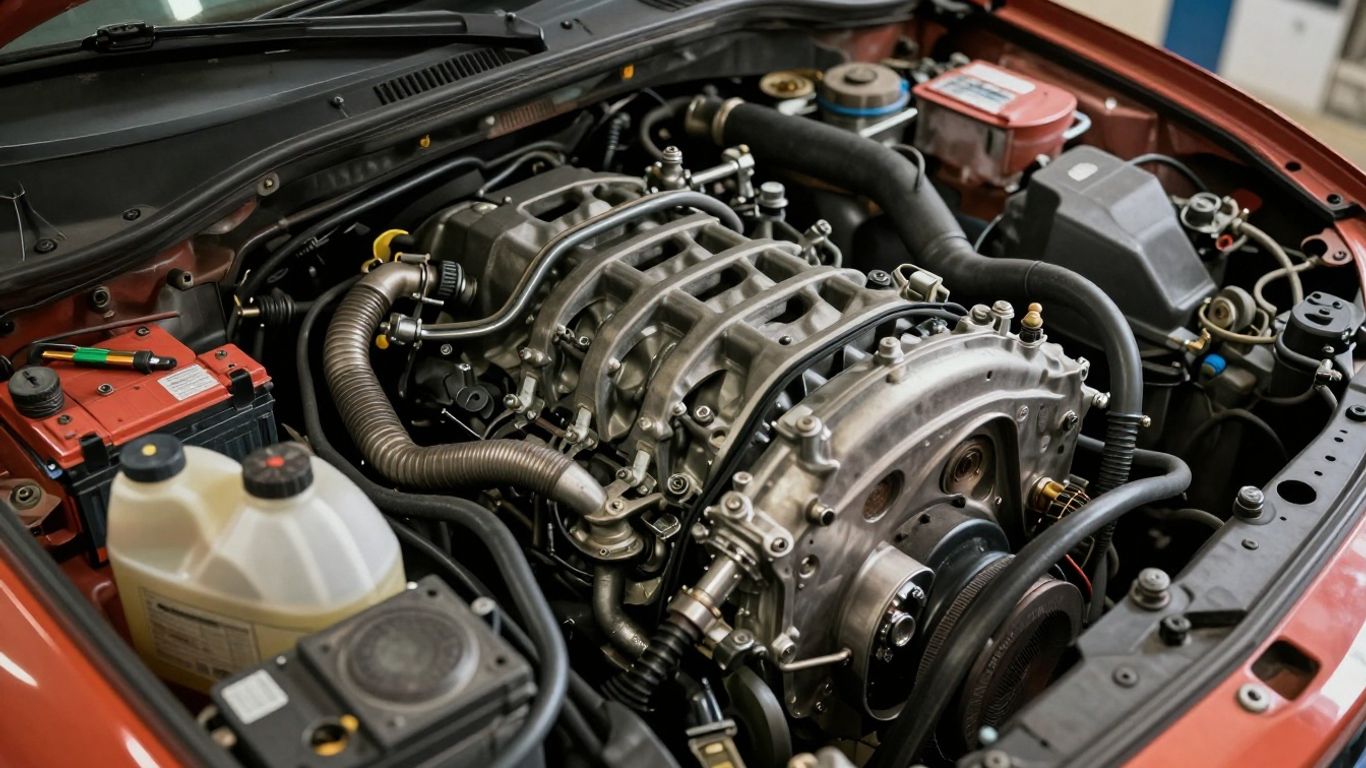
A visual inspection can help a mechanic identify obvious deterioration, but internal faults and intermittent electrical problems may need longer testing. If the car is already showing severe symptoms, do not keep driving simply to make the appointment easier.
Battery, starter, and alternator-related problems
A weak battery, failed starter, or charging fault can produce no-start symptoms and multiple warning lights. Testing should distinguish a discharged battery from a failing alternator, poor connection, or starter motor problem. Replacing the battery without finding the underlying charging fault may leave the vehicle stranded again.
These jobs can often be efficient when the component is accessible and the correct part is available. The final check should confirm charging voltage and reliable starting rather than relying only on the first successful start.
Spark plugs, ignition coils, and misfires
Misfires may feel like shaking, hesitation, poor acceleration, or an uneven idle. Spark plugs and ignition coils are common suspects, but fuel delivery, wiring, air leaks, and compression can create similar symptoms. Replacing parts without testing can make the repair more expensive.
A mechanic should verify the affected cylinder or system and check whether the engine light is flashing. Continued driving during a serious misfire can increase damage to the emissions system.
Belts, hoses, filters, and fluid issues
Worn belts, split hoses, restricted filters, and low or contaminated fluids can affect cooling, charging, lubrication, and engine performance. These components are often visible and accessible, which makes same-day work more feasible. The correct fluid type and routing of belts and hoses still matter.
A simple checklist can help you describe what you have noticed before the inspection:
- Check whether the temperature gauge has moved higher than usual.
- Look for fresh fluid beneath the front of the vehicle.
- Listen for belt squeal or a new chirping sound.
- Note whether the engine oil or coolant level is low.
That information does not replace testing, but it gives the mechanic a clearer starting point and may reveal whether driving is unsafe.
Sensors and other accessible engine components
Sensors, valves, and electrical connectors can sometimes be replaced promptly once testing confirms the fault. Their location and the condition of surrounding wiring affect the time required. A code related to a sensor does not always mean the sensor itself has failed.
The vehicle should be rescanned or retested after the repair. If the original symptom remains, further diagnosis is better than repeatedly replacing parts.
Factors that affect same-day engine repair costs
The price of a same-day repair depends on more than the part under the bonnet. Diagnostic time, access, vehicle design, travel, parts sourcing, and follow-up testing can all change the final amount. Urgency may also affect appointment availability, so ask for the full pricing structure before work begins.
A low initial figure is not necessarily the best value if it excludes diagnosis or uses a part with limited coverage. Conversely, a higher estimate may reflect difficult access or additional testing rather than unnecessary work.
Labor rates and diagnostic fees
Labor is influenced by the technician’s experience, the repair location, and the time needed to confirm the fault. A mobile visit may include travel or call-out costs, while a workshop may charge a separate inspection fee. Ask whether diagnostic time is credited toward approved repairs.
You should receive an explanation of what the initial fee covers. If diagnosis is incomplete after the first test, clarify the cost of any further investigation before authorizing it.
Replacement parts and vehicle make
Parts prices vary between vehicle makes, models, engine configurations, and suppliers. Original-equipment, aftermarket, and recycled parts may have different prices and warranty terms. Confirm the proposed part and whether the estimate includes seals, fluids, programming, or disposal.
Rare parts can delay a same-day repair even when the labor itself is short. A mechanic who explains that limitation is giving you useful information, not necessarily making the job more complicated than it is.
Repair complexity and accessibility
Two vehicles can use the same component but require very different labor times. A part buried beneath intake equipment, near hot exhaust components, or behind other systems may take much longer to reach. Corrosion, seized fasteners, and previous repairs can add further time.
For that reason, a quote should state whether it is fixed, estimated, or subject to inspection. Keep some flexibility for findings that could not reasonably be seen before disassembly.
Warranty coverage and unexpected findings
Ask how parts and labor are covered, for how long, and what exclusions apply. A warranty may require follow-up at the original provider or may not cover unrelated faults. Keep invoices and diagnostic reports in case the vehicle needs further attention.
Unexpected findings should be discussed before additional work is authorized. If a repair changes substantially, request an updated written estimate rather than relying on a verbal total.
| Cost factor | What to clarify | Why it matters |
|---|---|---|
| Diagnosis | Scan, inspection, and retest fees | Shows what you pay before repairs |
| Labor | Hourly rate or fixed price | Helps compare estimates fairly |
| Parts | Type, supplier, and warranty | Affects price and coverage |
| Access | Expected time and possible complications | Sets a realistic completion window |
This breakdown makes estimates easier to compare because it separates the cause of the cost from the total figure. It also gives you specific questions to ask before approving work.
How to choose a reliable same-day engine service in Melbourne
Speed is useful only when the work is competent, transparent, and safe. Look for a provider that explains the diagnostic process, gives a realistic arrival or completion window, and records what was repaired. A same-day promise should describe availability, not guarantee that every engine problem can be finished in one visit.
When comparing information online, remember that pages may describe different locations or service models. For example, Christian Brothers Automotive describes mechanical service and complex engine diagnostics, while its suitability for your vehicle and location still needs to be confirmed directly.
Checking mechanic qualifications and experience
Ask who will perform the work, what training or licensing applies in your area, and whether the mechanic regularly works on your vehicle’s make. Experience with a particular engine can reduce diagnostic guesswork, especially when symptoms are intermittent. A professional should be willing to explain the finding without pressuring you into unrelated work.
You can also ask whether diagnostic reports, removed parts, and service records will be provided. Clear documentation is a useful sign of an organized repair process.
Confirming mobile service areas and availability
Before relying on a mobile appointment, confirm the suburb, parking conditions, arrival window, and equipment the mechanic brings. Some repairs require a workshop, lifting equipment, or a secure location. If the car cannot start, ask whether the provider can assess it where it is or arrange towing.
Do not assume that “same day” means immediate or 24-hour service. Ask what happens after hours and whether emergency call-outs carry a different fee.
Comparing written quotes and warranties
Obtain a written estimate with the vehicle details, proposed work, parts, labor, taxes, diagnostic fee, and warranty. Compare like with like rather than choosing the smallest headline number. A quote that identifies exclusions is often more useful than one that simply promises a cheap repair.
Some online pages discuss transparent pricing and emergency assistance, while AAMCO describes advanced computer diagnostics and transmission services. Those are specific published claims, not a substitute for checking the actual terms of a Melbourne appointment.
Reading reviews without relying on ratings alone
Reviews can show whether customers mention communication, punctuality, diagnostic accuracy, and how unexpected costs were handled. Look for detailed, recent patterns instead of focusing only on a star average. A single complaint may be less informative than repeated comments about the same issue.
Check that the reviews relate to the same service, location, and type of repair. A page about Snoooz.ai, for instance, concerns email-management problems rather than automotive service, so it should not be treated as evidence about a mechanic.
When you should not drive to the repair shop
Driving to a repair shop is reasonable only when the vehicle is operating safely and the symptoms are mild enough for a cautious trip. Some faults can turn into engine damage within minutes, while others can leave you stopped in a dangerous place. If there is doubt, pull over safely and ask for roadside advice.
The cost of a tow is frustrating, but it is usually preferable to adding engine damage or creating a traffic hazard. Tell the mechanic exactly what happened before deciding whether the vehicle can move.
Severe overheating or visible steam
Stop driving if the temperature gauge reaches the hot zone, steam rises from the engine bay, or coolant is escaping rapidly. Switch off in a safe place and keep clear until the vehicle cools. Never open a pressurized cooling system while it is hot.
After cooling, do not assume that adding coolant makes the car safe. A failed hose, water pump, thermostat, or fan may cause the problem again almost immediately.
Low oil pressure and major fluid loss
An oil-pressure warning, a strong oil smell, or a large fresh puddle under the engine warrants immediate attention. Continuing to run the engine with inadequate lubrication can cause severe internal damage. Turn the engine off and explain the warning and leak to the assistance provider.
Check the ground rather than crawling beneath an unsafe vehicle. A photograph and the location of the leak can help the mechanic prepare, but they should not be used to justify driving.
Flashing check engine lights
A flashing engine light commonly signals a serious active fault, often accompanied by shaking, poor running, or loss of power. Stop as soon as it is safe and avoid repeated attempts to drive. The vehicle may need towing even if it still starts.
A steady light is not automatically harmless, but a flashing light raises the urgency. Share whether it began under acceleration, after starting, or alongside any unusual smell or sound.
Safe towing and roadside assistance options
When the car should not be driven, use roadside assistance or a tow service suited to the vehicle and location. Ask for a flatbed if the drivetrain, wheels, steering, or suspension may be damaged. Keep passengers away from traffic and wait in a safe place when possible.
Give the mechanic the tow destination, vehicle access details, and a concise symptom history. That preparation can help the repair begin sooner once the vehicle arrives.
Conclusion
A fast engine repair starts with an accurate description, sensible safety decisions, and a clear estimate—not with rushing past diagnosis. For same day engine Melbourne service, ask what can genuinely be completed today, what testing is included, and what happens if the fault is more serious than first expected.
Frequently Asked Questions
Can every engine problem be repaired on the same day?
No. Accessible electrical, ignition, belt, hose, and selected sensor faults may be completed quickly, while internal damage, unavailable parts, and engine replacements usually require more time.
What should I tell the mechanic when booking?
Provide the vehicle’s make and model, location, starting condition, warning lights, noises, fluid leaks, recent repairs, and the circumstances in which the symptom appears.
Is a mobile mechanic suitable for engine diagnostics?
A mobile mechanic can handle many inspections and accessible repairs, but workshop equipment may be necessary for lifting, extended testing, dismantling, programming, or major engine work.
How much does same-day engine repair cost?
The total depends on diagnosis, labor, parts, vehicle design, access, travel, and unexpected findings. Request a written estimate that separates these items before approving repairs.
Should I drive with a check engine light on?
A steady light may permit a cautious trip if the vehicle is running normally, but a flashing light, severe shaking, overheating, low oil pressure, or major power loss means you should stop and seek assistance.
How long does an engine replacement take?
Timing varies with the replacement unit, vehicle design, transferred components, wiring, programming, testing, and problems discovered during removal. It is rarely appropriate to assume a replacement will finish in one day.
What should I check after a repair?
Confirm that warning lights are off, the original symptom has gone, there are no leaks or unusual noises, and you have received the invoice, warranty information, and advice about any remaining work.