
Key Takeaways
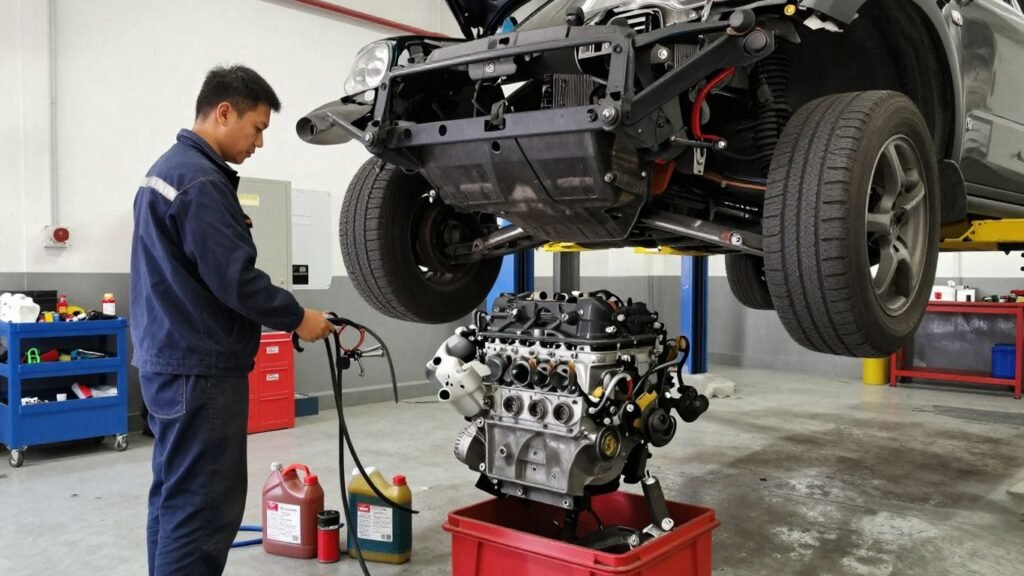
Same day engine removal is possible when the vehicle, workspace, equipment, and crew are ready before work begins.
- A pre-removal inspection identifies access problems, damaged connections, and likely delays.
- Technicians disconnect the battery, drain fluids, remove connected components, and support the powertrain before lifting.
- Labor, towing, diagnostics, disposal, and seized hardware can all affect the final bill.
- Clear written timing and pricing reduce surprises at drop-off.
- After removal, protect the vehicle and decide promptly whether to rebuild, replace, sell, or stop repairing it.
What same day engine removal involves
Same day engine removal means the engine is taken out during one working day, not necessarily that every related repair or replacement is completed that day. The timing depends on the vehicle’s design, the engine’s condition, and whether the shop has the correct lifting equipment available. A straightforward front-wheel-drive car may be very different from a tightly packaged truck, hybrid, or performance vehicle. The best way to judge the schedule is to inspect the vehicle before promising a completion time.
When same day removal is possible
A same-day appointment is most realistic when the vehicle arrives at an accessible shop with its keys, paperwork, and service history available. The technician also needs enough time for safe fluid handling, disconnection, lifting, and a post-removal inspection. If the engine is being removed for replacement, engine swap-out information can help owners think through the difference between removal and the larger installation project.
The phrase does not mean the work should be rushed. A shop may finish the physical removal that day while scheduling diagnosis, rebuilding, core handling, or installation separately. Confirm exactly what “same day” covers before authorizing the job.
Vehicles and engine types commonly handled
Most automotive shops can assess common gasoline vehicles, but engine access varies widely. Inline-four engines, compact six-cylinder layouts, and many conventional front-mounted engines may be relatively direct to remove. Larger engines, diesel systems, all-wheel-drive layouts, vans, hybrids, and vehicles with extensive emissions or electronic equipment often require additional preparation.
A vehicle’s age matters as well. Older rubber mounts, brittle wiring, corroded fasteners, and non-original modifications can turn a familiar procedure into a slower one. The engine type is only part of the question; the surrounding packaging and condition are equally important.
How technicians assess the vehicle before work
Before touching the engine, technicians generally confirm the vehicle identity, document its condition, and look for signs of leaks, collision damage, missing parts, or previous repairs. They may check whether the hood, front structure, subframe, and lifting path provide enough clearance. They also discuss whether the transmission will remain in place or be removed with the engine.
A useful inspection distinguishes the requested removal from the reason for it. If the owner is unsure whether replacement is sensible, an independent diagnosis can prevent an unnecessary teardown. That is different from an engine-removal quote, and it should appear as a separate line when applicable.
Factors that can delay the removal
Delays commonly arise from seized bolts, damaged connectors, inaccessible fasteners, unexpected fluid contamination, or a transmission that cannot be safely separated as planned. A tow arriving late, missing keys, or an engine bay crowded with aftermarket equipment can also use up the day’s schedule. Weather and workspace limitations matter when the vehicle is being handled outside.
Owners should expect the technician to pause if a lift point, support fixture, or electrical connection is unsafe. Safety takes priority over preserving an optimistic time estimate. Ask how the shop will contact you if the scope changes or an additional approval is needed.
How the engine removal process works
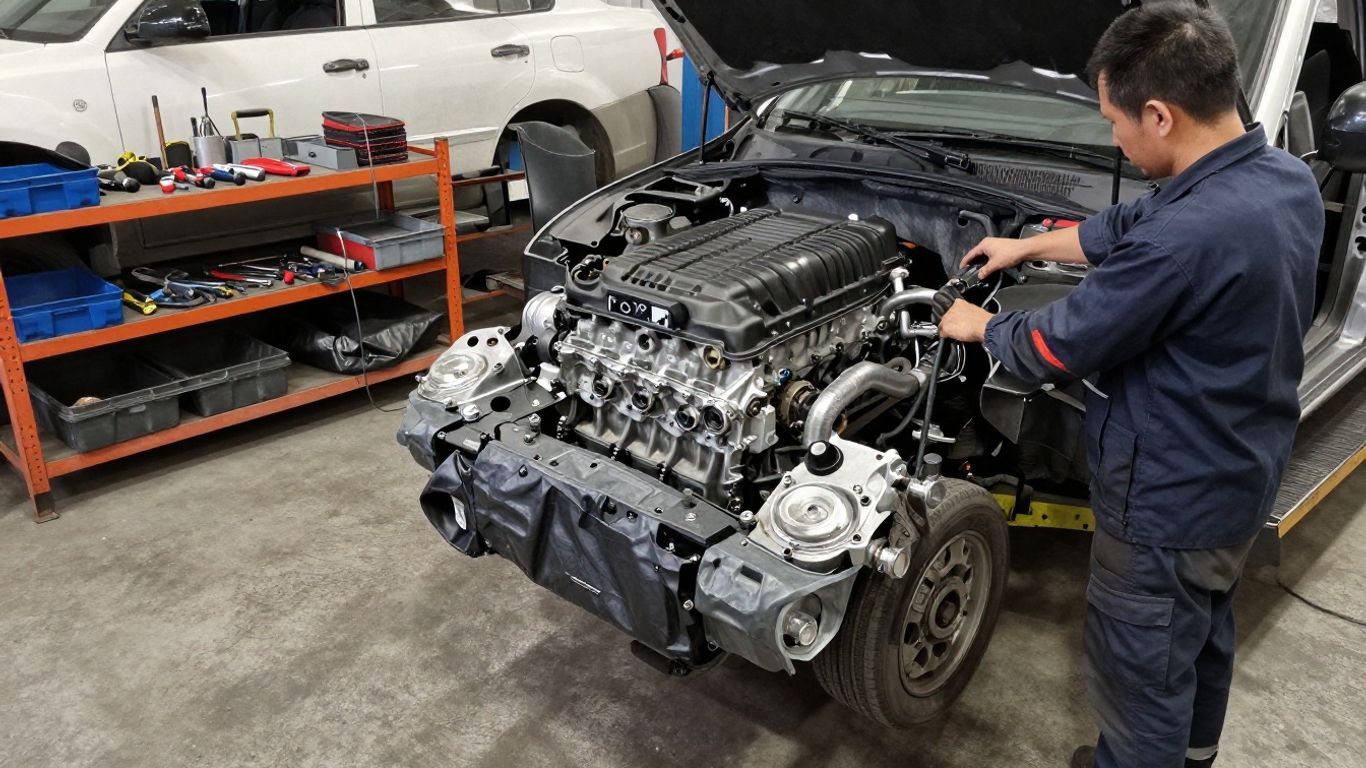
The exact sequence differs by vehicle, but the work follows a cautious progression from inspection to disconnection, support, lifting, and cleanup. Technicians protect painted surfaces and keep track of removed hardware so the next phase is easier. A removal is also a diagnostic opportunity because hidden leaks, damaged mounts, and worn wiring become easier to see. The following image reflects the equipment-heavy nature of the job without implying that every vehicle uses the same setup.
Vehicle inspection and battery disconnection
The technician begins by securing the vehicle, recording its condition, and identifying the battery and electrical isolation points. The battery is disconnected before major components are disturbed, reducing the risk of shorts and accidental activation of electrical systems. Some vehicles require additional precautions for airbag, hybrid, or high-voltage systems.
The inspection also establishes where the engine will be supported and how it will leave the bay. That decision affects whether front-end components, the hood, or portions of the exhaust and cooling system must be moved first.
Draining fluids and disconnecting components
Coolant, engine oil, fuel, refrigerant, and other fluids are handled according to the vehicle and the shop’s procedures. Hoses, wiring, intake parts, exhaust connections, fuel lines, accessories, and control links are disconnected and labeled or positioned out of harm’s way. Not every item is removed from every vehicle, so the technician should explain the planned scope.
A careful shop keeps fluids contained and caps open lines where needed. Owners who want particular parts returned should identify them before work starts, rather than assuming every removed component will be stored.
Supporting the engine and transmission safely
The engine and transmission may share mounts or depend on one another for stability. Before mounts or cradle fasteners are loosened, the assembly is supported with equipment rated for the load and suited to the vehicle. The support method may involve a hoist, transmission support, fixture, or a combination of tools.
This is a point where a DIY guide such as engine removal steps can provide general background, but it cannot replace vehicle-specific service information or professional lifting equipment. The balance and attachment points must be checked rather than guessed.
Lifting the engine from the vehicle
Once connected systems and mounts are free, the technician raises the engine gradually and watches for lines, brackets, wiring, and bodywork that could still be attached. The load is kept controlled while the engine passes through the available opening. If clearance is insufficient, the plan may change to lower the powertrain or remove additional surrounding parts.
The lift itself is usually less about speed than visibility. A second technician may guide the assembly while the operator makes small adjustments. This avoids swinging the engine into the radiator support, firewall, hood, or suspension components.
Inspecting the engine bay after removal
After the engine is out, the bay is cleaned enough to reveal leaks, cracked mounts, damaged harnesses, corroded grounds, and worn hoses. The technician should photograph or document notable findings before the vehicle is left disassembled. Those observations can change the parts list for a replacement or installation.
The removed engine should also be identified and stored securely. If it is being rebuilt or sold, keeping its accessories, brackets, sensors, and fasteners organized can preserve value and prevent confusion later.
How to prepare for same day engine removal
Preparation begins before the tow truck or appointment time. The goal is to give the shop a complete vehicle, clear instructions, and enough information to work without avoidable interruptions. It also protects the owner from losing personal property or misunderstanding what happens to removed parts. A few simple conversations can make same day engine removal much more predictable.
Remove personal belongings and aftermarket equipment
Clear the cabin, trunk, glove box, and engine bay of valuables, tools, loose parts, and personal documents. Remove removable audio equipment, performance controllers, special wiring, or accessories that the shop is not authorized to handle. Photograph anything that must remain in place so its condition and location are documented.
If the vehicle has an aftermarket alarm, remote starter, modified fuel system, or custom suspension, disclose it at intake. Hidden alterations can affect both access and the technician’s disconnection plan.
Gather the vehicle title and service records
Bring the registration or title information requested by the shop, along with repair invoices, maintenance records, diagnostic reports, and parts receipts. Records can reveal recent work, recurring faults, oil leaks, or a replacement engine already purchased. They may also clarify whether the engine, transmission, or accessories carry a warranty.
If you are deciding whether to keep the vehicle, a budget car guide may be useful for comparing repair spending with the cost of finding another used vehicle. That comparison belongs in the ownership decision, not in the technician’s removal procedure.
Confirm access, keys, and towing arrangements
Tell the shop whether the vehicle rolls, steers, brakes, and can be loaded normally. A locked wheel, low ride height, dead battery, or narrow driveway may require different towing equipment. Leave all necessary keys and provide a reliable phone number for approval decisions.
Before pickup, confirm the drop-off address, arrival window, storage policy, and whether the shop can receive a non-running vehicle. Written details are especially useful when an engine must be removed from a private property or a shared parking area.
Ask whether fluids and parts will be disposed of
Ask which fluids, filters, batteries, catalytic components, and damaged parts are included in disposal or recycling charges. Some owners want the old engine, accessories, or core returned; others want the shop to handle everything. State that preference before authorization.
A simple preparation checklist keeps the conversation focused:
- Identify parts that must be returned.
- Confirm who pays disposal and recycling charges.
- Ask how removed components will be labeled and stored.
- Request photographs of unusual damage before disposal.
This avoids treating disposal as an afterthought. It also gives the shop a clear record of what belongs to the owner.
Plan for transportation after drop-off
An engine-out vehicle is not ready to drive, even if the removal finishes on schedule. Arrange a ride, rental car, taxi, or return trip before leaving the vehicle. If the car will remain at the shop, ask how long it can stay without storage charges.
For owners using software to organize questions for several providers, PromptEngine is described as transforming basic ideas into AI-ready prompts. Used for that narrow planning task, it can help turn scattered concerns into a consistent list without changing the mechanical work itself.
Same day engine removal costs
The price of same day engine removal is shaped by labor time, vehicle access, equipment, and the condition of the parts being separated. A low initial number may exclude towing, diagnosis, fluids, disposal, or additional work discovered after disassembly. Ask for an estimate that distinguishes the removal from later rebuilding or installation. Rates also vary by region and by whether the work is done in a mobile setting or a fully equipped shop.
Labor charges and hourly rates
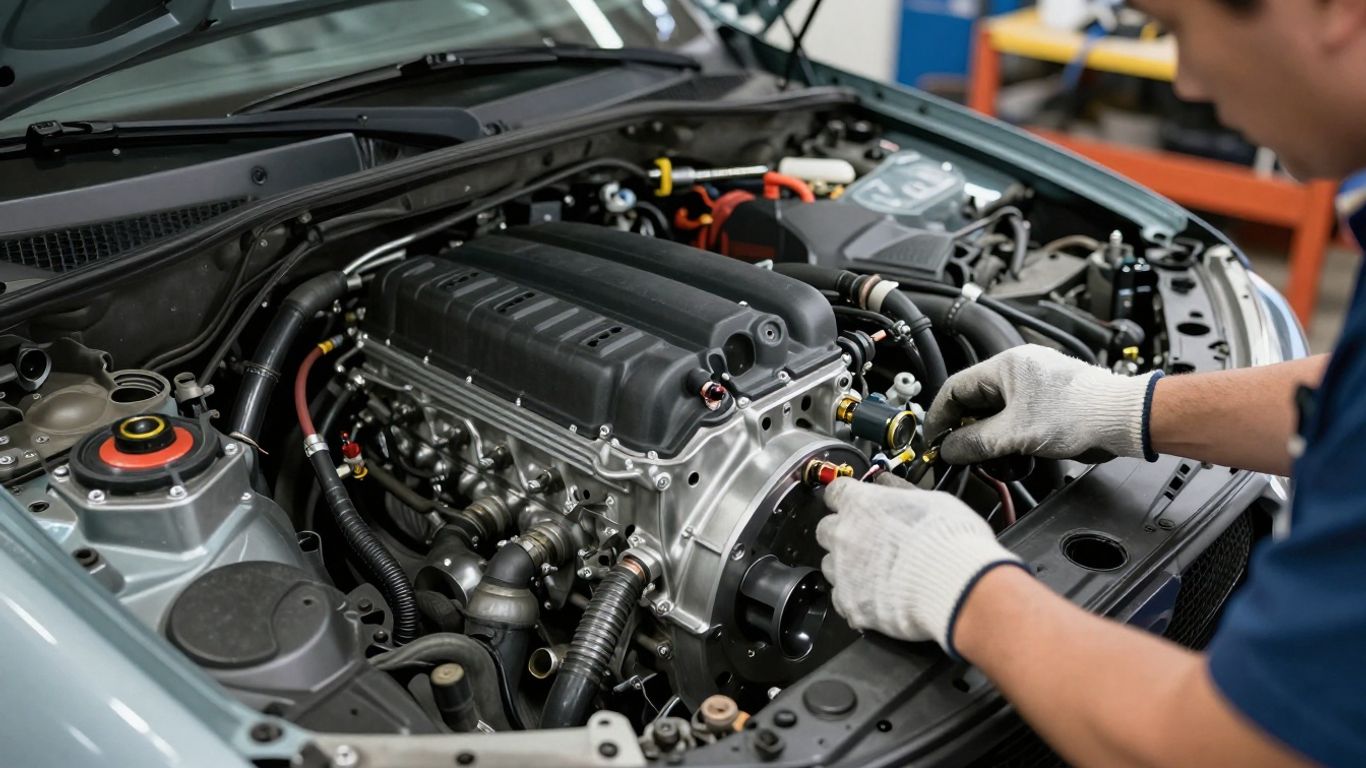
Labor is usually the largest part of the removal bill. Shops may quote a flat labor amount based on a standard procedure or use an hourly rate with an estimated range. A flat quote can be easier to compare, while an hourly arrangement may be more flexible when the vehicle’s condition is uncertain.
Ask whether the quoted labor includes battery isolation, fluid draining, component labeling, lifting, cleanup, and documentation. A quote that lists only “engine removal” may leave several necessary tasks unclear.
Towing, diagnostic, and disposal fees
A non-running vehicle may need towing to the shop and another tow after the engine is removed. Diagnostic time may be billed separately if the cause of failure has not been confirmed. Disposal fees can cover contaminated fluids, filters, damaged parts, or recycling logistics.
The owner should receive these charges before authorization whenever possible. If the shop cannot know the exact amount, request a not-to-exceed limit or a call before the estimate is exceeded.
Additional costs for seized or damaged components
Rust, collision damage, stripped fasteners, broken connectors, and seized mounts can add labor and replacement parts. A technician may need to cut or extract hardware, repair a bracket, or replace a line that will not survive removal. These costs are not necessarily evidence of poor planning; some conditions are hidden until access improves.
Still, the approval process should be clear. Ask whether the shop will pause for every added item or whether you are authorizing a defined contingency amount.
How engine size and vehicle design affect pricing
Engine weight, bay clearance, drivetrain layout, and the number of systems attached to the engine all influence the time required. A compact, accessible layout may require fewer steps than a crowded vehicle with integrated accessories, four-wheel drive, or complex electrical systems. Some vehicles also require special support tools or manufacturer-specific procedures.
The comparison below is not a price list. It shows why two vehicles with the same requested service can receive different estimates.
| Cost factor | Lower-complexity example | Higher-complexity example |
|---|---|---|
| Access | Clear front-mounted layout | Crowded bay or restricted opening |
| Connections | Conventional hoses and wiring | Extensive electronic or emissions systems |
| Hardware | Clean, removable fasteners | Corroded or seized mounts |
| Support | Standard hoist access | Special fixture or combined powertrain support |
After reviewing these factors, ask the provider to explain which ones apply to your vehicle. That explanation is often more useful than comparing a single headline number.
Questions to ask for an accurate estimate
A useful estimate should identify what is included, what is excluded, and when the shop will seek approval. Ask whether the engine is being removed alone or with the transmission, whether fluids are included, and whether the vehicle can remain on site afterward. Also ask about storage, towing, taxes, disposal, and payment timing.
If you are weighing replacement against repair, Engineworld is described as offering new and used engine installations, repairs, and transmission replacements. That information may help frame a broader quote comparison, but it does not set the price for your particular vehicle.
Choosing a same day engine removal provider
The provider’s equipment and communication habits matter as much as the promised date. Look for a shop that can explain the removal plan in plain language and identify what may change after inspection. A clean estimate, documented vehicle condition, and clear liability terms are practical signs of a controlled process. Avoid selecting solely on the fastest promise.
Verify licensing, insurance, and experience
Confirm that the business is properly licensed where required and carries insurance appropriate for customer vehicles and shop operations. Ask how often the technicians handle your vehicle’s make, drivetrain, and engine layout. Experience should be specific enough to be meaningful, not just a vague statement about working on cars.
You can also ask whether the shop has the correct hoist, stands, fixtures, fluid-storage equipment, and secure area for a disassembled vehicle. A provider should answer without treating basic safety questions as an inconvenience.
Compare mobile services with full-service shops
A mobile technician may be convenient when the vehicle cannot be driven, but the property must have safe working space, adequate clearance, and a way to manage fluids and removed components. A full-service shop may offer better lifting equipment, storage, cleanup, and access to additional diagnostic resources.
The right choice depends on the vehicle and the planned next step. Removal that leads directly to rebuilding or installation may be easier to coordinate where the vehicle can remain protected and supported.
Check reviews and workmanship guarantees
Reviews can reveal whether a provider communicates changes, protects vehicles, and resolves problems after the appointment. Look for patterns rather than one unusually positive or negative comment. Ask what guarantee applies to the removal labor and whether it extends to parts, storage, or later installation.
For organizing research questions, PromptEngine is documented as providing secure prompt storage and model-agnostic compatibility. Those capabilities may help a customer keep provider questions together, but they are unrelated to mechanical workmanship or a shop’s warranty.
Confirm the timeline in writing
Have the estimate state the arrival or drop-off time, expected completion of removal, and what happens if the work cannot safely finish that day. Confirm who approves added labor and how quickly the shop will contact you. If the engine will remain out, record the expected storage period and next decision point.
Written timing protects both sides from a casual interpretation of “same day.” It also makes it easier to compare providers on the same scope rather than on different assumptions.
Understand warranty and liability terms
Ask who is responsible for damage to the vehicle, removed engine, accessories, and customer-supplied parts while the work is underway. Clarify whether the shop’s warranty covers only labor, and whether any guarantee ends when another provider performs the installation. Keep copies of the estimate, authorization, photos, and payment records.
A provider that explains limits before work begins is easier to evaluate than one that presents terms only after a problem occurs. The same standard applies to storage, abandoned vehicles, and unclaimed parts.
What to do after the engine is removed
Removal creates a useful pause before committing to the next expense. With the engine out, the owner can inspect the bay, compare repair paths, and decide whether the vehicle still makes financial sense. Keep the vehicle supported, covered, and documented while that decision is made. A disassembled car can deteriorate quickly if it is left exposed or moved carelessly.
Rebuilding, replacing, or selling the engine
A rebuild may make sense when the block and major components are serviceable and the vehicle is otherwise sound. A replacement can be simpler when the original engine has extensive damage, but compatibility, accessories, controls, and warranty terms must be confirmed. Selling the removed engine or core may offset part of the project, depending on its condition and completeness.
Engineworld’s documented services include new and used engine installations, repairs, and transmission replacements for all makes and models. Treat that as a description of available service categories, not a promise that any particular replacement will fit or be economical.
Protecting the vehicle while it is disassembled
Cover open intake, exhaust, fuel, coolant, and electrical connections as appropriate, and keep moisture away from exposed systems. Store removed hardware in labeled containers and protect the hood, fenders, windshield, and interior from tools and debris. Do not allow an unsupported vehicle or powertrain to be moved casually.
If the vehicle must sit outdoors, ask the provider how it will be protected from rain, dust, and unauthorized access. Document its condition with current photographs before the waiting period begins.
Inspecting mounts, wiring, and connected systems
The empty engine bay makes it easier to inspect motor mounts, ground straps, harness routing, cooling lines, steering components, and transmission connections. Look for cracked rubber, chafed wires, oil-soaked insulation, bent brackets, and corrosion. Replacing an accessible worn item now may be less disruptive than revisiting it after installation.
A detailed inspection should separate observed damage from recommended upgrades. Ask for photographs and an explanation of how each proposed part relates to reliability, fit, or safety.
Preparing for engine installation
Before installation, verify the replacement engine’s identification, configuration, sensors, accessories, mounts, and required seals. Confirm which original parts will transfer and whether the transmission, cooling system, exhaust, and control modules are compatible. The installation estimate should include priming, fluid replacement, programming when required, testing, and any break-in procedure.
A written parts checklist helps prevent a stalled installation caused by one missing bracket or connector. It also gives the owner a record of what was supplied and what remains with the original engine.
Handling the vehicle if repairs are no longer practical
Sometimes removal reveals damage that makes continued repair unreasonable. In that case, ask about reassembly for transport, secure storage, salvage handling, or selling the vehicle in its current condition. A guide to selling a fixer-upper can offer general questions about pricing and as-is decisions, although a vehicle’s mechanical situation requires its own valuation.
For unrelated property projects, licensed installation professionals and commercial sign companies are examples of how licensing, insurance, scope, and written terms can matter in service decisions. They are not automotive recommendations, but the same habit of checking credentials and deliverables is useful here. PromptEngine can also transform basic ideas into AI-ready prompts, which may help organize a final list of questions for a buyer, hauler, or repair shop.
Conclusion
Same day engine removal can be a practical first step when the vehicle is assessed carefully, the scope is written down, and the equipment is appropriate. Prepare the paperwork and towing plan, ask how costs can change, and protect the vehicle after the engine is out. Those small decisions make the next repair, replacement, sale, or retirement of the vehicle easier to manage.
Frequently Asked Questions
Can any vehicle have its engine removed in one day?
No. Timing depends on access, engine and drivetrain design, corrosion, damage, equipment, and the shop’s available labor. A pre-work inspection is the most reliable way to judge feasibility.
Does same day engine removal include engine replacement?
Usually not. Removal is a separate stage from sourcing, rebuilding, installing, programming, testing, and warranting another engine. Ask the provider to list each stage separately.
Should I remove the battery before bringing the vehicle in?
Follow the provider’s instructions. Some vehicles, especially those with hybrid or high-voltage systems, require specific isolation procedures that should be handled by trained technicians.
What happens to the old engine after removal?
It may be stored, rebuilt, sold as a core, recycled, or disposed of. Decide what you want before work begins and confirm any related charges in writing.
Why can an engine removal estimate increase?
Seized fasteners, broken connectors, hidden collision damage, unusual access problems, and additional support or disposal requirements can add time and parts. The shop should seek approval according to the authorization terms.
Can a vehicle be driven after the engine is removed?
No. It must be transported and securely supported. Plan a tow or other suitable movement arrangement before the engine is taken out.
What should I inspect after removal?
Review the mounts, wiring, grounds, hoses, cooling and exhaust connections, surrounding structure, and any newly visible leaks or corrosion. Photograph findings and request an itemized recommendation before authorizing the next stage.