
Key Takeaways
Responsible dismantling keeps useful materials in circulation while reducing the amount sent to landfill. The strongest programs combine careful sorting, safe handling, clear records, and realistic recovery targets.
- Zero waste dismantlers separate reuse, recycling, and disposal instead of treating everything as rubbish.
- Inspection and material identification guide the safest and most valuable recovery route.
- Batteries, oils, refrigerants, and electronic parts require controlled handling and documentation.
- A qualified dismantler should be able to explain its equipment, licenses, recovery methods, and reporting.
- Diversion, reuse, recycling, cost, and residue data help businesses measure results honestly.
What zero waste dismantlers do
Zero waste dismantlers take products, equipment, vehicles, or structures apart so their components can be reused, recycled, or managed safely. The aim is not simply to avoid a disposal fee; it is to preserve material value before an item becomes mixed waste. Good dismantling depends on practical judgment, trained workers, suitable equipment, and reliable downstream outlets. The phrase zero waste dismantlers describes an approach, not a guarantee that every last gram will be recovered.
The difference between dismantling, recycling, and disposal
Dismantling is the controlled act of taking something apart. Recycling comes later, when separated material is processed into feedstock for another product, while disposal is the final route for material that cannot reasonably be reused or recovered. Keeping these stages distinct makes it easier to see where value is retained and where losses occur.
A dismantler may remove a working motor, sort aluminum from steel, and isolate a contaminated residue. Those actions happen before a recycler or permitted disposal facility takes over. For a useful comparison with a public drop-off model, EcoDrop describes disposal and recycling options for special and one-time waste, but a dismantling program generally adds component-level separation.
Materials recovered during the dismantling process
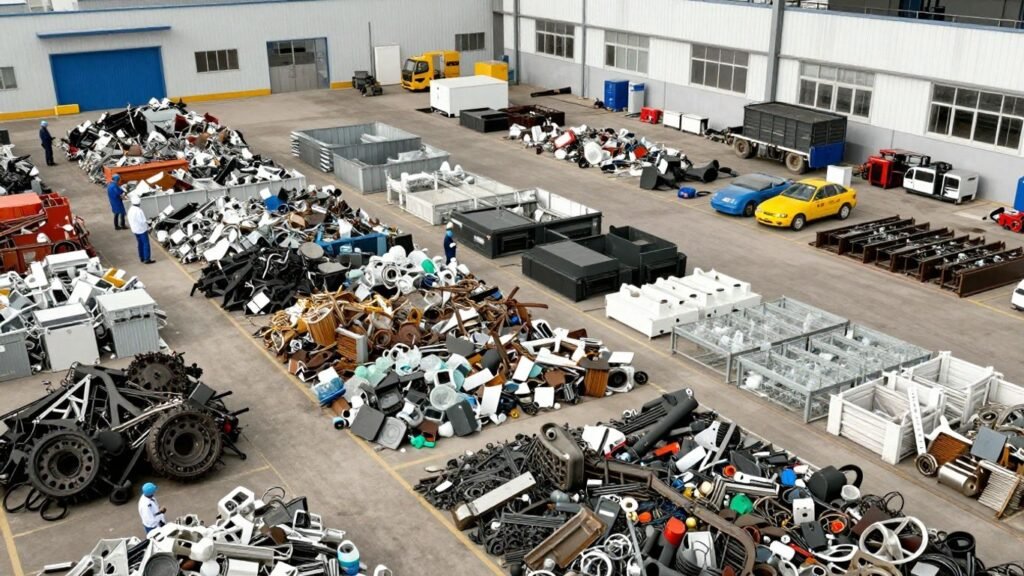
The materials depend on the item being processed, but common streams include ferrous and non-ferrous metals, rigid plastics, glass, wiring, circuit boards, usable components, and packaging. Some parts have direct resale value; others move to specialized processors. Clean separation matters because mixed or contaminated loads are harder to sell and may be rejected.
The recovery plan should identify both the material and its likely destination. A dismantler that can explain where each stream goes offers more confidence than one that reports only a single tonnage figure.
Industries that use zero waste dismantlers
Manufacturers, fleet operators, electronics managers, construction firms, retailers, utilities, and property owners may all need dismantling services. Their materials differ, but the basic concern is similar: recover what has value while controlling risks from damaged or obsolete equipment. A warehouse clearance, for example, may involve reusable fixtures alongside scrap metal and regulated components.
The same principle can apply to household products, although the service model changes with volume and local rules. Businesses should describe the inventory accurately before requesting a quote, including unusual materials, damaged units, and expected quantities.
How the zero-waste model supports a circular economy
A circular economy keeps products and materials useful for as long as practical. Dismantling supports that goal by creating separate pathways for repair, resale, refurbishment, remanufacture, and recycling rather than sending a complete item directly to a landfill. It also produces information about which parts fail, which materials are plentiful, and which designs are difficult to recover.
The model works best when dismantlers, manufacturers, recyclers, and buyers communicate. Programs such as Beyond 34 provide a broader example of recovery planning and landfill diversion, although each business still needs targets suited to its own materials and local infrastructure.
How the zero-waste dismantling process works
A responsible process begins before the first tool is used. The operator reviews the inventory, identifies hazards, plans the work area, and determines which outputs have realistic reuse or recycling routes. This preparation reduces damage and prevents valuable materials from being mixed together. It also creates a defensible record of what entered the facility and what left it.
Inspection, sorting, and material identification
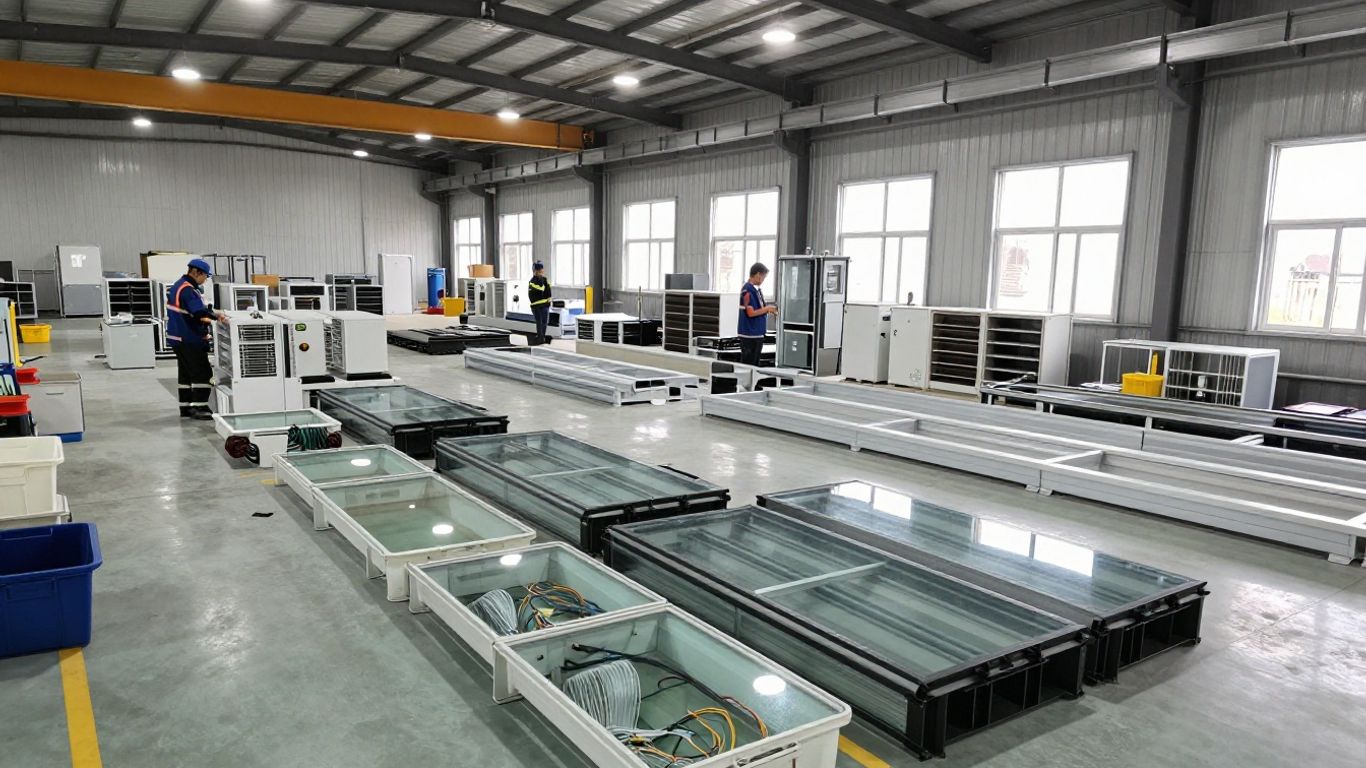
Inspection establishes the condition, composition, and likely value of each item. Workers may check for labels, batteries, fluids, sealed systems, breakage, contamination, and components that can be tested before removal. Items are then grouped by type and condition so that reusable goods do not become buried in a scrap pile.
A clear intake procedure also helps estimate labor and equipment needs. If an item is unfamiliar or damaged, it should be treated cautiously until its hazards and materials are understood.
Safe removal of reusable components
Reusable parts should be removed with methods that preserve their condition and document their identity. Depending on the equipment, this may include motors, controls, panels, fixtures, housings, or other intact components. Testing and labeling can help distinguish a part that is ready for reuse from one that is suitable only for material recovery.
Careful removal protects value as well as people. Rushing this stage can damage a saleable component, release a fluid, or create an avoidable injury. The work plan should specify tools, lifting methods, isolation steps, and temporary storage.
Segregation of metals, plastics, glass, and electronics
Once reusable components are set aside, remaining material is separated into compatible streams. Metals may be divided by type, while plastics can require attention to resin, coatings, attachments, and contamination. Glass, wiring, circuit boards, and displays often need their own containers and downstream handling arrangements.
The physical layout makes a difference. Clearly marked, stable containers and clean traffic paths reduce cross-contamination and make weighing more consistent. Workers should not be expected to sort hazardous or fragile material from an unstable pile.
Processing materials for reuse or recycling
After sorting, items and materials move to the next appropriate destination. Components may be cleaned, tested, repaired, or sold; recyclable materials may be baled, compacted, shredded, or otherwise prepared by an authorized processor. The correct treatment depends on the material and the receiving facility’s specifications.
Businesses should ask for evidence of the final route rather than assuming that every separated stream is recycled. A chain of records, weight tickets, transfer documents, and reuse data gives the process substance beyond a general environmental claim.
Environmental benefits of zero waste dismantling
Dismantling can reduce environmental pressure in several ways, but the benefits depend on execution. Materials must be kept clean, hazardous substances must be controlled, and transportation and processing should be considered alongside diversion. A high recovery rate is meaningful only when the reported outputs have a credible destination.
Reducing landfill waste and illegal dumping
Separating materials before disposal reduces the volume of mixed waste and can make illegal dumping less attractive by providing a managed route for difficult items. It also prevents reusable products from being discarded simply because they are inconvenient to process. Local access matters: a program is more likely to be used when collection, drop-off, and scheduling are practical.
For electronics in particular, guidance on e-waste management describes segregation and safe storage as part of responsible handling. Those basic practices apply well beyond one location.
Recovering valuable raw materials
Metals, plastics, glass, and electronic fractions can contain resources that would otherwise require new extraction and processing. Recovery does not eliminate the need for manufacturing, but it can reduce demand for virgin feedstock when the material is clean and accepted by a processor. Reuse usually preserves more embedded value than breaking an intact component down for scrap.
The value is both environmental and commercial. A dismantler can help a business identify which items should be sold, which should be refurbished, and which should enter a recycling stream.
Preventing hazardous substances from entering ecosystems
Fluids, batteries, refrigerants, lamps, treated materials, and electronic components may create risks if they are crushed, burned, leaked, or placed in ordinary waste. Controlled removal and suitable containment reduce the chance of soil, water, and air contamination. Hazard management should be planned at intake, not improvised after a spill.
This is also where responsible e-waste preparation matters. Devices and parts should be kept separate from general scrap, with damaged or leaking units isolated and handled according to applicable requirements.
Lowering the energy demand of manufacturing
Recycling recovered material can require less energy than producing some materials from virgin resources, although the savings vary by material, contamination, distance, and process. Reuse can avoid even more manufacturing when a component remains functional and finds a suitable next user. Measurement should therefore distinguish reuse from recycling rather than combining them into one attractive number.
The most useful comparison includes transport, processing, rejected loads, and residual disposal. That fuller view helps businesses avoid overstating the environmental result.
Safety and compliance requirements
Safety is inseparable from zero waste dismantling. Workers may face sharp edges, stored energy, moving equipment, heavy parts, dust, chemicals, and electrical hazards in the same work area. Compliance also extends beyond the dismantler’s building to transport, storage, downstream processors, and final residue management.
Handling batteries, oils, refrigerants, and other hazards
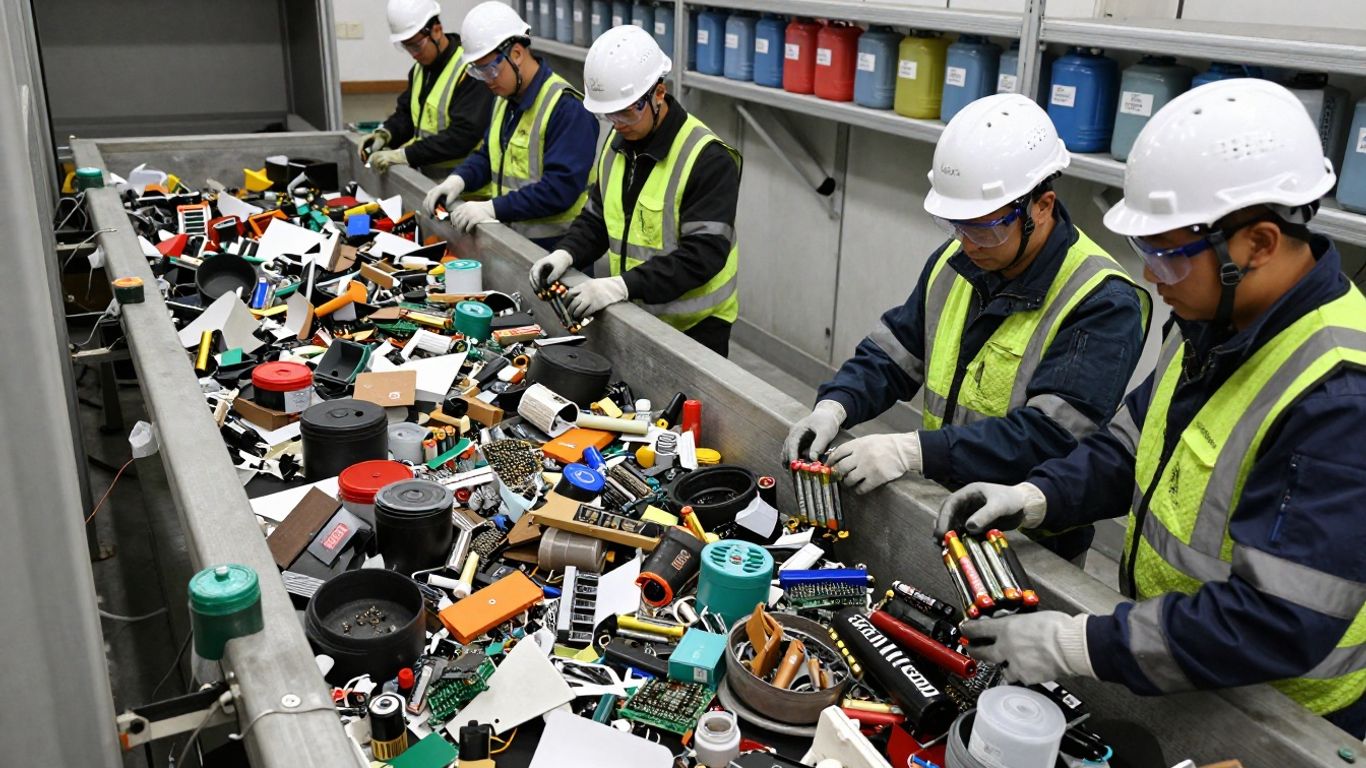
Batteries should be identified, isolated, and stored in a way that limits short circuits, damage, and fire risk. Oils and other fluids require leak prevention, suitable containers, and procedures for draining and transfer. Refrigerants and sealed systems may require specialized recovery equipment and trained personnel.
Other hazards can include lamps, solvents, contaminated absorbents, and components containing hazardous substances. A vendor should explain its controls in plain language and identify what happens when an item arrives damaged or leaking.
Worker protection and dismantling procedures
A safe facility uses written procedures, training, appropriate personal protective equipment, lockout and isolation practices, lifting controls, and housekeeping routines. Supervisors should be able to stop work when an item differs from the intake description or when conditions become unsafe. Emergency plans should cover fire, spills, injuries, and damaged batteries.
The procedure should fit the material rather than rely on a single generic checklist. Regular reviews, incident reporting, and refresher training help keep controls active as inventory and equipment change.
Permits, waste tracking, and regulatory records
The exact permits and records vary by material, location, and activity. Businesses should confirm that the dismantler is authorized for the waste streams it accepts and can provide transfer documents, weight records, certificates, or other appropriate evidence. Records should connect the incoming load with its recovery and disposal destinations.
A useful contract also states who is responsible for classification, transportation, data destruction where relevant, and regulatory reporting. Clear responsibility reduces surprises when an unusual material appears in a routine shipment.
Responsible management of non-recyclable residues
Even careful dismantling produces some residue. The responsible route is to characterize it, contain it, send it to an appropriate permitted facility, and record the outcome. A zero-waste claim should not conceal a small but important disposal stream.
The goal is controlled minimization, not magical disappearance. Honest residue reporting allows a business to redesign purchasing, packaging, or equipment choices that create avoidable waste.
How to choose a zero waste dismantler
Choosing a provider requires more than comparing a pickup price. The right partner should understand the material, have suitable equipment, protect workers, and provide evidence for its recovery claims. Site visits, sample reports, and specific answers are often more revealing than broad marketing language.
Services, equipment, and material recovery capabilities
Start by listing the items, quantities, conditions, and timing involved. Ask whether the provider handles dismantling, testing, refurbishment, material sorting, transport, and downstream processing directly or through partners. Equipment should be appropriate to the work, from lifting and draining tools to secure containers and weighing systems.
Ask how reusable components are identified and valued. A provider that separates working parts from scrap can produce a different outcome from one that processes everything as a commodity load.
Certifications, licenses, and environmental policies
Review licenses, insurance, worker-safety practices, environmental policies, and any relevant certifications. These documents do not replace a conversation about actual procedures, but they help establish whether the operation is prepared for the materials involved. Confirm that downstream partners are also suitable for the relevant streams.
Do not treat an impressive sustainability statement as proof of performance. Request recent, anonymized examples of reporting and ask how rejected loads, hazardous materials, and residues are managed.
Pickup options and service-area considerations
Collection logistics affect both cost and environmental impact. Consider minimum volumes, loading requirements, container availability, pickup frequency, travel distance, and whether the provider serves all relevant sites. A clear inventory can help determine whether scheduled collections or a one-time project makes more sense.
If electronics are involved, local services such as Bangalore e-waste pickup illustrate how preparation and collection details can shape the handoff. The specific service area and terms must still be checked before arranging a shipment.
Questions to ask before signing a contract
A short set of practical questions can reveal whether the proposal is specific enough to trust. Ask the following before committing:
- Which materials and hazards are included or excluded from the quoted service?
- How are reuse, recycling, recovery, and disposal weights measured?
- Which facilities or partners receive each material stream?
- What records will be supplied, and when will they be delivered?
The answers should match the contract, not just the sales conversation. If a provider cannot explain its reporting method or refuses to identify the treatment route in general terms, seek clarification before scheduling work.
How businesses can measure dismantling outcomes
Measurement turns a one-time clearance into a management process. It helps a business compare vendors, find avoidable waste, and report progress without confusing activity with impact. The starting point is a consistent baseline: what entered the program, in what condition, and at what weight.
Tracking diversion and recovery rates
Diversion measures the share of incoming material that avoids disposal, while recovery may refer more narrowly to material or component value retained through reuse and recycling. Define the terms before collecting data. Otherwise, two vendors may use the same label for different outcomes.
Record total incoming weight, reuse weight, recycling weight, residue weight, and unknown or rejected weight. Reviewing these figures by project, site, material, and vendor can expose patterns that a single annual percentage hides.
Calculating reuse and recycling volumes
Reuse and recycling should be reported separately because they represent different pathways. A tested component sold for another use is not the same as metal sent to a processor, even if both avoid landfill. Record units as well as weight when the item count helps explain the result.
A simple material register can make the calculation repeatable:
| Output category | Useful measure | Supporting evidence |
|---|---|---|
| Reused components | Units and weight | Test, sale, or transfer record |
| Recycled materials | Weight by stream | Processor receipt or weight ticket |
| Hazardous materials | Weight or volume | Authorized transfer record |
| Non-recyclable residue | Weight | Disposal documentation |
The table separates outcomes that are often blended together. That distinction gives sustainability teams a more credible basis for internal decisions and external reporting.
Evaluating costs, revenue, and operational efficiency
Financial analysis should include pickup, labor, containers, testing, processing, storage, and residue costs. Against those expenses, businesses can record resale income, scrap revenue, avoided disposal charges, and the value of recovered equipment where it is supportable. Not every environmental benefit has a direct price, but every financial assumption should be visible.
Operational measures may include turnaround time, recovery per labor hour, rejected-load frequency, damage during handling, and the percentage of inventory correctly classified at intake. These measures can point to better packaging, repair, purchasing, or decommissioning decisions.
Using documentation to improve sustainability reporting
Good documentation gives sustainability reports a traceable foundation. Keep contracts, manifests, weight tickets, reuse records, processor confirmations, incident logs, and residue documents together by project or reporting period. When figures are reviewed later, the business should be able to explain the calculation without relying on memory.
The same discipline supports broader resource planning. Geocycle offers an example of how recovery and non-recyclable management may be discussed at an industrial scale, but each company should report only the activities and outputs it can substantiate.
Conclusion
Zero waste dismantlers help businesses preserve useful components, recover raw materials, and manage difficult residues with greater care. The strongest results come from a complete chain: accurate inspection, safe removal, clean segregation, authorized processing, and transparent measurement. Treating those steps as one accountable system makes waste reduction more practical and more believable.
Frequently Asked Questions
What does a zero waste dismantler do?
A zero waste dismantler takes products or equipment apart, identifies usable components and material streams, and directs them toward reuse, recycling, or controlled disposal.
Is zero waste dismantling the same as recycling?
No. Dismantling is the separation stage, while recycling processes selected materials into feedstock. Disposal is used for residual material that cannot reasonably be recovered.
What materials can usually be recovered?
Common streams include metals, plastics, glass, wiring, electronic parts, and reusable components. The actual mix depends on the item’s design, condition, and contamination.
Why are batteries and fluids handled separately?
Batteries, oils, refrigerants, and similar substances can create fire, health, or environmental risks. Separate handling allows them to be contained and routed under appropriate procedures.
What records should a business request?
Useful records may include intake weights, transfer documents, processor receipts, reuse records, hazardous-material documentation, and final residue information.
How is a diversion rate calculated?
A diversion rate generally compares the weight sent to reuse or recovery routes with the total incoming weight, after the business has defined which outputs count and documented them consistently.
Can every item be kept out of landfill?
Not always. Some materials are contaminated, damaged, or technically unsuitable for recovery. A responsible program minimizes and documents residues instead of claiming that unavoidable waste has disappeared.